The House of Ardenne-Verdun
– 3 min read


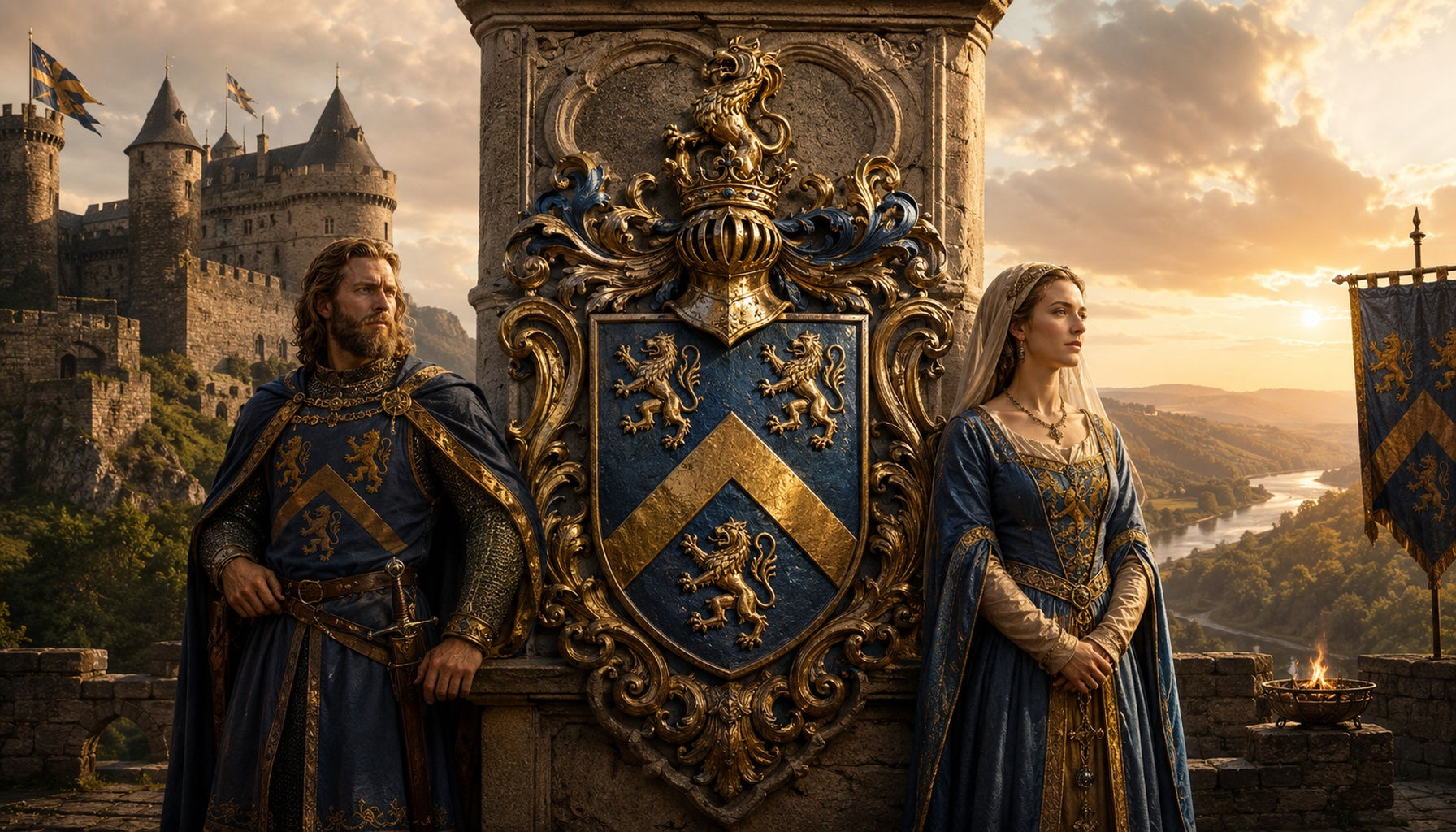
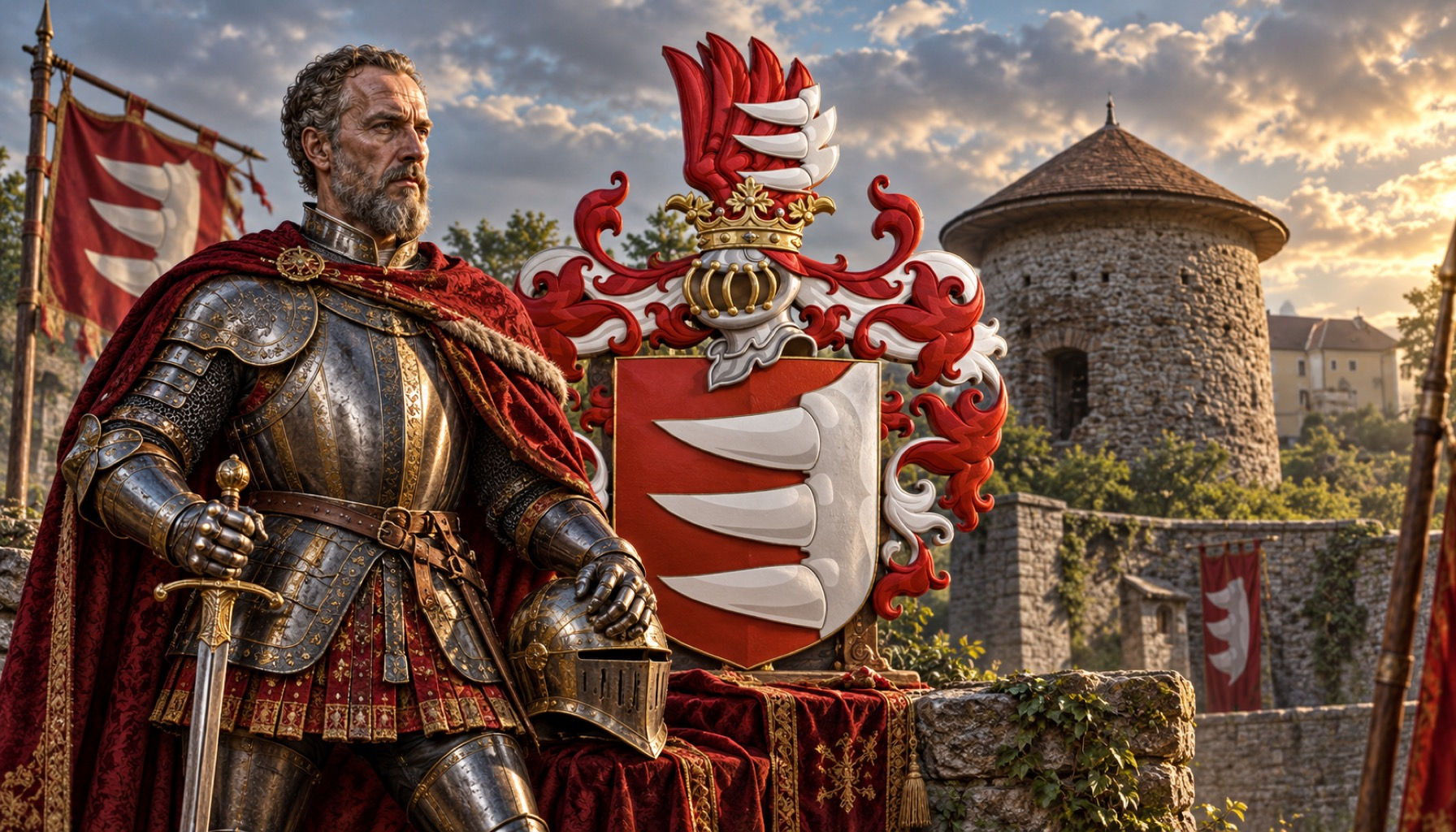
The House of Ardenne-Verdun was a medieval noble family of the Lorraine frontier, rooted in the Ardennes, Verdun, and the wider borderland between the kingdom of West Francia and the German-speaking world of the early Holy Roman Empire. In genealogical and deep ancestry tagging, the primary family haplogroup associated with this house is R1b1a1b1a1a1a1b. That does not turn a medieval dynasty into a simple DNA label, of course, but it does place the family within a wider paternal lineage seen across large parts of western and central Europe. Historically, this was a house made by frontiers: forests, river valleys, contested lordships, and the constant need to negotiate with kings, bishops, abbots, and rival nobles.
The Ardenne-Verdun family emerged from a world in which power was rarely neat and never abstract. It was held in land, fortified sites, armed followings, marriage alliances, and office. Their sphere lay in a region where imperial authority mattered, but local control mattered just as much. Houses like this one were the machinery of early medieval politics. They guarded roads and crossings, endowed churches, served rulers, and turned kinship into strategy. Figures linked to the family include Goblin, active between 911 and 942, Adalbero, Bishop of Metz in 929, and much later Thomas de Verdun, recorded in 1421, showing how the family memory and name endured across centuries even as the political landscape changed around them.
Explore the Royal House of Wettin
A powerful location anchor for the story of this frontier aristocracy is Bouillon Castle, one of the great strongholds of the region. Set dramatically above the town of Bouillon in present-day Belgium, the castle occupies a strategic rocky spur overlooking the Semois River. It is famous for its layered history, with fortifications developing over many centuries, and for its association with the medieval lordship of Bouillon, a place deeply bound up with noble authority, military control, and cross-border politics. What makes Bouillon so evocative is that it still feels like a frontier fortress: not a decorative palace, but a real defensive complex shaped by geology, warfare, and long occupation. The site includes a network of towers, walls, underground passages, and commanding views that explain, better than any tidy family tree, why lordship in this region depended on holding stone, height, and access. And yes, Bouillon Castle can still be visited today, which makes it a particularly vivid place to connect the documentary history of the Ardenne-Verdun world with the surviving landscape itself.
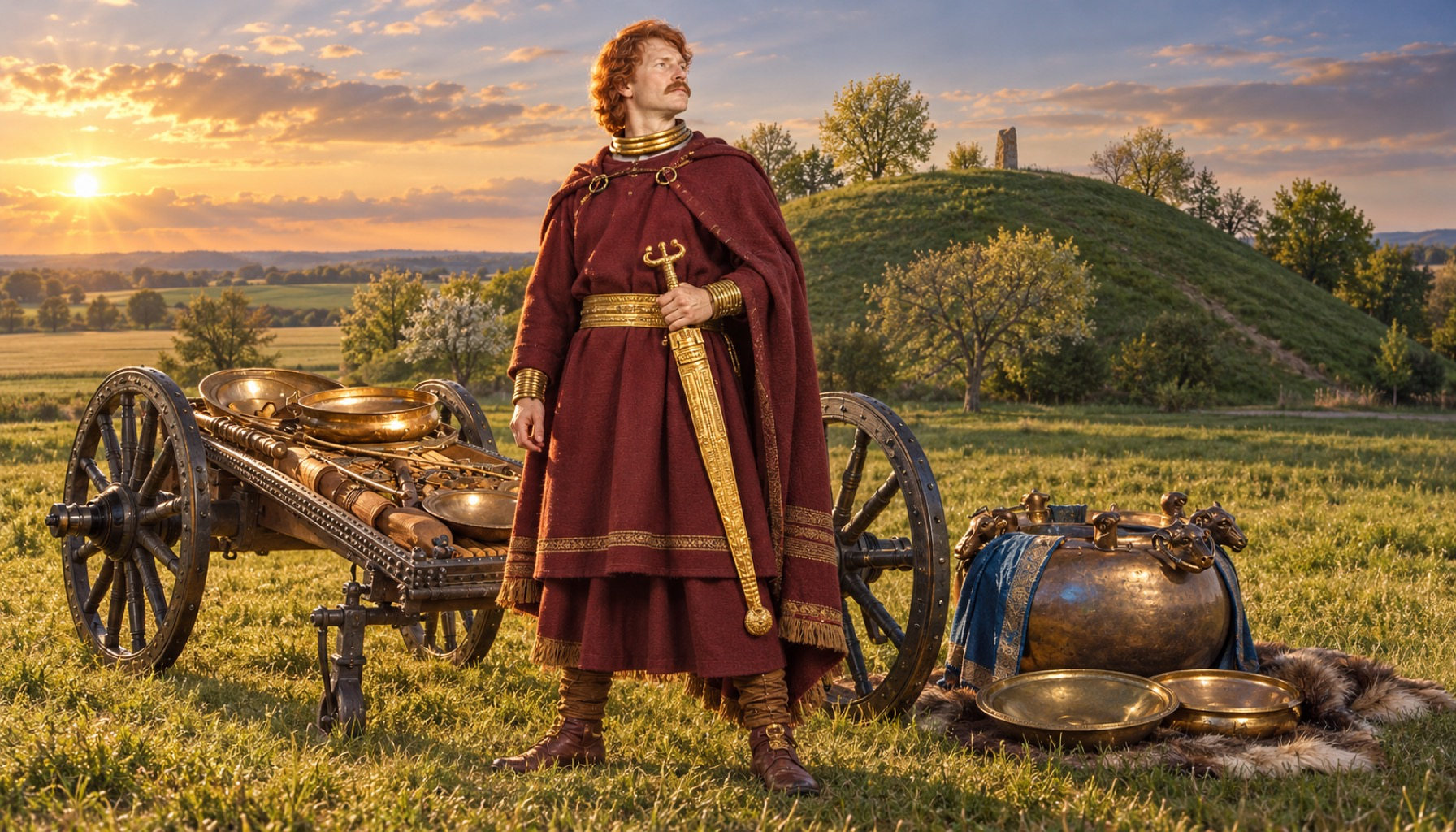
From an ancient DNA perspective, the haplogroup R1b1a1b1a1a1a1b is linked to a wide and very interesting spread of ancient and medieval individuals across Europe. These are not claimed as direct ancestors of the House of Ardenne-Verdun, but they are related or linked samples that help sketch the deeper population background of the same paternal branch. They include Bronze Age Unetice Leubingen Sommerda in Thuringia, Germany (LEU007), Late Neolithic Mienakker in the Netherlands (I12902), Celtic Iron Age Hallstatt in Austria (CGG101214), Gothic Wielbark Pomerania near Gdansk (PCA0479), Imperial Roman Viminacium in Serbia (I15527), Roman-period Mursa in Croatia (OSIJ003), Saxon and Migration Period individuals from Lower Saxony and Saxony-Anhalt such as DUN006, DUN009, DUN011, BRC006x, HID003, HID004, and RTW012, Viking Age Sigtuna in Sweden (urm160 and urm160x), Danii-associated Denmark samples such as CGG106724 and VK289, early Anglo-Saxon England from Buckland Dover, Oakington, and West Heslerton including BUK012, BUK060, BUK064, BUK070, BUK007, I11583, I11584, and I20652, and medieval or Carolingian Belgium at Sint-Truiden including ST0024, ST0323, ST0786, and ST2969. Taken together, these linked finds suggest a long and mobile history for this lineage across the same broad northwestern European world from which frontier dynasties like Ardenne-Verdun emerged.
Explore medieval Sint-Truiden DNA
If the House of Ardenne-Verdun speaks to your own family story, the next step is wonderfully simple: upload your DNA to MyTrueAncestry and see whether you match this family or any of the related ancient DNA samples linked to haplogroup R1b1a1b1a1a1a1b. It is one of the most engaging ways to place your ancestry in the real landscapes of castles, frontier lordships, medieval power, and the deeper archaeological past.


Comments