The House of Agar
– 3 min read


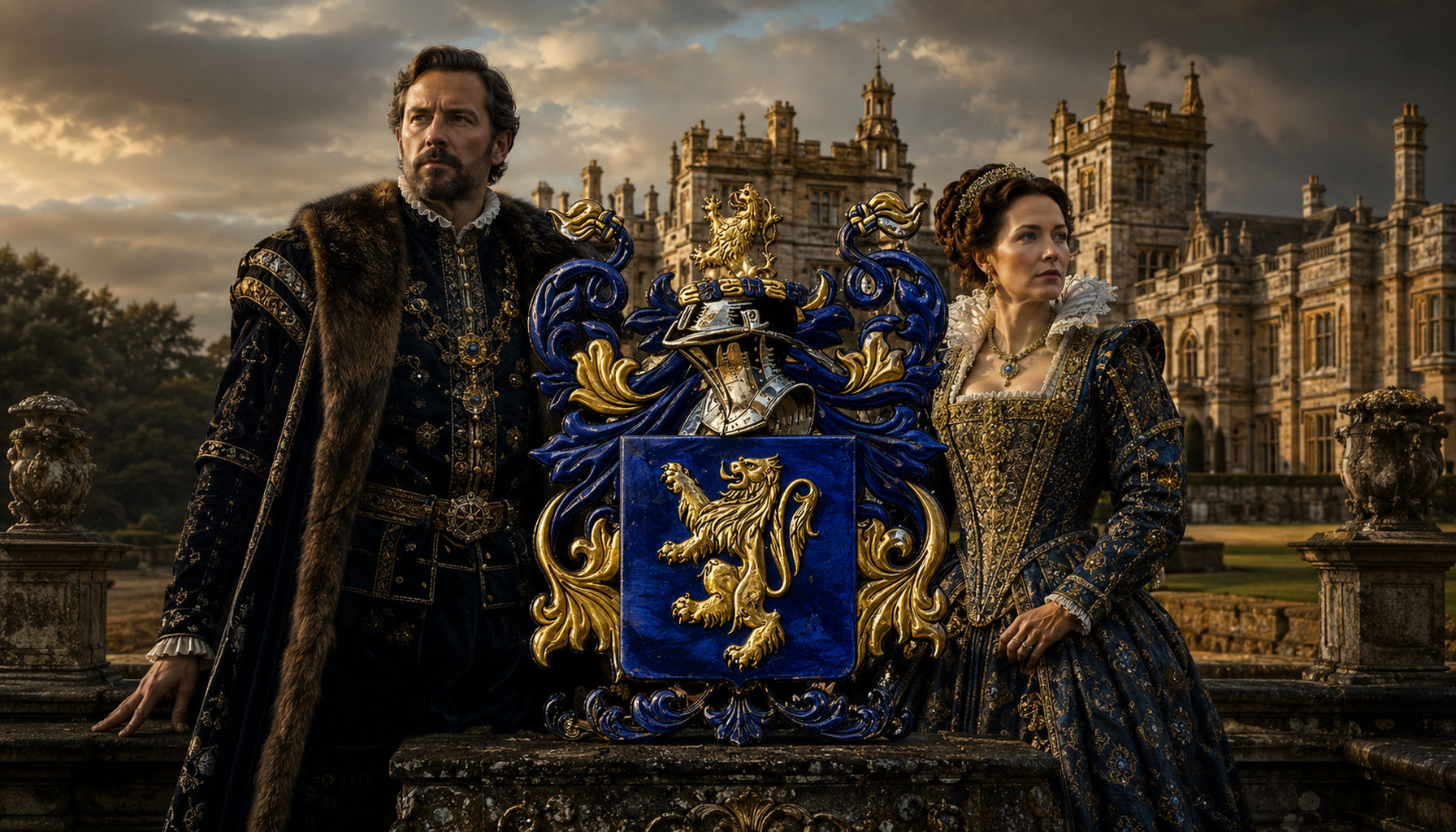
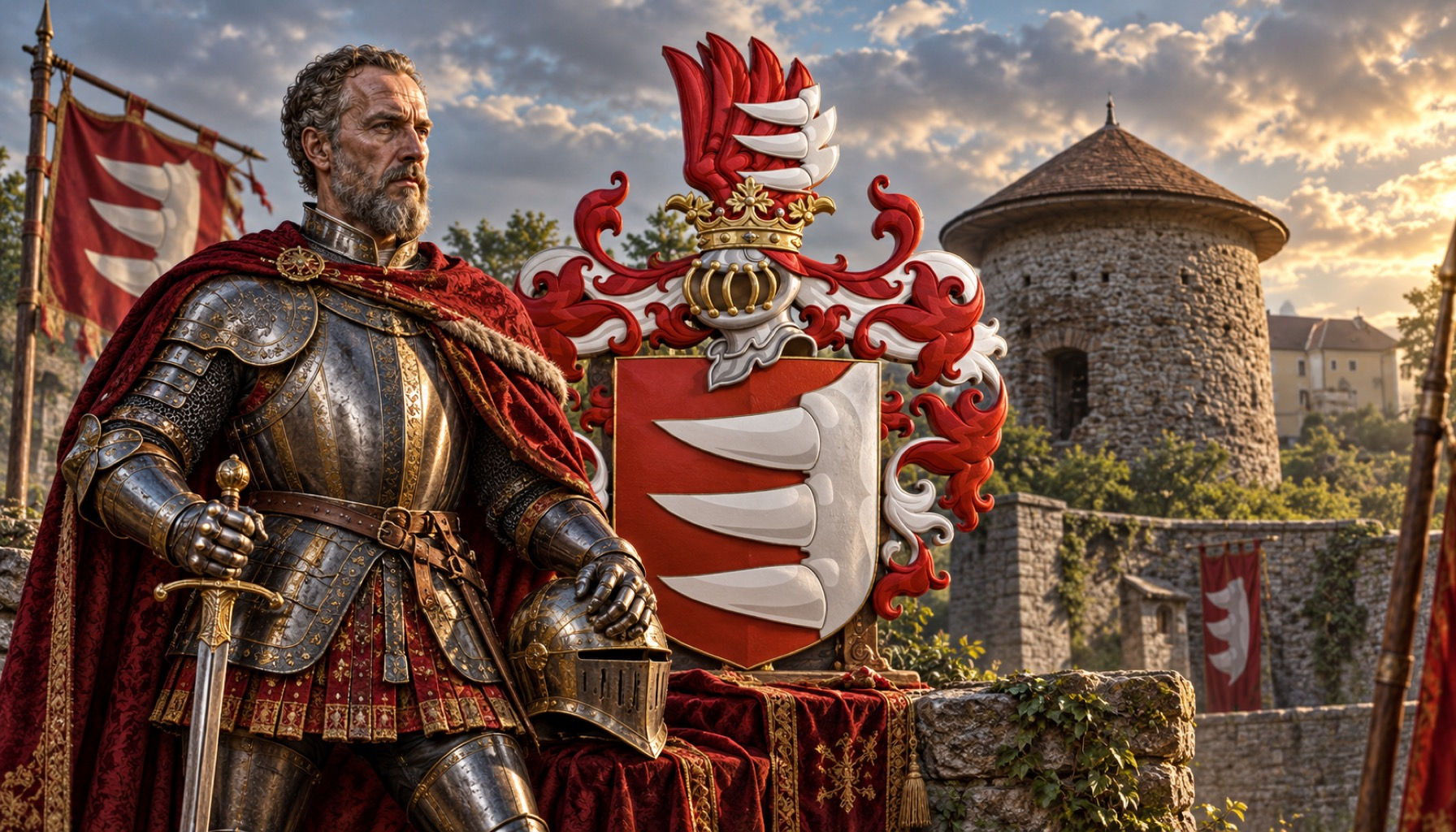
The House of Agar was a notable Irish and English landed family whose story sits squarely in the world of estates, office, lineage, and social standing. Their heritage is tied to the long history of property-owning families in the British Isles, where influence was built not only through land, but through marriage alliances, heraldry, public duty, and a careful sense of family continuity. In haplogroup terms, the primary family line is tagged to R1b1a1b1a1a2c1a5b1a1a2a1, a branch within the wider R1b network that has deep roots across western Europe and the British Isles.
The Agars emerged from an English and later strongly Irish landed setting, with their rise reflecting the political and social reshaping of Britain and Ireland in the early modern period. This was a world in which a family name could travel through officeholding, borough politics, estate acquisition, and the patient accumulation of respectability. Thomas Agar, Lord Mayor of York in 1618, gives us one glimpse of that civic prominence in England, while John Eager, recorded in 1782, reminds us how surnames and branches could shift in spelling and usage while still belonging to the same broad historical landscape of local influence and family identity. What matters with the Agars is not a single dramatic medieval legend, but the durable pattern: land, service, title, and memory, all reinforcing one another over generations.
The great location anchor for the family is Gowran Castle in County Kilkenny, Ireland, a place that captures exactly how a landed house projected permanence. The site stands near the historic town of Gowran and developed around an earlier castle tradition before becoming associated with the Agar family and later the Agar-Robartes line. The present house is an 18th-century country mansion built beside the remains of the older stronghold, which gives the place that wonderfully layered quality so common in Irish elite landscapes: medieval lordship, early modern consolidation, and Georgian refinement all pressed into one estate identity. In practical terms, Gowran Castle is known today as a private estate with golf and accommodation activity associated with the grounds, so it is indeed a place that can still be visited in a reasonable sense, even if access depends on current estate arrangements rather than open-museum conditions. It is precisely the sort of place where family prestige was made visible in stone, setting, and continuity.
Read more about Clan Mac Murchada
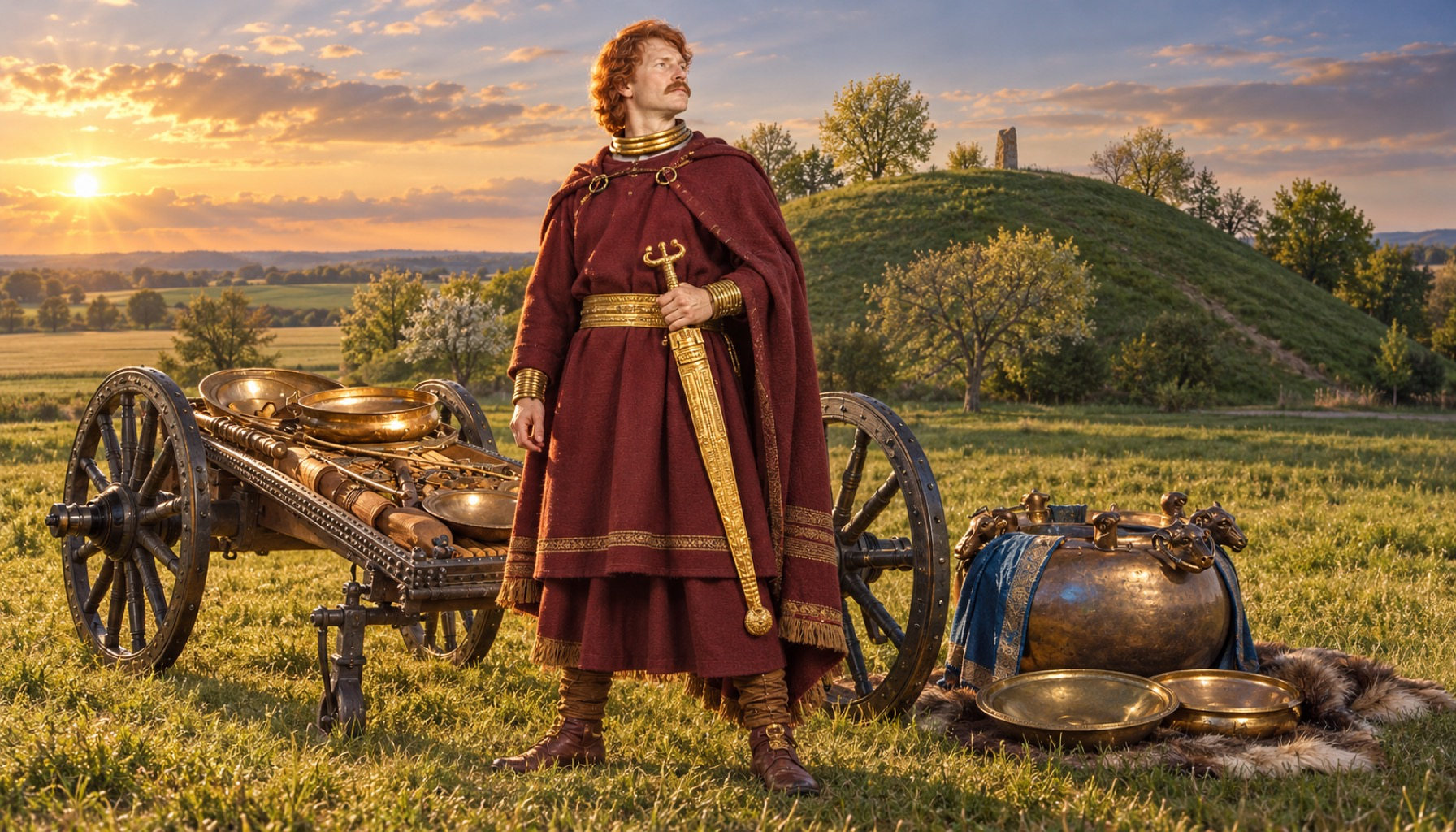
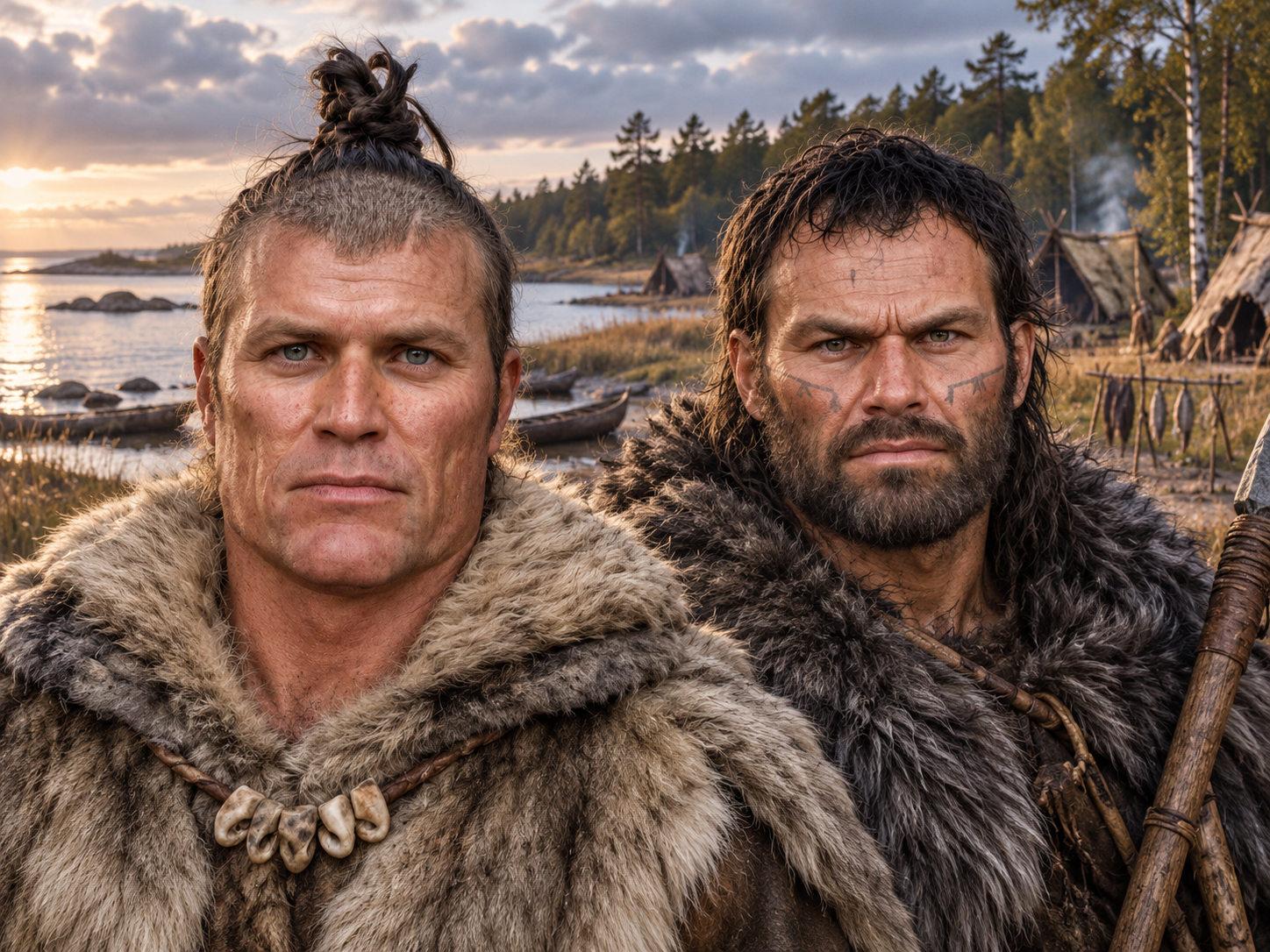
From the ancient DNA angle, the Agar haplogroup tag R1b1a1b1a1a2c1a5b1a1a2a1 can be placed within a much older tapestry of related paternal lines found across Britain, Ireland, and the North Atlantic world. Related or linked samples include Early Anglo-Saxon West Heslerton, Yorkshire (I11586), Anglo-Saxon Oakington, England (OAI012), Celtic Briton individuals from Carsington Pasture Cave in Derbyshire (I12778 and I12775), Lechlade-on-Thames in Gloucestershire (I12783), Bradley Fen in Cambridgeshire (I11156), Iron Age Middle Wallop Suddern Farm (I16611), Iron Age Greystones Farm in Gloucestershire (I12785), Copper Age Ireland at Rathlin1B, and even the Danish-Gaelic Viking world of Iceland represented by SSG-A2. These do not prove direct descent from the House of Agar, and we should be cautious about pretending they do. But they do show that related paternal ancestry belonged to a very old stream of population history connecting Iron Age Britons, later Celtic-speaking communities, Anglo-Saxon era groups, Ireland, and the Viking-influenced Irish Sea world from which many later British and Irish families emerged.
Explore Ancient DNA in Post-Roman Britain
If the House of Agar catches your imagination, that is probably because it embodies a very recognisable historical pattern: not a family floating above history, but one made by it, through estates, politics, marriage, and the steady performance of status. Uploading your DNA can help you see whether you match the Agar family line or any of the related ancient DNA samples linked to this wider British and Irish story.

Comments