The Hellenstierna Family
– 3 min read



The Hellenstierna family was a Swedish noble family of the later great-power era, registered at Riddarhuset as noble family no. 1321, and its story begins not in some misty saga age but in the world of educated service, legal paperwork, provincial administration, and crown duty. The founder was Johan Heller, later ennobled as Hellenstierna, born in 1644 at Imbramala in Misterhult parish in Kalmar County. He studied at Uppsala University and rose through royal and regional office to become county bookkeeper in Ostergotland and later district judge in Tuna, Sevede, and Aspeland. The primary family haplogroup linked here is R1a1a1b1a3a, a paternal line with a long archaeological footprint across northern and eastern Europe.
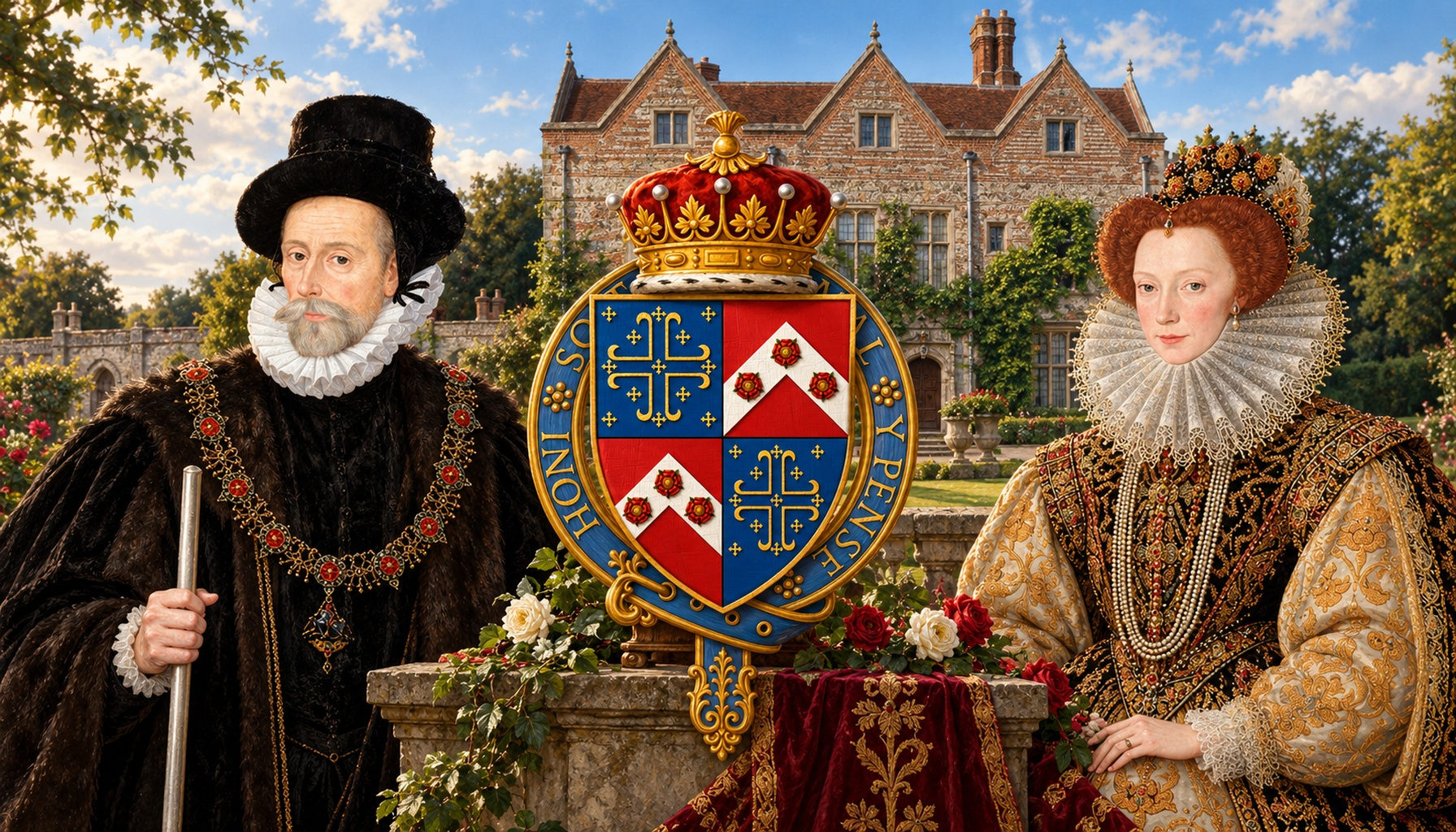
That matters because the Hellenstiernas represent a very particular Swedish historical moment. In the late 17th century, the Swedish state needed literate, disciplined men who could keep accounts, administer law, supervise districts, and connect Stockholm's authority to the provinces. Ennobled on 22 December 1694 and introduced at the Swedish House of Nobility in 1697, the family entered the heraldic and genealogical world of the formal noble estate. Later generations continued much the same pattern: officers, captains, court servants, district judges, and regional officials moving through Kalmar County, Smaland, Ostergotland, Skaraborg, and beyond. Even the name itself, Hellenstierna, belongs to that wonderfully Swedish noble habit of refashioning identity with a dignified flourish, here ending in stierna, meaning star. A figure such as Sven Svensson, recorded in 1657, helps remind us that behind the later noble style stood a rooted provincial family background, not merely a title but a social climb through service, education, and reputation.
Read more about the Stiernhielm family
One good place to anchor the Hellenstierna story is Tuna Church, because families like this were made in places where law, worship, local memory, and royal administration all met. Tuna Church in Uppland is a medieval parish church with roots reaching back to the Middle Ages, and like so many Swedish churches it is not simply a religious building but a historical archive in stone. Its setting reflects the old parish world that shaped elite and non-elite lives alike: churchgoing, burial customs, landholding networks, and the rhythm of local governance. The present building includes medieval fabric and belongs to that broad Scandinavian church landscape where Romanesque beginnings were altered over centuries by later rebuilding, painting, furnishing, and parish use. It is exactly the sort of place that helps modern visitors imagine the society from which district judges, officers, and crown servants emerged. And yes, it can still be visited, which is one of the pleasures of Swedish history: so much of the physical landscape still stands quietly in place, waiting for you to notice it.
Explore medieval Swedish DNA and graves
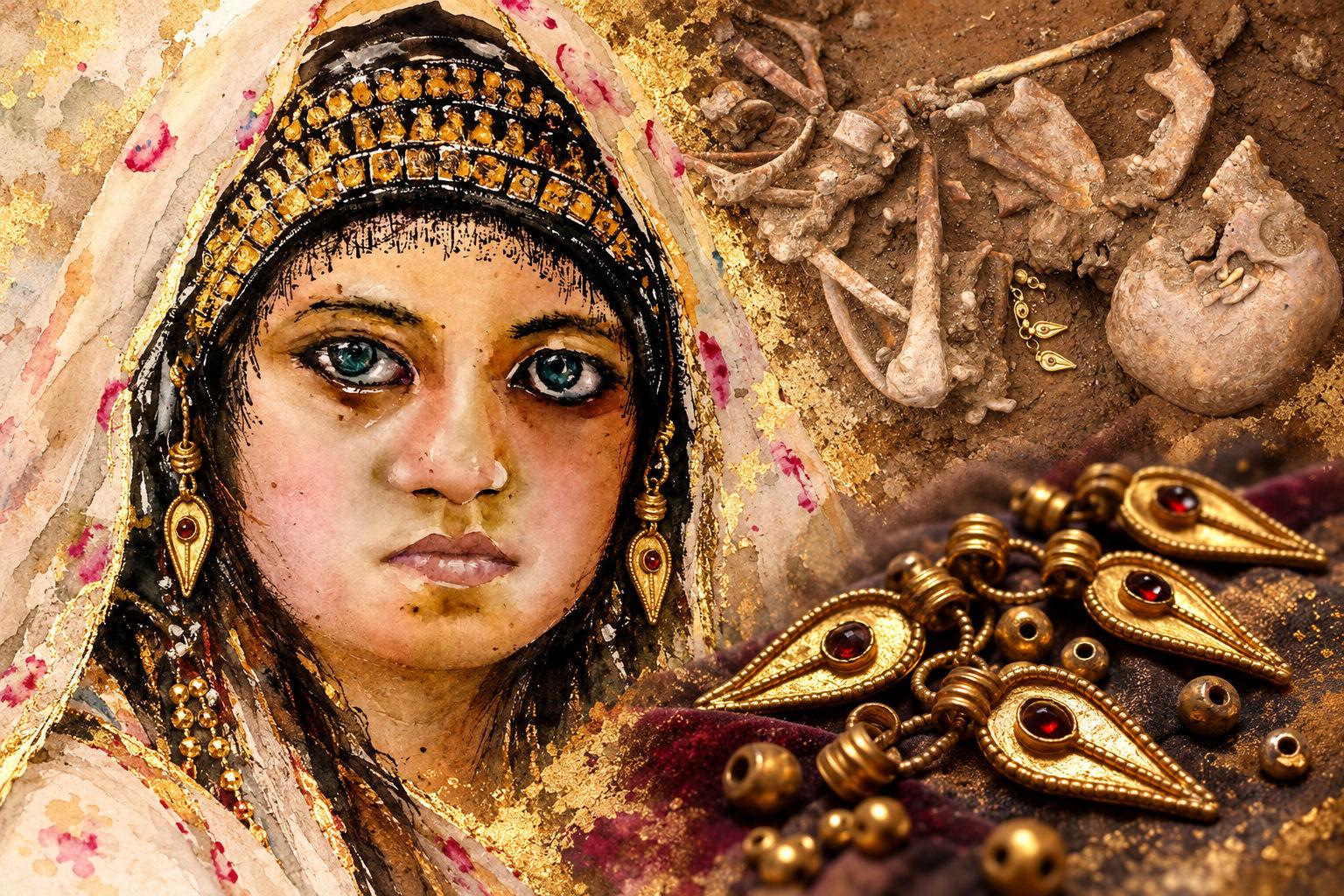
The Hellenstierna family's featured haplogroup, R1a1a1b1a3a, sits within a paternal lineage seen in a wide spread of ancient and historic individuals across Europe and beyond. This does not prove direct descent from any one excavated person, and it is important not to pretend otherwise. What it does show is that the same broader paternal branch appears in related or linked ancient samples from many periods and regions: Scythian Ukraine at Medvyn Tract Girchakiv Lis (UKR035AB), Bronze Age Unetice Thuringia at Leubingen Sommerda in Germany (LEU027), medieval Vasterhus in Sweden (mbv281), medieval Sigtuna in Sweden (mbs081), Vendel Age Uppland at Alsike (als001), Bergsgraven in Ostergotland (ber1), Viking Age Skara Varnhem (VK35 and VK401), the Stora Kronan shipwreck from the Battle of Oland (kro010), Piast-era and Piast-dynasty samples from Poland such as PCA0393, PCA0216, PCA0211, PCA0564, PCA0350, and PCA0317, and a broad northern arc including Iron Age and Germanic-period Denmark, Bronze Age Estonia, Bronze Age Austria, medieval Germany, medieval Belgium, medieval England at Cherry Hinton, and Viking Age Norway, Staraya Ladoga, the Faroes, and Oxford's St. Brice context. In other words, the haplogroup linked with Hellenstierna belongs to a deep and mobile paternal story running through steppe, Bronze Age central Europe, medieval Scandinavia, and the wider North Sea and Baltic worlds.
The Hellenstierna line became extinct on 22 December 1872, but its place in Swedish noble history remains preserved through Riddarhuset and through the wider record of Sweden's administrative nobility. If your own family has roots in Sweden, Smaland, Kalmar County, Ostergotland, or in the officer-and-official world of the early modern north, uploading your DNA may reveal whether you match the Hellenstierna family profile or any of these related ancient R1a1a1b1a3a-linked samples.

Comments