The Giffard Family

– 2 min read


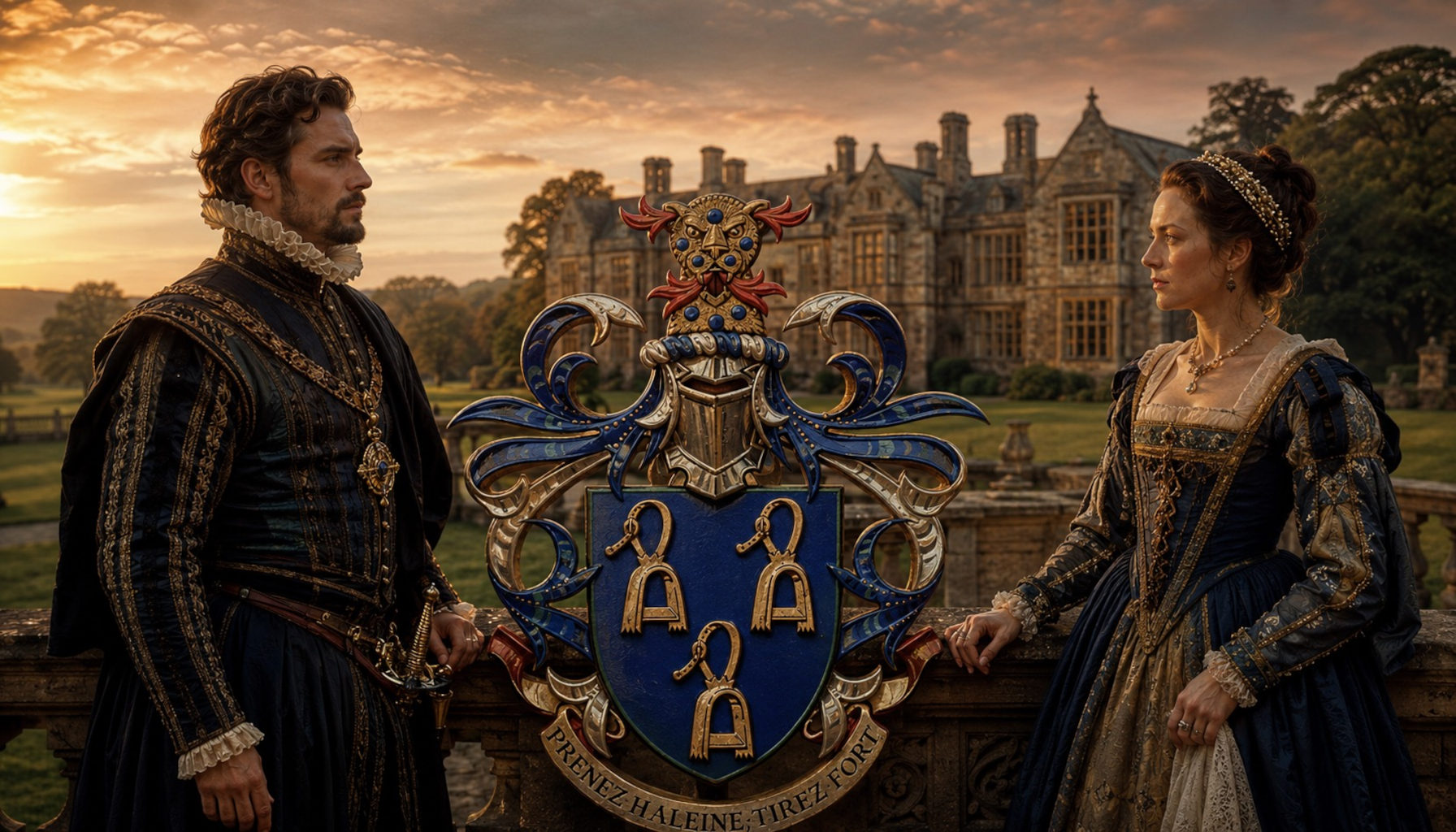
The Giffard family was one of those classic Norman and Anglo-Norman noble lineages that emerged from the hard, opportunistic world of 11th- and 12th-century Normandy and then spread their influence into England and beyond. Their name belongs to the age when military skill, fortified lordship, and loyalty to dukes and kings could lift a knightly house into the front rank of aristocratic society. In that broad hereditary picture, the primary haplogroup linked with the family is I2a1a1a1a1a2, a paternal line with a much deeper European story behind it.
The family’s roots lie in Normandy, in the political landscape that produced the conquerors of England and the great baronial houses of the Anglo-Norman world. After 1066, families like the Giffards were not simply landowners dropped onto a map; they were builders of a new order, holding estates, castles, churches, and legal rights as part of the feudal machinery that reshaped England. Their history touches all the expected ingredients of Norman power: heraldry, castle tenure, ecclesiastical patronage, martial service, and the careful construction of noble identity across regions. Robert Giffard de Tellieres, traditionally placed between 1096 and 1187, stands as one of the named figures who helps anchor the lineage in this formative medieval period.
A key location in the family story is Bolbec Castle in Normandy, tied to the old seigneurial landscape from which families like the Giffards drew status and staying power. Bolbec itself sits in the Seine-Maritime region, not far from the wider network of Norman strongholds that underpinned ducal authority before and after the Conquest. The castle site is now known chiefly through its remains and historical memory rather than as a fully standing fortress, but that is often the Norman story in miniature: earthworks, fragments, place-names, and documents doing the work of grand walls. Even so, Bolbec still offers a genuine location anchor, because it places the family back into the lived geography of medieval Normandy, where aristocratic power depended on controlling routes, tenants, and defensible sites. As a historic place in the town, it is reasonable to say the site can still be visited, even if visitors should expect a heritage location rather than an intact fairytale castle.
Read about the House of de Warenne
The haplogroup I2a1a1a1a1a2 also opens a wider ancient-DNA window. Related or linked samples associated with this branch include Early Goth Pommerania Czarnowko Lebork County Wielbark (PCA0553), Belgic Outlier Iron Age France Les Moidons (CGG023669), Iron Age Gloucestershire England Greystones Farm (I12791), and Late Roman Outlier Crypta Balbi (R104). These are not evidence of direct descent from the Giffard family, and they should not be read that way. What they do show is the broad and rather fascinating spread of connected paternal lines across Iron Age, Roman, and Migration Period Europe. In other words, the deeper ancestry behind a medieval Norman house may reach into a much older European genetic landscape than the family’s written pedigree alone can capture.
Read more on Norman Conquest DNA
If you are exploring the Giffard family story, this is where history and DNA become especially interesting together: Norman lordship on the surface, deep European ancestry underneath. Upload your DNA to MyTrueAncestry to see whether you match the Giffard family profile or any related ancient DNA samples, and to place your own story in the long arc from Iron Age Europe to the aristocratic world of medieval Normandy.


Comments