The Dykes Family
– 3 min read


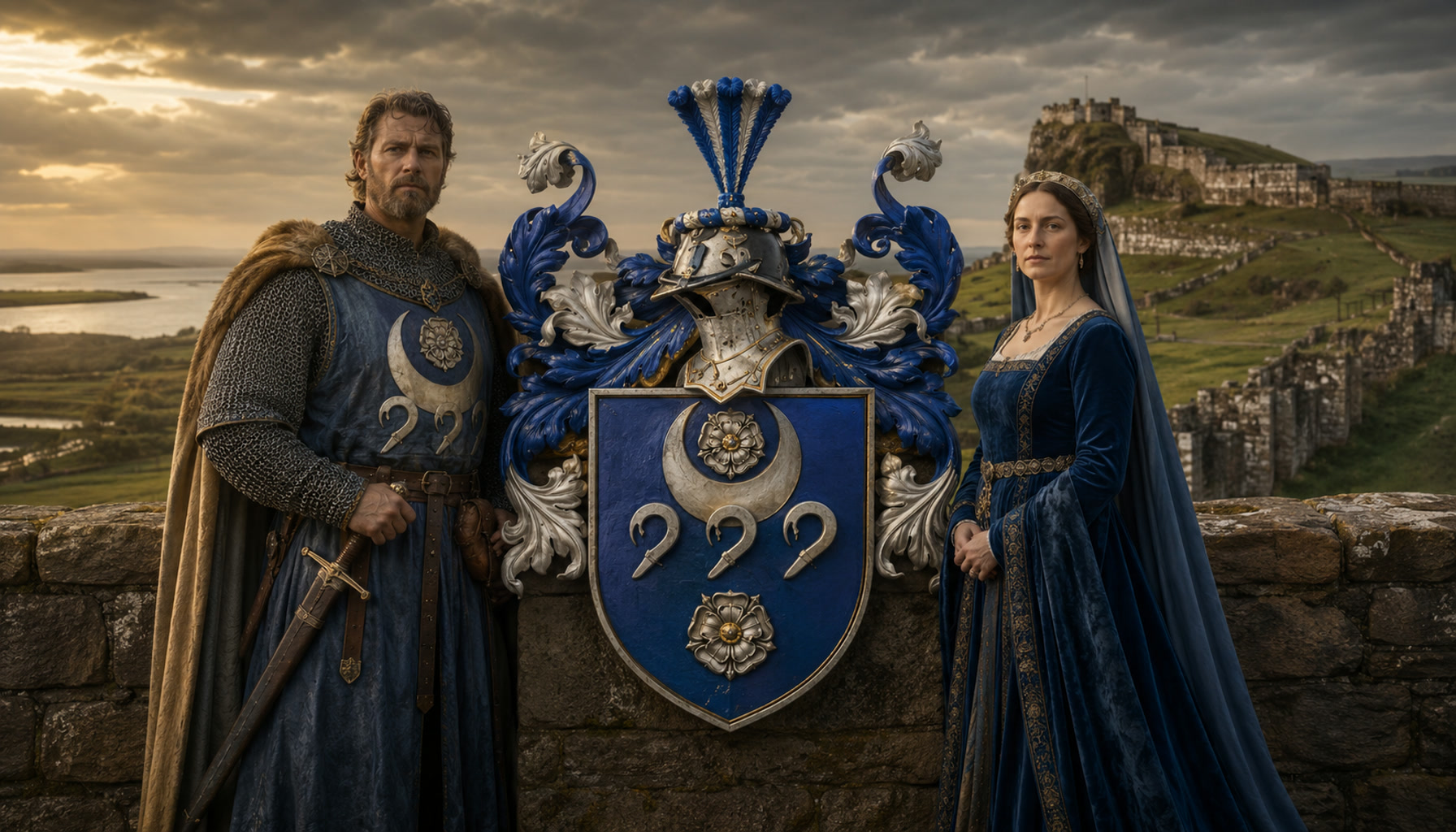
The Dykes family was one of those enduring English landed families whose importance lay not in wearing a crown, but in holding ground. Rooted especially in northern England, and most closely associated with the world of county society, the family belonged to that broad and rather formidable class we call the gentry: people whose authority came from land, parish standing, heraldry, marriage connections, and regular service in local office. In genetic terms, the primary family haplogroup linked here is R1b1a1b1a1a1c2b1a1a, a branch within the great R1b line that is widely represented across western Europe and deeply woven into the population history of Britain.
The surname itself sits comfortably in an English landscape of earthworks, boundaries, and old territorial naming, with "dyke" suggesting a ditch, bank, or embanked feature in the historic countryside. That makes the name feel properly local and topographic, exactly the sort of surname that grows out of a lived landscape. Over generations, the Dykes family rose within the historic context of provincial England, where landholding families acted as the connective tissue of county life. They managed estates, oversaw tenants, served in militia and administration, and carried family memory forward through arms, memorials, papers, and houses. Figures such as Joseph Dykes (1773-1830), Fretcheville Lawson Ballantine Dykes (1800-1866), and Fretcheville Hubert Ballantine Dykes (1881) show the continuity of that world: a family not fleetingly prominent, but durably established.
A particularly important anchor for the family story is Dovenby Hall in Cumbria, near Cockermouth, a house that captures beautifully the way gentry history clings to place. The hall is a country house with origins going back to an earlier estate landscape, and the present building is chiefly associated with later rebuilding and development in the 18th century. It became linked with the Dykes family and stands as exactly the kind of residence through which county families expressed both permanence and aspiration: not just a home, but an administrative centre, a social stage, and a statement in stone about belonging. In more recent times Dovenby Hall became known for entirely different reasons, being used as the headquarters of the Subaru World Rally Team, which is a marvellous reminder that old houses often survive by acquiring new lives. The hall and grounds have at times been accessible through events and public uses, so it is reasonable to say that it can still be visited in some contexts, though visitors should check current access arrangements before setting out.
Read more about the Gascoigne Family
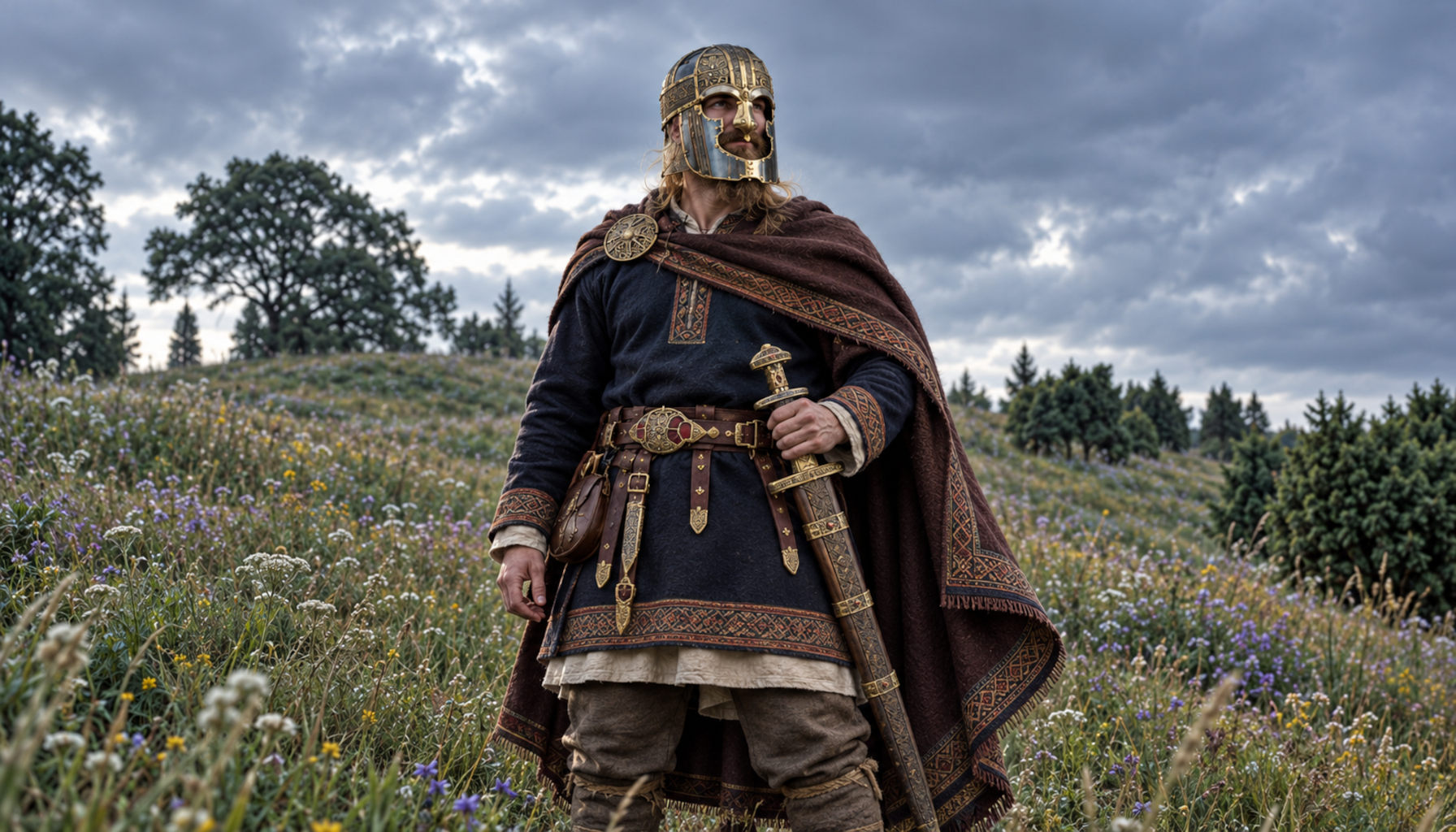
The haplogroup tag R1b1a1b1a1a1c2b1a1a also opens an intriguing window onto older population history. Ancient DNA samples linked to this branch or nearby paternal lines include Early Medieval Suffolk, England, Lakenheath (LAK007), Early Medieval Yorkshire, England, Norton Bishops East Mill (I17274), Viking Age Hesselbjerg, Jutland, Denmark (VK384), Viking Age Galgedil, Funen, Denmark (VK134), and Viking Age Skara Varnhem, Sweden (VK424). These individuals should not be presented as direct ancestors of the Dykes family unless proven, but they are useful related points of comparison. What they show, taken together, is the broad North Sea world from which much of early medieval English ancestry was formed: England in conversation with Scandinavia, migration mingled with settlement, and paternal lines persisting across centuries while families, languages, loyalties, and lordships changed around them.
Explore Ancient DNA in Post-Roman Britain
The Dykes family story is a fine example of how English history was built not only by kings and conquerors, but by long-rooted county families who held estates, served their communities, and left their mark on the landscape. If you have Dykes ancestry, northern English roots, or a haplogroup connection to R1b1a1b1a1a1c2b1a1a, you can upload your DNA to MyTrueAncestry and see whether you match the family line or related ancient DNA samples from early medieval England and the Viking Age.
Comments