The Denison Family
– 3 min read



The Denison family was a British landed and public-service family associated with House Denison, rooted in the world of estates, Parliament, administration, and that very English idea that status should be proved not only by ancestry but by usefulness. Their heritage sits squarely within the long development of the British gentry and aristocracy, where a family name was strengthened through landholding, education, marriage alliances, office-holding, and steady regional influence. Linked here with the primary family haplogroup R1b1a1b1a1a1c1a, the Denisons belong to a paternal line found across a wide sweep of European history, from prehistoric and early medieval contexts to later historic Britain.
What makes the Denisons interesting is that they represent a more modern kind of distinction than the simple romance of medieval knightly blood. Like many landed families that came fully into prominence in the eighteenth and nineteenth centuries, they drew authority from continuity: from houses and tenants, from county society, from service in government, and from a visible role in public life. John Evelyn Denison (1800-1873), later Viscount Ossington, became one of the best-known parliamentary figures of his age as Speaker of the House of Commons, while Sir William Thomas Denison (1804-1871) moved in the imperial sphere as a soldier, colonial governor, and administrator. In other words, this was a family whose identity was built not just in heraldry, but in the machinery of Britain itself.
Read more about the House of Gladstone
The great location anchor for the family story is Ossington in Nottinghamshire, and especially Ossington Hall, which gave the later title of Viscount Ossington its place-name weight and social geography. Ossington is an old village with medieval roots, but like so many English settlements its visible historic character was profoundly reshaped by estate culture. The hall itself became the focal point of the village and of Denison identity in the county, standing as the sort of country house that was never just a residence: it was an administrative center, a social theatre, and a statement that family, land, and local order belonged together. The older hall was replaced in the eighteenth century, and the village around it developed in the familiar pattern of an estate settlement, with church, planned landscape, and the quiet imprint of landlord influence still legible in the place today. The hall was demolished in the twentieth century, so one cannot visit the house itself as a standing great mansion, but Ossington as a village and historic estate setting can still be visited, and it remains the best geographical key to understanding how the Denison name was fixed to land, memory, and public standing.
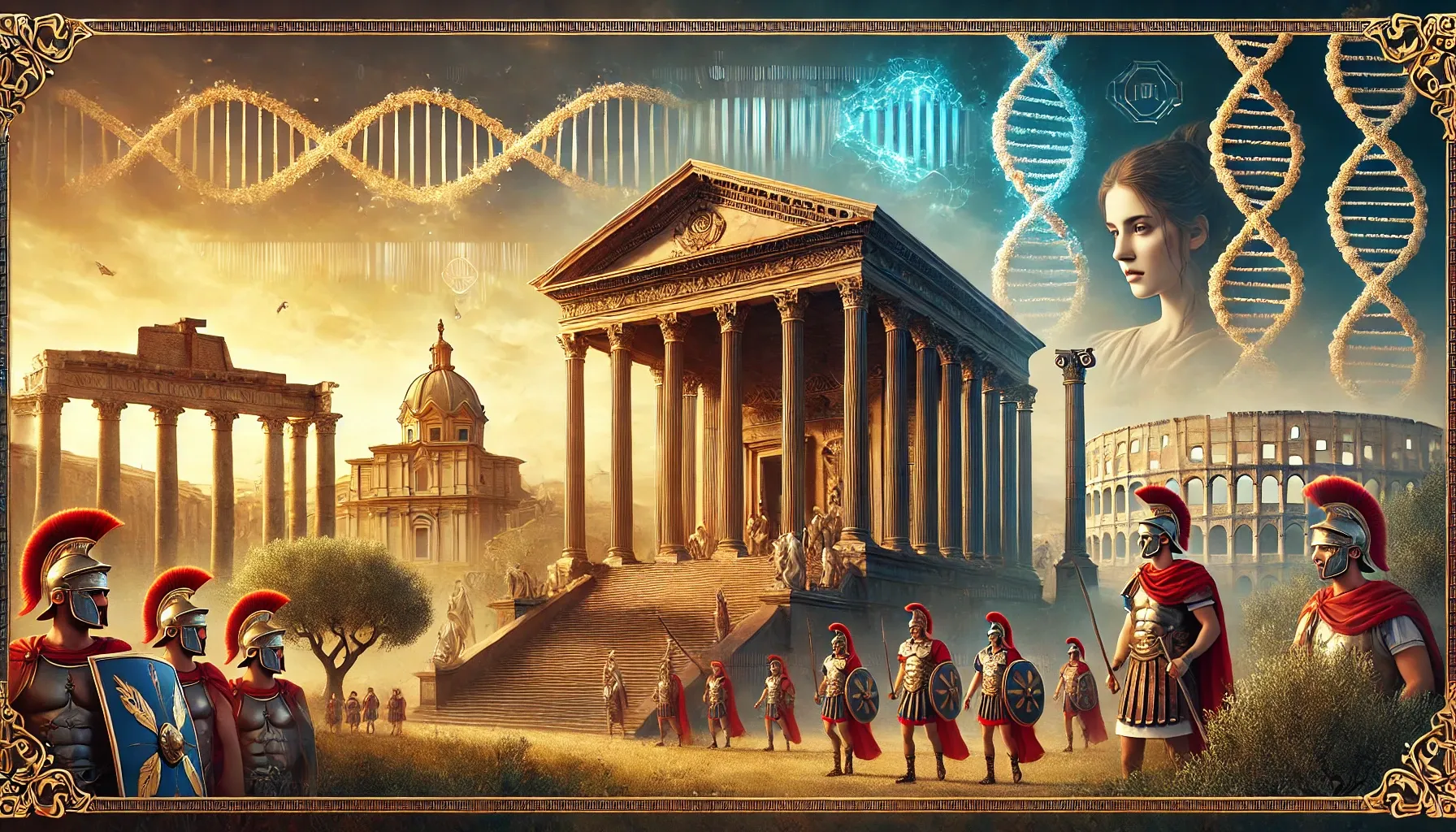
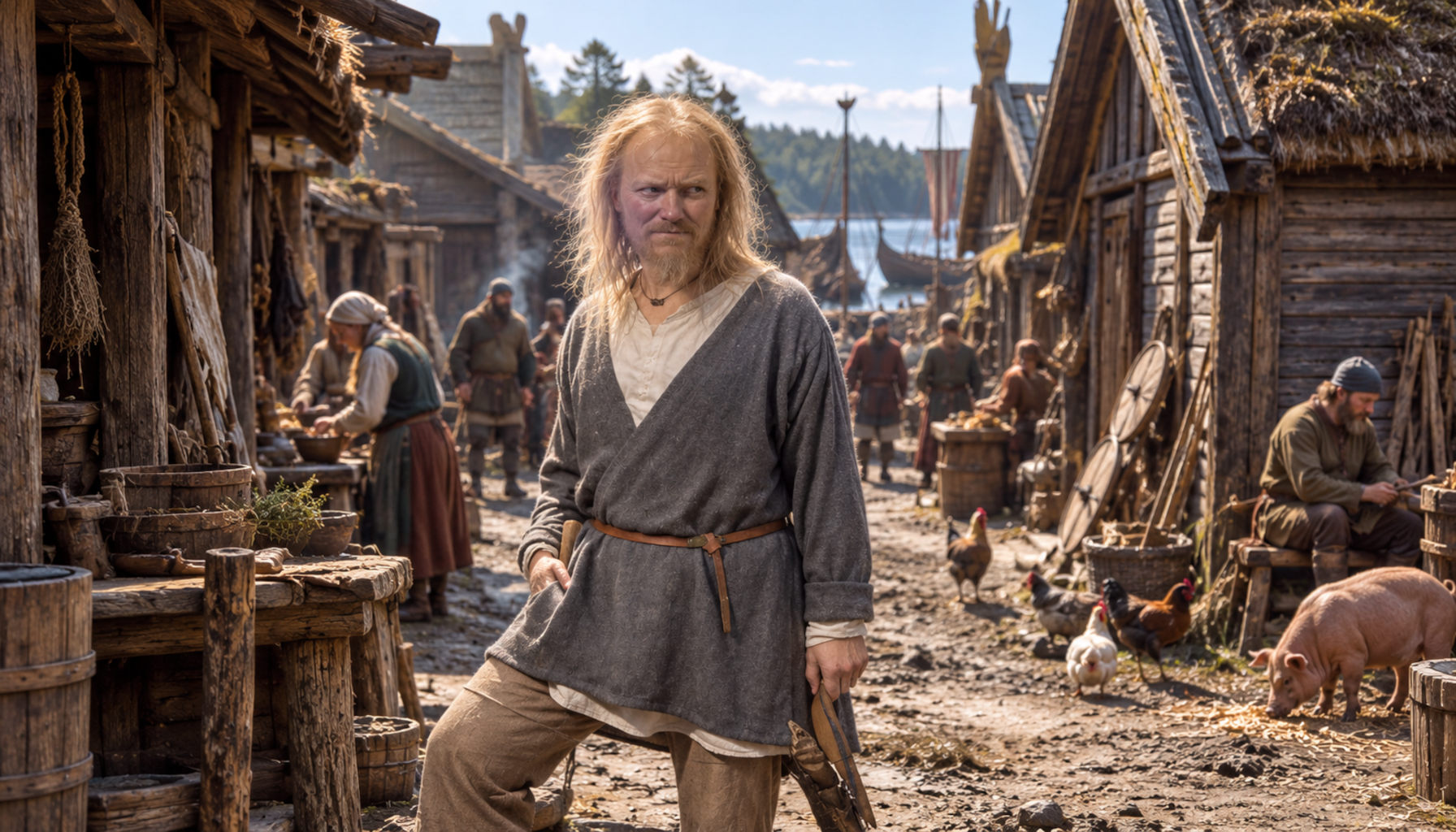
From an ancient-DNA point of view, the Denison family's tagged haplogroup R1b1a1b1a1a1c1a connects them not to one single dynasty in a neat storybook line, but to a broad and rather lively historical network across Europe. Related or linked samples under this branch include elite Lombard burials from Collegno in northern Italy such as COL_069, COL_069b, and COL_069x; Ferenc Bathory's Hungarian knightly sample PER03-1; the Bronze Age Unetice sample LEU007 from Thuringia in Germany; and an Early Modern England burial from Trinity Church, ATP_PSN_412. The same wider paternal signal also appears in Imperial Roman Viminacium in Serbia, Viking Age Sigtuna in Sweden, Saxon and early Anglo-Saxon burials from West Heslerton, Buckland Dover, and Oakington in England, medieval Sint-Truiden in Belgium, Roman-period and Migration-period Germanic contexts in Croatia and Germany, Batavi and Belgic Iron Age individuals in the Low Countries and France, and even Bell Beaker, Corded Ware, and Battle Axe linked prehistoric settings. None of this proves direct descent from any named ancient person, of course; what it does show is that the Denison haplogroup belongs to an old and well-travelled paternal landscape that moved through Bronze Age Europe, Iron Age tribal societies, Roman frontier worlds, Anglo-Saxon England, Viking networks, and medieval noble and military milieus before appearing in later British landed families.
Explore the Princely House of Bathory
If the Denison story speaks to you, it is because families like this sit at the meeting point of paper records and deep ancestry: part estate history, part parliamentary Britain, part much older European population story. Upload your DNA to MyTrueAncestry and see whether you match the Denison family, or related ancient DNA samples linked to haplogroup R1b1a1b1a1a1c1a across Britain and the wider Continent.
Comments