The Cruwys Family
– 2 min read


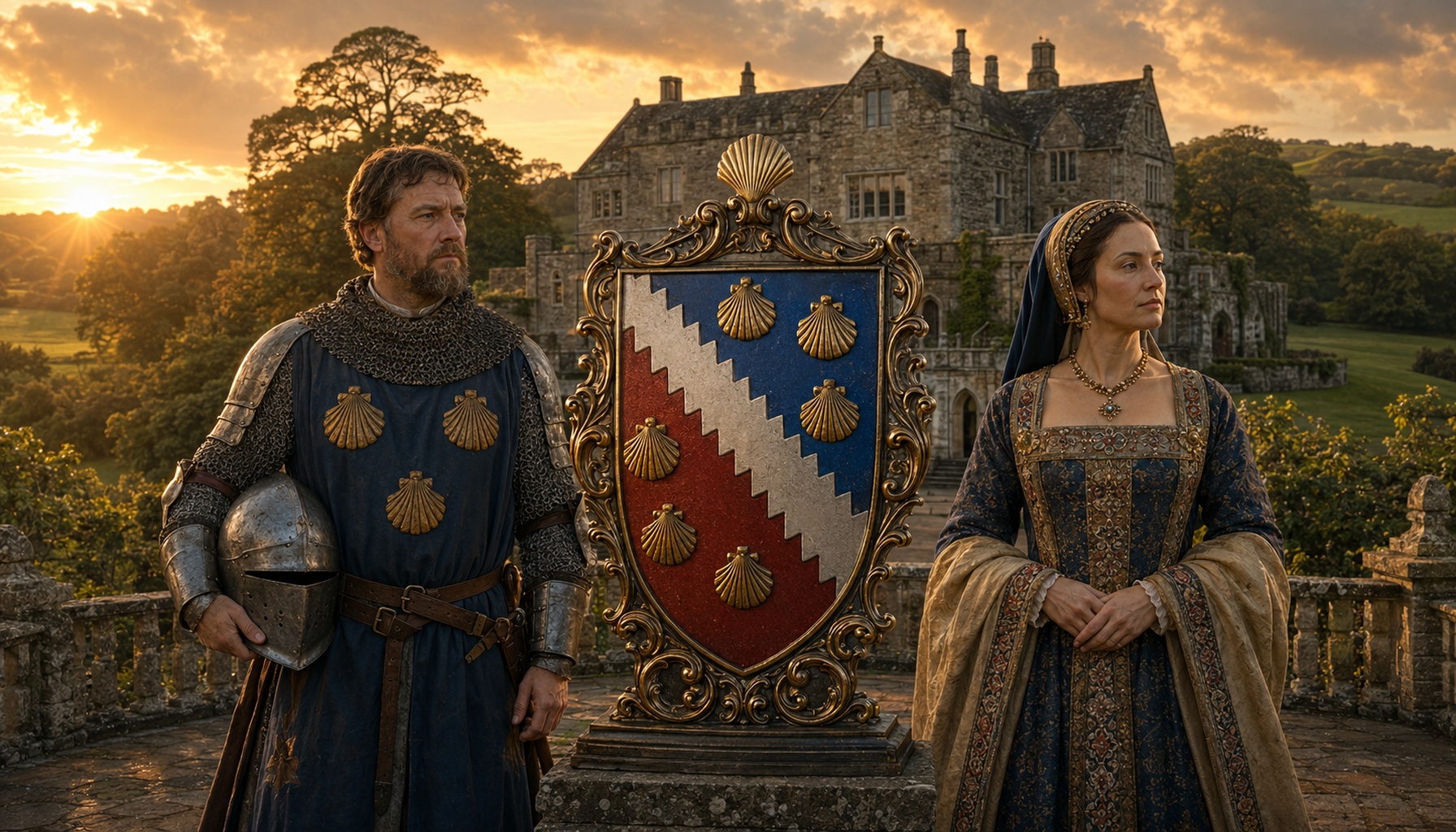
The Cruwys family was one of those old Devon gentry lineages whose identity was inseparable from the land itself. They came from the parish and manor of Cruwys Morchard in southwest England, and for centuries their name signaled not just a family, but a place, an estate, and a local history rooted deep in medieval Devon. In haplogroup terms, the primary lineage associated here is R1b1a1b1a1a1c2b2a1b1a1a2b2a, a branch within the broad and far-travelled R1b family so often found across western Europe.
What makes the Cruwys family so interesting is not some single flash of royal drama, but something quieter and in its own way more impressive: continuity. Generation after generation, they belonged to the world of county society, where status rested on landholding, marriage alliances, heraldry, church patronage, and local office. Families like this stitched together the social fabric of England. The Cruwys story is the story of Devon seen from the manor house, the parish church, and the memorial stone. Named figures such as Sir Robert Cruwys in 1346 and Sir Thomas Cruwys in 1461 help anchor the pedigree in the later medieval world, when local influence, military obligation, and family memory all mattered intensely.
Read more about the House of Courtenay
The family took its surname from Cruwys Morchard, historically also seen in older forms that reflect the shifting spellings of medieval records. This is classic English surname formation: a family becomes identified by the manor it holds, and over time the name of the place and the name of the lineage become almost impossible to separate. Cruwys Morchard lies in Mid Devon, not far from Tiverton, in a landscape of rolling farmland, lanes, hedgebanks, streams, and parish boundaries that still preserve much of the texture of older rural England. The parish church of St Mary is especially important to the family story, because churches were where gentry proclaimed themselves most durably through monuments, brasses, heraldry, burial, and patronage. The village and parish can still be visited today, and for anyone interested in family history it is exactly the sort of place where the landscape still helps explain the archive. You can stand where the name was rooted, and that matters.
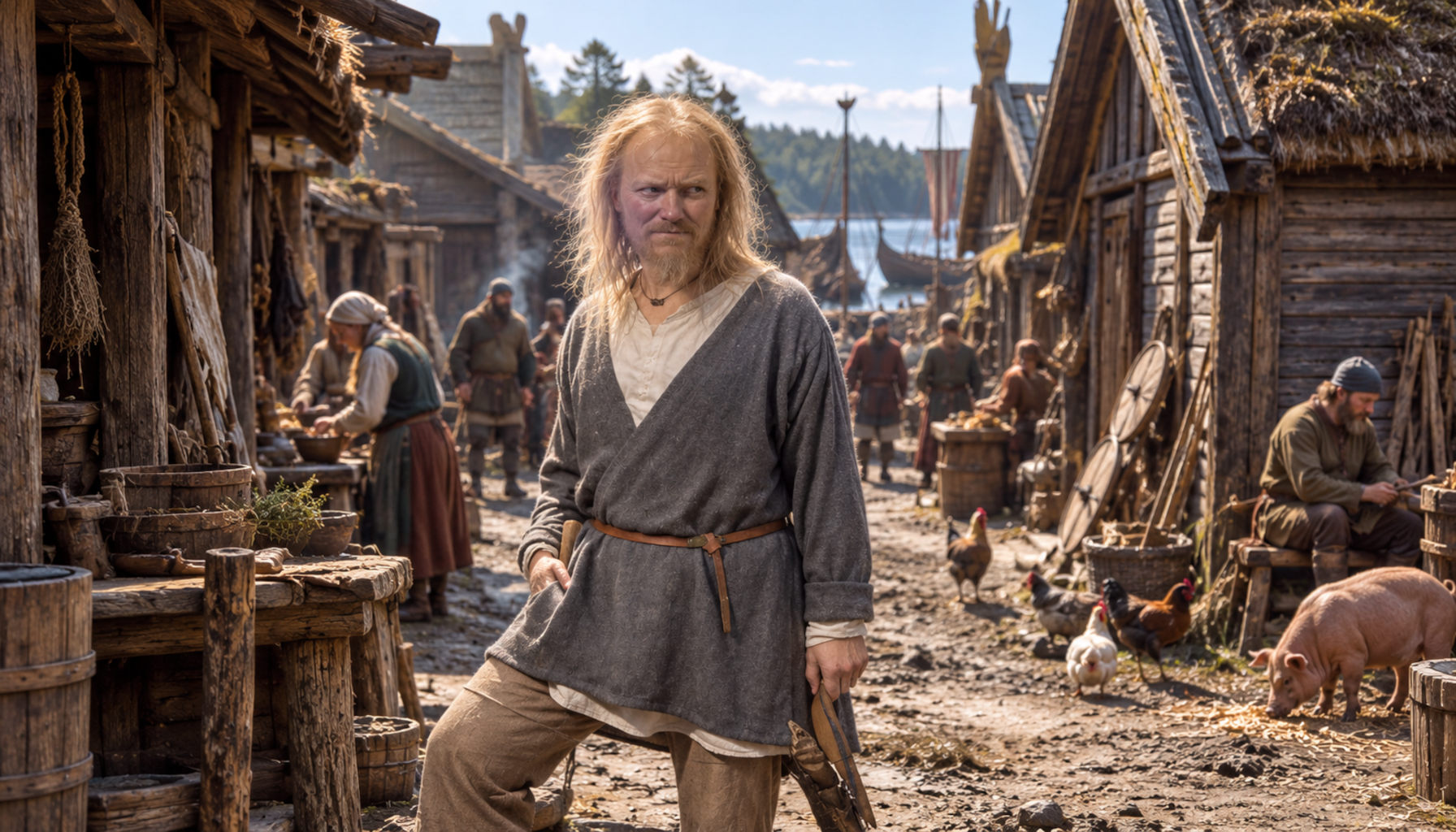
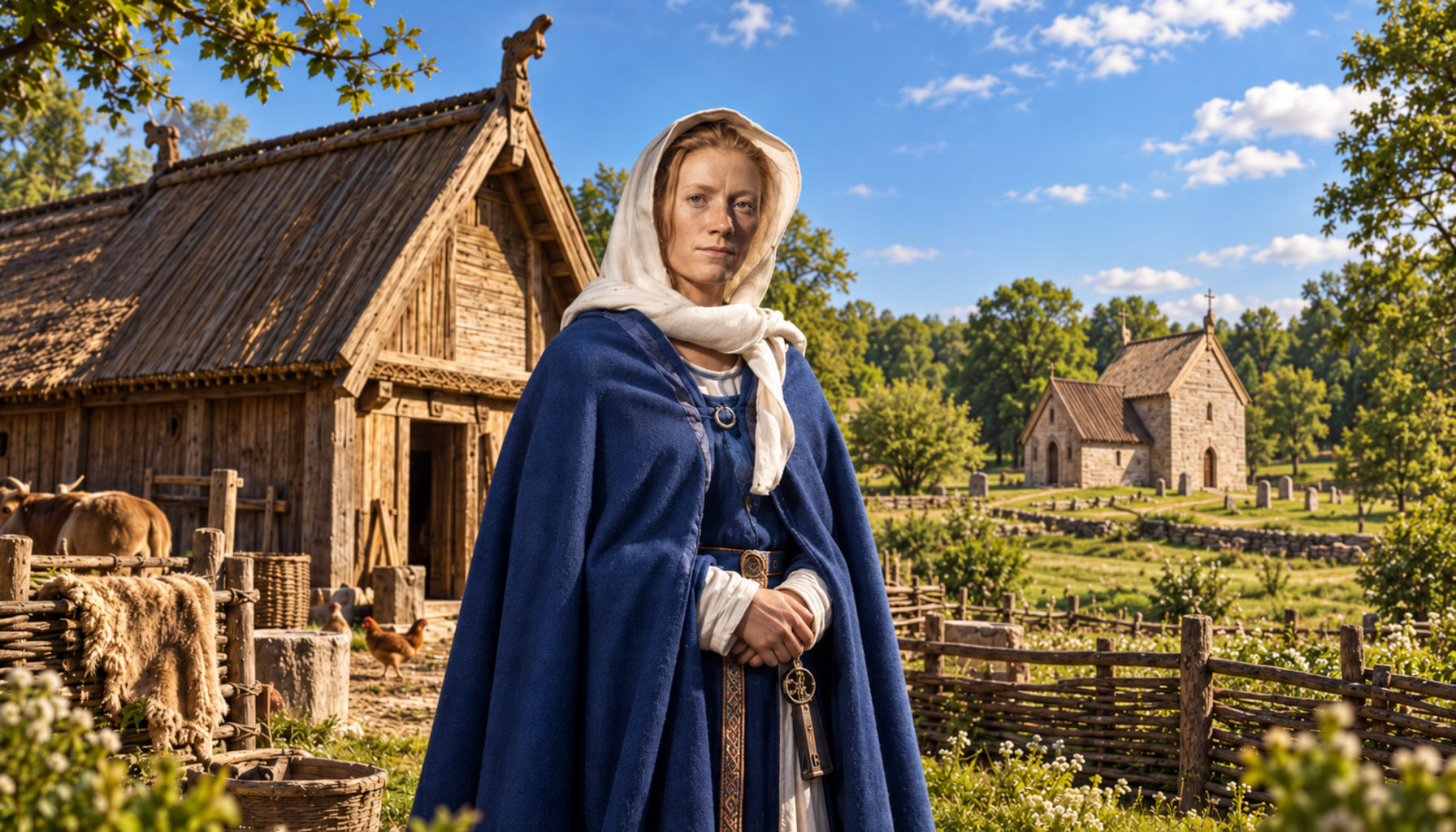
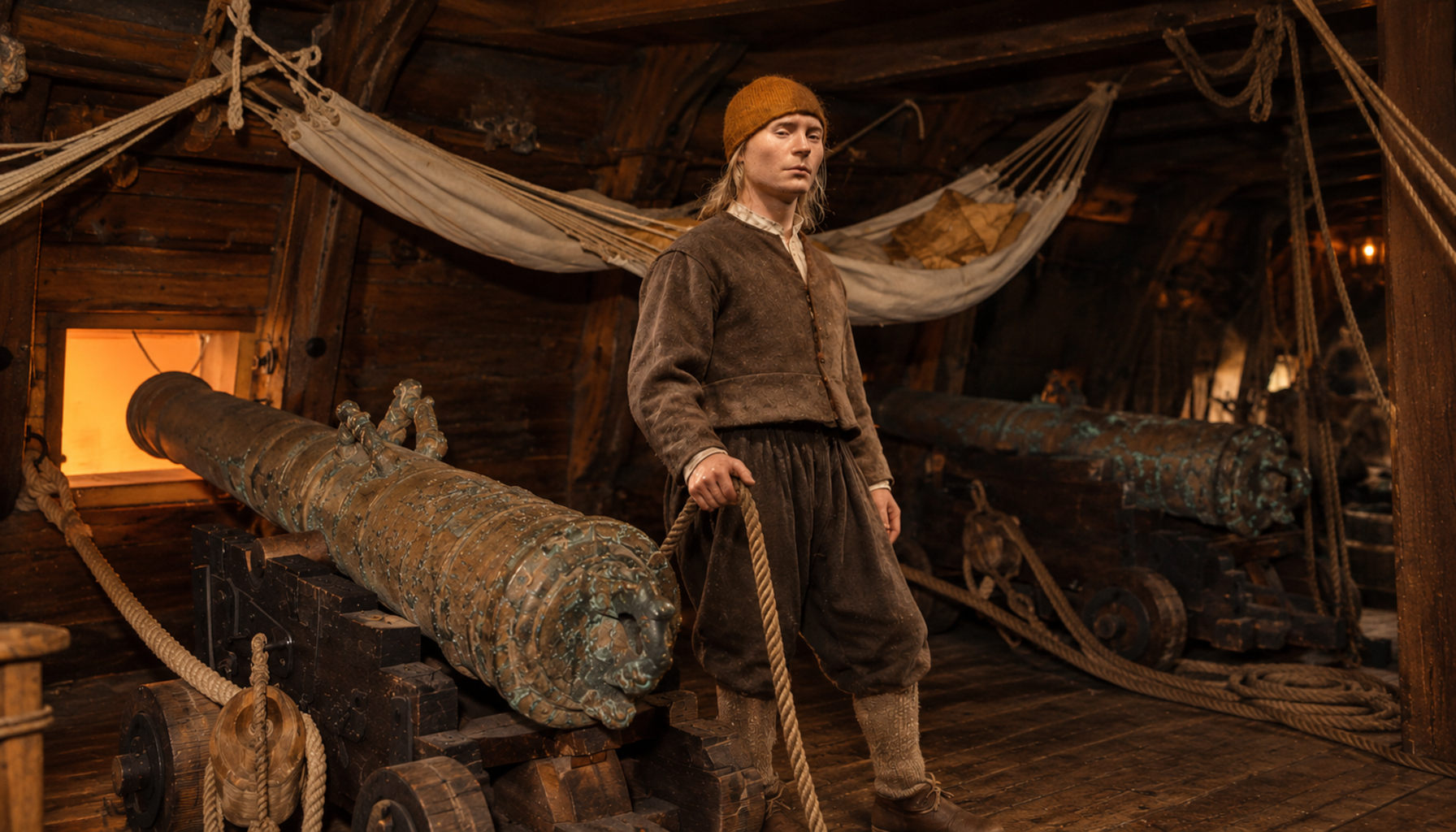
From a DNA perspective, the Cruwys family's primary haplogroup tag, R1b1a1b1a1a1c2b2a1b1a1a2b2a, links into a wider northwestern European and North Sea world visible in ancient DNA databases. Related or linked samples assigned to this branch include individuals from the Thuringii context at Deersheim in Saxony-Anhalt, Germany, sample DRH010; Viking Age Sjaelland at Kyndby in Denmark, sample CGG107519; Viking Age Trelleborg in the Kingdom of Denmark, sample CGG106832; Carolingian Drantum in Lower Saxony, Germany, sample DRU012; and post-Viking Age Hedeby at Rathausmarkt in Southern Jutland, sample SWG013. These are not evidence of direct descent from any one excavated person, and they should not be treated as such. But they do show that this paternal branch appears across the early medieval landscapes of Germany and Denmark, regions deeply entangled with the making of medieval England through migration, trade, warfare, and settlement.
If you have Cruwys ancestry, Devon roots, or simply an interest in how family history and archaeogenetics meet, this is the kind of lineage worth exploring from both ends, document and DNA. Upload your DNA to MyTrueAncestry to see whether you match the Cruwys family profile or related ancient DNA samples from the wider medieval North Sea world.
Comments