House of Bourbon-Parma
– 3 min read


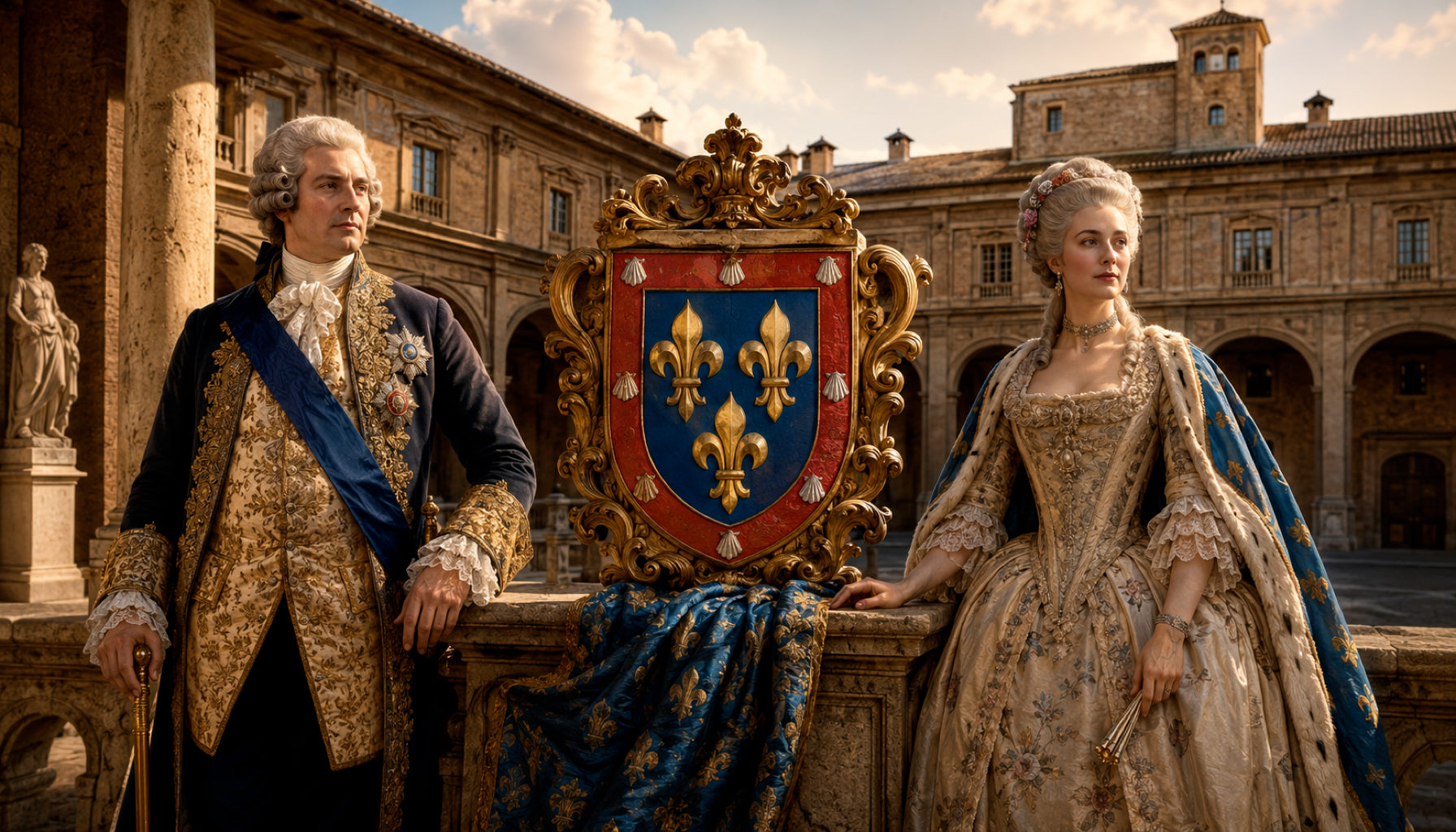
The House of Bourbon-Parma was a cadet branch of the wider Bourbon dynasty, one of the great ruling families of Catholic Europe, and is most closely linked with the Duchy of Parma in northern Italy. In genetic tagging terms, the primary family haplogroup associated here is R1b1a1b1a1a1c1a1, a lineage found across a wide sweep of European history. The Bourbon-Parma story is not simply one of a local Italian court. It is a dynastic tale that stretches from Parma to Madrid, from France to Spain, and onward into Luxembourg, Austria, and other royal networks where marriages were treaties, inheritances were political weapons, and titles could outlast thrones.
The family emerged from the Bourbon world in the 18th century, when the Italian duchies became part of the larger contest among Europe's crowned houses. Parma itself sat in a richly layered historic landscape, a small but important state in the Po Valley, long coveted because Italy was never merely Italy in dynastic politics, but a mosaic of courts, claims, and foreign interests. Members of the House of Bourbon-Parma experienced rule, displacement, restoration, and the strange endurance of princely identity even when power was stripped away. Charles, Duke of Parma (1716-1788), stands among the key early figures, a reminder that this was a family whose importance lay not only in Parma itself but in the much larger Bourbon game of succession and sovereignty across Europe.
Read more about the Spanish House of Bourbon
A fitting location anchor for the House of Bourbon-Parma is the Royal Palace of Madrid, because the family's history cannot be separated from the Spanish Bourbon sphere. The palace, built on the site of the old Alcazar after its destruction by fire in 1734, became the great ceremonial seat of Bourbon monarchy in Spain. According to Patrimonio Nacional, it is the largest royal palace in western Europe by floor area and is still used for state ceremonies, while also being open to visitors. Inside are grand state rooms, the royal armoury, paintings, tapestries, clocks, and all the splendid theatre of monarchy on display. For a family like Bourbon-Parma, whose fortunes were tied to Bourbon strategy and marriage alliances, Madrid was not merely a city on the map but one of the capitals of dynastic Europe, where rank, ritual, and political kinship were performed on a monumental stage. And yes, it can still be visited today.
Explore the Royal House of Savoy
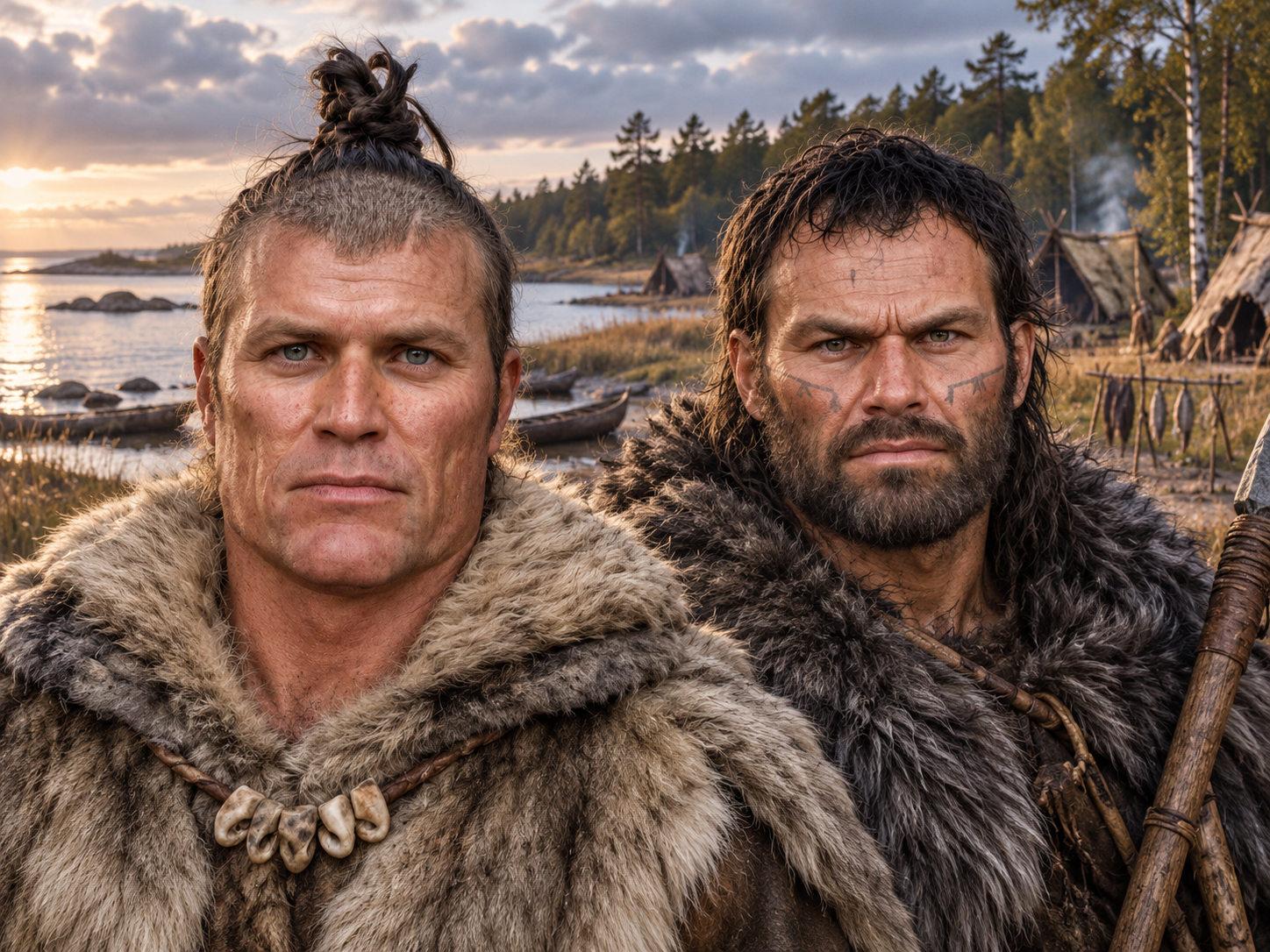
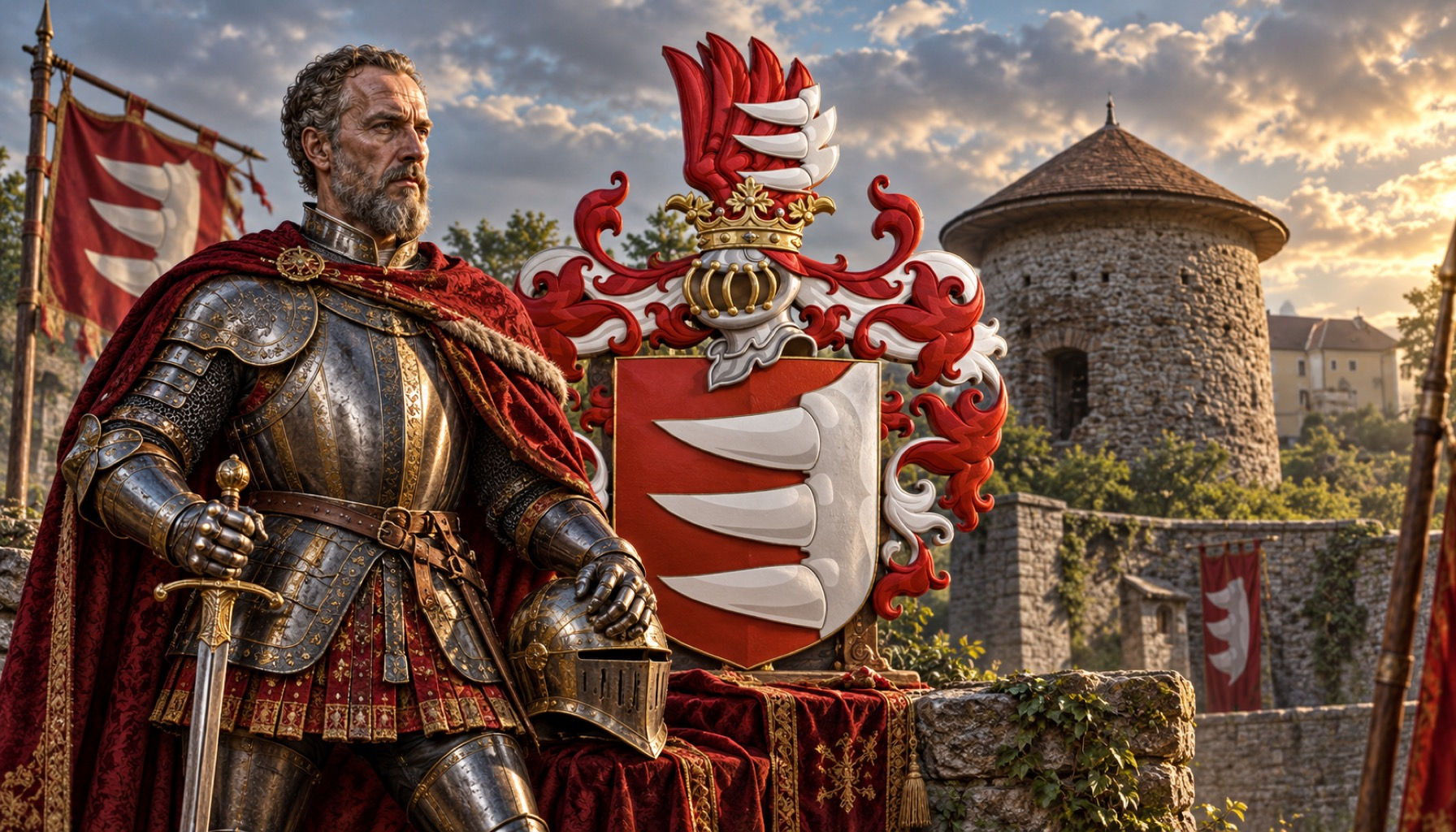
From an ancient-DNA perspective, the haplogroup tag R1b1a1b1a1a1c1a1 links the Bourbon-Parma story to a broad and fascinating set of related samples across Europe, though not as direct ancestors unless specifically proven. These include elite and warrior burials such as Lombard Warrior Elite Collegno Northern Italy samples COL_069, COL_069b, and COL_069x, the Hungarian knightly samples Elek Bathory PER01 and Ferenc Bathory PER03-1, the medieval Piast-linked sample PCA0193 from Lad in Poland, and medieval individuals from Belgium, Denmark, England, Germany, Italy, the Netherlands, Austria, Bohemia, and Iron Age France. Among them are Belgic Suessiones samples from Bucy-le-Long, Batavi samples from Valkenburg Marktveld, Anglo-Saxon cemetery burials from West Heslerton and Buckland Dover, a Norman-era sample from Lincoln Castle, and even deeper-time links such as Bell Beaker De Tuithoorn North Holland I4070 and Late Bronze Age Teplice I13788. What this gives us is not a neat fairy tale of one family marching unchanged through time, but a much more interesting picture: a paternal lineage found among warriors, nobles, townspeople, and regional elites across the very landscapes that later fed the dynastic world of medieval and early modern Europe.
Explore the Princely House of Bathory
If the House of Bourbon-Parma catches your imagination, that is because it sits at the crossroads of genealogy, monarchy, and the long afterlife of European dynastic identity. Upload your DNA to MyTrueAncestry to see whether you match the House of Bourbon-Parma or any of the related ancient DNA samples linked with haplogroup R1b1a1b1a1a1c1a1, and explore how your own story may connect to the deeper human past.

Comments