Haplogroup R1b1a1b1a1a3

– 5 min read


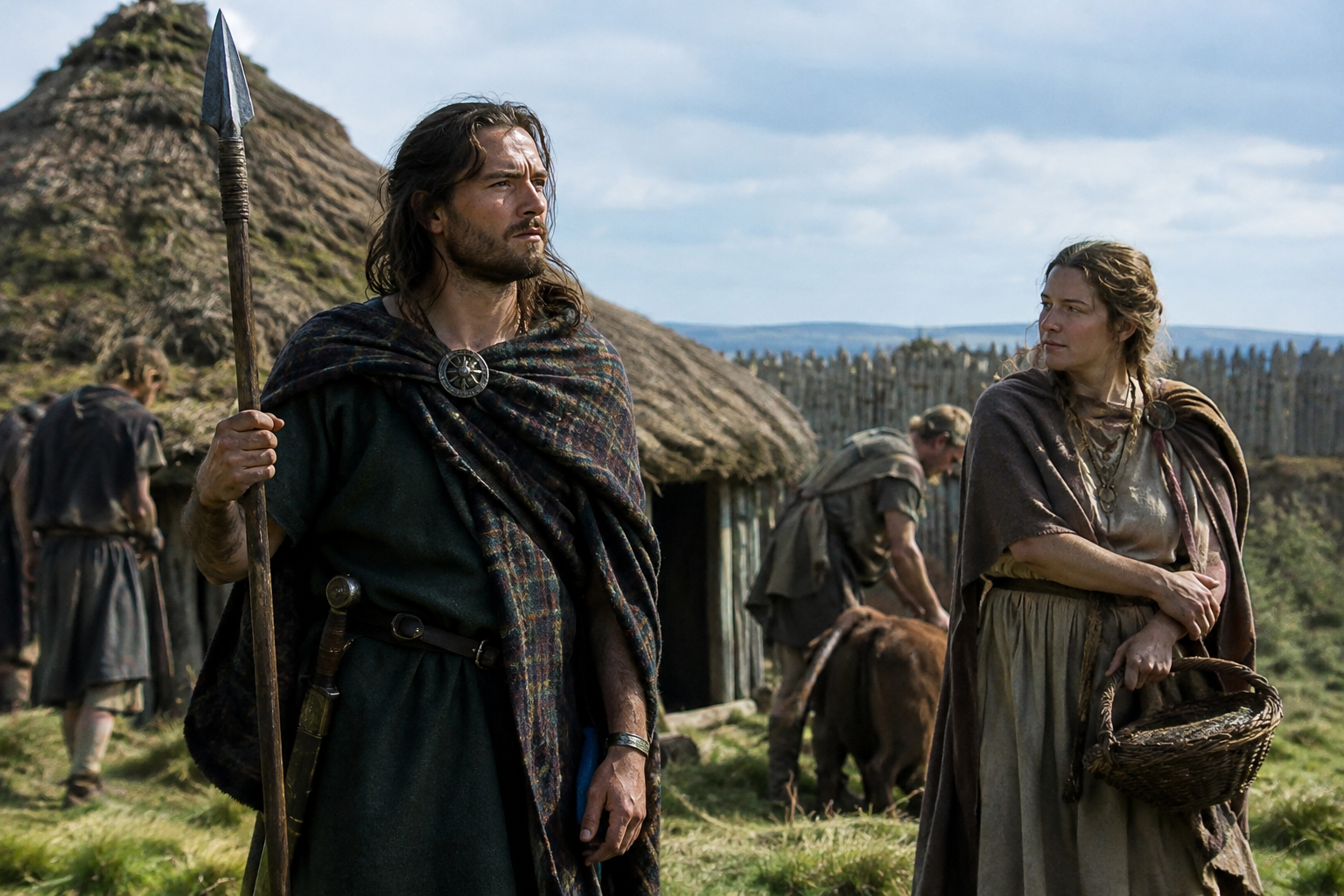
At Pocklington in East Yorkshire, an Iron Age burial ground has been quietly reshaping how we picture late pre-Roman Britain. One of the men from this landscape, sample I21617, dated to around 225 BC and identified as a Celtic Parisi individual, is associated here with the Y-DNA haplogroup R1b1a1b1a1a3. That matters because it places a very specific paternal line inside a real, excavated Iron Age community rather than in the abstract world of maps and modern surname projects.
The important thing to say at once is that Y-DNA follows only one line of descent: father to son to son, across generations. It is not the whole of a person's ancestry, nor does it automatically define language, status, or identity. But when a branch like R1b1a1b1a1a3 turns up in an archaeological setting as distinctive as Iron Age East Yorkshire, it gives us a sharply focused glimpse into one strand of male ancestry moving through a society that is otherwise known from burials, material culture, and classical labels.
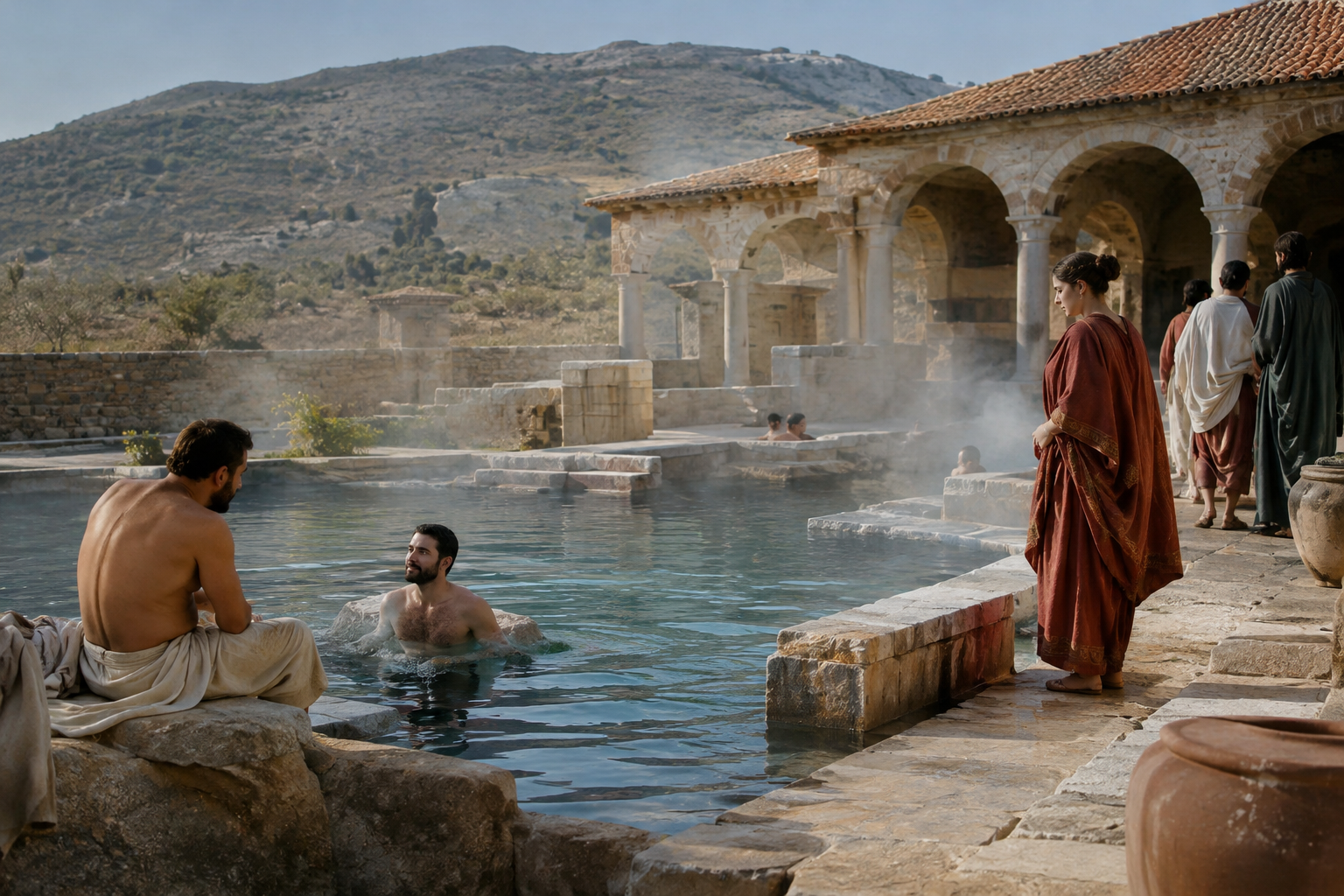
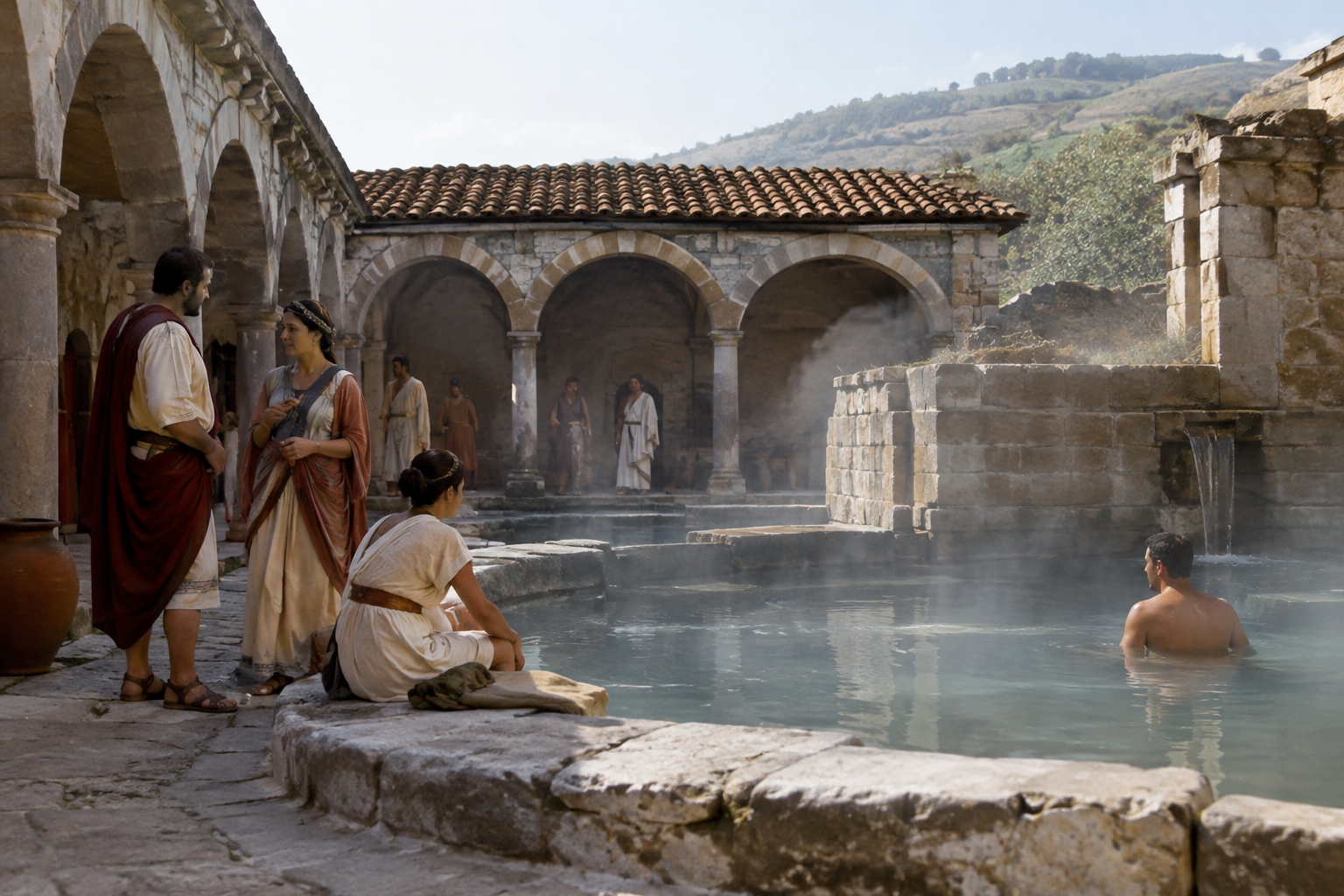
Pocklington has become one of the most discussed Iron Age landscapes in Britain because it sits within the Arras culture zone of East Yorkshire, a region long associated with the people later called the Parisi. Archaeology here has shown communities using burial customs that stand out in Britain, including square barrows and, at some sites in the wider region, chariot burials. Those practices have made East Yorkshire feel at once local and connected, rooted in Britain yet participating in a wider Iron Age world.
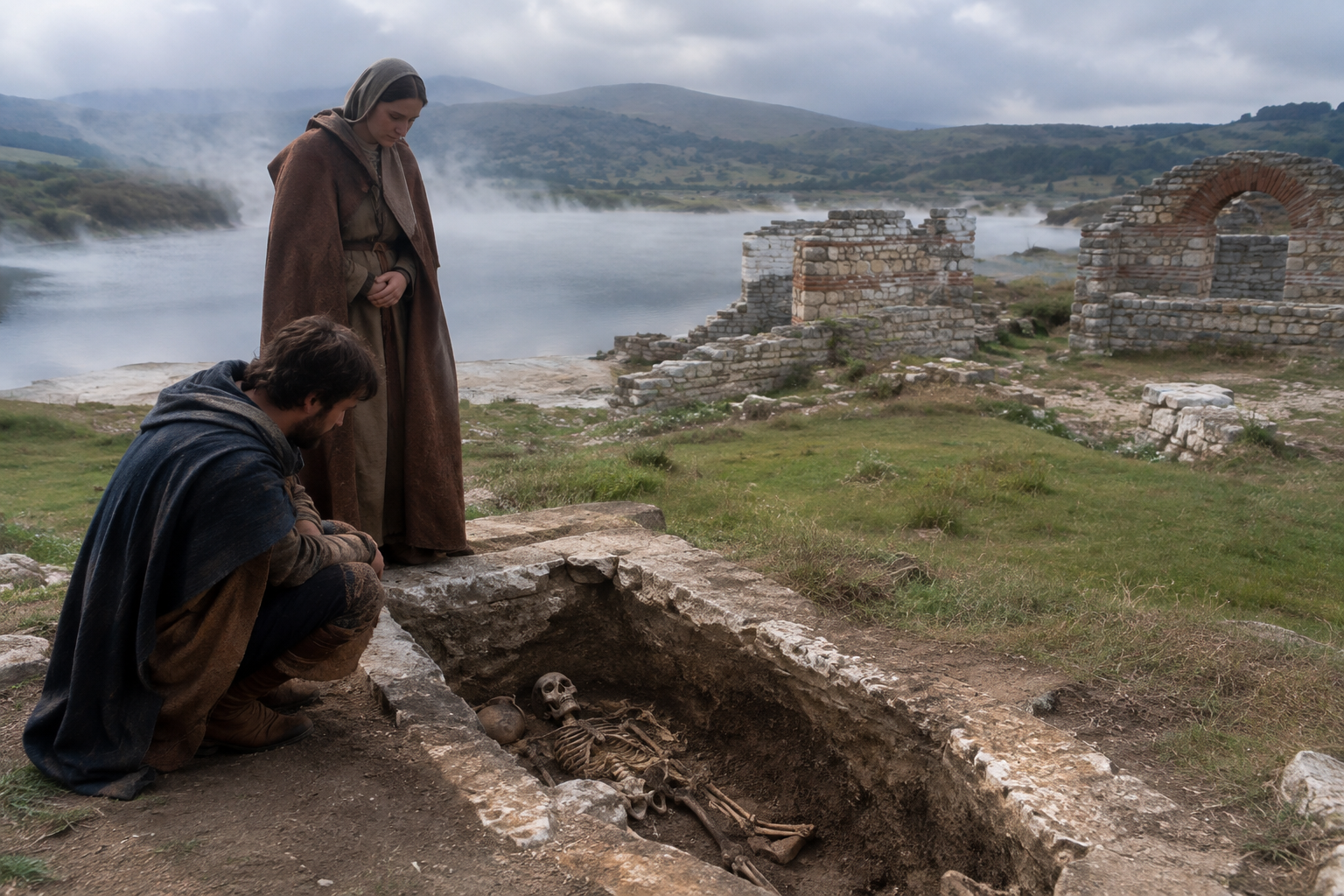
Within that setting, I21617 is valuable precisely because he is not a legendary king or a name in a Roman text. He is an excavated person from a dated context in Iron Age England. The association of this individual with R1b1a1b1a1a3 suggests that this paternal branch, or a lineage very close to it, was present among men living in East Yorkshire before the Roman conquest.
That does not mean all Parisi men belonged to the same lineage, nor that one grave can stand for an entire tribe. What it does mean is more solid, and more interesting: this branch belongs inside the lived population history of Iron Age Britain, not merely among later descendants.
The haplogroup label is formidable-looking, but its significance lies in scale. R1b is an enormous paternal macro-lineage found widely across western Eurasia and especially common in parts of western Europe today. R1b1a1b1a1a3, by contrast, is a much narrower twig on that much larger tree.
That distinction matters because broad statements about the history of R1b cannot simply be pasted onto this finer branch. The parent lineage has deep and complicated prehistoric roots tied to major population changes in later prehistory, but this article's evidence is much more specific. Here, the secure point is that a man connected with this narrower paternal branch appears in Iron Age East Yorkshire, within a culturally distinctive British community around the third century BC.
In other words, this is not a story about one Y-chromosome "explaining" the Celts. It is a story about how one paternal line appears inside a Celtic-period archaeological world, and how ancient DNA lets us pin that line to an actual place and time.
East Yorkshire can look, at first glance, like a provincial corner of Britain. In fact it is one of the best places to test large historical questions. The burials there have long prompted debate about continental links, local development, and how communities expressed identity before Rome entered the scene in force.
The Parisi are especially slippery as a historical label. Ancient writers mention a people of that name, and archaeologists have often discussed whether the British Parisi had close ties with groups across the Channel or whether the name hides a more local story. DNA does not solve that argument by itself, but it does add another kind of evidence: it shows us the biological variety within these communities and helps stop us imagining them as neat, single-origin ethnic blocks.
That is where a sample like I21617 earns its keep. Instead of talking vaguely about "Celtic peoples," we can point to one excavated Iron Age man in East Yorkshire and say that this paternal branch was present there before Rome. A recent ancient DNA study of Iron Age and later British populations is part of the growing effort to put such local discoveries into a broader genomic framework.
There is another point worth dwelling on, because archaeology has a habit of being flattened into slogan. A burial ground is not a census, and one paternal lineage is not a people. Iron Age cemeteries preserve only those who were buried in particular ways, in particular places, and whose remains survived well enough for analysis.
That makes Pocklington both precious and limited. Precious, because it gives us a rare, datable anchor for a paternal line in pre-Roman Britain. Limited, because we should not turn that into a claim that R1b1a1b1a1a3 was the dominant lineage of East Yorkshire, still less of all Britain.
But the limitation is not a disappointment. It is exactly how good archaeology works. One grave, carefully understood, is better than a grand theory built from wishful thinking. With I21617, the gain is precision: an Iron Age man, in a known region, in a known cultural setting, carrying a paternal line associated with R1b1a1b1a1a3.
Most western European R1b discussions eventually drift backward into the Bronze Age, and for good reason: many R1b branches expanded dramatically during that era. Yet the Pocklington evidence reminds us that the later history of those lineages matters just as much. By 225 BC, whatever prehistoric movements first spread ancestral R1b branches were already ancient history to the people buried in East Yorkshire.
What mattered in their own world was not a haplogroup label but membership in households, communities, and regional traditions. Ancient DNA helps us see that these social worlds were inhabited by men whose paternal ancestry could persist across long stretches of time, even while identities, alliances, and material culture shifted around them.
This is one reason Iron Age Britain is so fascinating genetically. The evidence increasingly suggests continuity in some lines alongside changing cultural connections and political landscapes. If you want the broader background to these transformations, the changing relationship between populations, language, and identity is explored in MyTrueAncestry's discussion of Germanic language spread through ancient genomics, which is useful partly because it shows how careful we must be when linking genes and languages in any period.
If your paternal line falls under R1b1a1b1a1a3, the most responsible takeaway is not that you are "from the Parisi," but that your direct male line belongs to a branch now documented in Iron Age eastern England. That is already a substantial historical foothold. It ties your lineage, at least at one currently visible point, to the world of late prehistoric Britain and to one of its best-known regional burial traditions.
As more ancient DNA is published, this picture may become sharper. For now, I21617 gives R1b1a1b1a1a3 something genuinely valuable: not mythology, not heraldry, but an excavated human context. In archaeology, that is where the real story starts.
Comments