Haplogroup R1b1a1b1a1a2c1a4b6

– 5 min read


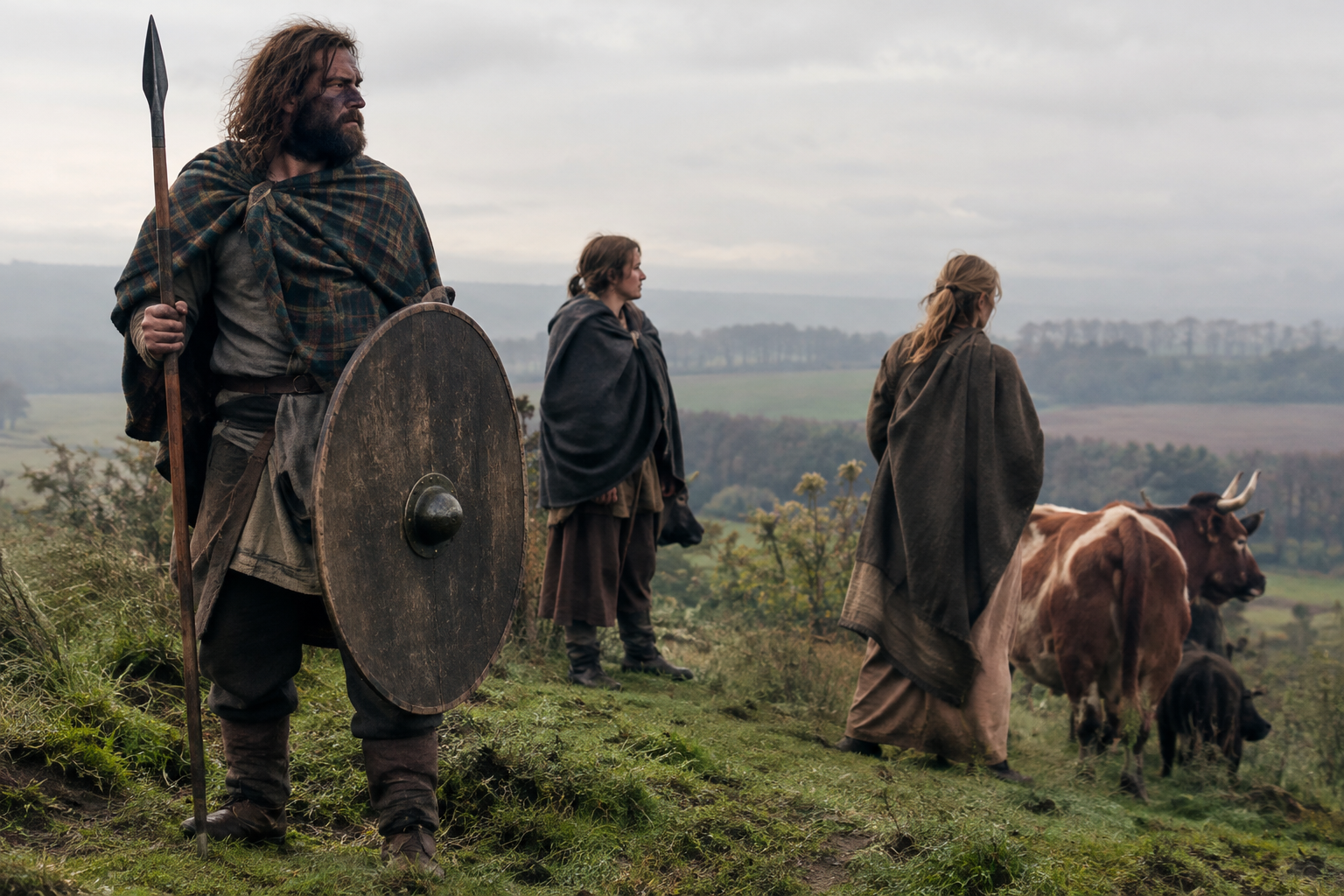
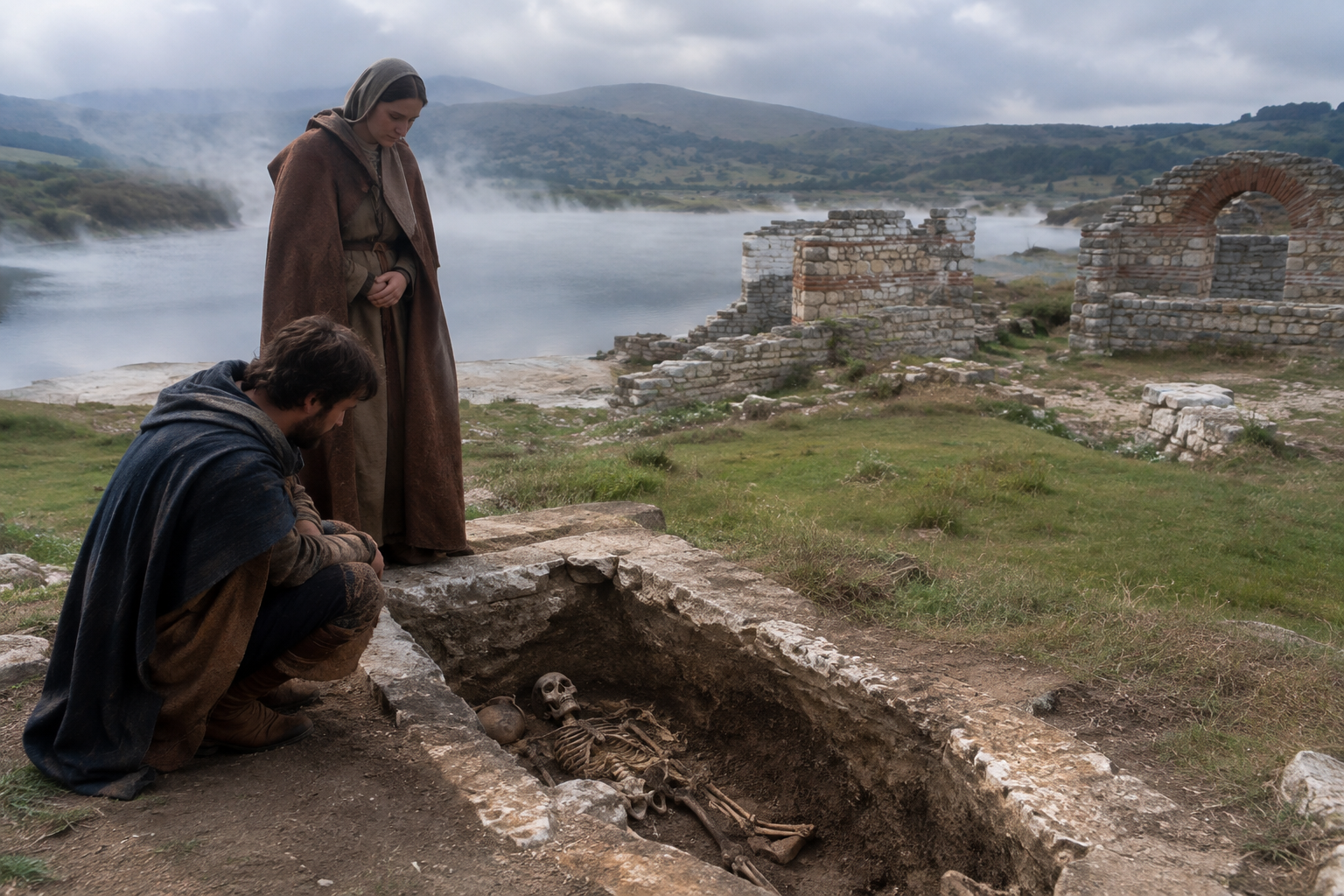
At Wetwang Slack in East Yorkshire, one Iron Age man has become an unexpectedly useful guide to a very narrow paternal line. Sample I37308, dated to around 225 BC and identified with the Celtic Parisi of Iron Age England, is associated here with the Y-DNA haplogroup R1b1a1b1a1a2c1a4b6. That long string of letters and numbers is not a grand label for an entire people. It is one tiny twig on a much larger paternal tree, preserved because ancient DNA can sometimes recover the direct male line from a burial more than two millennia old.
What makes this particular case interesting is not that one East Yorkshire burial can stand in for all Iron Age Britain; plainly it cannot. It is that a specific sub-branch of a wider R1b lineage appears in a region long famous to archaeologists for its distinct burial traditions, chariot graves, and continental connections. With I37308, the paternal story becomes more precise, even if the historical interpretation must remain careful.
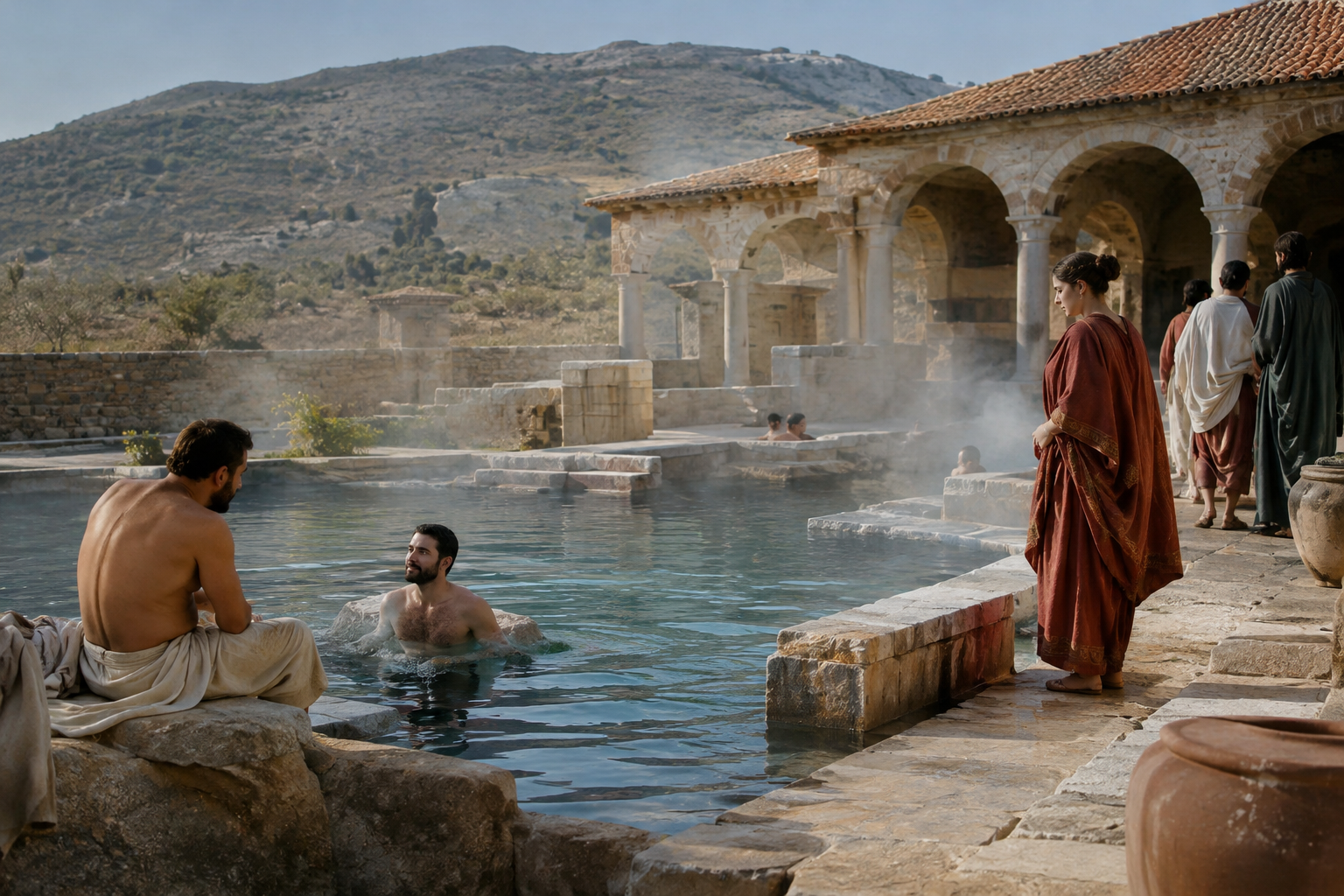
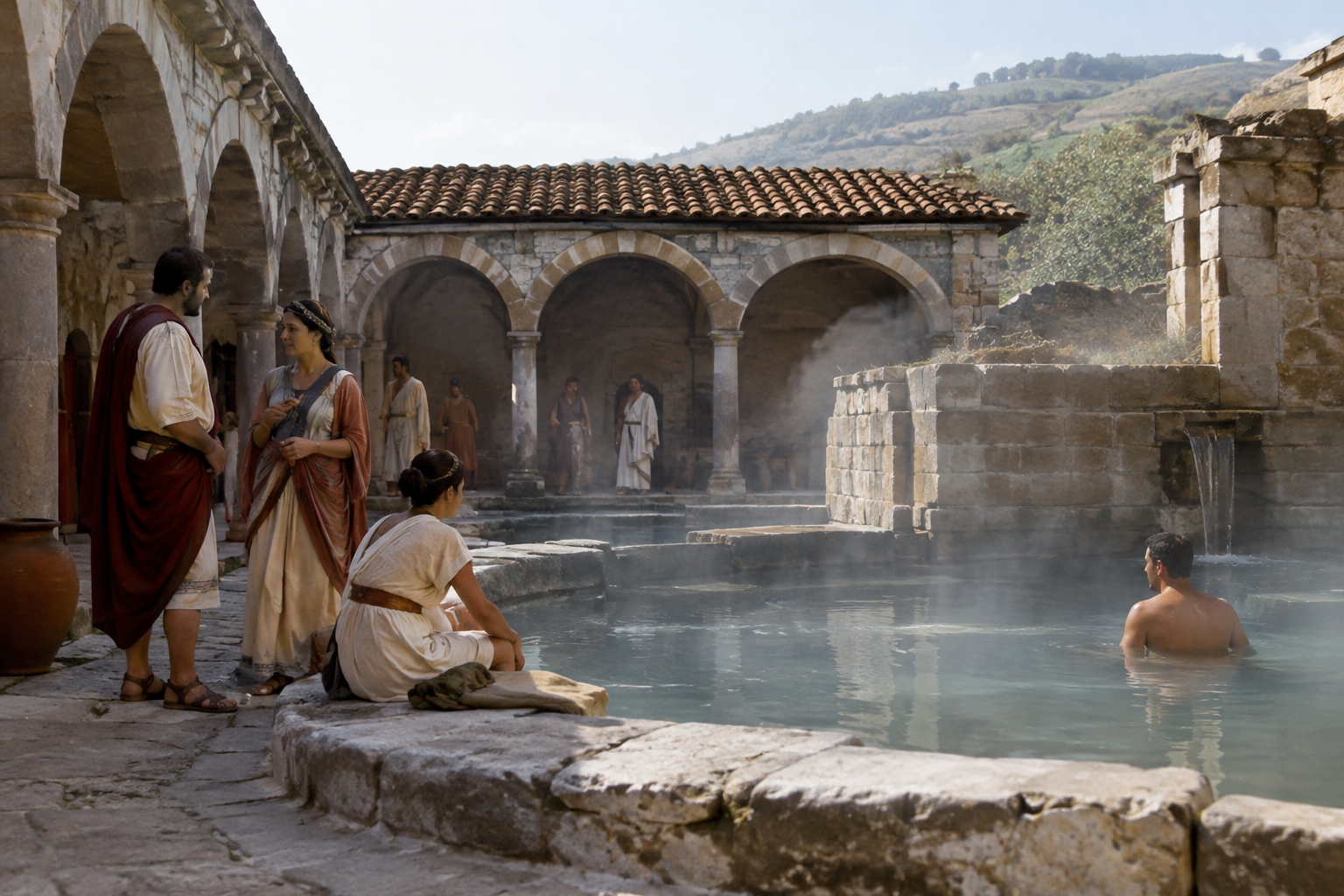
Wetwang Slack is one of the best-known cemeteries of Iron Age Yorkshire, part of a wider archaeological landscape associated with the Arras culture. Classical writers later mention a group called the Parisi in this region, and archaeologists have often discussed East Yorkshire as a place with unusually strong cross-Channel links during the later Iron Age. Sample I37308 sits squarely within that setting: not mythical Celtic mist, but a real burial from a very real local community.
That matters for how we read the haplogroup. R1b1a1b1a1a2c1a4b6 is a highly specific paternal designation, while the broader R1b family is widespread across western Europe and has many different histories within it. So the useful question is not, "What were all R1b men doing in prehistory?" but rather, "What can one securely placed Iron Age Yorkshire male tell us about one branch present in that world?" The answer is modest but valuable: this branch was part of the lived male population of later pre-Roman eastern Britain.
East Yorkshire is not just another dot on the map. The region has long stood out because of its cemeteries and funerary customs, including the famous square barrows and elite burials that have drawn generations of debate about local development, outside contacts, and social ranking. Even when one individual cannot answer all of those questions, a dated male lineage from the area helps anchor the discussion in biology as well as artefacts.
In popular history, there is often a temptation to jump from "continental-looking archaeology" to "therefore these were direct migrants from one exact homeland." Ancient DNA is useful partly because it slows that rush to certainty. A paternal lineage in one burial may reflect recent movement, deeper ancestry shared across regions, or continuity within Britain itself after earlier population shifts. Without a broader cluster of closely comparable males from the same narrow branch, it is better to speak of connection and presence than of dramatic one-way migration.
That caution is especially important with a lineage as fine-grained as R1b1a1b1a1a2c1a4b6. Narrow branches can feel wonderfully exact, but the historical context around them still depends on the surrounding archaeology: cemetery use, regional traditions, and comparison with other Iron Age populations.
The larger family behind this subclade belongs to the dominant western European Y-chromosome world that expanded dramatically in later prehistory. But one of the most common mistakes in public discussion is to pour the whole history of that big parent haplogroup straight into every tiny descendant branch. That is not how good archaeogenetics works.
For this article, the defensible point is narrower. R1b1a1b1a1a2c1a4b6 appears in an Iron Age male from East Yorkshire, and so it belongs, at least in one documented case, to the paternal landscape of later prehistoric Britain. Whether that branch had already been in Britain for many generations, or whether it reflects ties with related populations across the Channel, is a question that needs comparison samples, not guesswork.
A useful wider backdrop comes from recent discussion of how ancient genomics intersects with the spread of Celtic-speaking populations and their regional variation. For readers interested in that bigger frame, MyTrueAncestry has explored the topic in Ancient DNA Reveals Central European Origins and Spread of Celtic Languages, which helps show why language, archaeology, and Y-DNA should never be collapsed into one single category.
There is another historical trap here, and it is an old one. Once a burial is placed in the territory later associated with the Parisi, it becomes very easy to talk as though the individual's DNA has somehow decoded the tribe itself. But tribes in ancient texts are political and cultural labels, not genetic containers. Sample I37308 may belong to a community archaeologists associate with the Parisi of East Yorkshire, yet that does not make his Y chromosome the signature of every Parisi man, still less of every Briton.
This is where ancient DNA is at its best when it is used soberly. It does not give us a cartoon map of pure peoples. It gives us individuals: this man, from this cemetery, in this period, with this paternal line. Accumulated carefully, such individuals can begin to show regional patterns. Used carelessly, they merely decorate old assumptions with new laboratory language.
A broader genetic study of Iron Age and later European populations may eventually sharpen how we place men like I37308 within regional networks; one current research lead linked to this sample is available at https://www.biorxiv.org/content/10.64898/2026.08.03.742615v2. Even so, the key historical value here remains the securely located archaeological context of Wetwang Slack.
Placed against the wider history of Britain, I37308 belongs to a moment before Roman conquest but after centuries of contact, exchange, and social change. East Yorkshire was not isolated. Goods, ideas, burial fashions, and perhaps people moved across the North Sea and the Channel in complicated ways. A paternal lineage found there is therefore part of a connected late prehistoric world, not a sealed ethnic box.
That is one reason the sample has a value beyond genealogy in the narrow sense. For descendants or testers who match close to this branch, the ancient parallel suggests that their direct male line was present in the kind of Iron Age society that flourished in eastern Britain before Rome's arrival. It does not prove descent from this individual, nor does it assign a fixed tribal identity. But it does place the branch within a recognizable archaeological landscape.
For R1b1a1b1a1a2c1a4b6, the strongest present insight is refreshingly concrete. This branch is associated with at least one documented Iron Age male, I37308, buried at Wetwang Slack in East Yorkshire around 225 BC within the archaeological world linked to the Celtic Parisi. That does not turn a haplogroup into a tribe, a kingdom, or a family legend. But it does give the lineage a real foothold in the pre-Roman history of Britain, attached to one of the most distinctive Iron Age regions in the island.
Comments