Haplogroup R1b1a1b1a1a1c2b2a1

– 5 min read


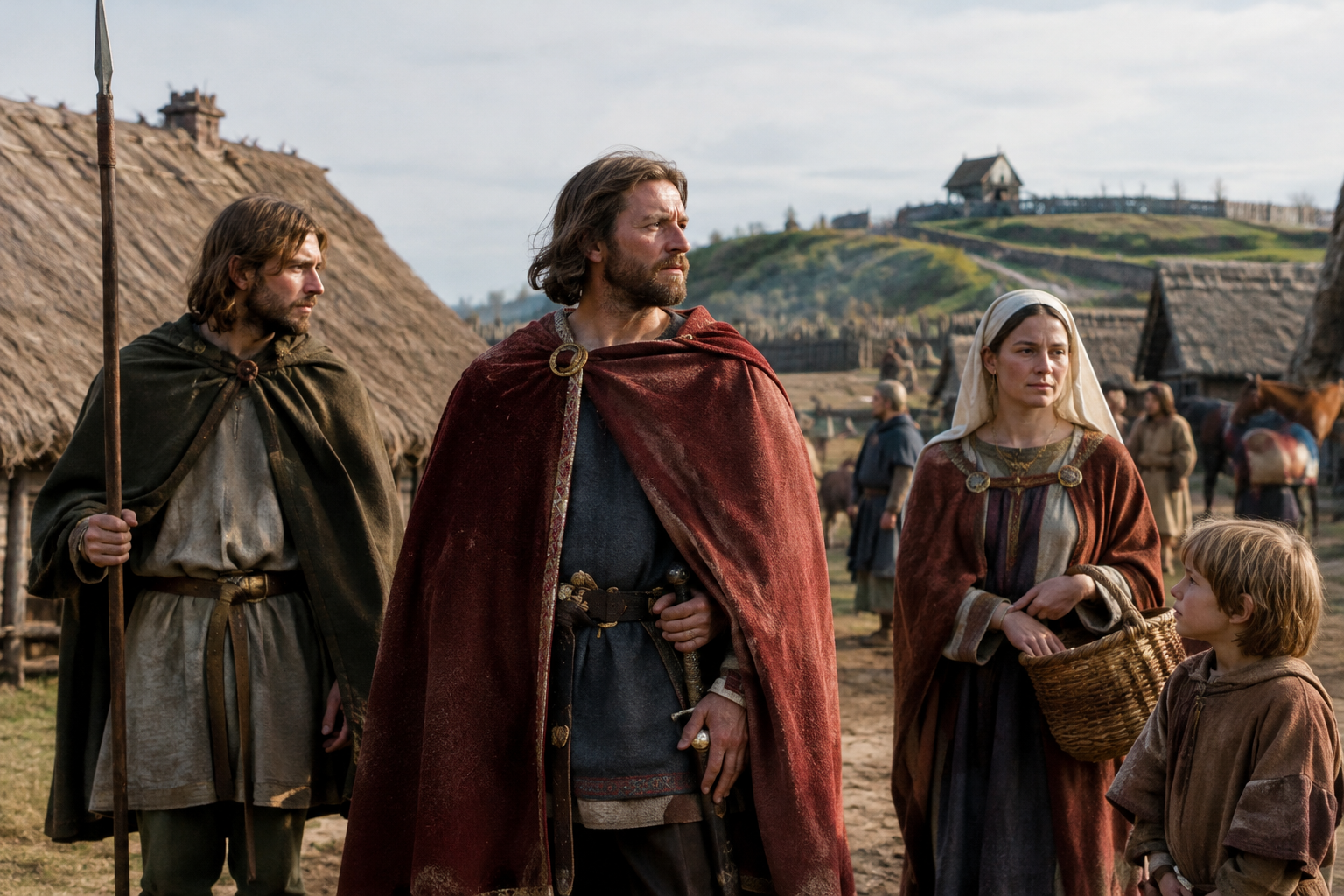
At Moemlingen in Germany, one man from the Merovingian period has become a small but useful guide to a much larger paternal story. The ancient individual known as Mln14, dated to around AD 650, is identified as a Frankish burial from the early medieval world that grew out of the ruins of Roman authority west of the Rhine. In MyTrueAncestry terms, he is associated with the Y-DNA haplogroup R1b1a1b1a1a1c2b2a1.
That formidable string of letters and numbers is a very narrow paternal branch, not a whole people. Y-DNA follows one direct male line only - father to son, and so on - so it cannot stand in for a person's entire ancestry, language, or identity. But when a branch turns up in a securely dated burial like Mln14, it gives us something precious: a real man in a real landscape, living in the unsettled but creative centuries when post-Roman Europe was being remade.
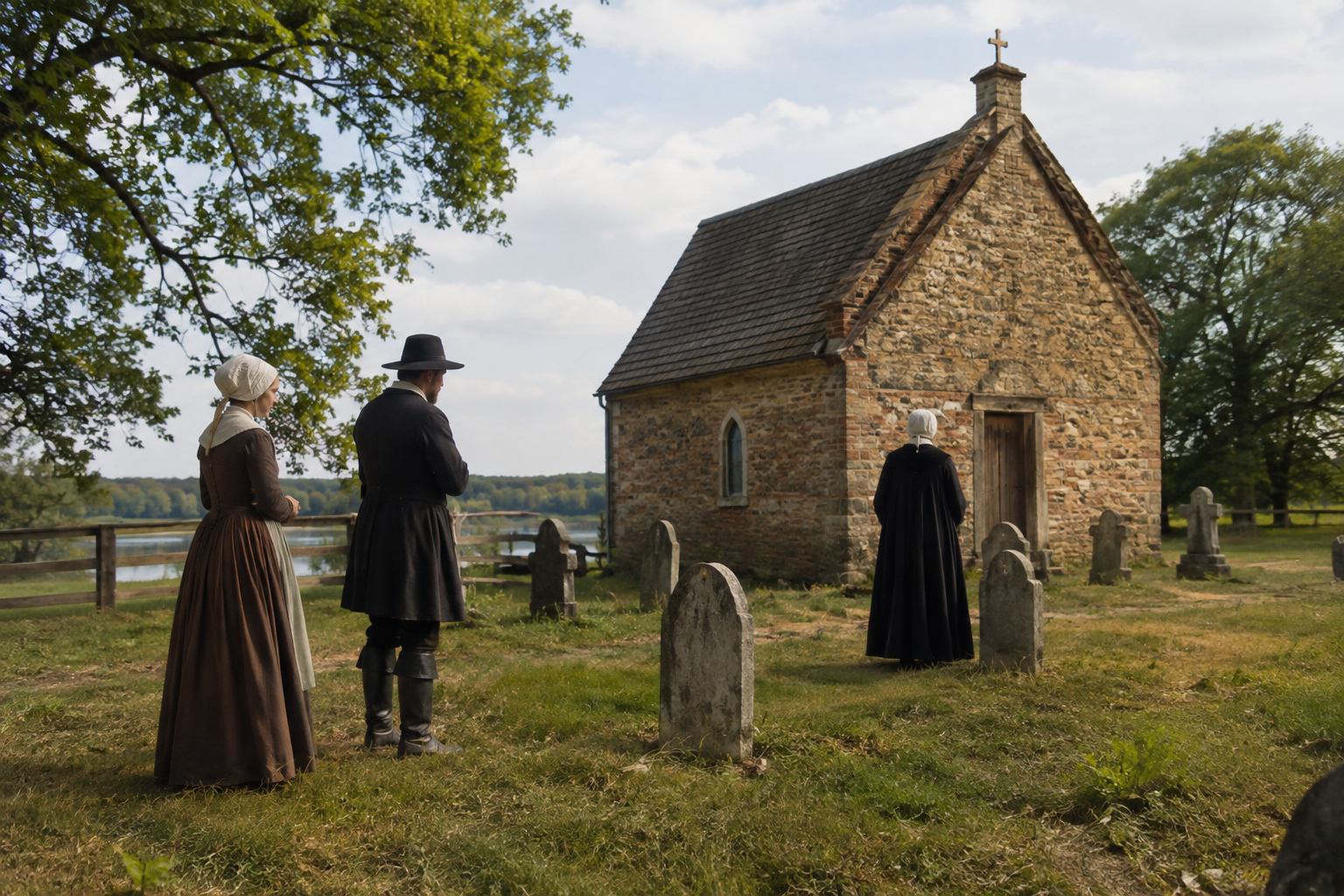
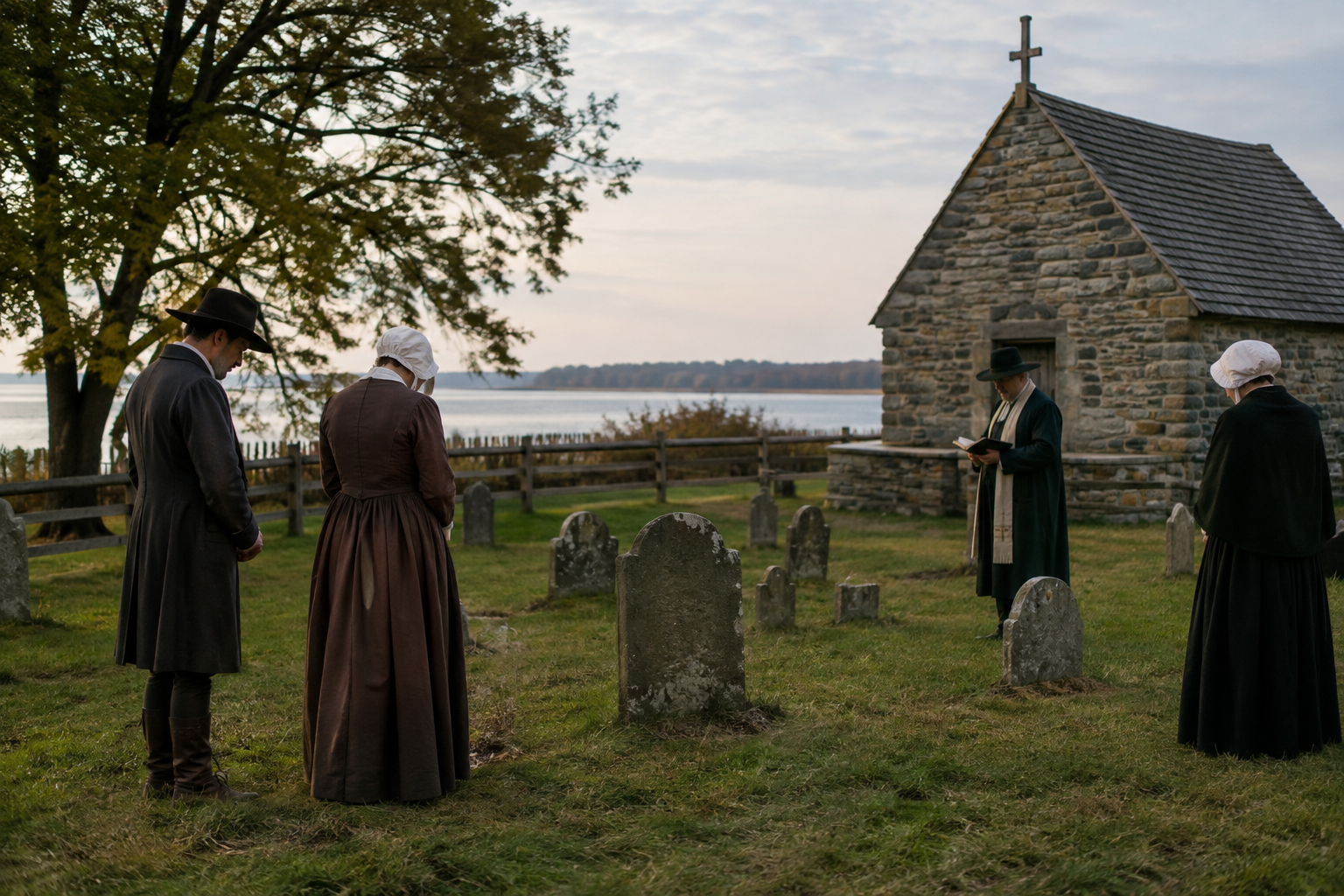
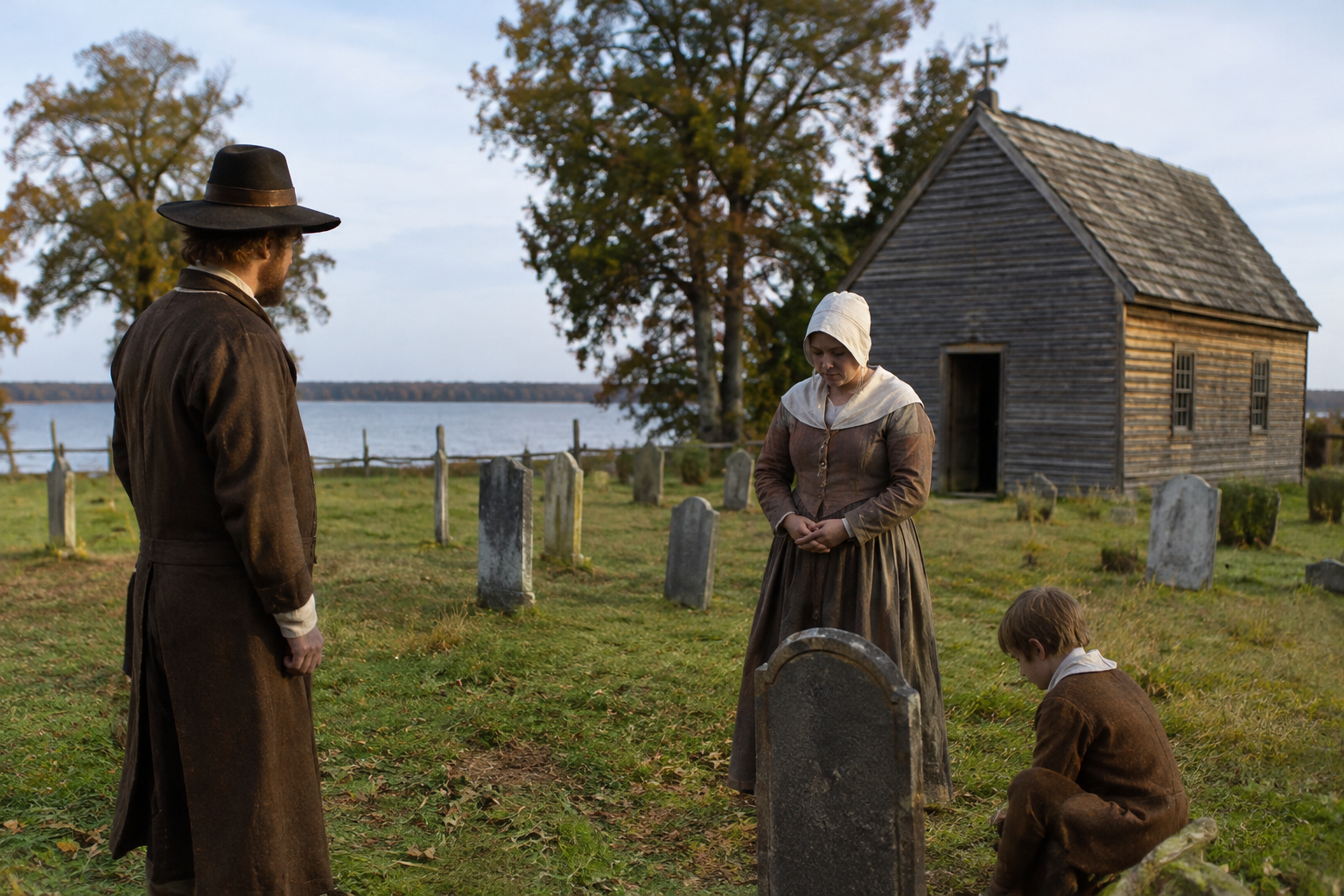
Moemlingen lies in a part of Germany that sat within the broad orbit of the early Frankish kingdoms. By the seventh century, this was no empty frontier. It was a zone of villages, burial grounds, churches, estates, and old Roman routes still shaping movement and power. A Frankish-period burial here is interesting precisely because it belongs to a society often described too simply - as if "the Franks" appeared fully formed from nowhere. They did not. They were assembled over time out of older regional populations, military followings, political loyalties, and shifting local identities.
Mln14 therefore matters less as an isolated curiosity than as a fixed point in that history. A lineage associated with R1b1a1b1a1a1c2b2a1 in a seventh-century Frankish context suggests that this paternal branch was part of the male population of the post-Roman Rhine-Main world. That does not make it uniquely "Frankish," still less a badge of ethnicity. It does, however, place the branch inside one of the key political societies of early medieval western Europe.
For the broader setting, a useful companion piece is MyTrueAncestry's discussion of language and movement in the early medieval north.
Germanic languages and genomics
The first thing to say plainly is that R1b1a1b1a1a1c2b2a1 is a downstream branch within the wider R1b family, one of the major paternal groupings found across much of western Europe. That broad family has deep prehistoric roots and a long archaeological history, but it would be careless to pour all of that history directly into this much narrower subclade. The narrow branch represented here is a later twig on a much older tree.
That distinction matters. If your own line falls into this haplogroup, the safest historical claim is not "my line was Frankish" in some sweeping tribal sense. It is that one known ancient carrier or associated individual appears in an early medieval Frankish context in Germany, and that this branch belongs within the paternal diversity of northwestern and central western Europe as revealed by ancient DNA.
In other words, the evidence is modest but solid. It gives us placement, period, and historical setting. It does not, by itself, give us a dynasty, a coat of arms, or a neat migration legend.
To understand why Moemlingen is a revealing place, we need to look at the older world behind it. The Frankish kingdoms expanded through former Roman provinces where frontier armies, civilian settlements, local elites, and incoming groups had already been mixing for centuries. The Rhine was not simply a dividing line between "Roman" and "barbarian." It was a contact zone, and often a thoroughly entangled one.
That is why early medieval burials in this region are so important for genetics. They belong to populations formed not just by one migration or one conquest, but by generations of local continuity and fresh arrivals. A study of frontier communities in this wider region has underlined exactly that sort of blending in the centuries between Late Antiquity and the early Middle Ages. Even without claiming details that go beyond the present sample record, Mln14 fits neatly into that bigger archaeological picture.
If you want to follow that frontier story further, this related article explores the same broad zone where Roman and post-Roman lives overlapped.
Roman-barbarian frontier blending
There is a temptation, when only one ancient sample is available for a precise haplogroup article, to dismiss it as too little. But archaeology often advances by exactly this kind of careful accumulation. One burial does not define a people, yet one well-placed burial can anchor a lineage in time and space far better than thousands of modern test results alone.
With Mln14 we know the broad date, the place, and the cultural classification: Merovingian-period Frankish, in Germany, around AD 650. That puts this paternal branch into the world of the early medieval kingdoms that connected the Middle Rhine, Main valley, and former Roman Gaul. It is a world of church foundations, rural cemeteries, local lordship, and communities negotiating old Roman landscapes under new rulers.
That is already historically meaningful. It means this lineage was not merely present somewhere in abstract "Europe," but present in a documented early medieval society at a moment when western Europe was being politically and linguistically reorganized.
The wider R1b background reminds us that paternal lines can survive immense historical change. Between the prehistoric expansions associated with parts of the R1b family and the seventh-century burial at Moemlingen lie millennia of demographic churn: Bronze Age transformations, Iron Age societies, Roman conquest, military recruitment, migration-period mobility, and the formation of medieval kingdoms. A narrow branch such as R1b1a1b1a1a1c2b2a1 passed through all that without carrying a single fixed ethnic label.
That is one of the most useful lessons of ancient DNA. A lineage can persist while languages, kingdoms, burial customs, and political identities change around it. The same broad paternal family may appear in very different archaeological settings over time. So when a branch surfaces in a Merovingian-period Frankish burial, the point is not to flatten all earlier history into "Frankish origins," but to see how one paternal line became part of that early medieval population.
For readers interested in how ancient genomics keeps revising our picture of the early Middle Ages, this article on a diverse seventh-century cemetery in Iberia offers a revealing comparison.
The strongest supported insight for R1b1a1b1a1a1c2b2a1 is not grandeur but context. This paternal line is represented, or at least closely associated, in a man from Merovingian-period Moemlingen, linking it to the lived reality of early medieval Germany and the Frankish sphere that emerged from the Roman frontier world. For anyone researching this haplogroup today, that is a concrete historical foothold: a direct male line present in the communities that helped shape western Europe after Rome.
And that is often how the best ancient DNA evidence works. Not by promising a legendary ancestor, but by giving your lineage a real human setting - one burial, one place, one century, and a much clearer sense of the world your paternal line once inhabited.
Comments