Haplogroup N3a3'5
– 5 min read


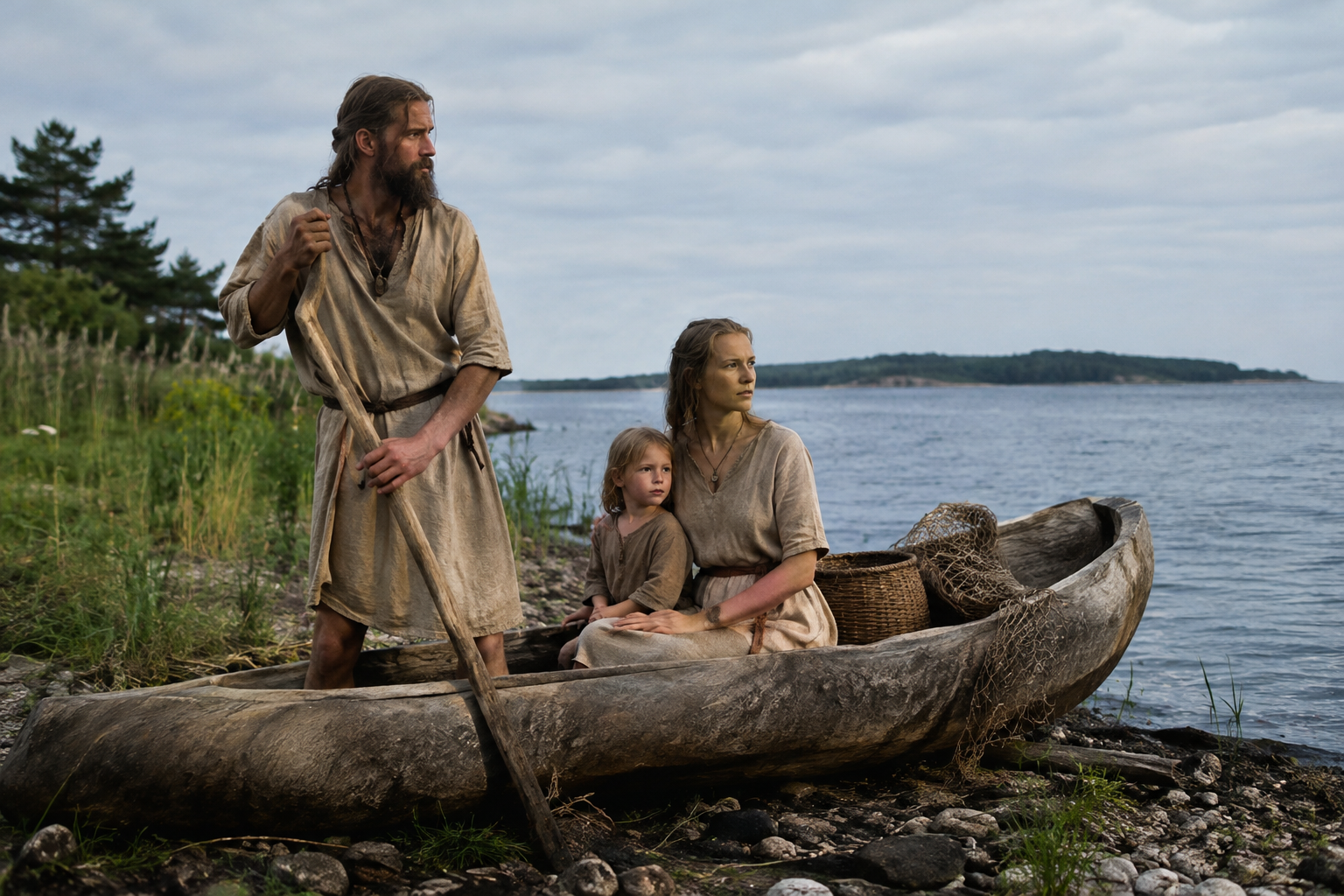
In the evidence for Y-DNA haplogroup N3a3'5, one of the clearest ancient anchors is a man from Late Bronze Age Estonia, sample OLS10, dated to around 600 BC. That is already enough to make him interesting. Estonia in this period sat on a northern edge of Europe that is often treated, far too lazily, as remote or marginal. In reality it was part of a lively Baltic world of movement, exchange, and local continuity, and OLS10 offers a small but valuable glimpse into one paternal line within that world.
What makes this find especially useful is not royal glamour or a spectacular grave, but timing and place. Haplogroup N lineages are often discussed in connection with northern Eurasia and later Uralic-speaking populations, yet each sub-branch has its own history. A single Late Bronze Age Estonian male associated with N3a3'5 does not tell us everything about the branch, but it does place this paternal line in the eastern Baltic before the Roman period and long before medieval state formation.
Y-DNA follows one narrow thread: the direct paternal line from father to son. That makes it powerful, but also limited. A man assigned to N3a3'5 carried one specific paternal lineage; he was not the sum of that lineage, and neither was his community.
It is worth being careful here. N3a3'5 is a more precise branch within the wider haplogroup N family, and the broader history of haplogroup N cannot simply be pasted wholesale onto this narrower label. What the Estonian evidence gives us is something much more grounded: by the Late Bronze Age, a paternal line associated with this branch was present in the eastern Baltic, among people living in a region that would later become important to Finnic-speaking history.
A genetic study of ancient northeastern European populations, published in Current Biology, helped draw attention to how ancient DNA can illuminate the formation of these northern populations. That broader research context matters, because OLS10 is most informative when seen not as an isolated curiosity but as part of the long population history of the Baltic and Finnish regions.
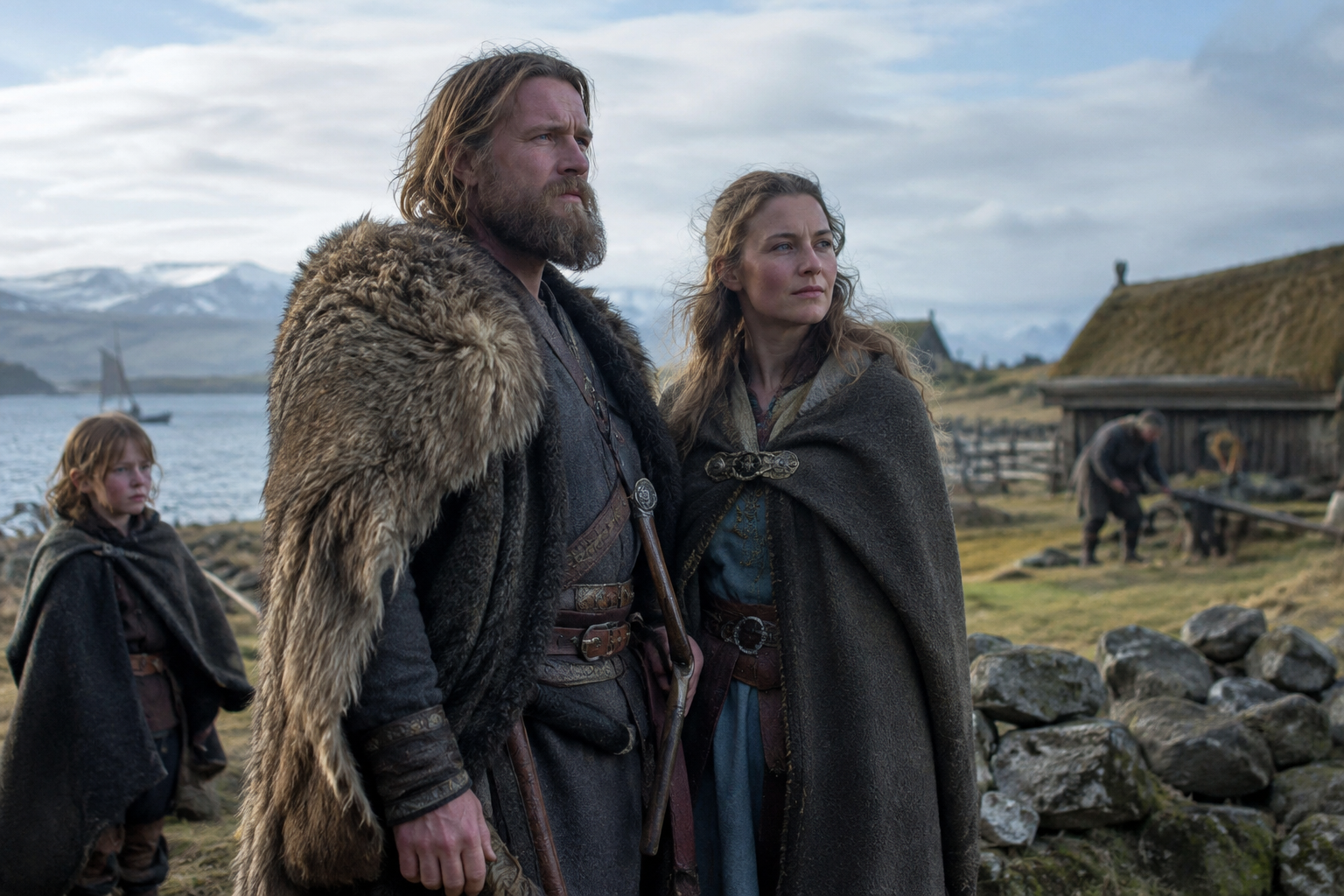
Early Medieval Finland and Baltic links
Around 600 BC, Estonia was living through the later Bronze Age and the threshold of the Pre-Roman Iron Age. This was not an age of written chronicles in the region, so archaeology has to do the heavy lifting. Settlements, burial grounds, metalwork, and environmental evidence all show communities adapting to local landscapes while participating in wider Baltic connections.
That is the proper setting for OLS10. We should not turn him into a tribal emblem or a linguistic label in human form. But his paternal lineage matters because it helps place one part of northern Eurasian male ancestry in the eastern Baltic at a fairly early date. When later historic populations in Estonia and Finland show substantial haplogroup N lineages, ancient individuals like this one become crucial reference points for asking how deep those regional roots really are.
There is a temptation, whenever a northern Y-line appears in ancient DNA, to tell a dramatic migration story in a single leap. Archaeology is usually less theatrical and more interesting. What one man from Late Bronze Age Estonia suggests is not a lone heroic arrival, but the presence of lineages that may already have been woven into local societies by this time.
The eastern Baltic was never sealed off. It connected forests, river routes, lake systems, and the sea. People moved through it for trade, marriage, seasonal activity, and probably language contact as well. That matters for interpreting N3a3'5, because paternal lineages do not spread on their own; they spread through communities, households, and social systems.
In this setting, the value of OLS10 lies in chronology. He predates the Viking Age by more than a millennium and medieval Estonia by even more. So the sample helps push discussion of northern paternal ancestry away from the familiar, overused medieval frame and back into prehistoric population formation. The eastern Baltic did not suddenly acquire its genetic character in the age of sagas and crusades. Part of that structure was already in place much earlier.
This is also where caution is essential. A Y-chromosome branch cannot, by itself, prove what language OLS10 spoke, what identity he claimed, or whether his father's father's line had arrived recently or had been local for generations. But it can show that the paternal ancestry later common in parts of the northeast European world was not merely a medieval overlay.
Readers sometimes assume that a single ancient Y-DNA result is too small to be meaningful. Sometimes that is true. But some samples matter because they appear in places or periods where evidence is still sparse, and OLS10 belongs in that category. Late Bronze Age Estonia is precisely the kind of context where even one securely placed paternal lineage can sharpen the historical picture.
The question is not whether OLS10 "represents all Estonians" of 600 BC - plainly he does not. The question is whether he documents the presence of a lineage relevant to later northeastern European populations in a well-defined ancient setting. On that point, he is genuinely informative.
He also reminds us that the Baltic past cannot be written only from the south or west. Too much older history treated northern forest and coastal societies as peripheral to the main European story. Ancient DNA has been steadily correcting that. The peoples of this region were not waiting to be shaped by others; they already had their own deep and developing histories.
Forest-zone ancestry in deep time
For men today whose paternal line falls under N3a3'5, the most responsible historical takeaway is not a neat ethnic label but a northern one: this branch belongs to a wider story of northeastern Europe, and at least one ancient carrier is documented in Estonia by the Late Bronze Age. That places the lineage within the long formation of Baltic-Finnic and neighboring populations, even if the exact route and timing of earlier branching remain more complicated.
Later periods in Finland and the eastern Baltic show how important ancient DNA has become for tracing regional continuity and change. The great strength of a sample like OLS10 is that he gives prehistoric depth to that conversation. He stands at a point before written ethnonyms, before medieval kingdoms, before the usual historical furniture - but very much within real human history.
Medieval Finland archaeogenetics
The distinctive insight of haplogroup N3a3'5 is not that it unlocks a single tribe or dynasty, but that it helps anchor one paternal thread in the eastern Baltic centuries before the classical world took much notice of the region. Sample OLS10 shows this branch in Late Bronze Age Estonia, reminding us that the deep history of northern Europe was already being made in coastal settlements, burial grounds, and family lines that written sources would never record. If this is your haplogroup, the best-supported historical picture is one of long northern depth rather than a recent or purely medieval origin story.
Comments