Haplogroup J2b2a1a1a1a1a1b

– 5 min read


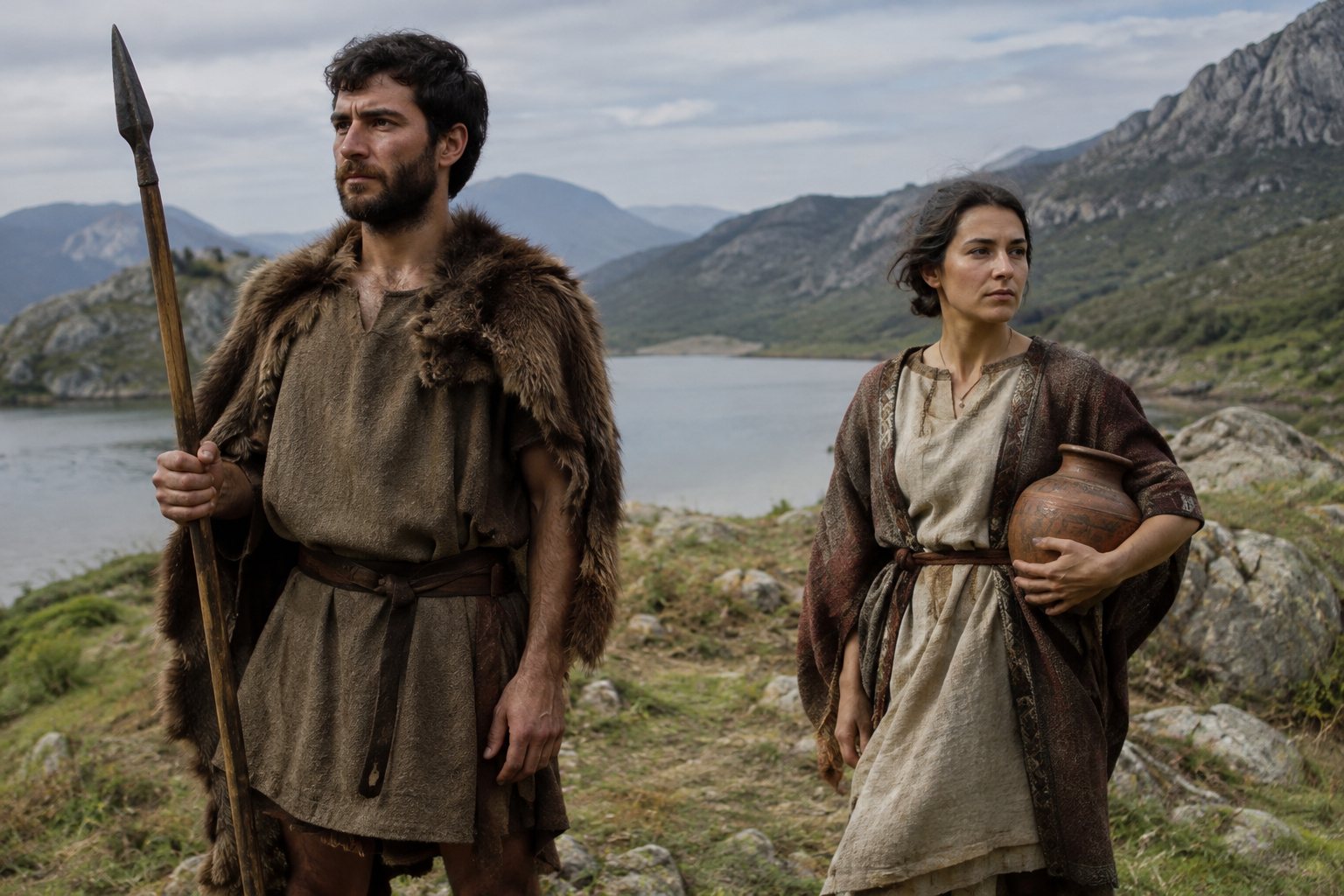
One of the clearest ancient signposts for the Y-DNA haplogroup J2b2a1a1a1a1a1b comes from the western Balkans, at Cinamak in the Kukes district of Albania, where an individual dated to around 528 BC is recorded as sample I16253. It is a modest-looking label on the page, but historically it is anything but modest. A paternal line associated with this branch appears here in an Iron Age landscape that sat between mountain routes, Adriatic exchange networks, and the wider Mediterranean world.
That matters because J2 branches are often discussed in very broad terms, as though every subclade shared one simple story. They do not. J2b2a1a1a1a1a1b is a very specific twig on a much larger paternal tree, and the evidence supplied here points not to a vague "Mediterranean" abstraction but to a Balkan story grounded in actual ancient individuals. Y-DNA traces one direct male line only, not the whole ancestry of a person or population, but even that single line can be remarkably revealing when it turns up in the right archaeological places.
The Cinamak individual, I16253, belongs to the centuries when communities in what is now northern Albania were part of a complicated frontier world. This was not an isolated backwater. The region connected inland highlands, river valleys, and routes leading toward the Adriatic coast, and in the Iron Age those connections mattered for trade, marriage, and movement.
For a lineage like J2b2a1a1a1a1a1b, the significance of Cinamak is not that it "proves" a tribe, language, or ethnicity. It does something more careful and, in its own way, more useful: it places this paternal branch in the western Balkans by the late first millennium BC. That gives the haplogroup a securely ancient foothold in a region where population continuity and later historical change have both been intense.
A major genetic study of southeastern Europe, published in Science, helped sharpen the larger picture by showing that Balkan populations cannot be reduced to a single migration or a single ancestral layer. The region repeatedly absorbed, reshaped, and preserved lineages across long spans of time. A sample like I16253 becomes interesting precisely because it sits inside that longer pattern rather than outside it.
Deep Balkan Roots of Albanians
The older of the two supplied ancient finds is I13167 from Velika Gruda in Montenegro, dated to around 1125 BC. That pushes the evidence for this branch, or for a lineage associated with it, back into the Late Bronze Age on the eastern Adriatic side of the Balkans. Chronologically, this is important: it means the story does not begin in the Iron Age. There is already an earlier presence in the same broad region.
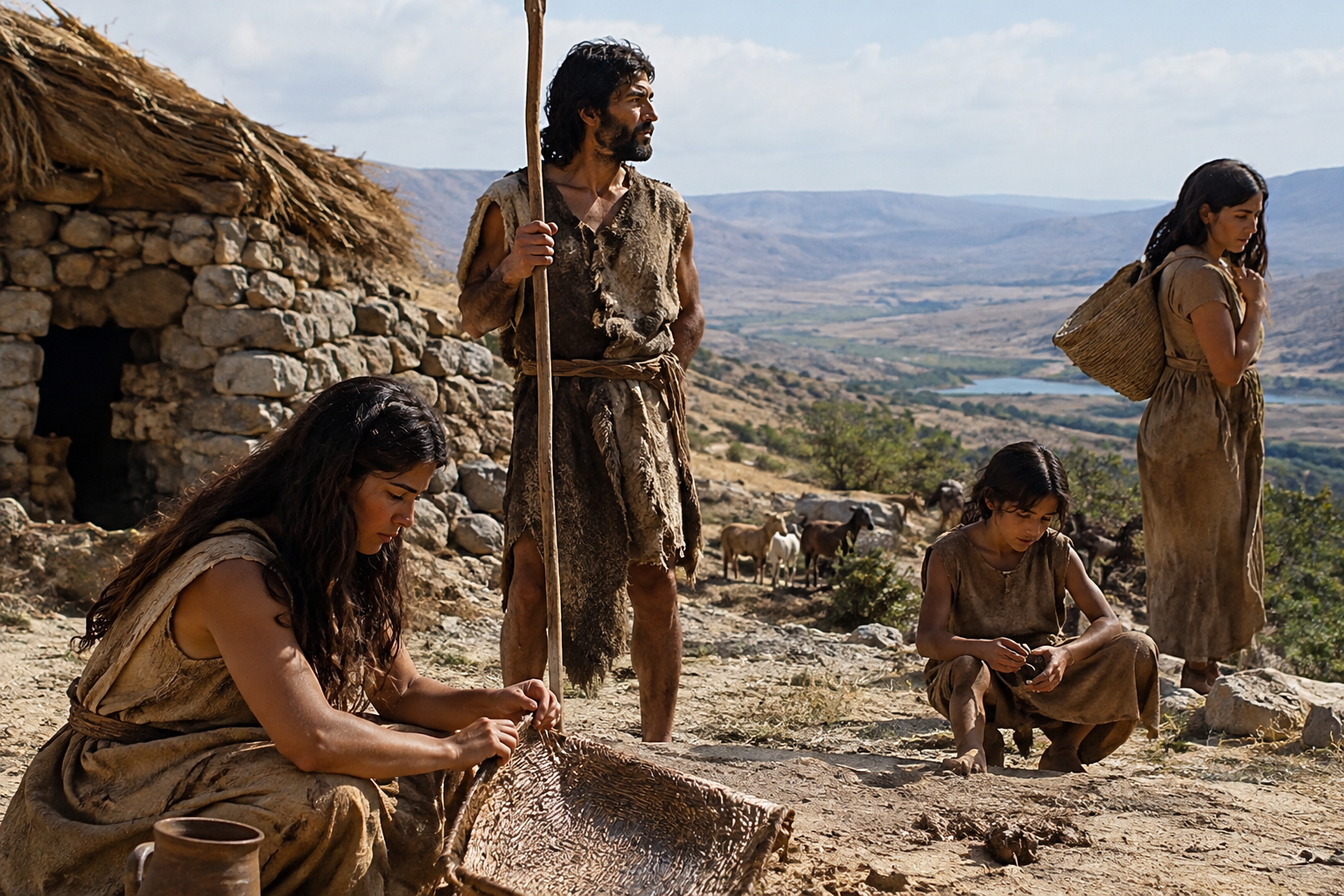
Velika Gruda belongs to a very different historical setting from Iron Age Cinamak. In the Late Bronze Age, the Balkans were tied into exchange systems that linked the Adriatic, the Danubian zone, and the Aegean world. Communities here were not static. Metals, styles, and people moved. Yet local continuity mattered too, and paternal lineages could persist through changing cultural fashions and political landscapes.
That combination of movement and continuity is exactly why this sample is useful. If J2b2a1a1a1a1a1b shows up in both Late Bronze Age Montenegro and Iron Age Albania, the safest reading is that this paternal line had a real place in the pre-Roman western Balkans. It does not need an invented epic migration tale to be historically interesting.
It is tempting, with any J2 lineage, to leap immediately to the Aegean, Anatolia, or the Near East. Those wider regions do matter in the long background of haplogroup J2 as a whole. But this article is about J2b2a1a1a1a1a1b, not every branch beneath J2. The samples at hand place this particular paternal signal in the western Balkans, and that is where the discussion should begin.
The geography is telling. Montenegro and northern Albania lie in a zone shaped by rugged uplands, coastal access, and corridors of contact running both north-south and east-west. Historically, such places are excellent at preserving old local lines while also participating in larger networks. One does not have to choose between "indigenous" and "mobile" as if those were opposites. Ancient communities were often both rooted and connected.
That may help explain why a branch like this can appear in more than one ancient Balkan context. A paternal line can survive for centuries within a region even while the people carrying it adopt new material cultures, speak changing languages, or join new political worlds. Archaeology and genetics both show that the Balkans worked like that again and again.
Putting I13167 and I16253 side by side creates a small but useful sequence. Around 1125 BC, at Velika Gruda in present-day Montenegro, we have an attested ancient individual associated with this lineage. By around 528 BC, at Cinamak in Albania, we meet it again in a later Iron Age setting. That is not enough to trace a family tree, but it is enough to suggest durability.
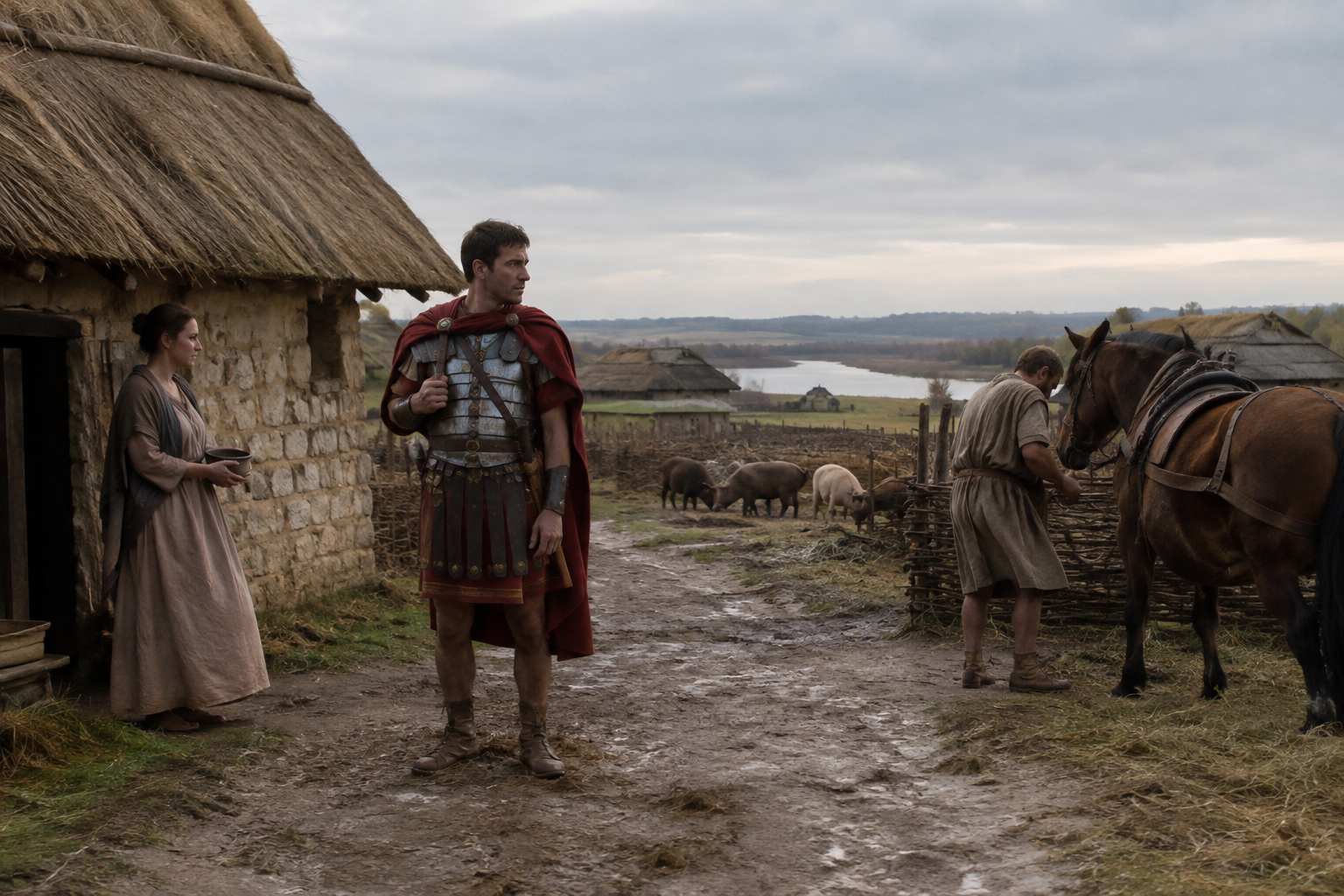
Durability matters more than glamour. The western Balkans passed through the Bronze Age collapse, the reorganization of Iron Age societies, later Greek and Illyrian interactions, and eventually Roman incorporation. A paternal branch that appears before and during the Iron Age may well have been part of the local human landscape through major historical change.
For people researching their own paternal ancestry, this is often the most valuable kind of finding. Not every haplogroup story leads to a famous dynasty or a named conqueror. Sometimes the stronger story is that a lineage was already present in a region before the classical authors began labeling its peoples.
These two ancient men do not prove that all later Albanians, Montenegrins, or neighboring peoples inherited this exact line in large numbers. Nor do they identify a single tribe, clan, or ruling house. Ancient DNA rarely works so neatly. What they do provide is something more solid: dated evidence that this paternal branch, or a reported lineage associated with it, was present in the western Balkans across a span of several centuries before Roman rule.
That fits well with the increasingly detailed archaeogenetic picture of the region, where deep local roots coexist with repeated admixture and contact. The Balkans were not a sealed container, but neither were they endlessly replaced. Ancient lineages could remain in place while populations around them changed in language, culture, and political allegiance.
Black Sea Migrations in Context
On the evidence here, J2b2a1a1a1a1a1b has old Balkan credentials. The most distinctive point is not a sweeping origin myth, but the recurrence of this lineage in real ancient individuals from Late Bronze Age Montenegro and Iron Age Albania. For someone carrying this haplogroup today, that does not define your whole ancestry, but it does suggest that one direct paternal line may belong to the long, layered human history of the western Balkans, where continuity and contact have lived side by side for millennia.
Comments