Haplogroup I2a1a1a1a2

– 5 min read


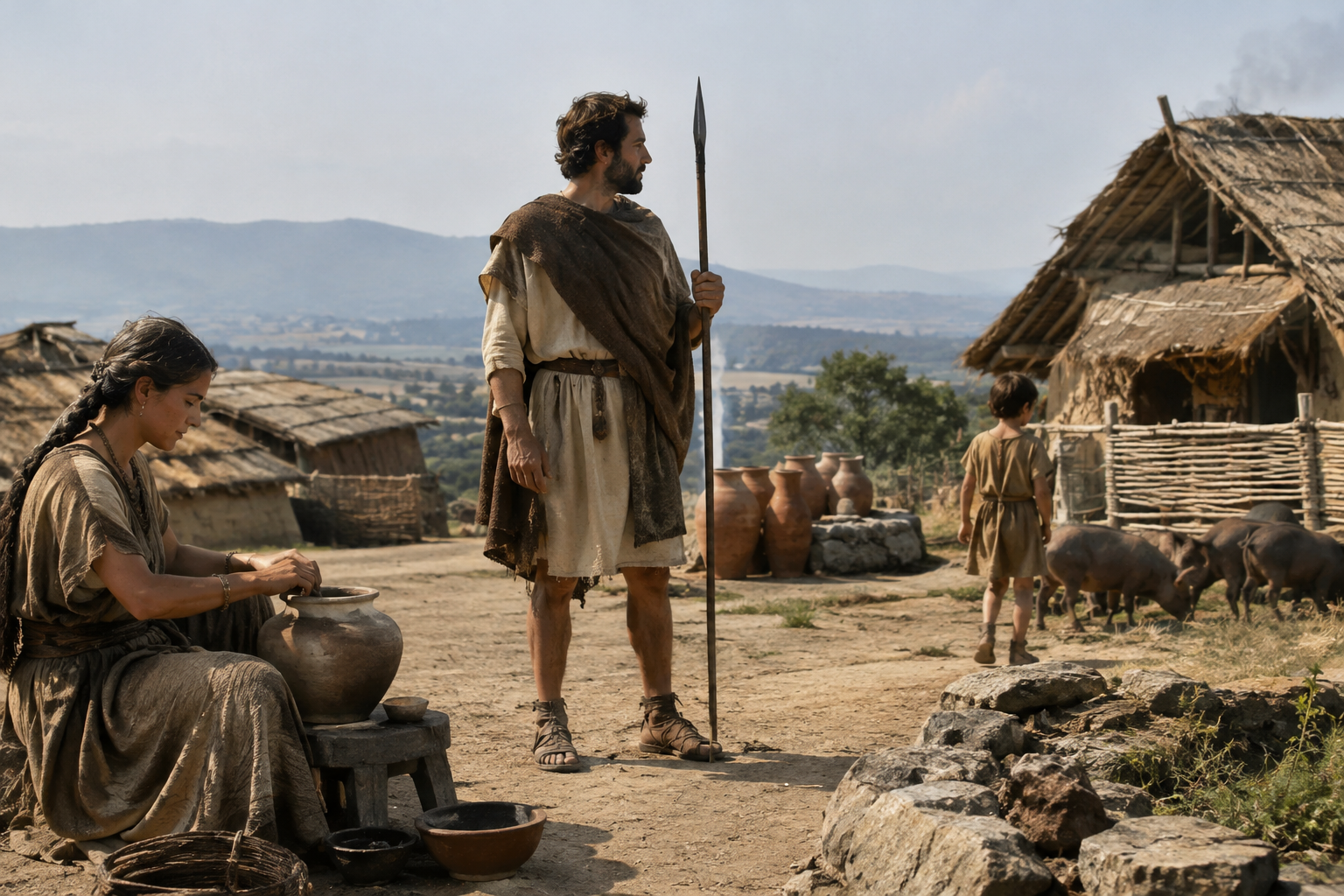
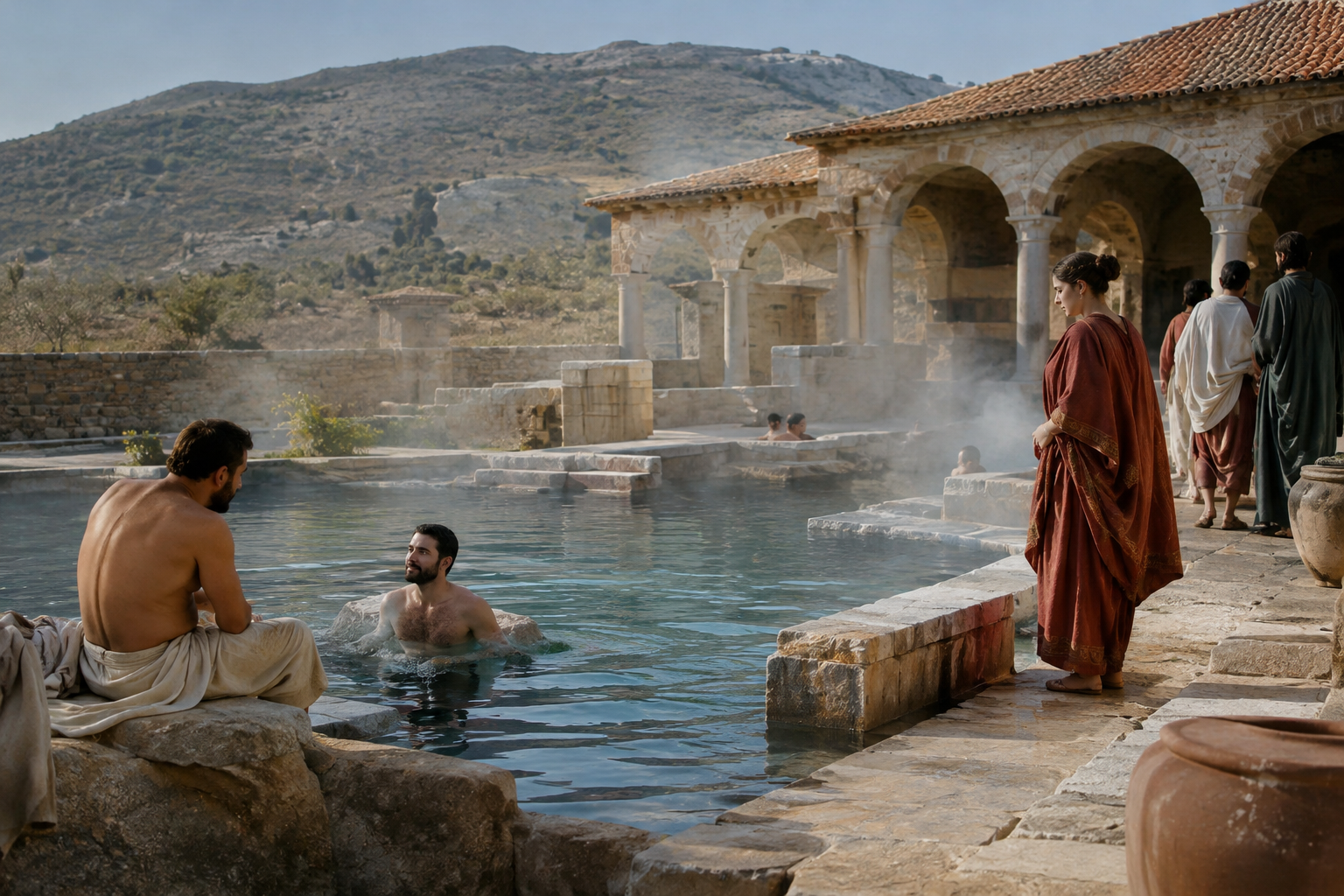
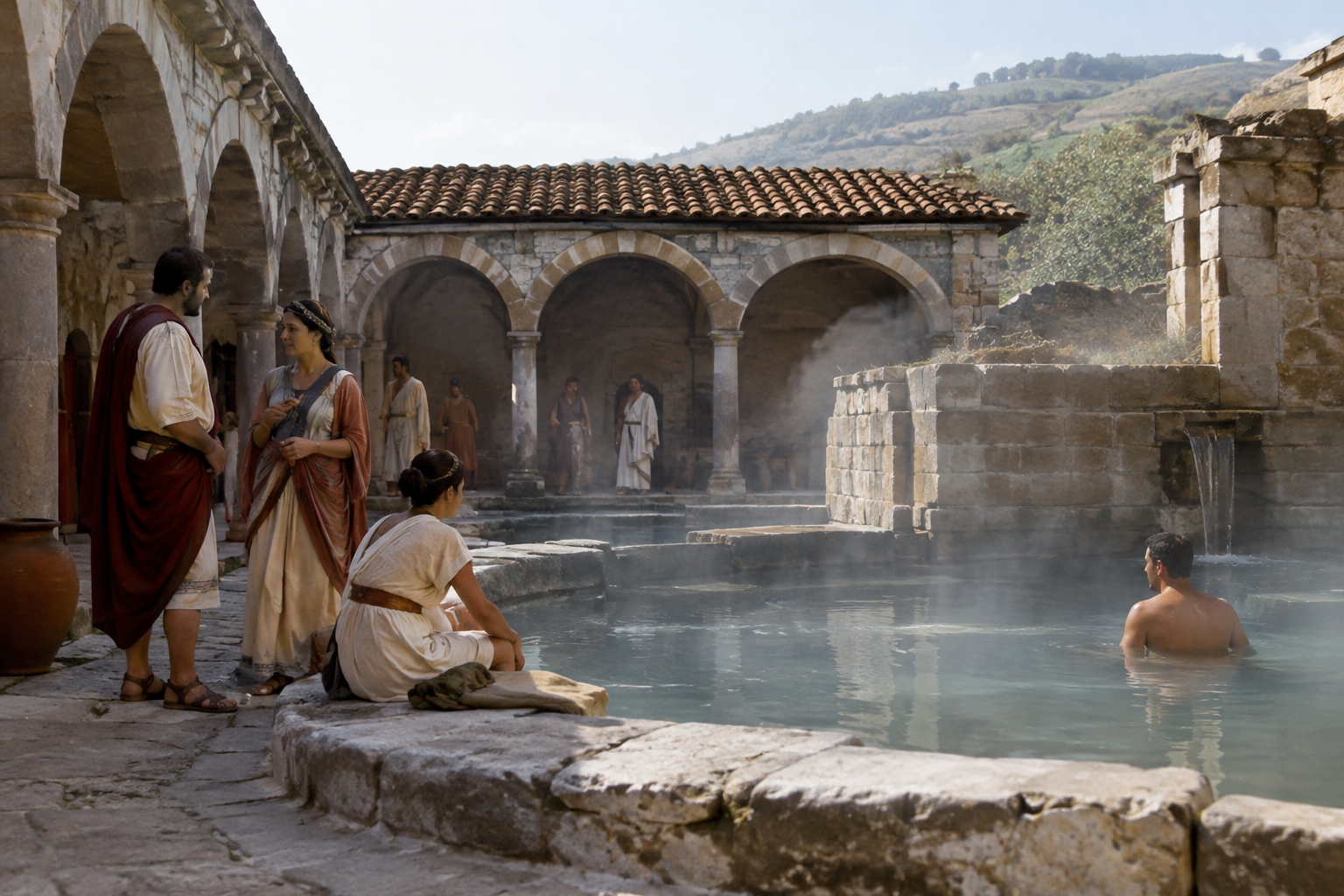
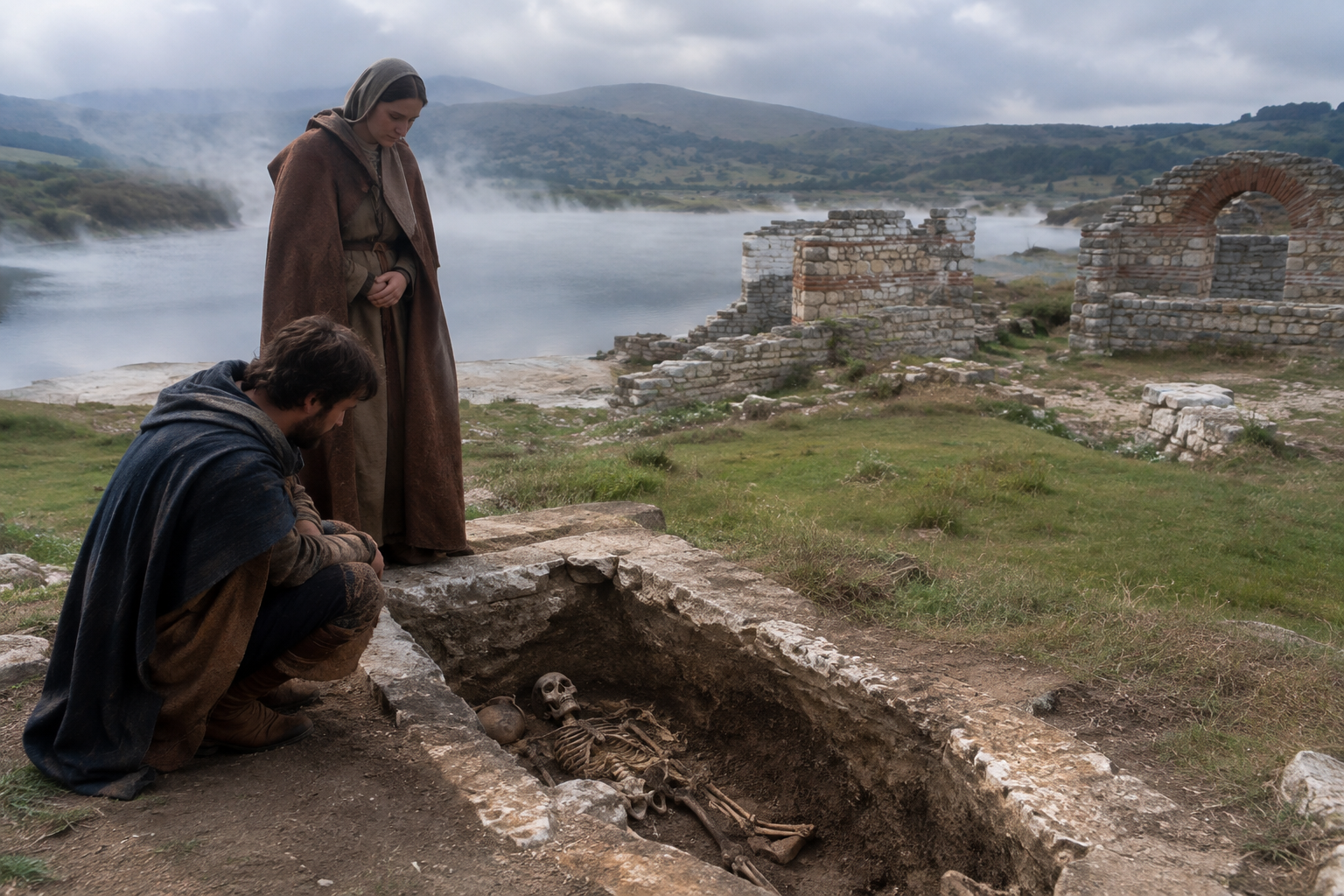
At Felsina, the ancient city beneath modern Bologna, one Iron Age man has become unexpectedly important to the story of Y-DNA haplogroup I2a1a1a1a2. He is sample I29664, dated to around 700 BC and identified as a Villanovan Etruscan from the Po Valley. That is already a useful combination of labels: not simply "Italian," and not merely "Iron Age," but a person placed in the archaeological world out of which Etruscan urban society in northern Italy was taking shape.
The fascination here is not that one burial can explain an entire people. It plainly cannot. But a direct paternal lineage like I2a1a1a1a2 can show up in a very precise historical setting, and that matters. In this case, the setting is Bologna before Roman rule, in a region where archaeology and ancient DNA are beginning to give us a more grounded picture of how local continuity and wider contacts worked together.
Felsina was one of the major centers of Etruscan power in the Po Valley. Before Bologna became a Roman city, it belonged to a northern Etruscan world linked to Villanovan traditions, long-distance exchange, and the growth of increasingly complex settlements. Sample I29664 sits squarely inside that transition.
Calling him "Villanovan Etruscan" is historically helpful because it captures a real archaeological problem: how the earlier Villanovan culture relates to the later, textually visible Etruscans. The labels are not interchangeable in every context, but at Bologna they belong to a connected sequence. A man carrying I2a1a1a1a2 in this setting reminds us that Etruscan society was not built on one simple incoming male line, nor does it look like a population wiped clean and replaced.
That broader picture is reflected in ongoing work on Bologna's Iron Age population, including discussions brought together in MyTrueAncestry's piece on Etruscan Origins and Change in Bologna.
Y-DNA follows one narrow line of descent: father to son to son across generations. That makes it powerful for tracing paternal continuity, but it is only one thread in a much larger ancestral fabric. A man assigned to I2a1a1a1a2 could have had ancestors from many different backgrounds in his wider family tree, and the same is true for anyone living today.
It is also worth separating the specific branch I2a1a1a1a2 from the wider family of I2. Haplogroup I2 has deep European roots and appears in a wide variety of prehistoric and historic contexts, especially in southeastern and central parts of Europe. But the appearance of the narrower branch in Iron Age Bologna does not allow us to project every story told about broader I2 straight onto this one subclade. What we can say, cautiously, is that this paternal line was present in an Etruscan-associated population in the Po Valley by around 700 BC.
Northern Italy in the first millennium BC was not some sealed ethnic box. The Po Valley was a corridor: between peninsular Italy and transalpine Europe, between Adriatic routes and inland communities, between older local traditions and new political formations. In that sort of landscape, paternal lineages could persist locally, spread through marriage networks, or appear in communities whose culture was changing faster than their genes.
That is one reason the Bologna evidence matters. The old habit was to ask whether the Etruscans were "from here" or "from elsewhere," as though ancient populations came with a single passport stamp. Ancient DNA has made that question much messier, and much more interesting. Research on ancient Italians increasingly points toward a combination of local continuity and regional interaction rather than a neat replacement story; MyTrueAncestry readers who want that wider setting may find Genetic ancestry of ancient Amiternum from Roman to early medieval Italy a useful comparison from another part of the peninsula.
In other words, I29664 does not represent an isolated curiosity. He belongs to a northern Italian zone where archaeology has long shown movement of objects, styles, and influences, and where genetics now reveals that population history was equally layered. A paternal lineage such as I2a1a1a1a2 could sit quite comfortably inside that world.
With only one explicitly supplied ancient sample, it would be foolish to inflate the claim. We do not have a dynasty here, or a cemetery full of men from the same paternal branch, or a proven chain leading from Iron Age Bologna to any later noble house. But one well-placed individual can still anchor a lineage in time and place.
That anchor matters especially for people whose present-day Y-DNA results can feel abstract. A label like I2a1a1a1a2 may look forbidding, almost bureaucratic, until it turns up in a real human context: an Iron Age man in Felsina, living in the centuries when Etruscan Bologna was taking form. Suddenly the branch is no longer just a string of letters and numbers. It is part of a documented archaeological landscape.
For the wider population history of Italy's islands and mainland interactions, another useful comparison is Paleogenomics of Ancient Italian Islands, which shows how varied ancient Italian genetic histories could be even within the same broad cultural world.
There is another reason this sample is so useful. The Etruscans have always attracted grand theories: mysterious origins, exotic arrivals, total continuity, total rupture. The reality, as usual, is more awkward and therefore more convincing. Ancient communities did not line up tidily into modern categories of ancestry, language, and identity.
A man with Y-DNA I2a1a1a1a2 buried in a Villanovan Etruscan context need not stand for a timeless "Etruscan bloodline." He tells us something narrower, but very solid: this paternal branch belonged among the men of Iron Age Felsina. That simple fact helps pin one lineage to a society that was urbanizing, stratifying, and linking itself into wider Mediterranean and continental networks.
The ancient sample itself is associated with the Harvard Dataverse resource at https://dataverse.harvard.edu/dataset.xhtml?persistentId=doi:10.7910/DVN/7RVV9N, which preserves the research trail for this kind of archaeogenetic evidence. Used carefully, such material does not solve every historical argument, but it does help keep us tied to excavated people rather than sweeping legend.
For this branch, the clearest takeaway is not imperial grandeur or a miraculous origin story. It is something better: I2a1a1a1a2 is attested in the real social world of Iron Age northern Italy, in an Etruscan-associated individual from Felsina around 700 BC. If this is your paternal haplogroup, that does not make you "an Etruscan" in any simple sense. But it does place your direct male line within a lineage family that had reached one of the most important centers of pre-Roman Italy by the early first millennium BC.
That is a modest conclusion, but a meaningful one. Ancient DNA is most persuasive when it gives us a firm foothold, and sample I29664 offers exactly that: one man, one city, one branch, and a very real glimpse of the paternal diversity inside the world of the Etruscans.
Comments