Haplogroup I1a1b1a4a1a1h

– 5 min read


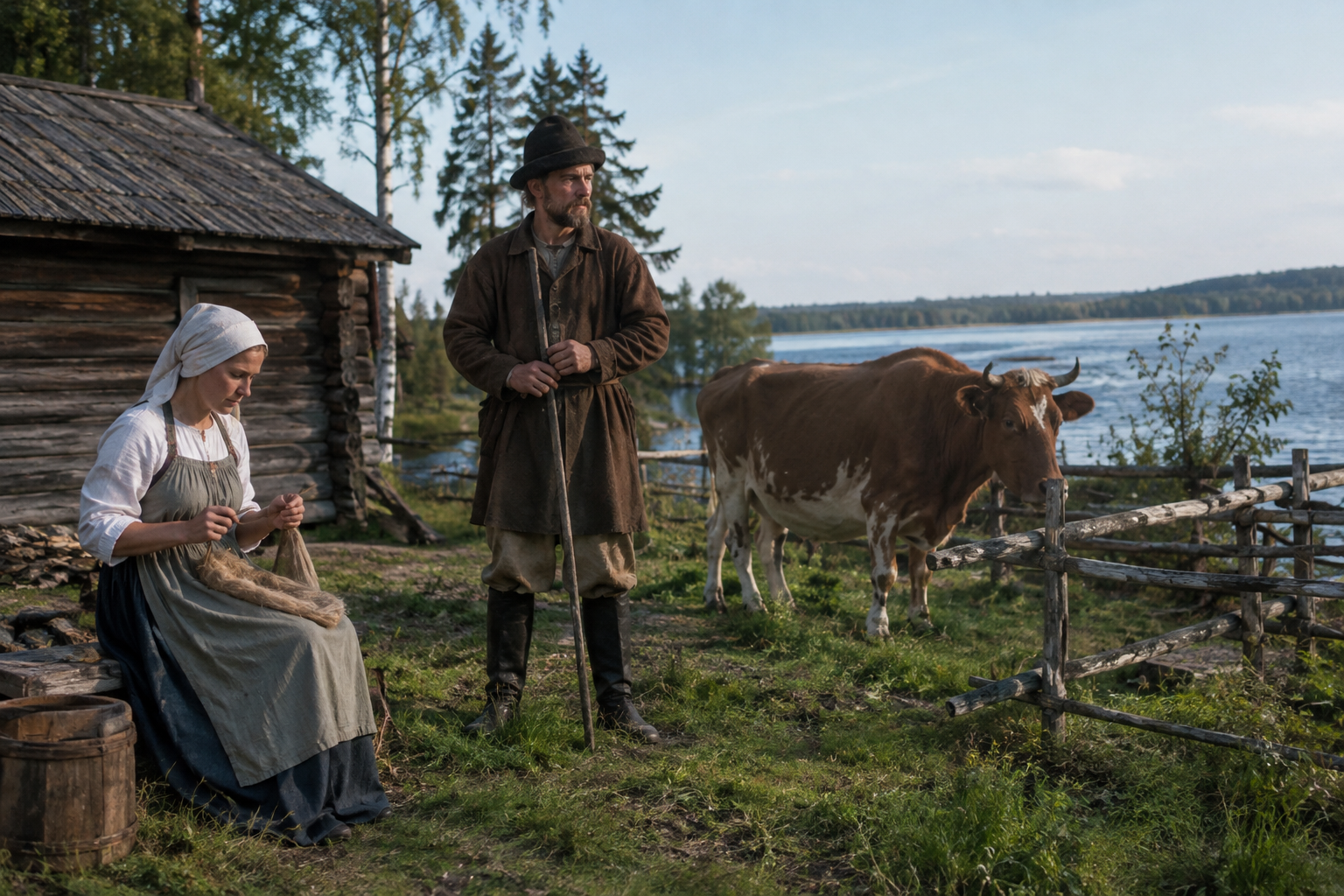
In Tavastia, inland southern Finland, one post-medieval man has become an unexpectedly useful guide to a much older paternal story. The individual labelled PKN011, dated to around AD 1750 at Pälkäne, belongs on the surface to a very recent world of Lutheran parishes, Swedish rule, and early modern rural life. Yet his reported Y-DNA association with I1a1b1a4a1a1h places him within a branch of the wider I1 lineage that is especially at home in the northern European historical landscape.
That may sound straightforward, but it is exactly the sort of case archaeogenetics handles best when treated carefully. A single early modern burial does not tell us when this precise branch first arrived in Finland, nor does it define the ancestry of Tavastia as a whole. What it does offer is something more solid: a documented man in a documented region whose direct paternal line fits into a broader pattern seen across northern Europe, especially in areas shaped by long interaction around the Baltic and Scandinavian worlds.
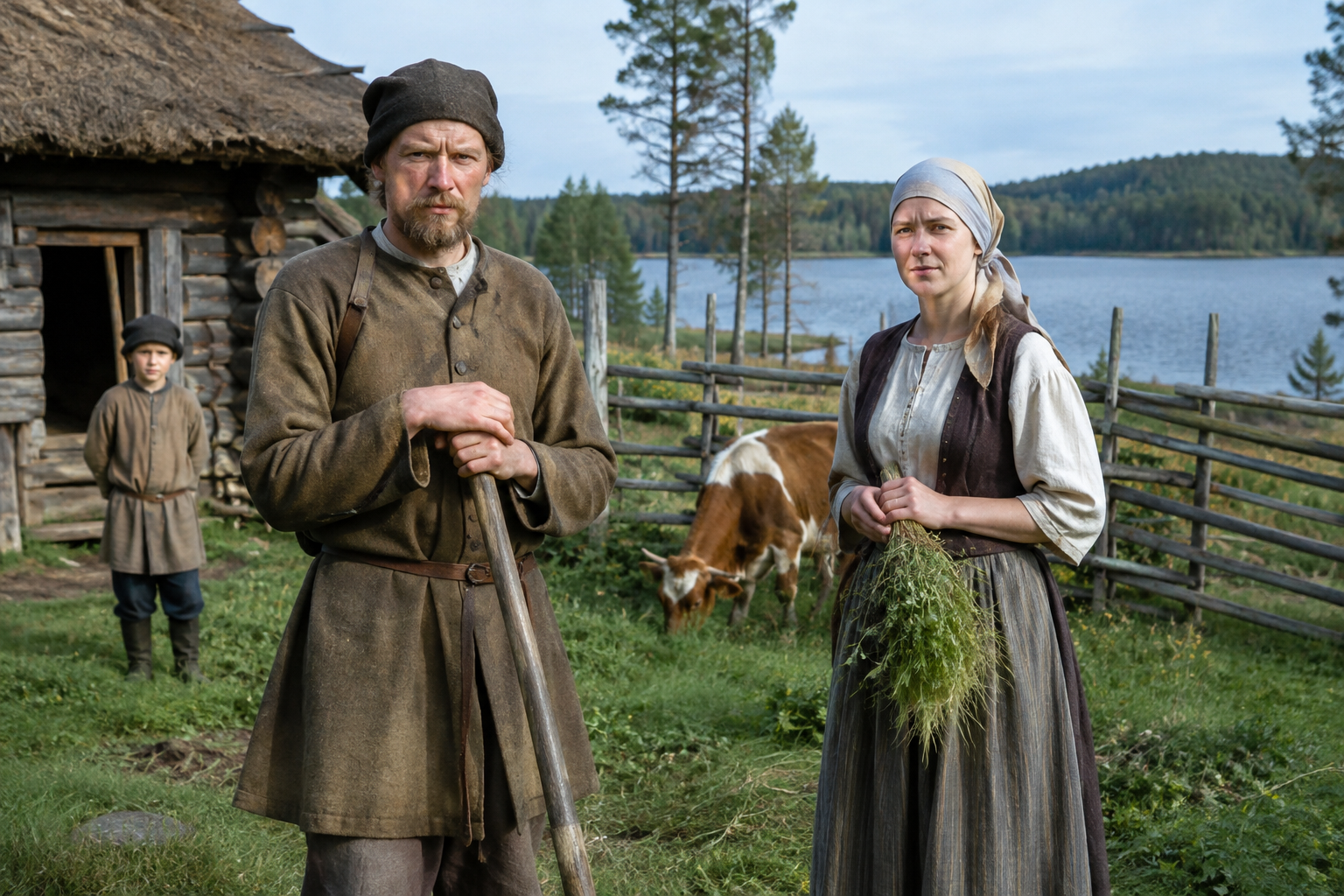
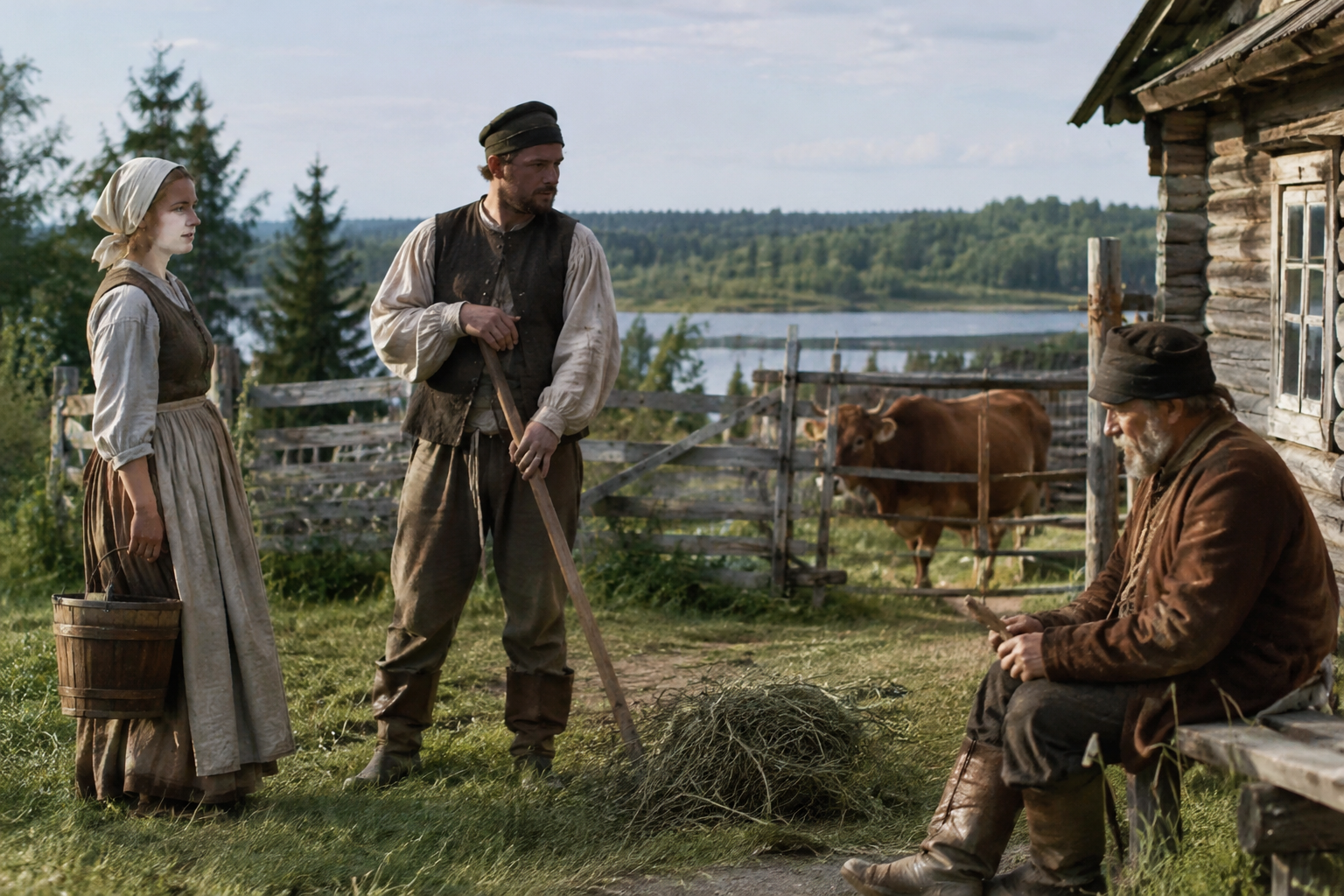
Pälkäne lies in the historical province of Tavastia, a region with a deep and sometimes misunderstood place in Finnish history. This is not the maritime Finland of the great medieval ports, nor the far north of Sámi mobility. Tavastia was an inland zone of farming communities, church organisation, taxation, and long integration into the Swedish kingdom. By the eighteenth century, a man buried there belonged to a society that had already experienced centuries of Christianisation, state formation, and contact across the Gulf of Bothnia.
That matters for interpreting PKN011. A Y-chromosome lineage traces one direct paternal line only: father to son to son across generations. It does not capture all of a person's ancestry, language, or social identity. Still, when a Tavastian burial shows a branch inside the wider I1 family, it immediately invites comparison with the paternal histories of Scandinavia and the Baltic-facing north.
Early Medieval Finland and Baltic links
The exact label here is I1a1b1a4a1a1h, an extremely fine-grained subclade. That is important because the long history often told for I1 as a whole cannot simply be pasted onto every one of its tiny downstream branches. The wider I1 haplogroup is well known in northern Europe and is frequently discussed in connection with Scandinavian population history, but that does not automatically date this exact branch to any particular migration, kingdom, or tribe.
What can be said more responsibly is that a Tavastian example of such a branch fits a regional pattern in which Finland was never isolated from the rest of the north. The Baltic Sea did not separate populations so much as connect them. Trade, warfare, church networks, settlement, and seasonal movement all tied Finland into a larger northern world in which paternal lineages could spread, persist, and become locally rooted over many centuries.
That broader picture is consistent with the direction of current ancient-DNA work on Finland. Research on medieval and early modern burials has increasingly shown that Finnish population history cannot be reduced to a single episode or a single source. Instead, different regions reflect varying mixtures of local continuity, eastern connections, and western-Baltic ties. A project archived at https://www.ebi.ac.uk/ena/browser/view/PRJEB88970 is associated with this growing body of ancient genomic work, even if one should be cautious about claiming more specific conclusions for PKN011 than the present evidence allows.
Historically, Tavastia sat in a fascinating middle position. Medieval chronicles and later political narratives often tried to sort Finnish regions into neat east-west categories, but the archaeology and historical geography are messier than that. Tavastia was drawn into Swedish ecclesiastical and administrative structures early enough to leave clear marks in written history, yet it also belonged to a Finnish inland world with its own local development and its own ties toward the east.
For a paternal lineage like I1a1b1a4a1a1h, this setting is particularly interesting because it reminds us that lineages do not move only with famous invasions. They also travel with farmers clearing land, soldiers serving crowns, clergy entering parish systems, craftsmen marrying locally, and families simply staying put once established. By AD 1750, whatever the deeper origin of this branch in Pälkäne, it had become part of Tavastian history rather than an external curiosity.
Medieval Finland archaeogenetics
There is sometimes a temptation to rank samples by drama: Bronze Age chiefs first, Viking warriors second, ordinary eighteenth-century villagers last. That is quite wrong. Later burials can be extraordinarily valuable because they anchor lineages in places where documentary history, parish geography, and known political frameworks are clearer. A post-medieval individual like PKN011 helps show that northern paternal lines associated with the wider I1 world were not fleeting arrivals. They endured into historically recorded communities.
In Finland, that endurance matters because population history is often discussed through broad national myths. Ancient DNA has been useful precisely because it complicates those simple stories. It suggests continuities in some places, shifts in others, and repeated interaction across the Baltic rather than a sealed ethnic block. A single Y-line cannot solve that puzzle, but it can illuminate one thread in it.
There is also a methodological point worth making. With a very narrow subclade such as I1a1b1a4a1a1h, the safest reading is local and comparative rather than heroic. We should not leap from one man in Pälkäne to claims about Viking founders, tribal identities, or noble descent. What we can say is more grounded: by the eighteenth century, this paternal branch was present in inland Tavastia, embedded in a Finnish population shaped by centuries of northern European contact.
The wider I1 lineage is often dragged into overconfident stories about "the Germanic past," as if a Y-chromosome could speak a language or wear a costume. Better to keep to firmer ground. Northern Europe saw major demographic and cultural developments in the Iron Age and early medieval centuries, and the spread of Germanic languages is part of that history, but no single subclade can be made to stand for all of it.
Still, the Scandinavian association of broader I1 remains historically relevant. Finland's western and southern regions, along with inland provinces linked to them, were drawn into long-running Scandinavian spheres of power and contact. If you are interested in how genomics has been used to think about those larger processes, MyTrueAncestry has also explored the spread of Germanic languages using ancient genomics. That wider discussion provides context for why a Tavastian I1-lineage sample is historically suggestive even when it is not, by itself, a headline-grabbing discovery.
Germanic languages and genomics
The most distinctive thing about this haplogroup, in the evidence here, is not a royal claim or a dramatic migration tale. It is the quiet fact that a very specific paternal branch appears in an inland Finnish man from around AD 1750, in a region whose history was shaped by long Baltic and Scandinavian entanglement. That makes I1a1b1a4a1a1h a lineage worth thinking about in the context of northern European settlement, continuity, and local rooting over time.
For someone researching his paternal ancestry today, that is a useful lesson. Your Y-DNA line may connect you not to a single legendary founder but to the durable historical worlds of parish, province, and region: places like Tavastia, where deep northern connections became ordinary family history.


Comments