Haplogroup G2a2b2a1a1b1a1a2a1b1b

– 4 min read


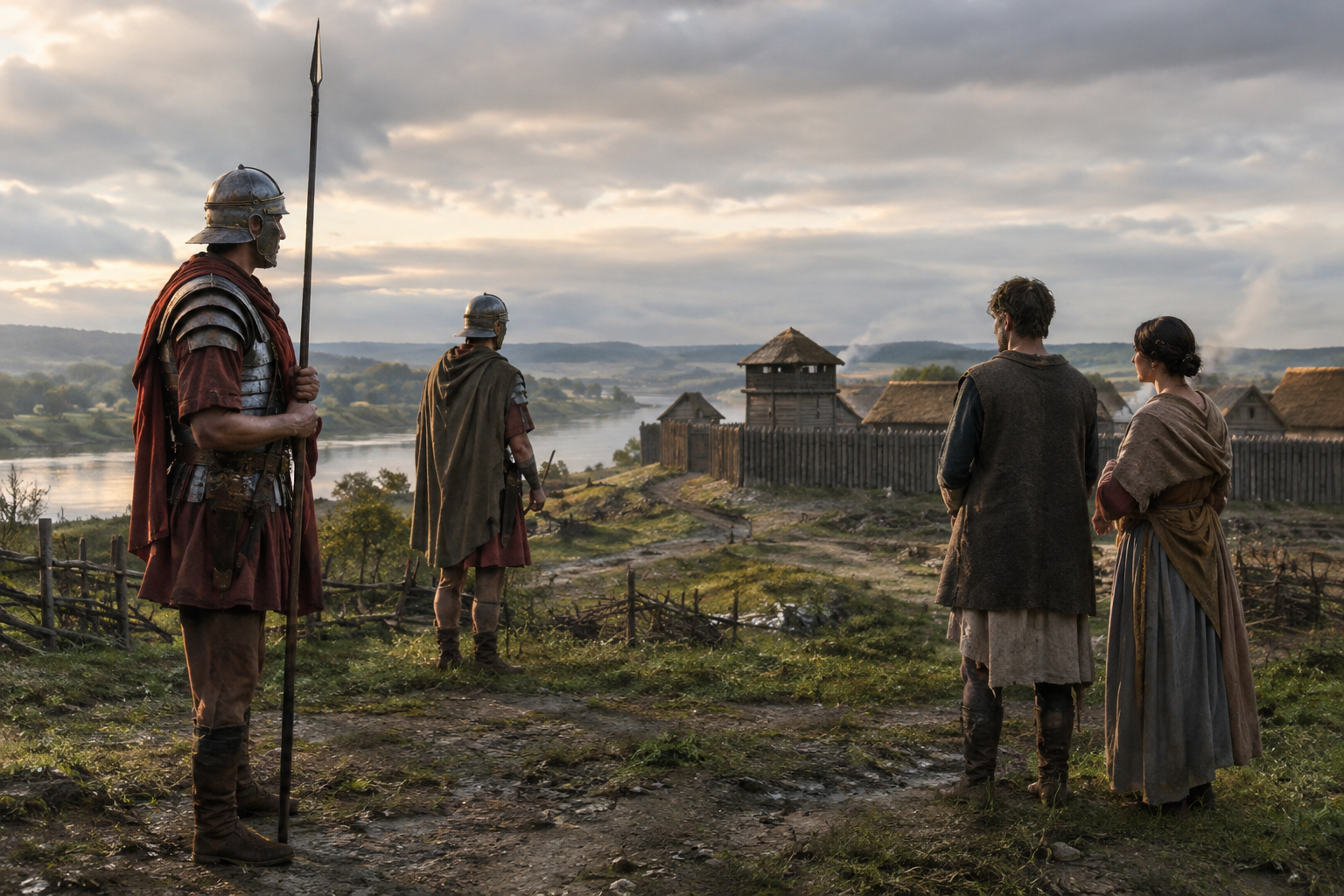
At Straubing-Azlburg on the Danube frontier, one late Roman burial stands out for a very modern reason: ancient DNA. The individual labelled STRAZ_I_15, dated to around AD 400 in present-day Germany, has been associated with the Y-DNA branch G2a2b2a1a1b1a1a2a1b1b. That is an extremely specific paternal line, and the setting matters. Straubing was not some remote village at the edge of history, but part of the Roman frontier world where soldiers, merchants, families, and migrants moved through forts, roads, and river crossings.
This is what makes the find so interesting. A Y-chromosome lineage traces one direct paternal line only, not a person's whole ancestry or identity, yet in a place like late Roman Straubing even one paternal line can open a window onto a larger story of mobility and mixture. Here, the question is not simply where this branch was "from", but how a man carrying this lineage came to be buried in a frontier community at the moment when Roman power in the region was under strain and transformation.
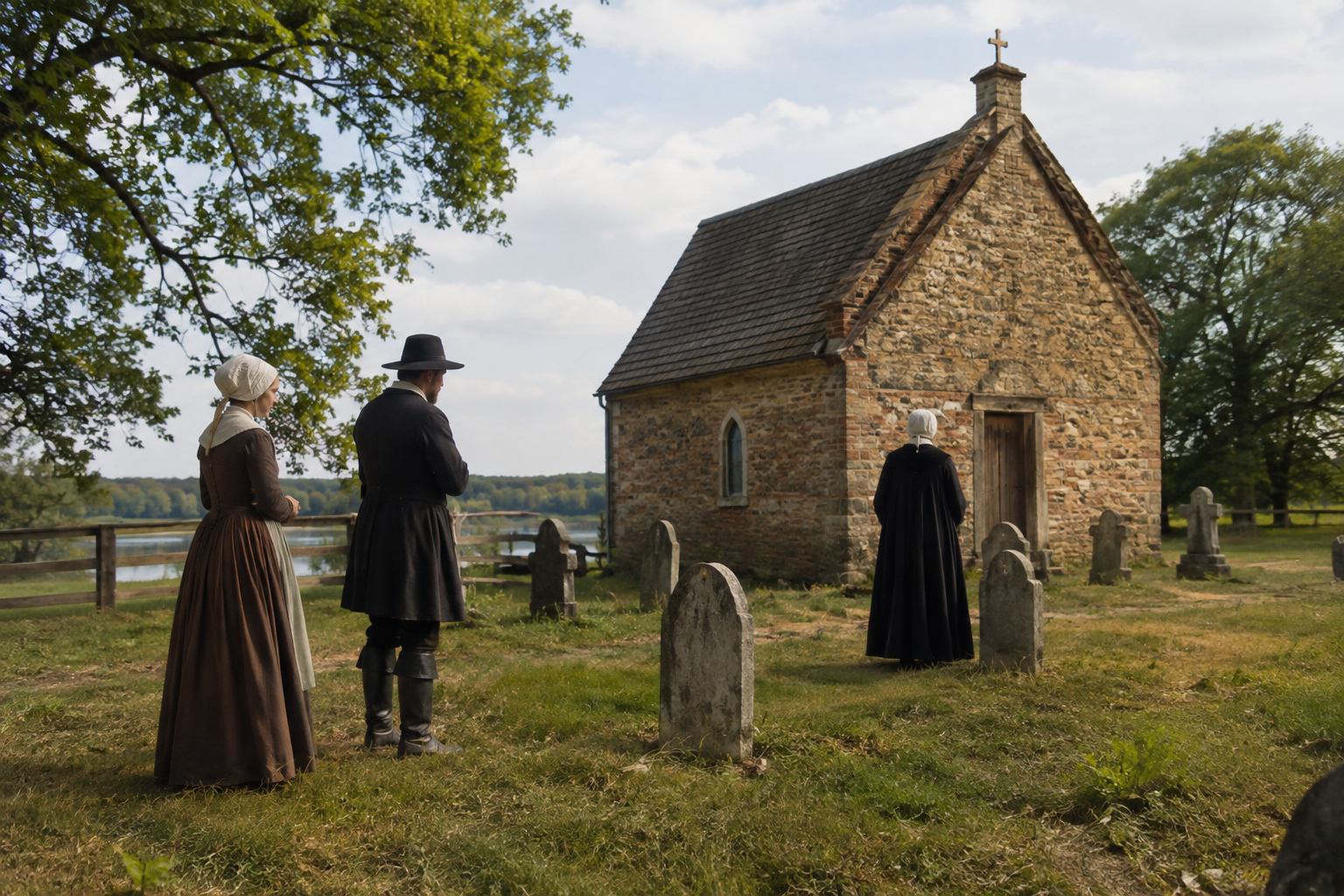
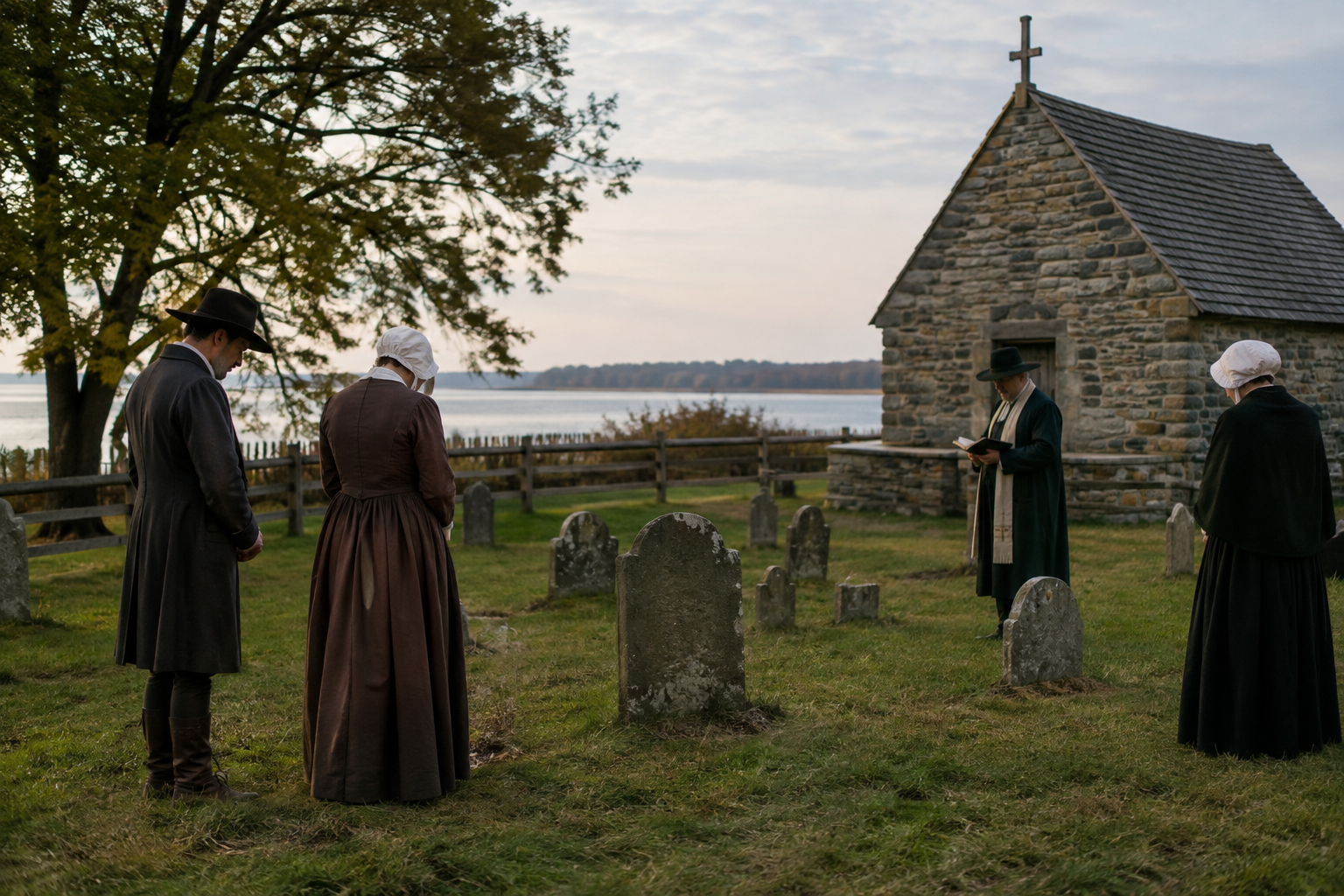
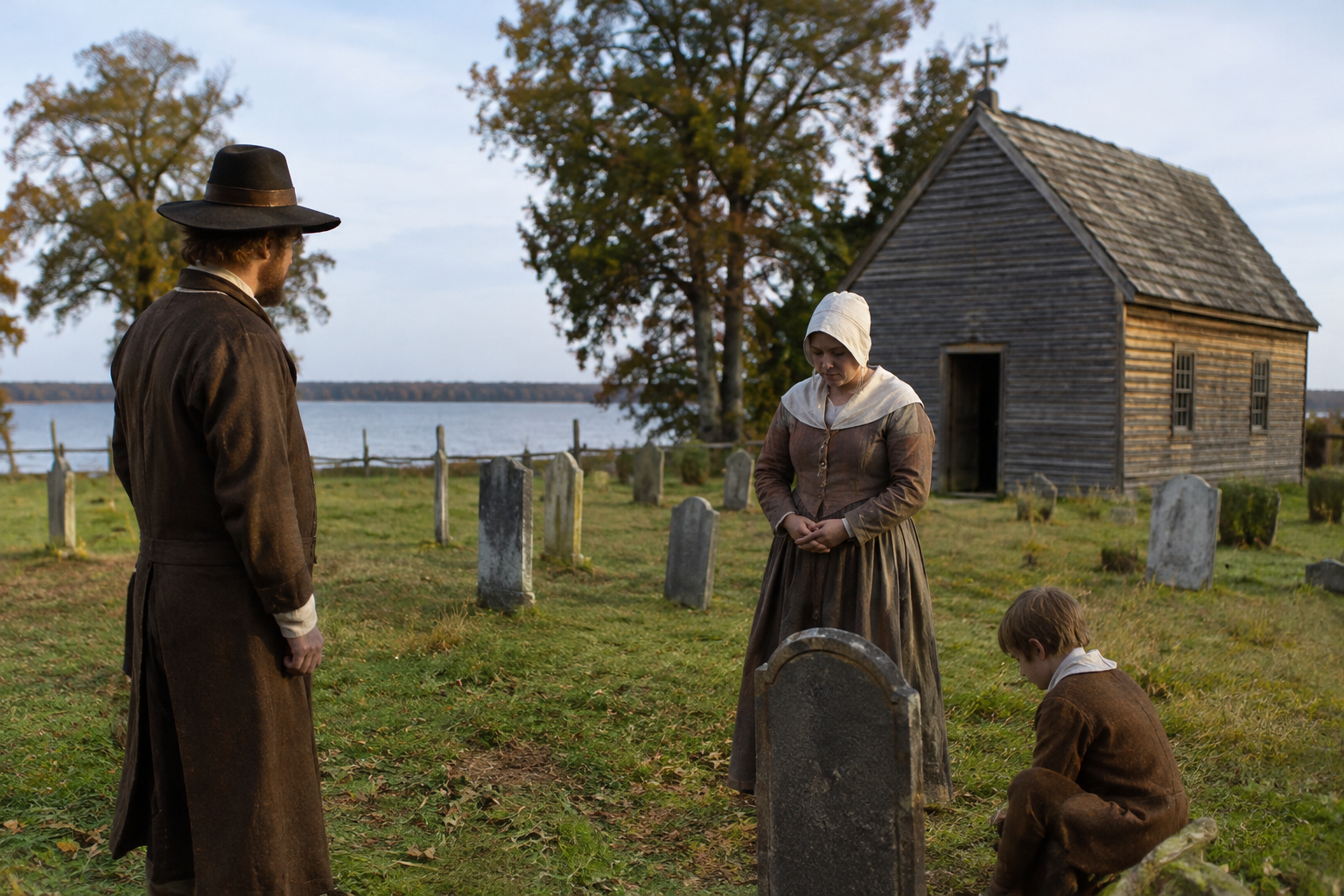
Straubing lies in Bavaria on the Danube, a river that was both boundary and highway. In the Roman period this zone connected the provinces south of the river with the unsettled and shifting worlds to the north and east. By about AD 400, that border was no neat line on a map. It was a lived landscape of forts, civilian settlements, military supply, intermarriage, and political improvisation.
The sample STRAZ_I_15 belongs in that frontier setting. Even with sparse sample-level detail, the archaeological context is already meaningful: this was a burial in a late Roman border region during the closing centuries of imperial rule in the west. A broader ancient DNA study of these frontier populations, published by researchers examining Roman and post-Roman communities in central Europe, helps frame why such individuals matter. These sites are invaluable because they show that borderlands were not sealed ethnic blocks. They were contact zones.
The first thing to say is that this formidable string of letters and numbers is a very narrow twig on a much older tree. The wider haplogroup G, and especially branches of G2a, is well known in ancient DNA because it appears in many early farming populations of Neolithic Europe. But that does not mean every far-downstream subclade had the same history, range, or social role. By the time we reach a branch as specific as G2a2b2a1a1b1a1a2a1b1b, we are dealing with a much later and more particular paternal history.
That matters because readers are often tempted to collapse a narrow branch back into a grand prehistoric headline. The evidence does not justify that shortcut. What the Straubing sample shows securely is that a man on this paternal line was present in a late Roman frontier community in southern Germany. It does not by itself prove uninterrupted descent from any one Neolithic population, nor does it assign him a language, tribe, or legal status.
With only one named ancient individual here, the temptation is to think the evidence is too thin. In fact, single samples often matter most when they come from historically sensitive places. Straubing-Azlburg sits in exactly that kind of landscape. Around AD 400, the western Roman Empire relied increasingly on local adaptation, federate arrangements, and mixed communities along its frontiers. Burials from such regions can catch people whose family histories were shaped by generations of movement.
A lineage like G2a2b2a1a1b1a1a2a1b1b appearing in this context reminds us that the late empire was not populated by simple blocs called "Romans" on one side and "barbarians" on the other. The frontier population included people whose paternal origins may have been older, more local, more mobile, or more entangled than the literary sources suggest. Archaeogenetics does not replace history here; it complicates it in useful ways.
One of the great mistakes in popular history is to imagine Roman frontiers as walls first and roads second. The Danube was emphatically a corridor. Troops moved along it, goods travelled on it, and settlements clustered around the opportunities and dangers it created. A paternal lineage found at Straubing may therefore reflect several kinds of history at once: local continuity, military service, family migration, or incorporation into a provincial community over generations.
That broader picture also fits what other ancient DNA work has repeatedly shown across the Roman world. Communities at forts and frontier towns were often biologically varied, sometimes surprisingly so. The same lesson turns up from Britain to the Rhine to the Balkans: imperial systems moved people, but not in one tidy direction and not in a single ethnic register.
Roman and early medieval Britain
For someone who matches or falls near G2a2b2a1a1b1a1a2a1b1b, the Straubing individual offers a firm historical anchor, but a modest one. He shows that this paternal line, or a line very close to it, was present on the late Roman Danube frontier by around AD 400. That is valuable because every securely dated ancient sample helps pin a branch to a real place and period, rather than leaving it floating in purely modern distributions.
It also suggests that this lineage belongs in the story of Europe's long-lived frontier zones, where older local ancestry and new arrivals met inside Roman political space. That is a more interesting picture than any simple label. Not a single tribe, not a single migration, and not a grand dynastic claim, but a paternal line caught at one of the busiest historical crossroads in Europe.
Germanic languages and genomes
The real fascination of G2a2b2a1a1b1a1a2a1b1b lies not in grandeur but in precision. Through STRAZ_I_15 at late Roman Straubing-Azlburg, this branch steps briefly into view in a world of forts, river traffic, and mixed communities at the edge of empire. For paternal ancestry research, that is the useful lesson: sometimes one well-placed ancient man tells us less about neat origins than about how deeply entangled European history already was.
Comments