Clan Walsh
– 3 min read


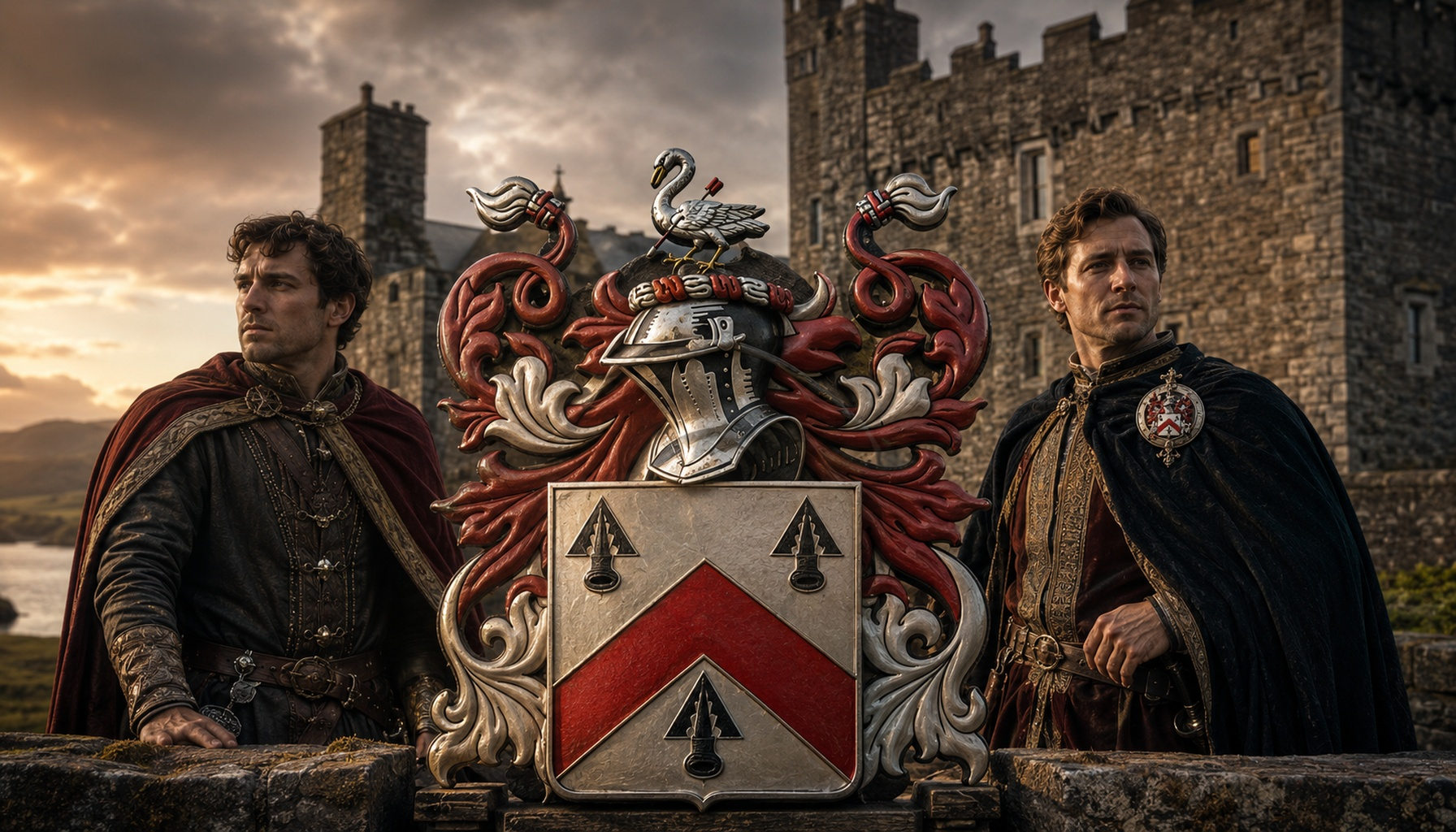
Clan Walsh were, in essence, families known as the Welshmen in medieval Ireland: people of Welsh-Norman origin who crossed into Ireland in the wake of the twelfth-century invasions and settlement movements, then rooted themselves so firmly in Irish soil that the surname became part of the island's long social memory. In surname form, Walsh simply means Welsh, but behind that plain label sits a very medieval story of migration, military service, land grants, lordship, and gradual integration. The primary haplogroup linked here is R1b1a1b1a1a2c1a2b1a1a2a, a branch well at home in the broader genetic landscape of Atlantic and western Europe.
What makes the Walsh story so interesting is that it is not one of neat, single-origin identity. Like much of medieval Ireland, it is a story of blending. These families arrived in a world shaped by Norman expansion, marcher traditions from Wales, and already deep Gaelic political networks. Over generations, Walsh lines became landholders, local officials, soldiers, churchmen, and neighbours. They kept a surname that advertised outsider origins, yet in practice they became unmistakably part of Irish society. That is the great historical truth of the name: not separateness, but absorption without disappearance. Among the named figures linked to the surname is Walter Walsh, noted in 1572, a reminder that the family remained visible in the documentary record long after the first medieval settlers had become, for all practical purposes, Irish.
Explore the Royal House of Dinefwr
A strong location anchor for Clan Walsh is Castlehale in County Kilkenny, long associated with the Walshes of the Mountain and the wider Walsh presence in the region. Castlehale sits in that rich southeast Irish landscape where medieval settlement patterns can still be read in field lines, church sites, tower houses, and old estate boundaries if you know how to look. The Walsh connection there reflects exactly the kind of regional establishment that followed the medieval settlement of Ireland: a family of mixed Welsh-Norman background becoming tied to a specific district, exercising local authority, and leaving traces in both records and place memory. Historical material connected with Castlehale points to it as a seat of Walsh importance, not just a passing residence but part of a durable territorial footprint. And yes, Castlehale and its surrounding area can still be visited today in County Kilkenny, which is one of the pleasures of Irish family history: the landscape has not forgotten.
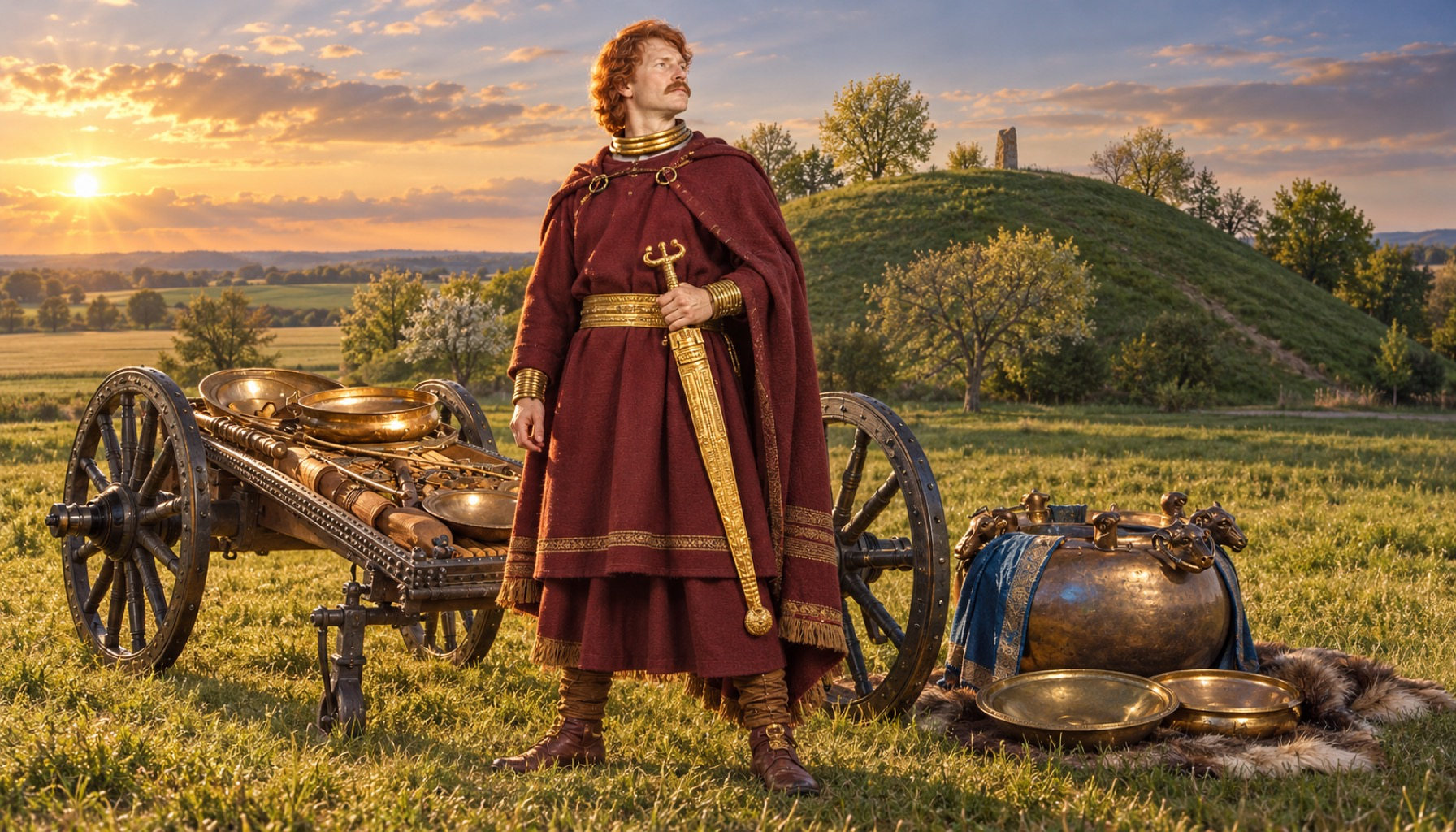
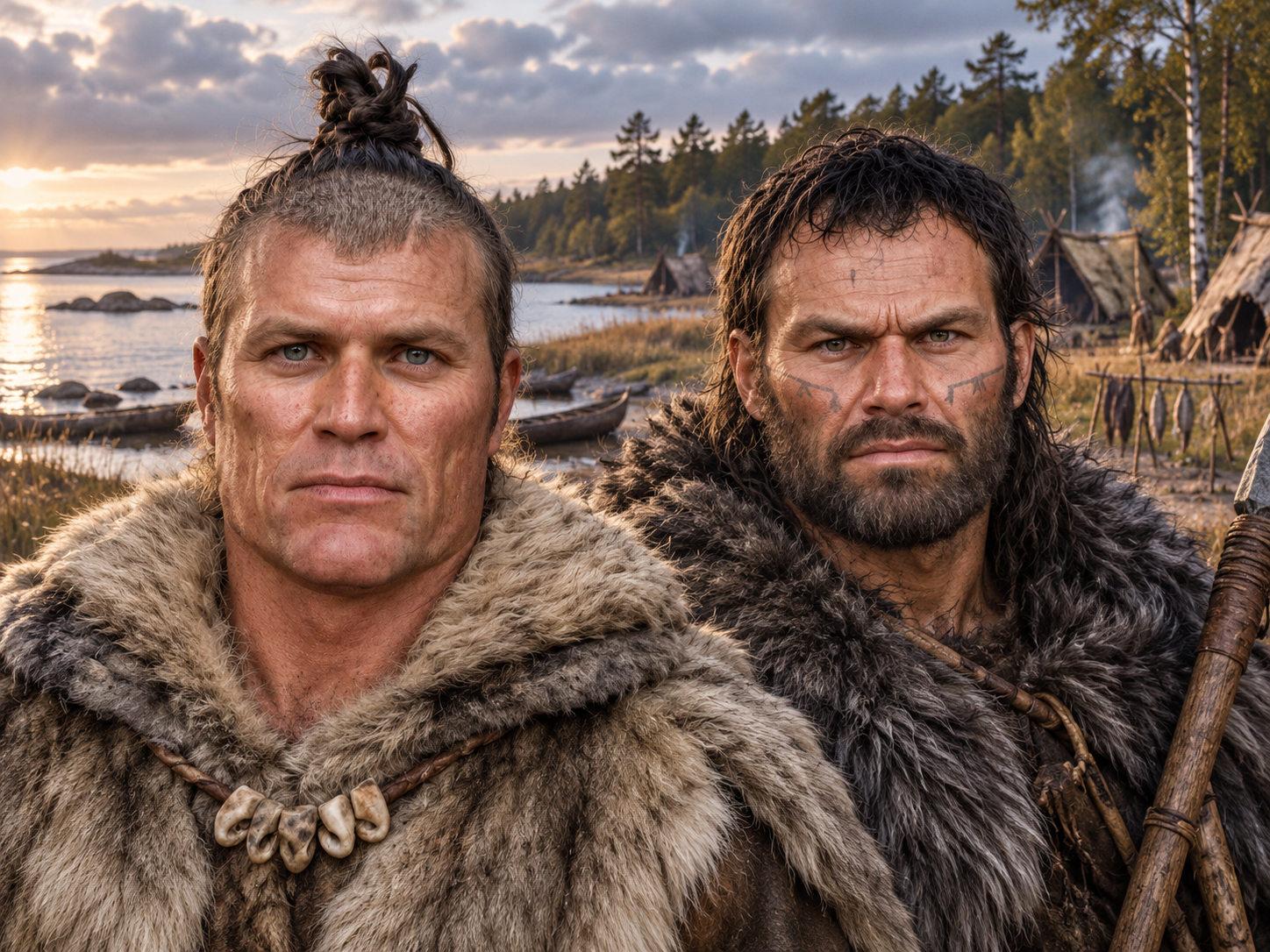
From a DNA perspective, the primary family haplogroup tag here is R1b1a1b1a1a2c1a2b1a1a2a. That does not prove direct descent from any excavated ancient individual, and it is important not to pretend otherwise. What it does offer is a fascinating network of related or linked ancient samples spread across time and place: Celtic Durotriges from Duropolis at Winterborne Kingston in England such as WBK12, WBK20, WBK29, WBK41, WBK05, WBK30, WBK43, WBK06, WBK08, WBK18, and WBK191; Iron Age and Roman era individuals from Somerset, Dorset, Portugal, Austria, Croatia, and Germany including I11991, I11580, R10488, R10656, I26776, and IND013; and deeper prehistoric examples such as Bell Beaker and Bronze Age samples from Wiltshire, Cambridge, Bedfordshire, Orkney, Calabria, South Lanarkshire, the Thames, and Rathlin, including I4950, I2417, I3256, I7576, I7577, KD061, GMO015, I5473, I5377, and Rathlin2B. There are also medieval and early medieval linked individuals from Belgium and the Faroe Islands such as ST2025, ST1308, and VK27. Taken together, these linked samples fit the broad world from which a Walsh paternal story might emerge: Atlantic-facing, British and Irish, with roots reaching back through Iron Age Celtic communities, Roman-period mobility, and Bronze Age population layers.
If you carry the Walsh surname, or suspect Walsh lines in your family tree, this is exactly the sort of history worth testing against both records and genetics. Uploading your DNA can help you see whether you match Clan Walsh, the R1b1a1b1a1a2c1a2b1a1a2a line, or any of the related ancient samples linked to this wider Welsh-Norman and Irish story.


Comments