Clan Seton
– 3 min read


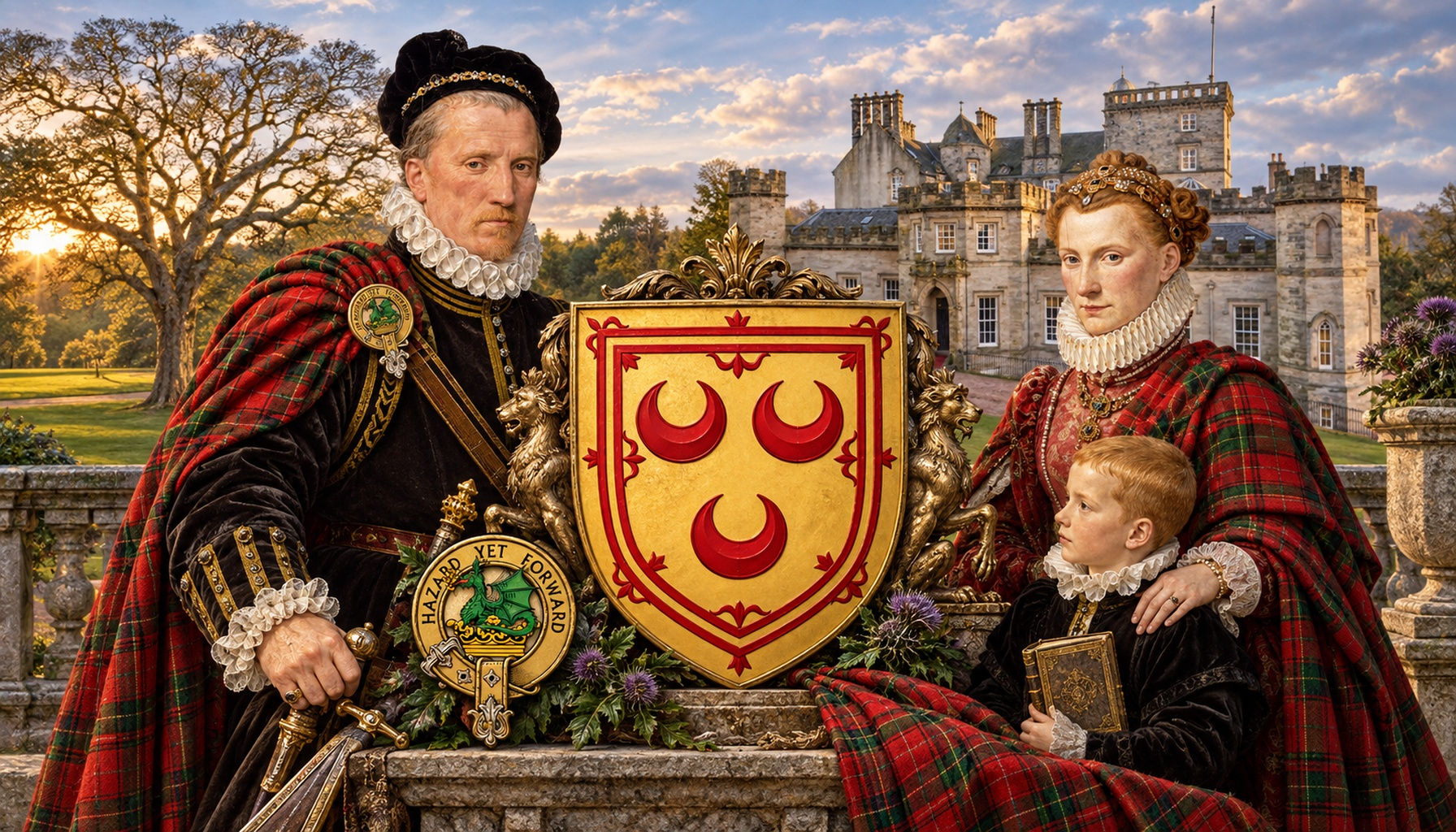
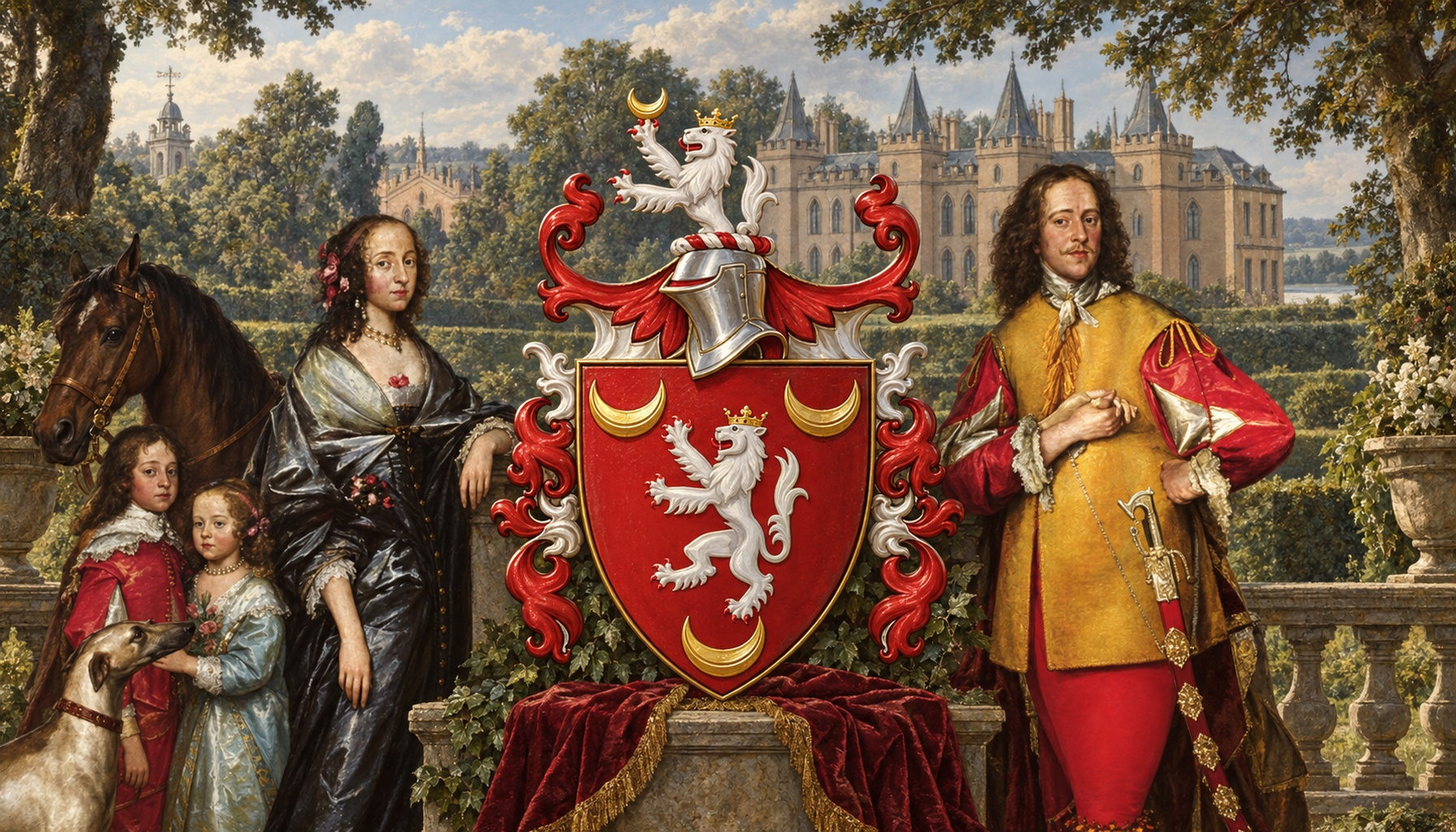
Clan Seton was one of the great noble houses of Scotland, rooted above all in East Lothian, and remembered for lordship, loyalty, heraldry, and imposing residences tied to royal power. The family took its name from Seton, near the Firth of Forth, and rose in the medieval kingdom through the classic machinery of aristocratic success: land, marriage, service to the crown, and the careful performance of status. The haplogroup most closely linked here is R1b1a1b1a1a1e1b, a lineage found across a wide spread of European historical and prehistoric contexts. In the case of Seton, the story is not simply one of a surname, but of a territorial house that turned local lordship into national influence.
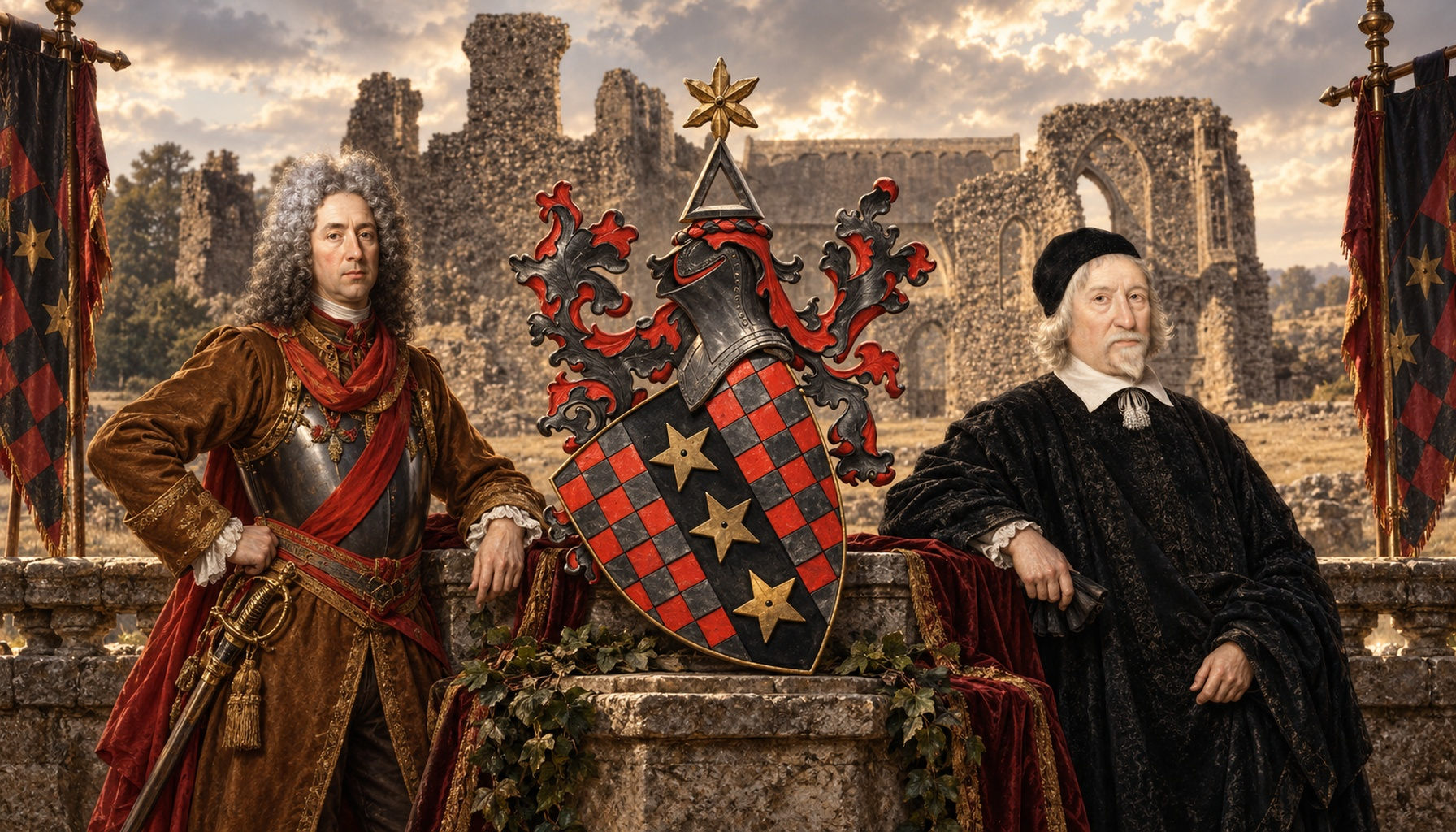
The Setons belong to that very Scottish pattern in which a family becomes almost inseparable from its lands and buildings. From their East Lothian base they developed into prominent royal servants, military men, and court figures, eventually becoming Lords Seton and later Earls of Winton. Their political profile was especially marked by loyalty in difficult times. George Seton, 7th Lord Seton (1531-1586), stands out as one of the most notable supporters of Mary Queen of Scots, while Robert Seton, 1st Earl of Winton (1553-1603), represented the family's elevation in rank and prestige. George Seton, 3rd Earl of Winton (1584-1650), carried that aristocratic legacy into the troubled seventeenth century. Through all this, the Setons cultivated a strong identity built around dynastic memory, heraldic display, castle building, and visible fidelity to crown and cause.
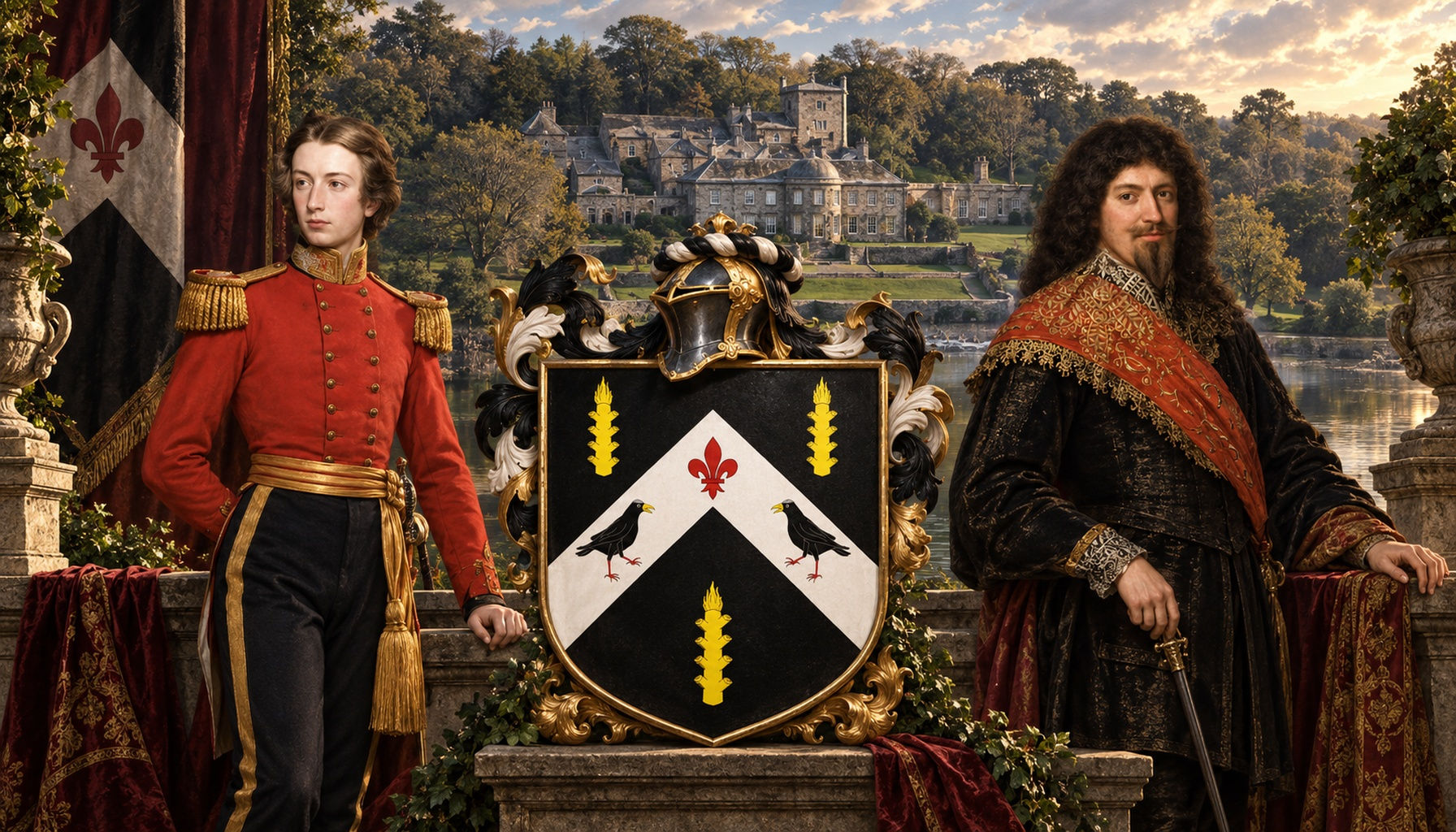
Winton Castle is one of the clearest surviving anchors of Seton memory. Located near Pencaitland in East Lothian, it stands within the landscape that nourished the family's long authority and later became associated with the Earls of Winton. The site reflects several historical layers rather than a single frozen medieval moment, which is often how these great houses work in reality: part fortress, part residence, part political theatre. The earlier core is thought to have medieval origins, with later rebuilding and remodelling producing the more complex structure seen today. That matters, because a noble house like Seton expressed its power not only through charters and titles, but through stone, approach roads, towers, halls, and the choreography of arrival. Winton was a place where family prestige could be staged in architectural form. It remains a well-known heritage site linked to the Setons and, yes, it can still be visited, which gives modern visitors the rare pleasure of standing in a place where Scottish aristocratic memory is still materially present rather than merely archival.
The haplogroup tag associated here, R1b1a1b1a1a1e1b, also appears in a broad set of ancient DNA contexts across Europe, which is useful for giving deep-time background without claiming direct descent from any particular excavated person. Related or linked samples include Bronze Age Unetice Thuringia Leubingen Sommerda Germany (LEU007), Late Neolithic Vlaardingen/CordedWare Netherlands Mienakker (I12902), Battleaxe Sweden L Beddinge 56 (RISE98), Celtic Iron Age Austria Hallstatt (CGG101214), Imperial Roman Viminacium Serbia Pecine Necropolis (I15527), Roman-period Germanic Warrior Mursa Croatia Third Century Crisis (OSIJ003), Saxon England North Yorkshire West Heslerton Vale of Pickering (I11583), Early Anglo Saxon Cemetery West Heslerton Yorkshire (I20652, I11584), Early Anglo Saxon Period Buckland Dover England (BUK012, BUK060, BUK064, BUK070), Anglo Saxon Oakington England (OAI006, OAI013), Viking Age Sigtuna Sweden (urm160x), Danii Tribe Denmark Sjaelland Kalundborg Simonsborg (CGG106724), Post Viking Age Hedeby Schleswig Rathausmarkt Southern Jutland (SWG001), Medieval Belgium Sint-Truiden Onze-Lieve-Vrouwekerk (ST0024, ST0323, ST0786), and Carolingian Belgium Sint-Truiden Groenmarkt (ST2969). Others come from Migration Period and Longobard-era Pannonia and Germanic contexts, such as GYS029, SZL050, SZL051, SZL076, BRC006x, RTW012, HID003, HID004, HVN003, HVN004, DUN006, DUN009, and DUN011. What this suggests, in broad terms, is a paternal line found within the long population history of northern, central, and western Europe, fitting neatly with the kind of layered background one might expect behind a historic Scottish noble house.
Explore the Royal House of Stewart
If you are exploring Seton ancestry, Scottish noble families, or the deeper story behind haplogroup R1b1a1b1a1a1e1b, you can upload your DNA to MyTrueAncestry and see whether you match Clan Seton or any of these related ancient DNA samples. It is a fascinating way to place family history beside archaeology and genetics, and to ask not just who your recent ancestors were, but what wider human past they belonged to.
Comments