Clan Ouchterlony
– 2 min read


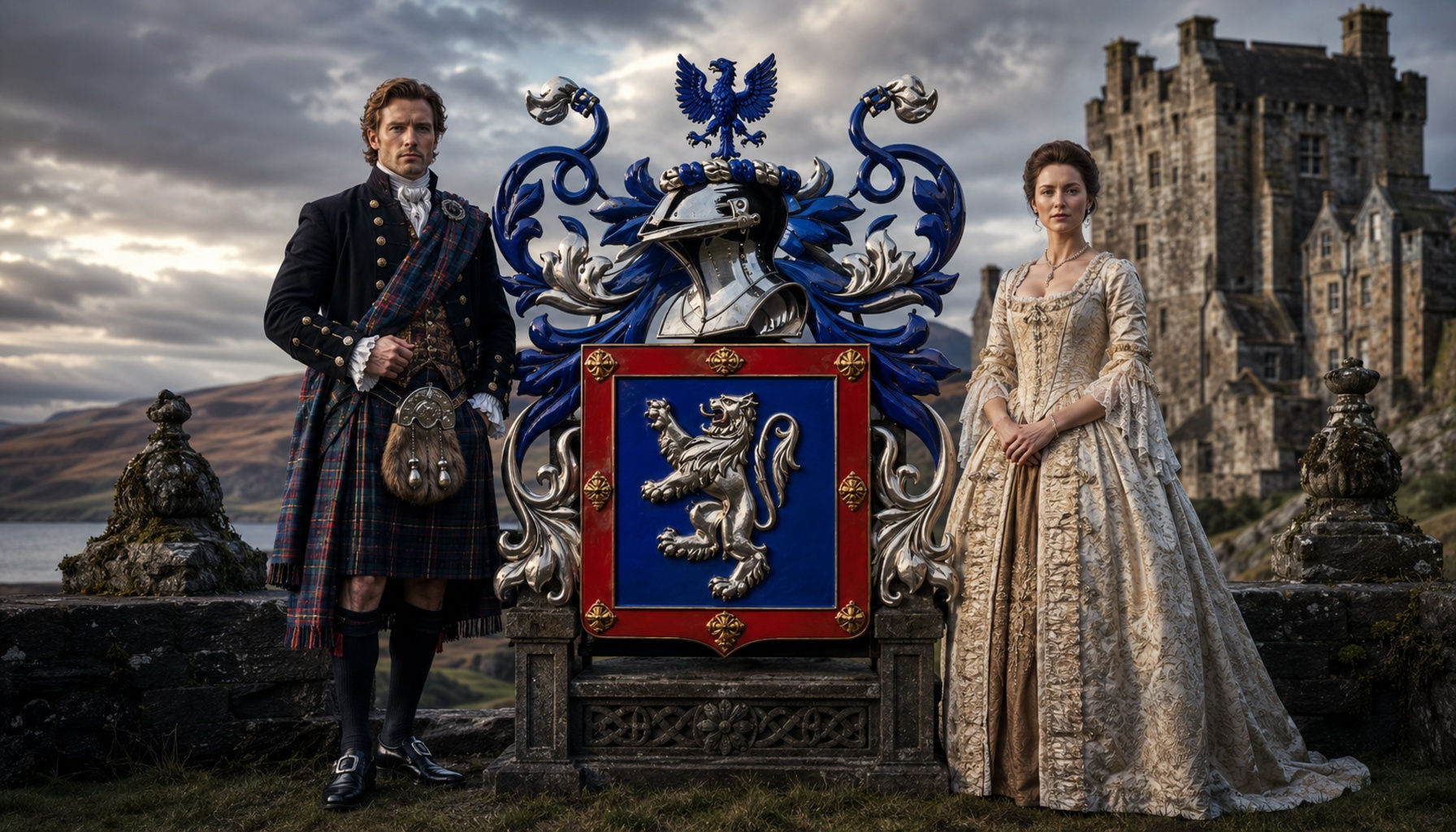
Clan Ouchterlony was a Lowland Scottish family tradition rooted in Angus, shaped by land, local service, and the long memory of place. Their story is less the thunder of Highland battle legend and more the steady endurance of a landed name tied to territory, authority, and public standing. The family is linked here with the primary haplogroup I1a2a1a1a1a2b4b, a paternal line found today through genetic testing and also seen in a range of ancient DNA contexts across northern and wider European history.
The surname itself points to location, which is very often how Scottish families first become visible in the record: not as abstract clans floating in myth, but as people of a particular estate, district, or parish. In that sense the Ouchterlonys fit a recognisably Lowland pattern. They emerge through estate ties, burgess life, heraldic identity, and regional duty. Among the earlier named figures is Wauter de Oghterlovey in 1296, a reminder that the family was already established in the documentary landscape of medieval Scotland. By 1627 we find David Auchterlonyng, Burgess of Glasgow, showing how the name had moved beyond its territorial cradle into the civic and commercial world of an important Scottish burgh, while still preserving its older identity.
To understand Clan Ouchterlony properly, Brechin matters. This historic town in Angus was one of the old ecclesiastical and local power centres of eastern Scotland, set on the River South Esk and known for its remarkable cathedral and famous round tower, one of the most striking survivals of early medieval Scotland. Brechin developed as a place where church influence, lordship, trade, and local administration all met. That is precisely the kind of environment in which a family such as the Ouchterlonys could anchor itself and endure: close enough to routes of exchange and authority, yet firmly embedded in a regional landscape of estates and inherited loyalties. It remains visitable today, and for anyone tracing Lowland family history it offers something rare - not just a name on paper, but a real historic setting where the layers of Scottish continuity are still visible in stone, street pattern, and surrounding countryside.
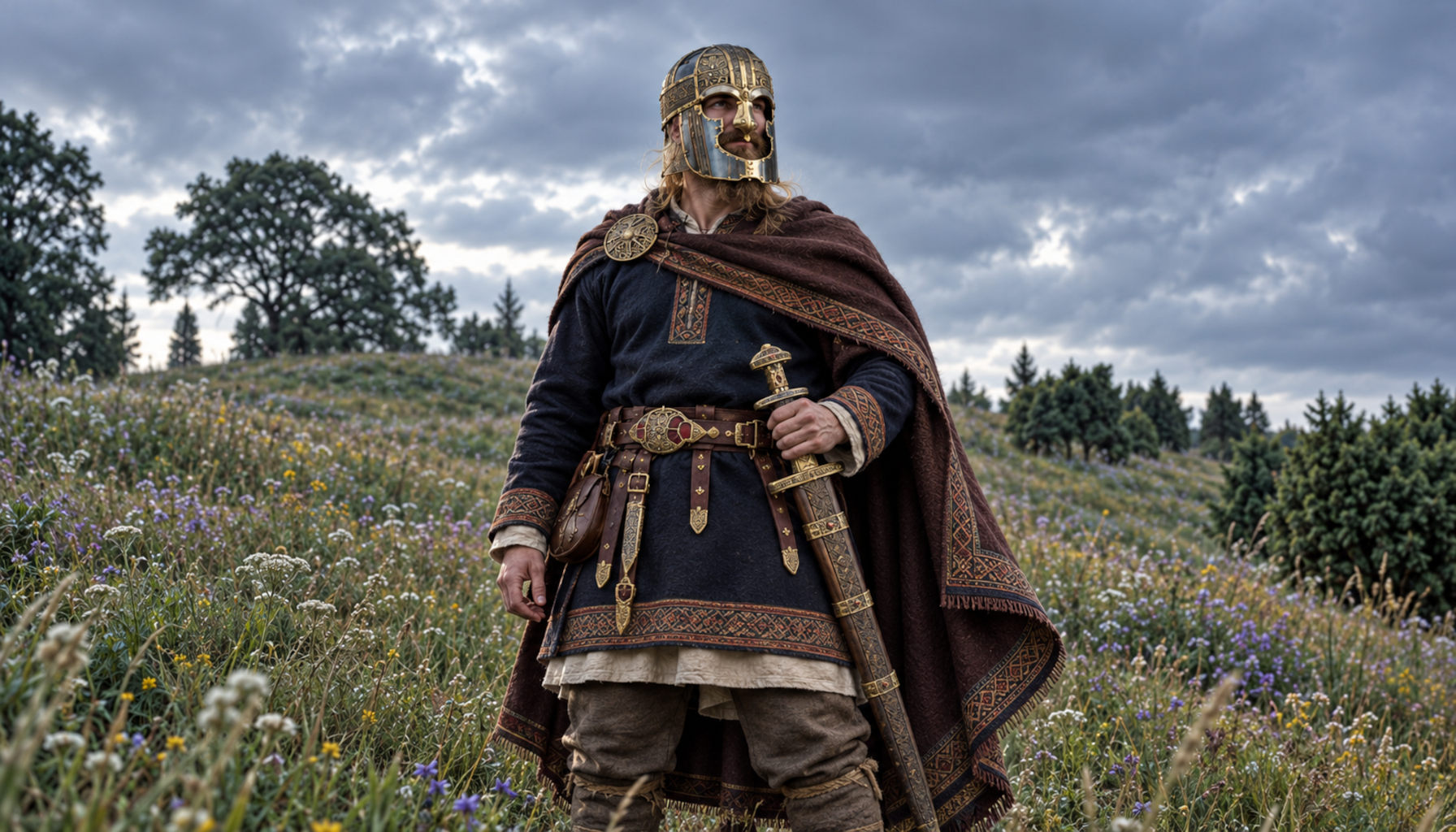
From a DNA point of view, the Ouchterlony-linked haplogroup I1a2a1a1a1a2b4b opens an intriguing wider backdrop. Related or linked ancient samples appear in very different parts of Europe and across different eras, including Migration Period Hungary at Rakoczifalva (RKF280), an Uralic outlier from Iron Age Denmark on Bornholm Island at Slusegard (CGG106748), Viking Age Denmark at Bogovej (CGG106777), the Early Anglo-Saxon period at Buckland Dover in England (BUK073), and even Medieval Tarquinia in Lazio, Italy (TAQ009). These are not evidence of direct descent from the Ouchterlonys themselves, nor should they be treated as such. What they do show is that this paternal branch belongs to a much older and wider historical network stretching through Scandinavian, North Sea, and broader European worlds - exactly the kind of deep-time background that often sits behind later Scottish Lowland surnames.
Explore ancient DNA in post-Roman Britain
If you carry the Ouchterlony surname, have Angus roots, or simply want to see whether your DNA connects with Clan Ouchterlony or with these related ancient I1a2a1a1a1a2b4b-linked samples, this is exactly the sort of journey DNA can illuminate. Upload your DNA to MyTrueAncestry and compare your results with the deeper archaeological record as well as family-linked heritage lines.
Comments