Clan Kerr
– 2 min read


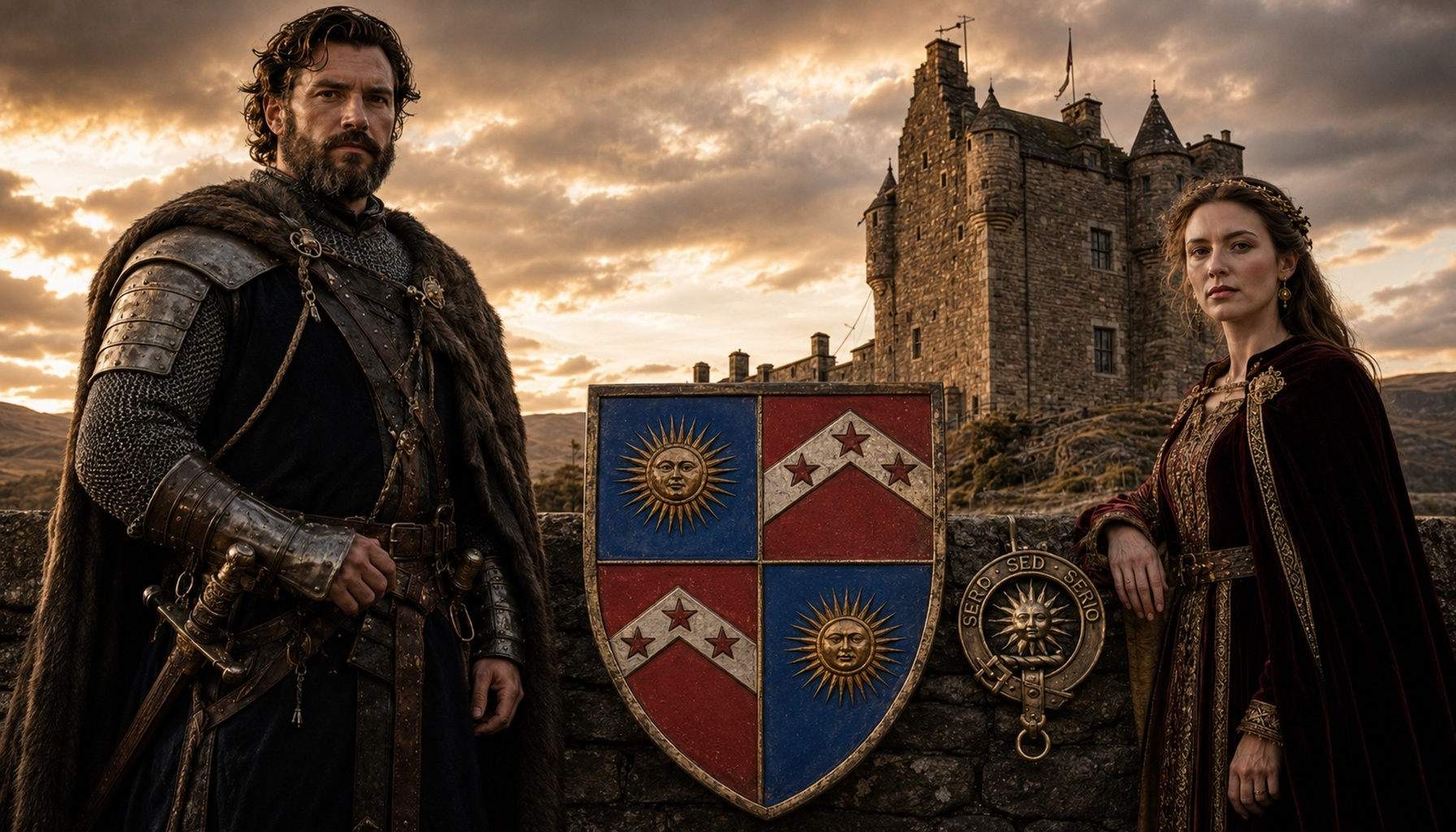
Clan Kerr was one of the great Scottish Border families, shaped by the hard country of Roxburghshire and by life on the frontier between Scotland and England. Their primary linked haplogroup is R1b1a1b1a1a2c1a1a2a, a paternal line associated with parts of Britain and northwestern Europe. The Kerrs were not simply a clan of tartan-page romance. They belonged to the rough, practical world of the Borders, where kin mattered enormously, towers and castles were essential, and a family survived by keeping land, keeping allies, and very often keeping weapons close at hand.
That is what makes the Kerr story so recognisably Border. They rose in a landscape of raids, loyalties, feuds, wardenships, noble titles, and constant negotiation with danger. Reiving was part of the social fabric, not some strange exception, and families like the Kerrs had to balance service to the crown with the daily realities of local power. Over time they became one of the most prominent names in the region, producing lairds, soldiers, and political players. Tradition also remembers William Ker of Kersland joining William Wallace in 1296, which places the family firmly in the long, restless age of wars for independence and frontier survival.
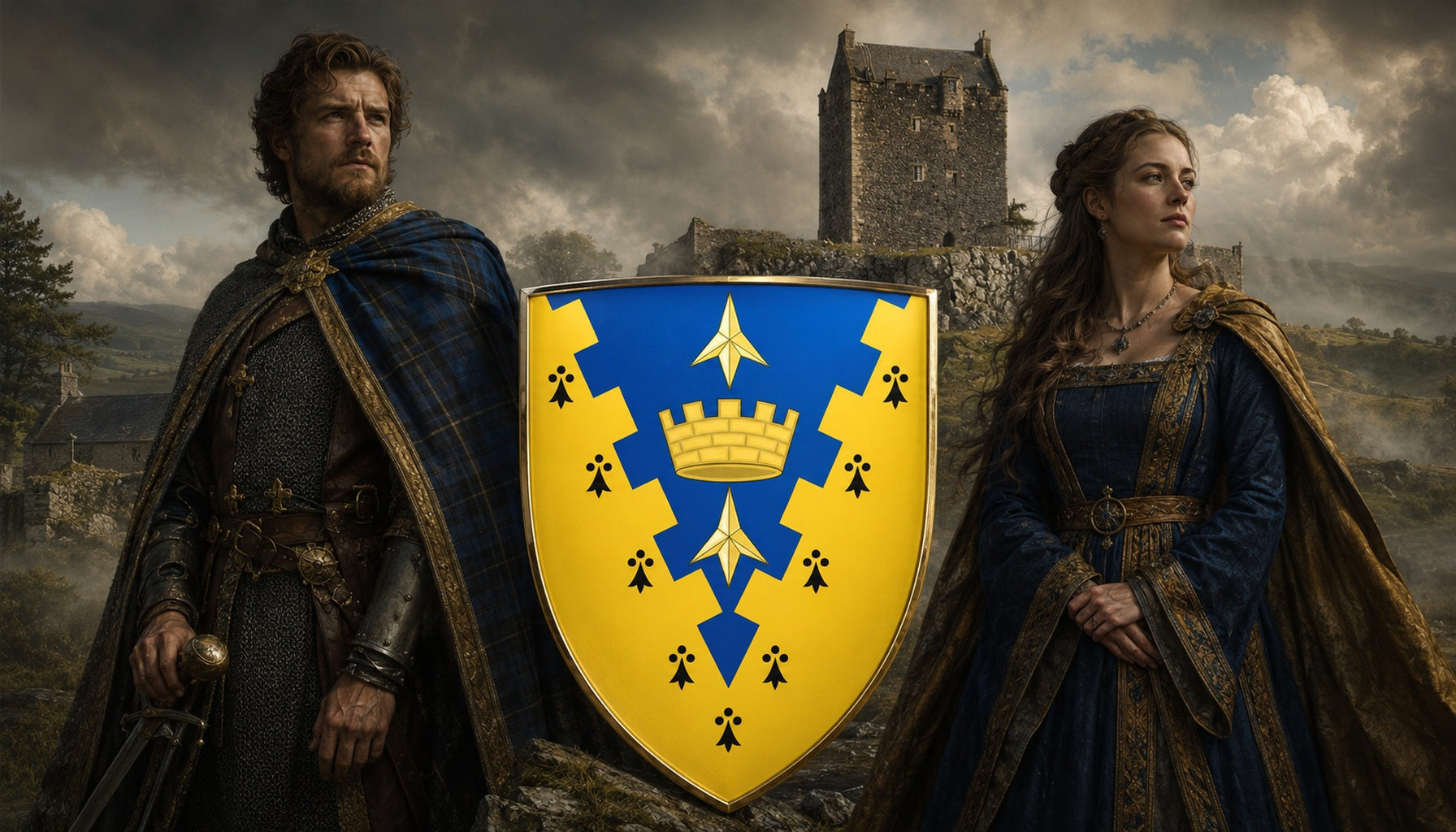
The great location anchor for Clan Kerr is Ferniehirst Castle, near Jedburgh in the Scottish Borders. This was the seat of the Kerrs of Ferniehirst and, in many ways, it looks exactly as a Border stronghold ought to look: defensive, commanding, and built for a world in which a household might need to become a garrison at very short notice. The castle began in the 15th century and was later damaged, rebuilt, and altered, reflecting the repeated shocks of Anglo-Scottish conflict. Architecturally it is known for its tall tower-house core and later extensions, and historically it sat in a district where military pressure, family rivalry, and crown politics were never far away. It is not just a picturesque ruin in the modern sense, but a reminder that Border power was physical, local, and fortified. Ferniehirst Castle is still standing and is visited by the public on open days and by arrangement, so yes, it can still reasonably be counted as a place you may be able to visit.
From an ancient DNA point of view, the Kerr haplogroup link R1b1a1b1a1a2c1a1a2a connects the family story to a wider and older British pattern rather than to a proven single ancestor. Related or linked samples include Medieval England Cambridge St Johns Hospital (ATP_PSN_68), Iron Age Thame, Oxfordshire (I14807), Celtic Briton Yarnton, Oxfordshire (I21182), Celtic Briton Broom Quarry, Bedfordshire (I16597), Celtic Iron Age Harlyn Bay, Cornwall (I16380), Iron Age North Berwick, East Lothian, Scotland (I16499), and Iron Age Orkney, Scotland (I2799). These do not prove direct descent from Clan Kerr, and it is important not to pretend they do. What they do suggest is that the paternal line linked with the clan fits into a deep tapestry of Iron Age, Romano-British, and medieval ancestry across Britain, including both England and Scotland.
If you carry Kerr ancestry, or simply have roots in the Scottish Borders, this is exactly the sort of history that DNA can make feel startlingly close. Upload your DNA to MyTrueAncestry and see whether you match Clan Kerr, the haplogroup R1b1a1b1a1a2c1a1a2a, or related ancient samples from Iron Age and medieval Britain.
Comments