Clan Charron

– 3 min read


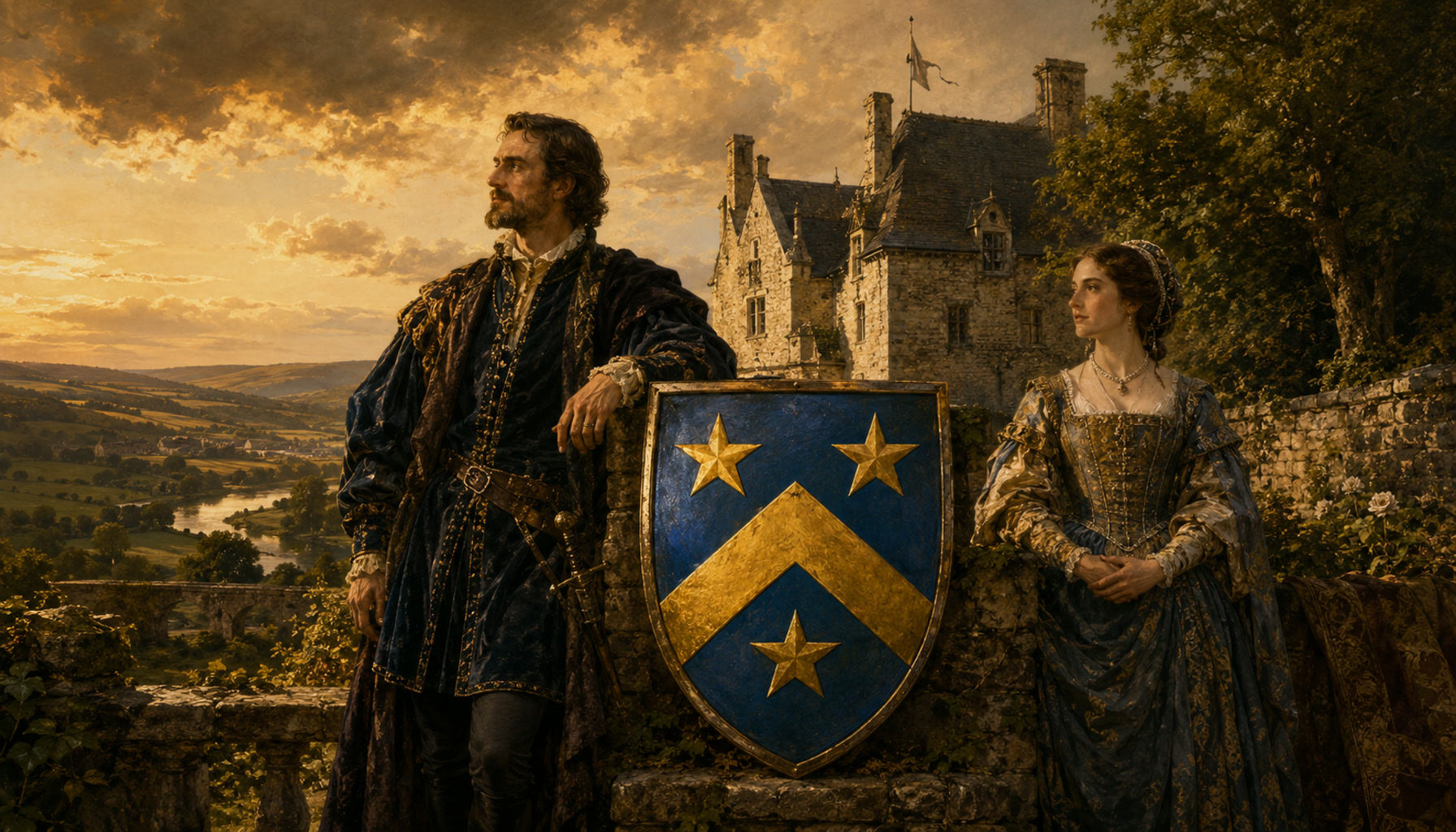
The Charron family is presented here in the grand commemorative manner of a clan, even if it does not belong to the best-known Gaelic or Highland structures. That makes it no less interesting. Families like Charron remind us that heritage is not only about feudal lordship or famous battlefields. It is also about the long survival of a name, the stories attached to it, and the values a lineage chooses to carry forward. In this case, the guiding thread is the motto Tenax Propositi, "tenacious of purpose," a phrase that gives the Charron identity a particularly durable character. In genetic tagging terms, this family report is linked with haplogroup R1b1a1b1a1a2b1c1b1, treated here as the primary family haplogroup marker.
The name is best understood in a French and Norman historical setting, where local place-names, seigneurial memory, and medieval record-keeping helped surnames harden into lasting family identities. Rather than pointing to one vast clan territory, the Charron story is rooted in continuity: a family line defined by endurance, loyalty, and the stubborn refusal to disappear into the fog of history. That mood suits the medieval world of northern France very well, where villages, churches, manorial ties, and hereditary names were steadily shaping the social map. A named figure such as Sir Caron de Bosdegas, recorded in 1351, gives the lineage a useful historical foothold, suggesting a family already visible enough to enter the written record in the later Middle Ages.
Read more about the House of Gervais
A fitting location anchor for the Charron heritage is Cairon in Normandy, in the Calvados department of northwestern France. Today it lies just inland from the coast, within reach of Caen and the Channel shore, and it sits in a landscape layered with the usual Norman mixture of deep time and busy history. This is country shaped by Roman administration, early medieval settlement, ducal Normandy, parish life, agriculture, and later the great upheavals of modern war. Cairon itself belongs to that recognisably Norman world of stone churches, old fields, and long local memory. It is not some vanished place known only from parchments; it still exists and can be visited today, which matters enormously in family history. There is something very grounding about being able to stand in an actual village, on actual roads, in the same broad landscape where a family name may once have taken root and endured.
Explore ancient DNA from Normandy
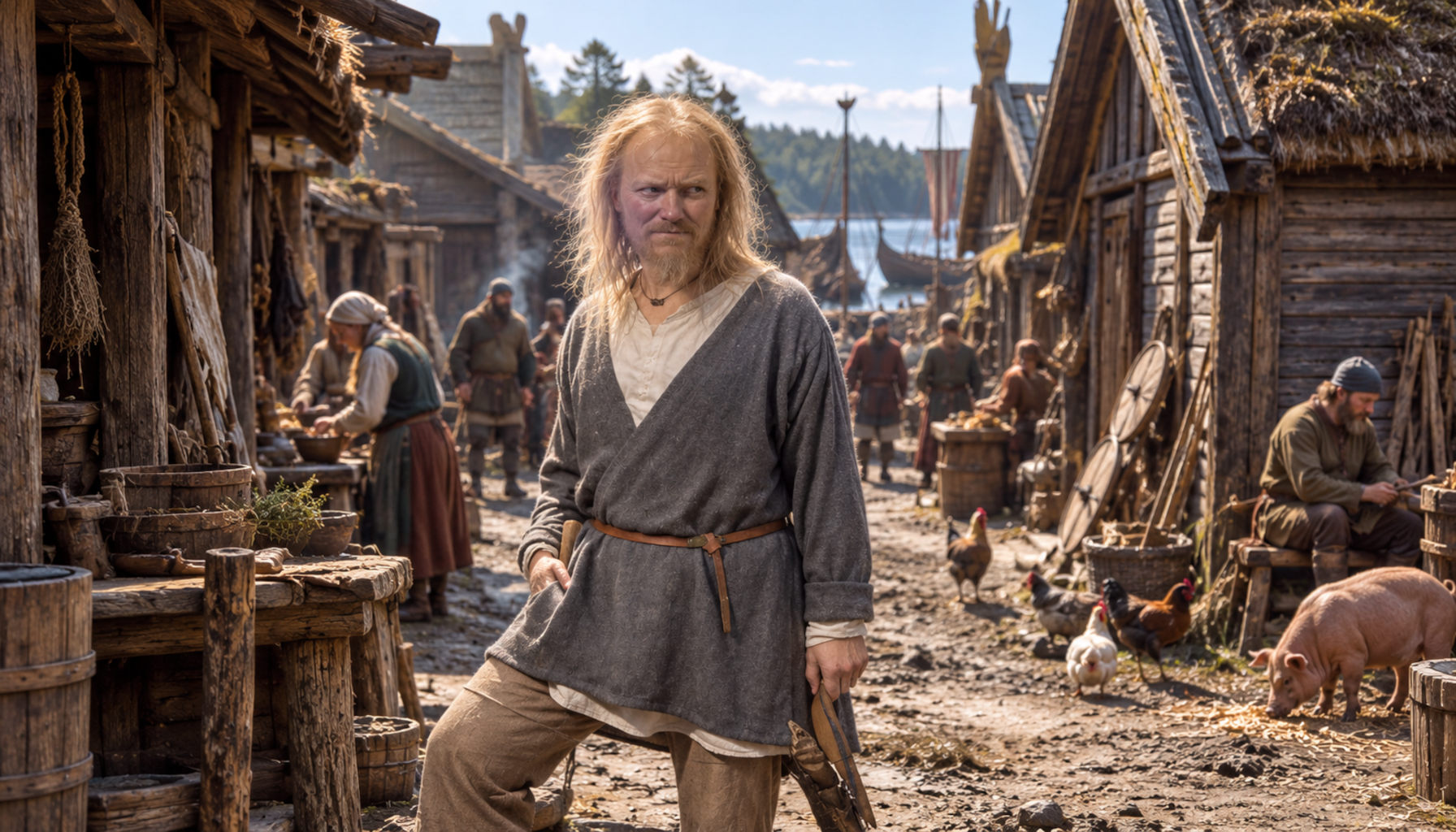
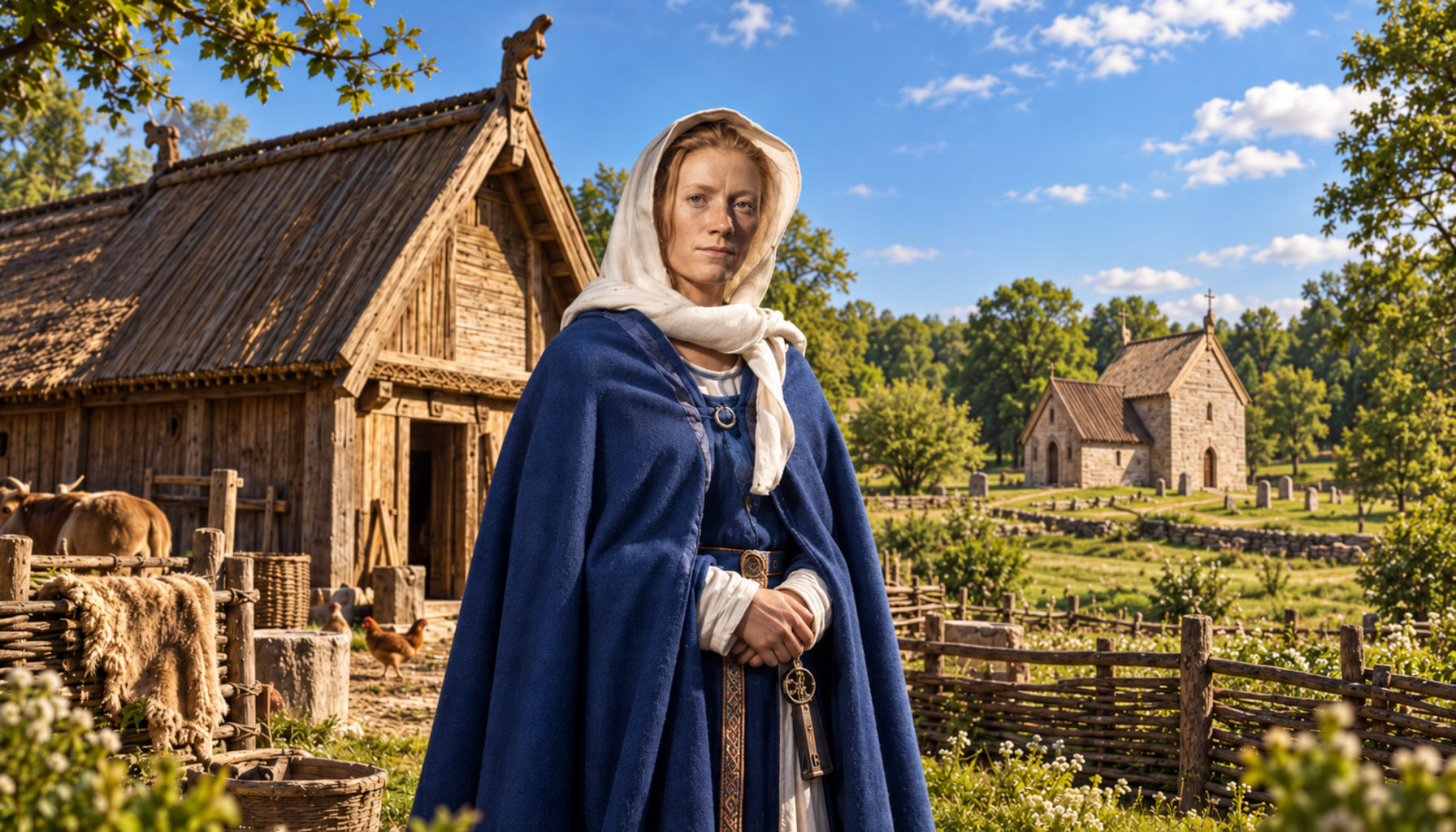
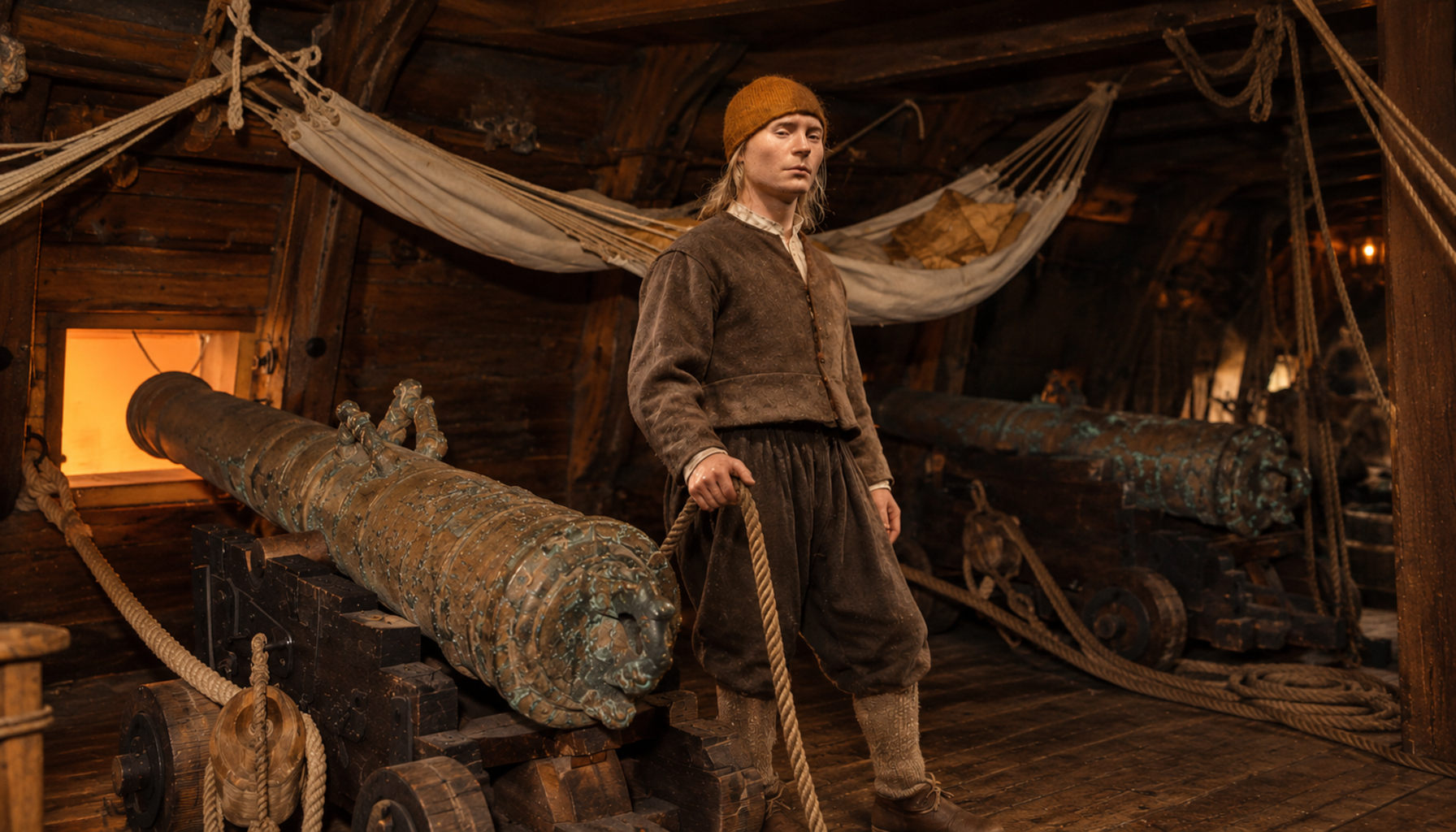
For the ancient DNA side of the story, the Charron report is linked symbolically through the broader R1b1a1b1a1a2b1c1b1 paternal world rather than through any claim of direct descent from named excavated individuals. Related or linked samples associated with this wider branch appear across a striking geographical spread: Migration Period Hungary at Rakoczifalva (RKF247), Post Roman Iron Age England at Wetwang Slack in East Yorkshire (C10462), Celtic Iron Age Harlyn Bay in Cornwall (I16440), Late Iron Age East Kent (I19873), a Quadi-associated sample from Bratislava, Slovakia (I11712), Early Medieval Pohansko in Moravia, Czech Republic (POH27), Viking Age Skara Varnhem in Sweden (VK40), and Viking Age Oland (VK335). What is so lovely about this list is that it shows not a single tidy ethnic box, but a real European historical pattern: the same deeper paternal lineage appearing among Celtic, post-Roman, Germanic, early medieval, and Viking Age contexts. That does not make those individuals Charrons, of course. It does, however, place the family within a very old and very mobile western Eurasian genetic landscape.
Read more about ancient DNA in post-Roman Britain
The Charron story is, at heart, about continuity of name and continuity of purpose: a family remembered not because it ruled half a kingdom, but because it endured. If you carry the Charron name, or believe your ancestry may connect with this heritage line, you can take that story a step further through DNA. Upload your results to MyTrueAncestry and see whether you match the Charron family profile or any of the related ancient DNA samples linked with haplogroup R1b1a1b1a1a2b1c1b1.
Comments