Clan Boggs
– 2 min read


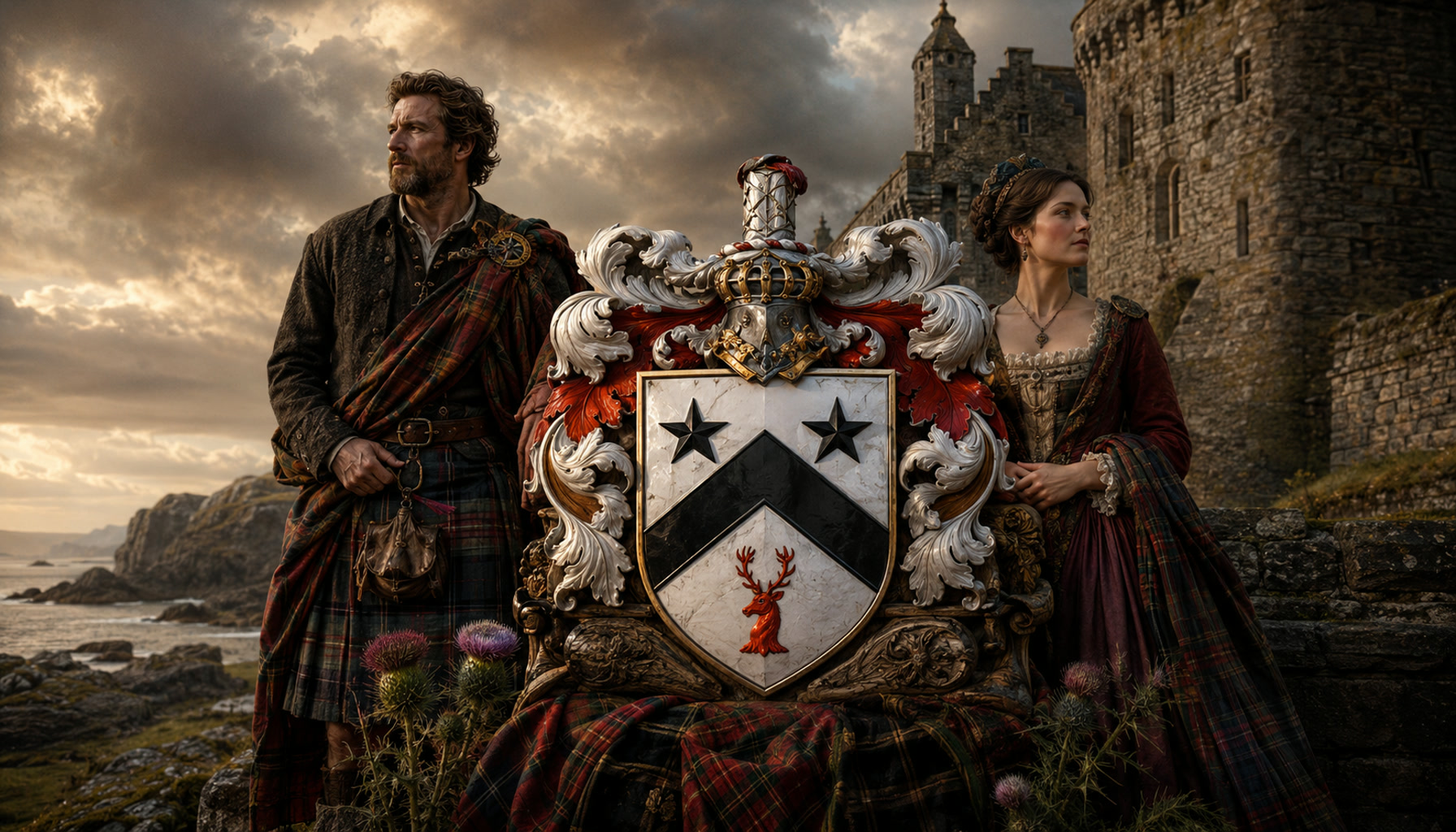
The Boggs family is remembered here in the Scottish clan style: a surname lineage shaped less by grand political power than by a strong moral identity. In this telling, the family stands for vigilance, guardianship, and continuity across generations, summed up in the striking motto Non Dormit Qui Custodit, "the one who watches does not sleep." Linked here with the primary family haplogroup R1b1a1b1a1a2c1a5a2a1a1, the Boggs story sits within the wider history of the Scottish Borders, where watchfulness was never just a poetic virtue but a practical necessity.
That matters, because surnames from the Borders often grew out of a hard world of frontier movement, local loyalties, shifting crowns, and families who had to endure as much as they had to prosper. The Boggs name is presented in that tradition: not one of the great headline Highland confederacies, but part of the broader Scottish armorial and family-memory world in which names were preserved through place, kin, service, and symbol. A figure such as Robert Boggs, recorded in 1712, belongs to that longer chain of remembered family presence, carrying the name forward in an age when lineage was often held together by church records, land ties, and oral memory as much as by formal clan machinery.
For the Boggs family, Berwickshire is an especially fitting anchor. This historic county in the southeastern Borders of Scotland lies between the Lammermuir Hills and the North Sea, with a landscape of rich farmland, river valleys, rocky coast, and old market settlements. Historically it formed part of a frontier zone where Scotland and England watched one another closely, traded, fought, negotiated, and occasionally raided with great enthusiasm. The River Tweed and the eastern coastal routes made the region important far beyond its size, and towns such as Duns became local centres of administration and rural life. Berwickshire also carries that very Border quality of seeming peaceful today while having been fiercely strategic for centuries. Yes, it can still be visited, and that is part of its charm: modern travellers can walk the coast, explore its old kirks and settlements, and stand in a landscape where family memory, border history, and the long habit of vigilance still feel entirely at home.
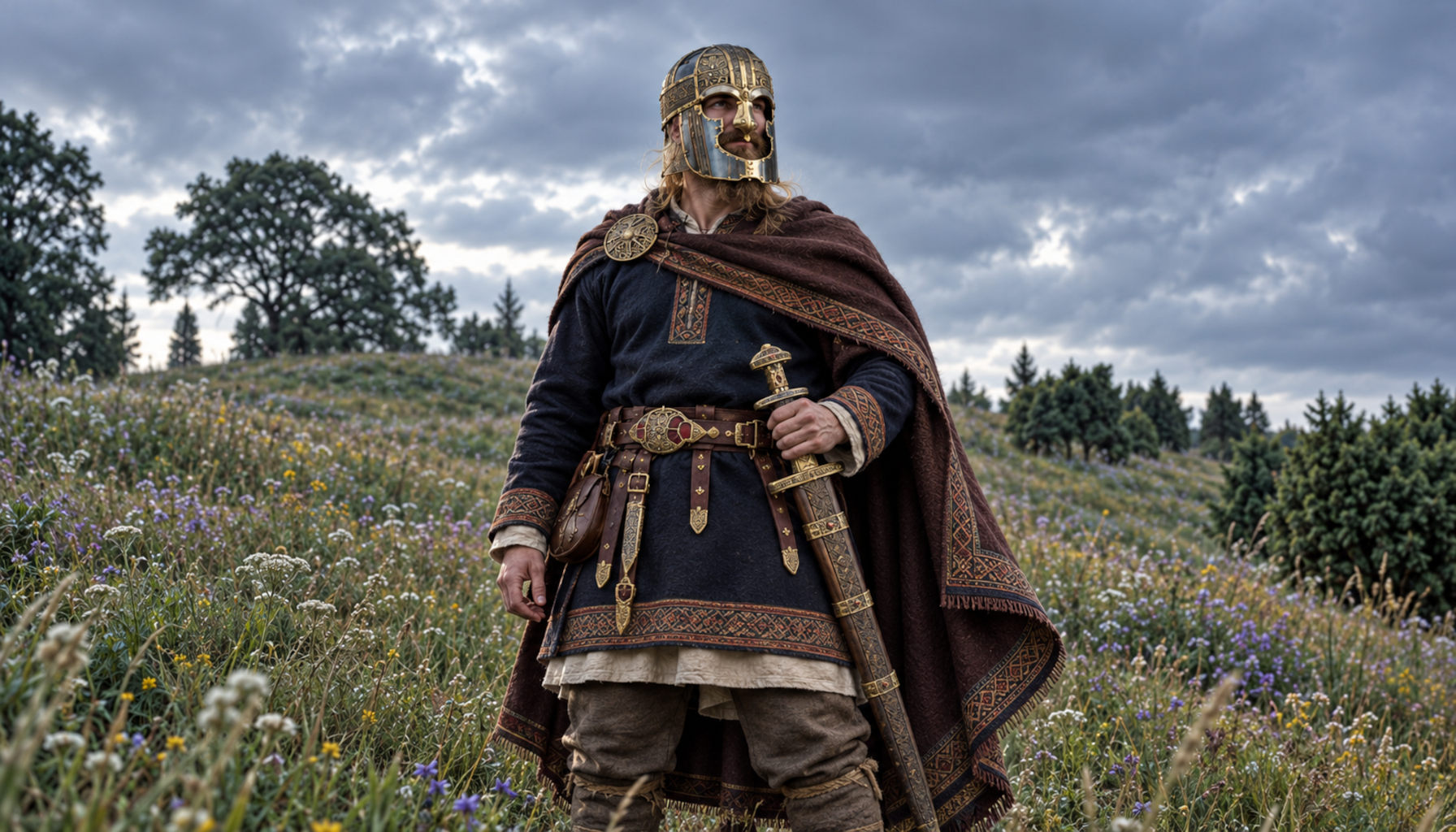
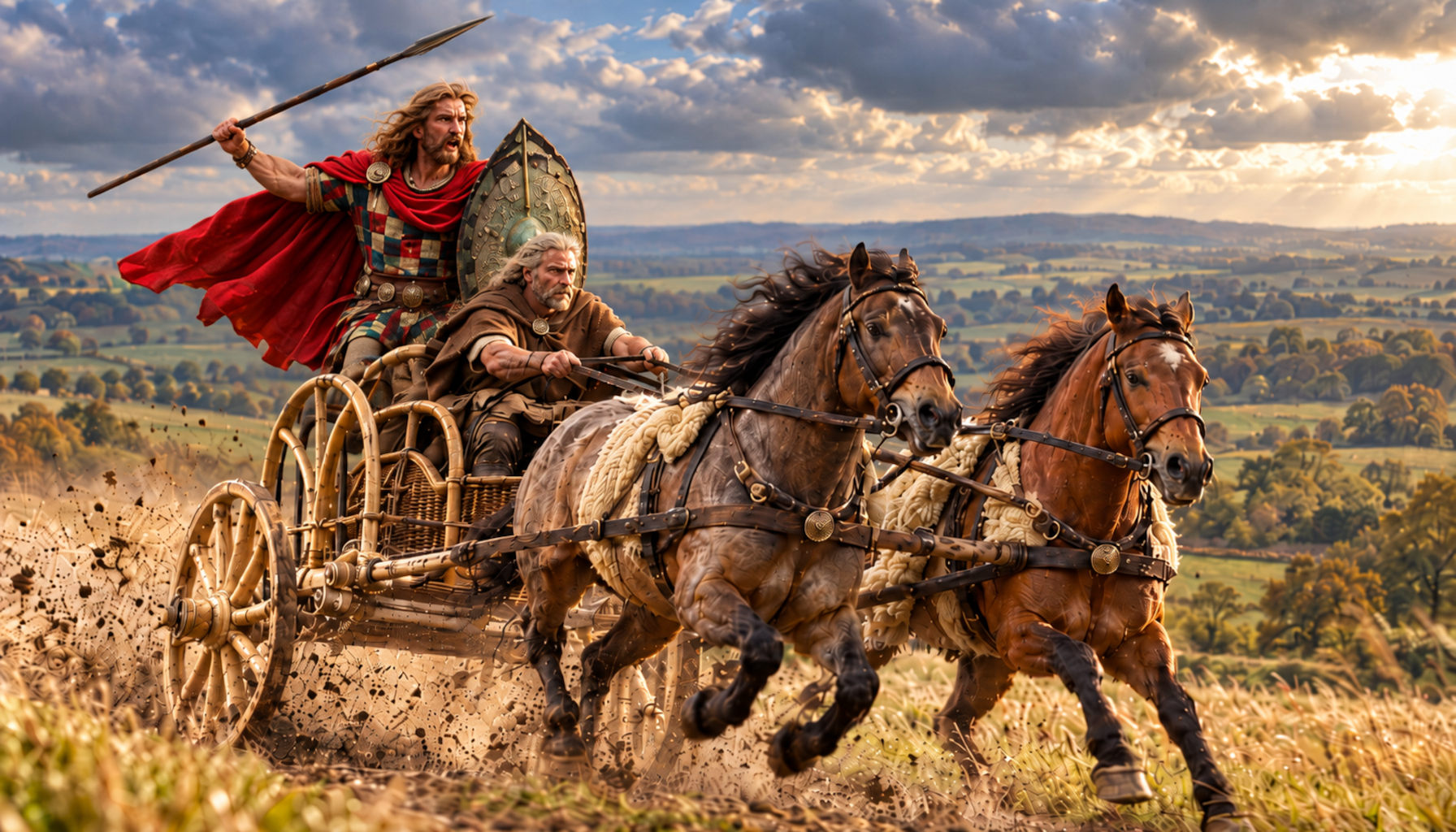
From the ancient DNA side, the Boggs haplogroup tag R1b1a1b1a1a2c1a5a2a1a1 connects the family to a much deeper northwestern European story. Related or linked ancient samples include Early Anglo-Saxon Cemetery West Heslerton, Yorkshire (I11586), Celtic Briton Carsington Pasture Cave, Derbyshire (I12775), Celtic Briton Lechlade-on-Thames, Gloucestershire (I12783), Celtic Briton Bradley Fen, Cambridgeshire (I11156), Iron Age Greystones Farm, Gloucestershire (I12785), and the Copper Age Irish sample Rathlin1B. These individuals should not be treated as direct ancestors of the Boggs family without specific supporting evidence, but they do illuminate the broader paternal landscape from which later British and Scottish surname histories emerged. In plain terms, they show that the lineage sits in a deep mosaic stretching from Iron Age Britons to early medieval populations of Britain and Ireland, precisely the sort of long continuity that gives a Border surname its historical depth.
Explore Ancient DNA in Post-Roman Britain
If you carry the Boggs surname, have Border roots, or simply want to see how your own family story fits into this older genetic and historical landscape, you can upload your DNA to MyTrueAncestry and explore whether you match the Boggs family profile or related ancient DNA samples from Britain and Ireland.
Comments