Clan Anderson
– 3 min read


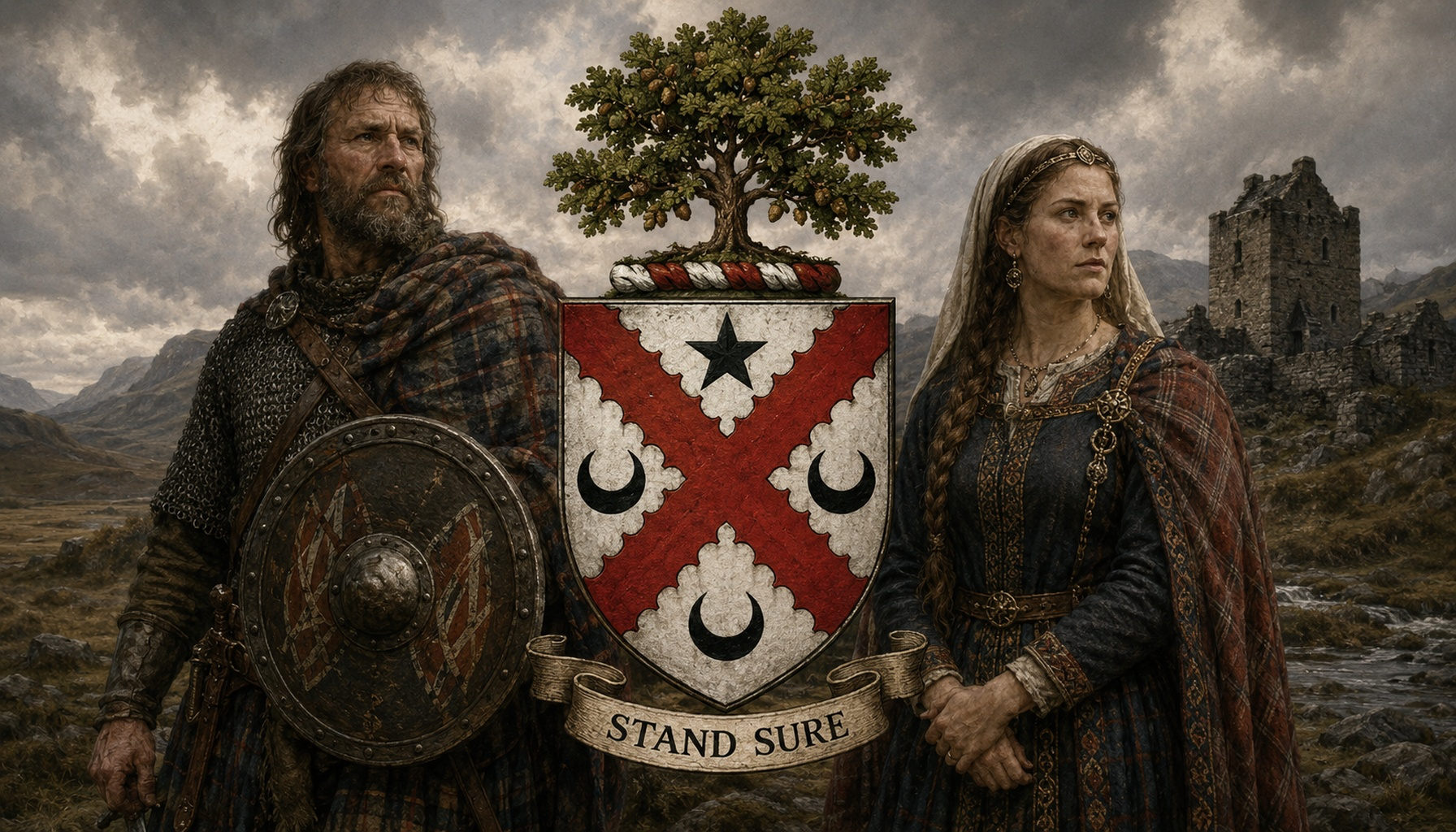
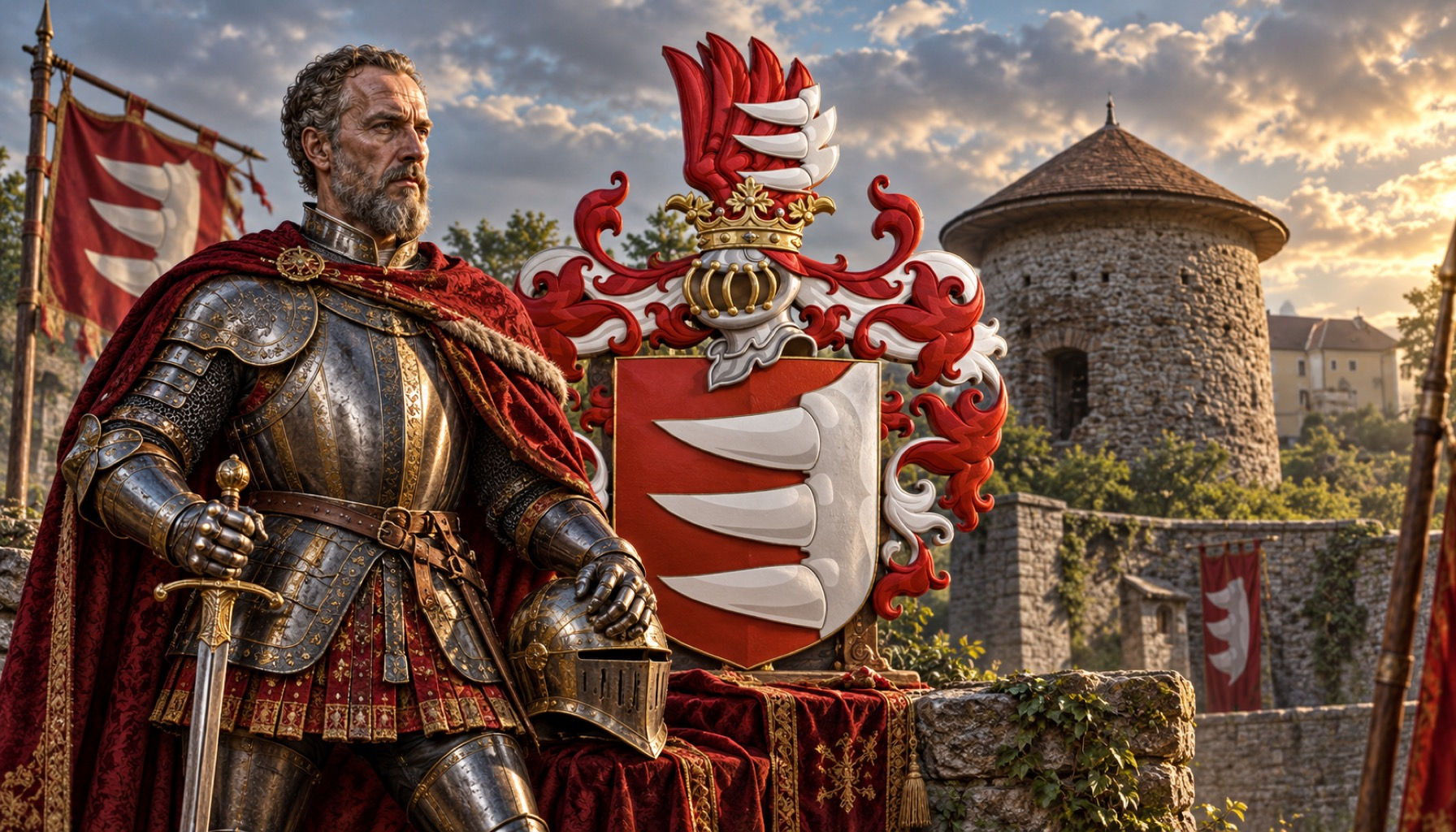
Clan Anderson was not a clan in the narrow, single-glen sense so often imagined in tartan-day storytelling. It was, rather, a Scottish clan tradition built around a patronymic surname: Anderson, meaning son of Andrew. That matters, because it places the family in a very old Scottish habit of identity-making, where descent, remembered kinship, Christian naming, local standing, and long surname continuity all worked together. Anderson families appeared across Scotland in more than one region, forming branches tied to service, landholding, town life, church life, and military obligation rather than to one sharply bounded territorial heartland. In DNA terms, the primary family haplogroup tag linked here is R1b1a1b1a1a2c1a5b1a1a, a paternal line within the wider R1b world long associated with much of Atlantic and western European male ancestry.
Historically, that makes the Anderson story a very Scottish one: not a single great lord at the centre of everything, but a surname carried through generations by families who mattered in the places where they lived. The name itself reflects the deep importance of Christian personal names in medieval Scotland, with Andrew carrying obvious religious prestige in a kingdom that claimed St Andrew as its patron. Over time Andersons contributed to civic, professional, scholarly, and military life. Two notable figures show that range rather well: Alexander Anderson (1582-1689), remembered as a mathematician, and James Anderson (1662-1728), the Episcopal minister and historian whose work helped preserve genealogical and historical memory. That combination of service and remembrance is almost the essence of a patronymic clan.
Read more about Clan Henderson
One useful location anchor for the Anderson story is Peebles, in the Scottish Borders, a royal burgh on the River Tweed with roots reaching back into the medieval kingdom of Scotland. Peebles sits in a landscape that has always been a meeting point of routes, loyalties, and local economies: upland pasture, river traffic, market exchange, and the constant push and pull of Border politics. Historically it developed as a burgh with trading importance, later becoming known for textiles and local administration, and like many Borders towns it lived close to the fault line between everyday routine and national drama. This is exactly the sort of place where surnames like Anderson took firm hold: not in a mythic vacuum, but in a working town and surrounding countryside where kinship, worship, service, and record-keeping all helped a name endure. Peebles can certainly still be visited today, and for anyone interested in Scottish family history it offers a tangible sense of the lived landscape in which such surnames were carried forward.
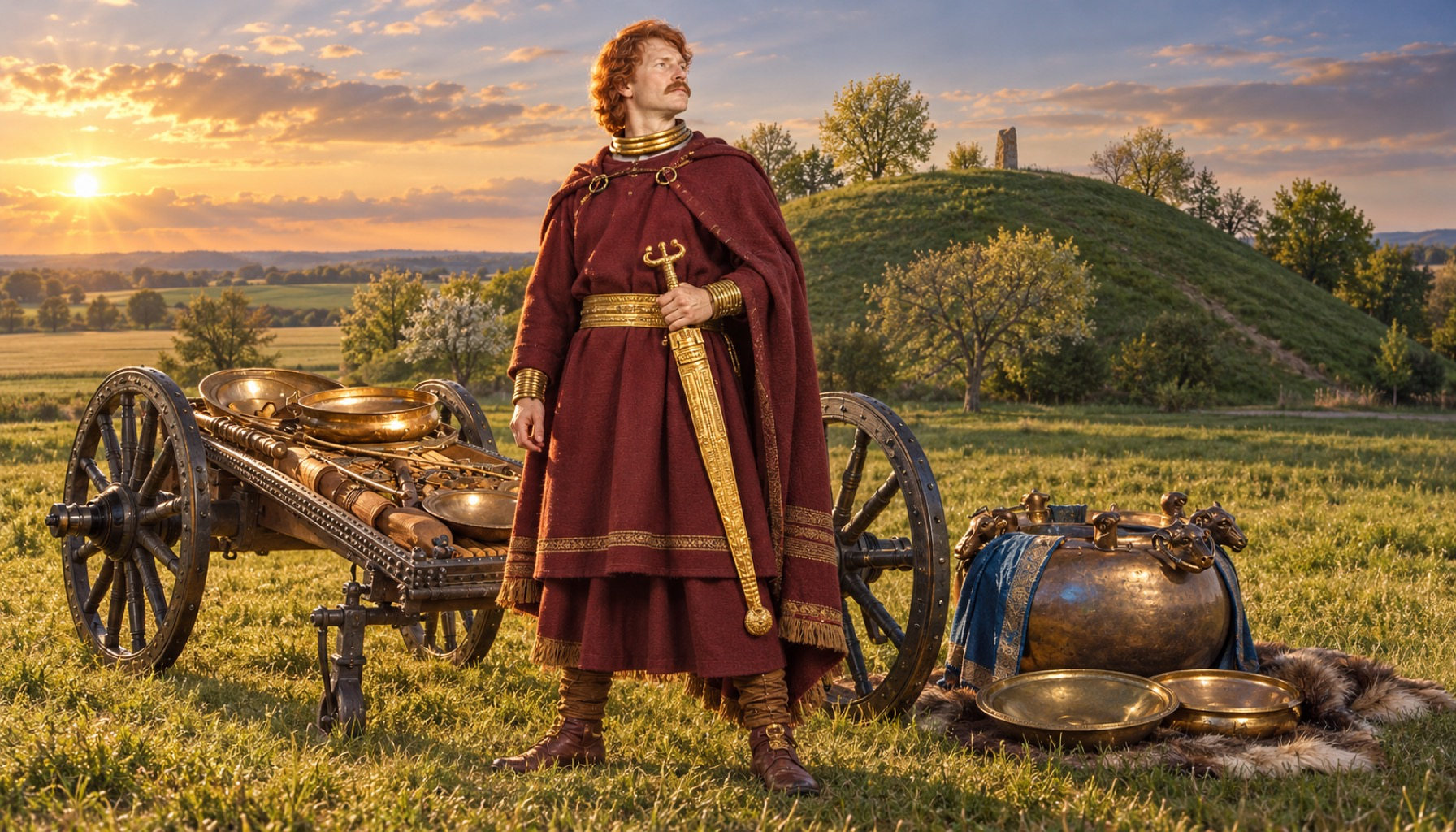
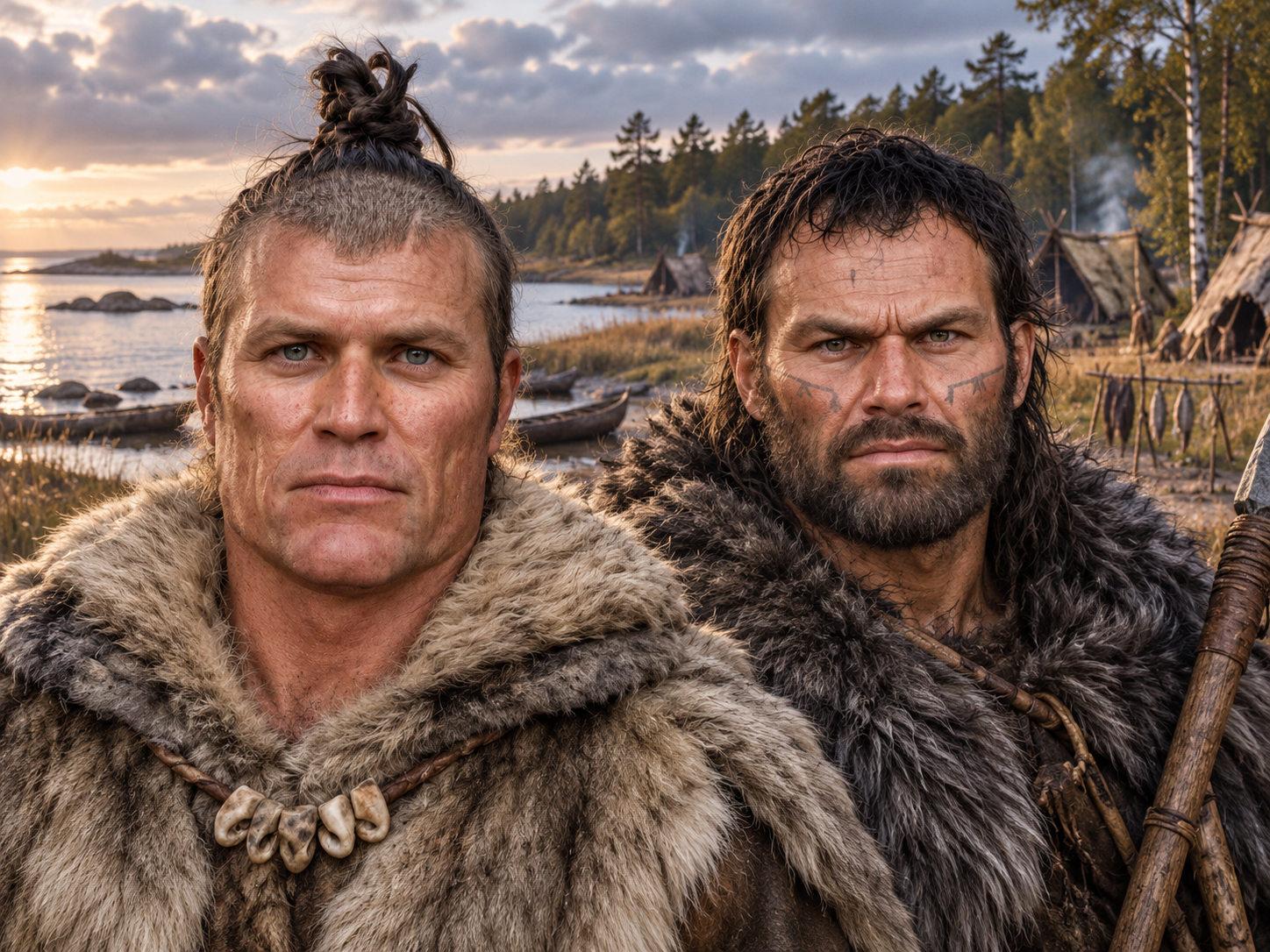
The haplogroup tag R1b1a1b1a1a2c1a5b1a1a does not prove a direct line from any excavated skeleton to a modern Anderson family, and it is important not to pretend otherwise. What it does offer is a set of related or linked ancient reference points across Britain, Ireland, and the North Atlantic world. Among them are Early Anglo-Saxon Cemetery West Heslerton, Yorkshire (I11586); Celtic Briton individuals from Carsington Pasture Cave, Derbyshire (I12775), Lechlade-on-Thames, Gloucestershire (I12783), and Bradley Fen, Cambridgeshire (I11156); Iron Age samples from Middle Wallop Suddern Farm (I16611) and Greystones Farm, Gloucestershire (I12785); the Copper Age individual Rathlin1B from Ireland; and the Danish-Gaelic Viking Age sample SSG-A2 from Iceland. Taken together, these linked samples sketch a broad ancestry zone familiar to the history of the British Isles: Iron Age communities, Celtic-speaking populations, Anglo-Saxon era settlers, Irish Bronze and Copper Age ancestry, and the Norse-Gaelic maritime world. For a surname like Anderson, formed in medieval and later Scotland, that is exactly the sort of mixed historical backdrop one might expect.
Explore Ancient DNA in Post-Roman Britain
If you carry the Anderson name, or suspect an Anderson line in your family tree, this is where the story becomes personal. Uploading your DNA can help you see whether you match Clan Anderson, whether your results sit near the primary haplogroup R1b1a1b1a1a2c1a5b1a1a, and whether you show connections to related ancient DNA samples from Iron Age Britain, Celtic Britons, Anglo-Saxon England, Ireland, or the Norse-Gaelic world. Family history is never just one thing; it is surname memory, local history, and deep ancestry all layered together.
Comments