The Noble House von Eltz
– 3 min read


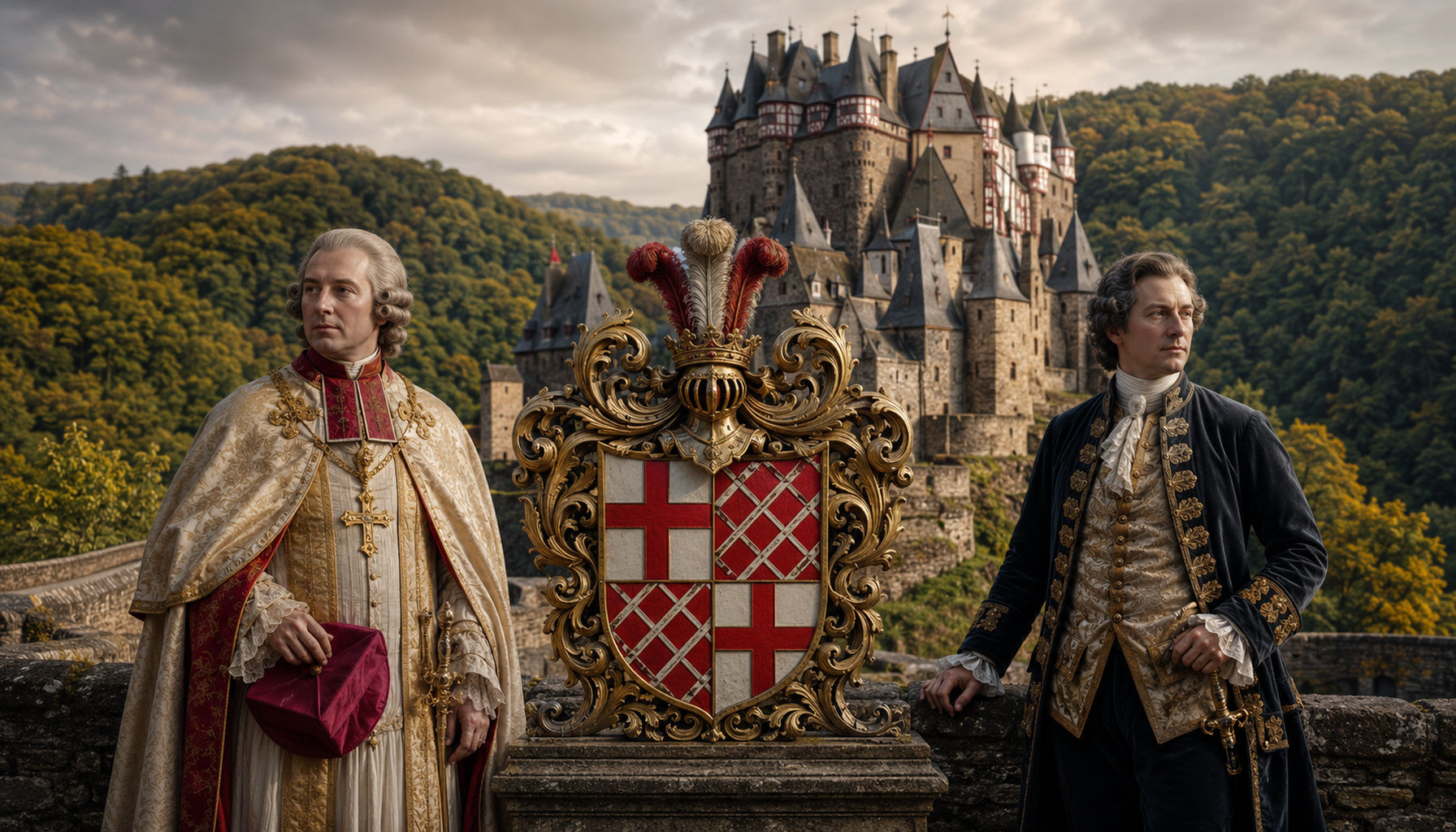
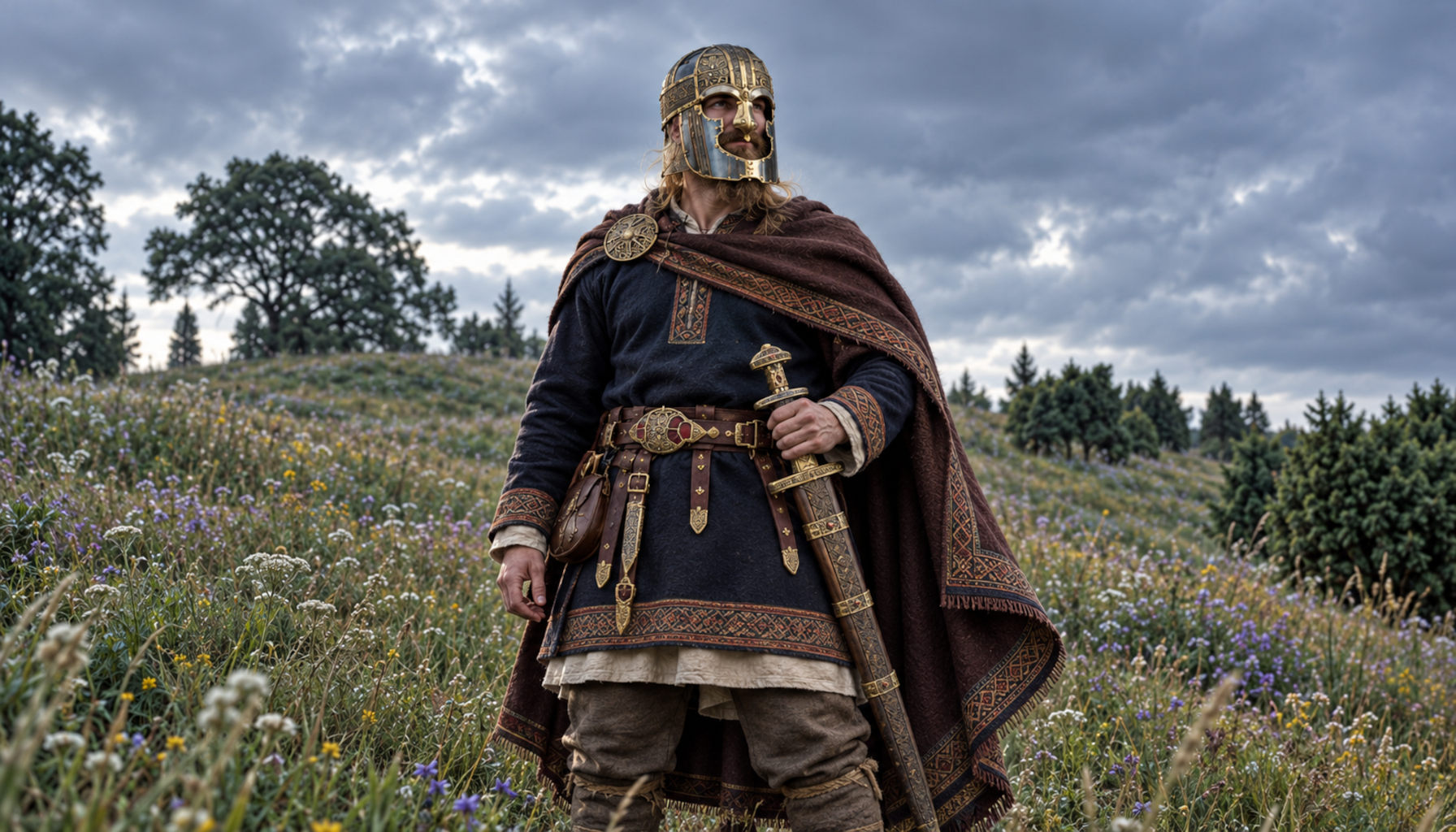
The House von Eltz was one of the great historic noble families of the German Rhineland, rooted above all in the hill country above the Moselle and inseparably linked to Eltz Castle. In the classic pattern of the medieval German knightly nobility, the family grew out of castle lordship, landed power, military service, feudal obligation, and careful alliance-building within the wider world of the Holy Roman Empire. Their primary tagged haplogroup here is R1a1a1b1a1a1c1, a lineage with a long and wide history across central and eastern Europe. In the von Eltz case, that genetic label should be read as a broad ancestral tag rather than a substitute for the family's fully documented historical identity, which was formed through land, law, office, marriage, and memory over many centuries.
The von Eltz story is, in many ways, a very German noble story: a family defined by place, continuity, and service. From their Rhineland base they developed through both secular and ecclesiastical roles, preserving status not only by the sword but through administration, church careers, regional politics, and strategic inheritance. Their heraldry, estates, and branches reflected the elaborate world of imperial society, where noble houses could be intensely local and yet fully entangled in the politics of princes, electors, bishops, and emperors. Among the better-known figures are Jakob von Eltz-Ruebenach (1510-1581), the powerful Archbishop-Elector of Trier; Philip Karl von Eltz-Kempenich (1665-1743), who rose to become Archbishop of Mainz and Prince-Elector; and in the modern age Jakob Graf von und zu Eltz (1921-2006), a reminder that this is not merely a medieval name but a lineage of exceptional continuity into living memory.
Eltz Castle is the family's great anchor in the landscape and the reason the name von Eltz still resonates so strongly. Set in the hills above the Elzbach, a tributary in the Moselle region between Koblenz and Trier, the castle occupies one of those dramatic, almost theatrical sites that make medieval power feel tangible even now. What makes it especially striking historically is not just its beauty, but its continuity: unlike so many castles of the Rhineland, it was not destroyed, and it remained associated with the same family across the centuries. The complex we see today grew in stages from the 12th century onward, with different family branches building their own residential sections around a shared defensive core, producing the wonderfully irregular clustered silhouette for which the castle is famous. Inside and out, it preserves the material culture of noble life in a way that links lineage directly to place. Yes, it can still be visited, and that is part of its appeal: Eltz Castle is not simply a name in a genealogy, but a real survivng monument where the long history of the family can still be encountered on the ground.
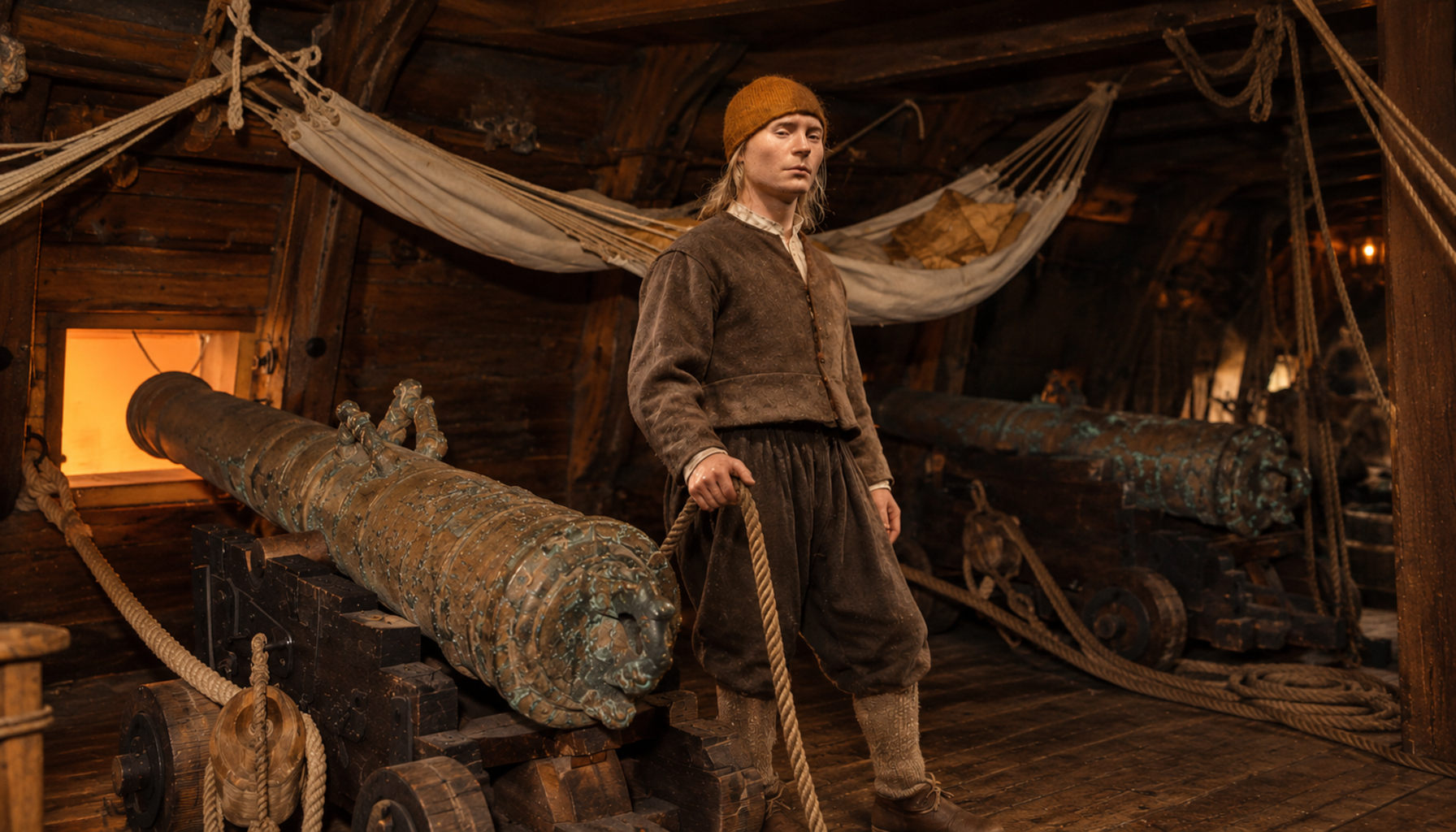
For readers interested in deeper population history, the von Eltz haplogroup tag R1a1a1b1a1a1c1 also sits within a wider web of ancient and medieval DNA links across central, northern, and eastern Europe. These are not claims of direct descent from the House von Eltz, but related or linked examples showing where comparable paternal signatures have appeared. They include Late Roman Era Aquae Calidae in Bulgaria (I41193), Early Kingdom of Poland and Piast-associated medieval samples such as PCA0166, PCA0328, PCA0386, PCA0387, PCA0203, PCA0572, PCA0574, PCA0573, PCA0663, PCA0205, and PCA0197, as well as medieval and early historic finds from Germany including the western Slav settler samples from Steuden in Sachsen-Anhalt (SDN019, SDN017, SDN018) and Krakauer Berg Peissen (KRA003, KRA009, KRA001). The same broader lineage landscape also appears in Medieval Denmark Zeeland Ahlgade Holbaek (CGG101825), Medieval Poland Obalczkowo Wielkopolska (PCA0222), Medieval Hungary Transdanubia Bodajk Proletarfoldek (AHPS200W), Bronze Age Poland Lublin Brodzica Trzciniec (poz554), Viking Age and medieval Scandinavia including Sigtuna (kls001, kls001a), Skara Varnhem (VK309), Galgedil Funen (VK139), Gotland Kopparsvik (VK452), Gotland Frojel (VK438), Stora Kronan shipwreck Battle of Oland (kro002), and Staraya Ladoga (VK408), as well as elite or princely contexts such as Cedynia (VK212), Izjaslav Ingvarevych of the Rurik dynasty (VK541), Iron Age Komarom-Esztergom in Hungary (I25524), and Iron Age Boii Singen am Hohentwiel (MX265). Taken together, these linked samples suggest that the deeper paternal background behind this haplogroup belonged to a mobile and historically important set of lineages circulating through the very regions that shaped medieval German and Slavic aristocratic worlds.
If the story of the House von Eltz, Eltz Castle, and haplogroup R1a1a1b1a1a1c1 has sparked your curiosity, you can explore your own ancient DNA connections too. Upload your DNA to MyTrueAncestry and see which historic samples, regions, and populations may link to your deeper past.
Comments