The Noble House of Parker
– 2 min read


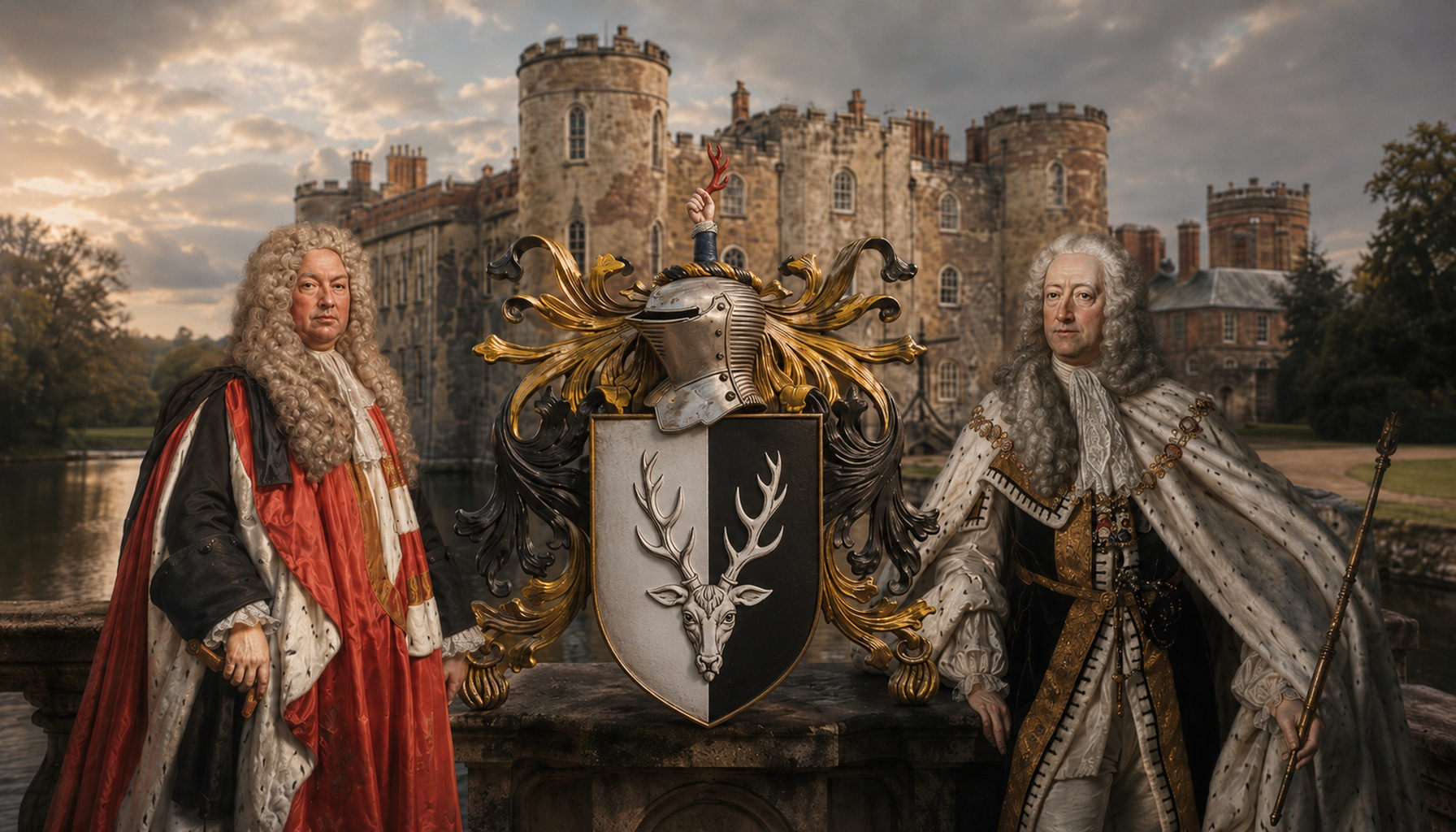
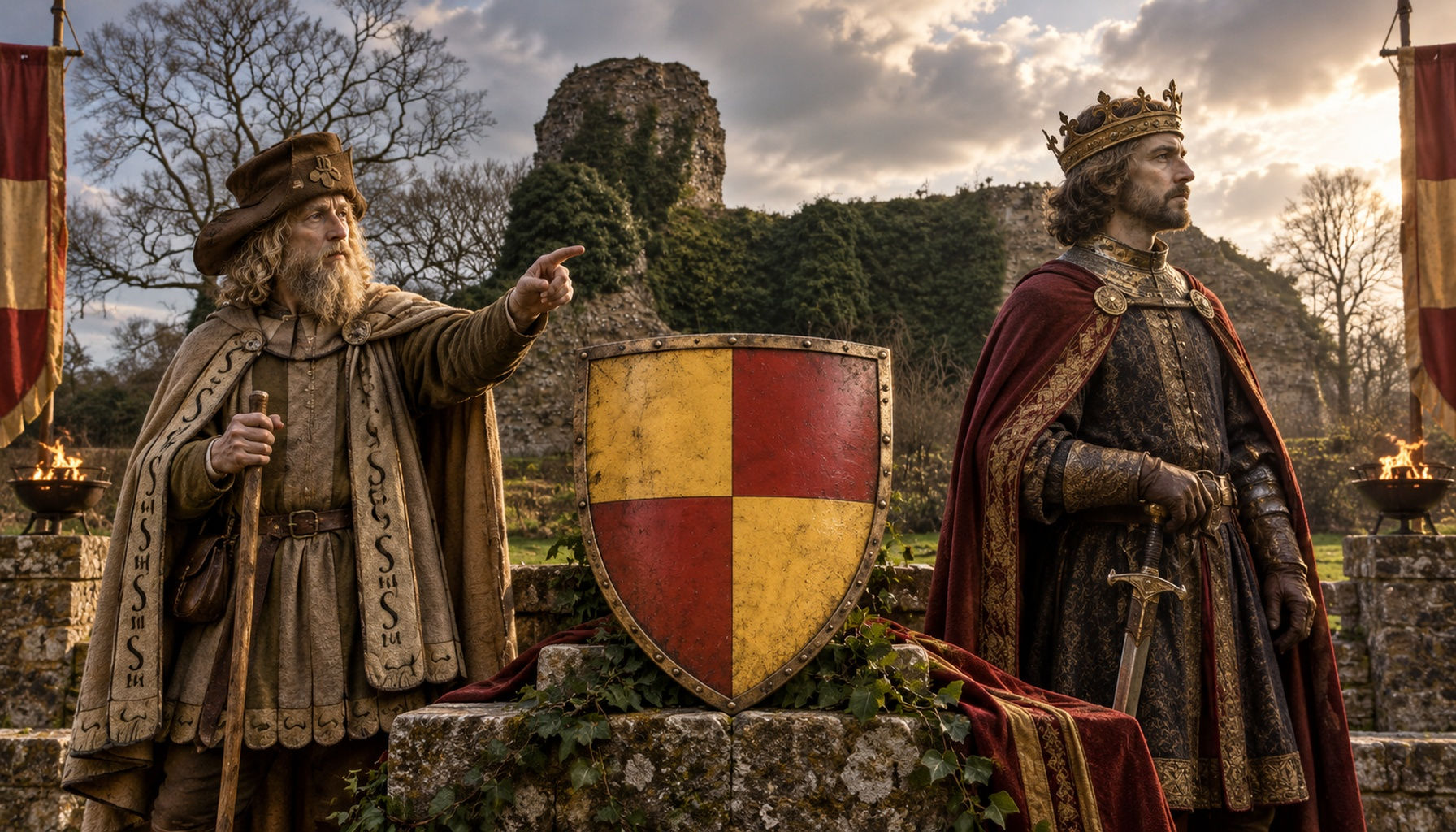
The Parker family was one of those classic English noble and landed houses whose story begins in work and ends in status. The name itself came from an occupational role: the parker was the keeper of a park, a managed hunting ground or enclosed estate attached to lordship and power. That is a wonderfully medieval origin, because a park was never just a patch of woodland. It was a sign of control over land, game, labour, and privilege. Over time, important Parker branches moved well beyond that practical beginning, rising through estate management, landholding, royal service, administration, politics, and advantageous marriage. Their linked primary family haplogroup here is I2a1b1a1a1a1a, a paternal marker that places the family within a much older human story stretching back far beyond surnames and heraldry.
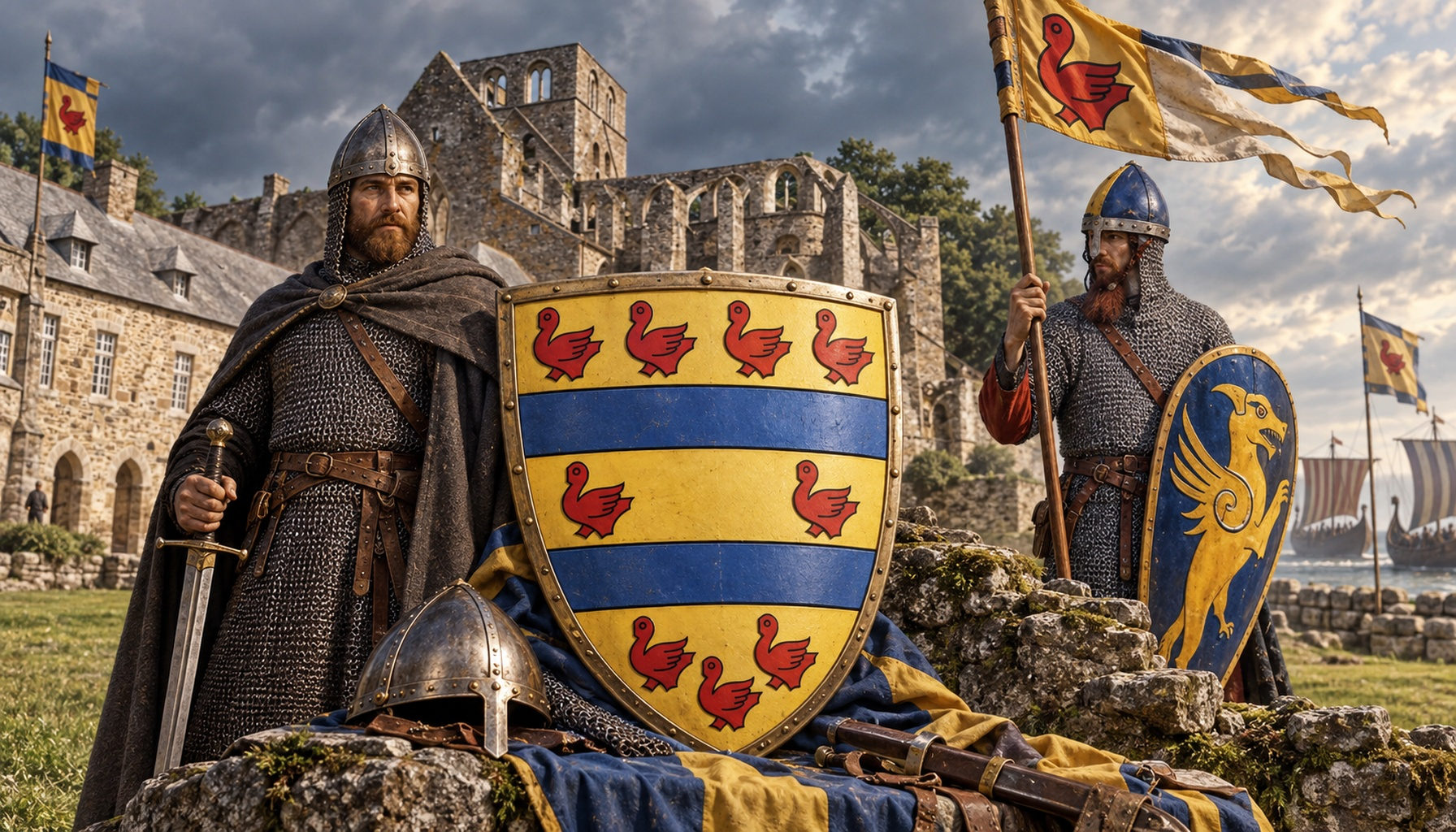
In historical terms, House Parker fits a very English pattern: a family of occupational origin that became identified with landed authority, public office, and durable social rank. The Parkers appear in the wider orbit of medieval and early noble society through figures such as Rognvald II Brusissonn, Earl of Orkney, noted here in 1046, and Sir Robert Le Parquier in 1066, whose name preserves that early park-keeper association in Norman-French form. As the centuries went on, Parker prestige was built not simply by inheritance, but by service to the state and by embedding the family in the machinery of county and national life. That meant estates, heraldry, parliamentary roles, civic responsibility, and the careful preservation of reputation, which for an English house could be as valuable as acreage.
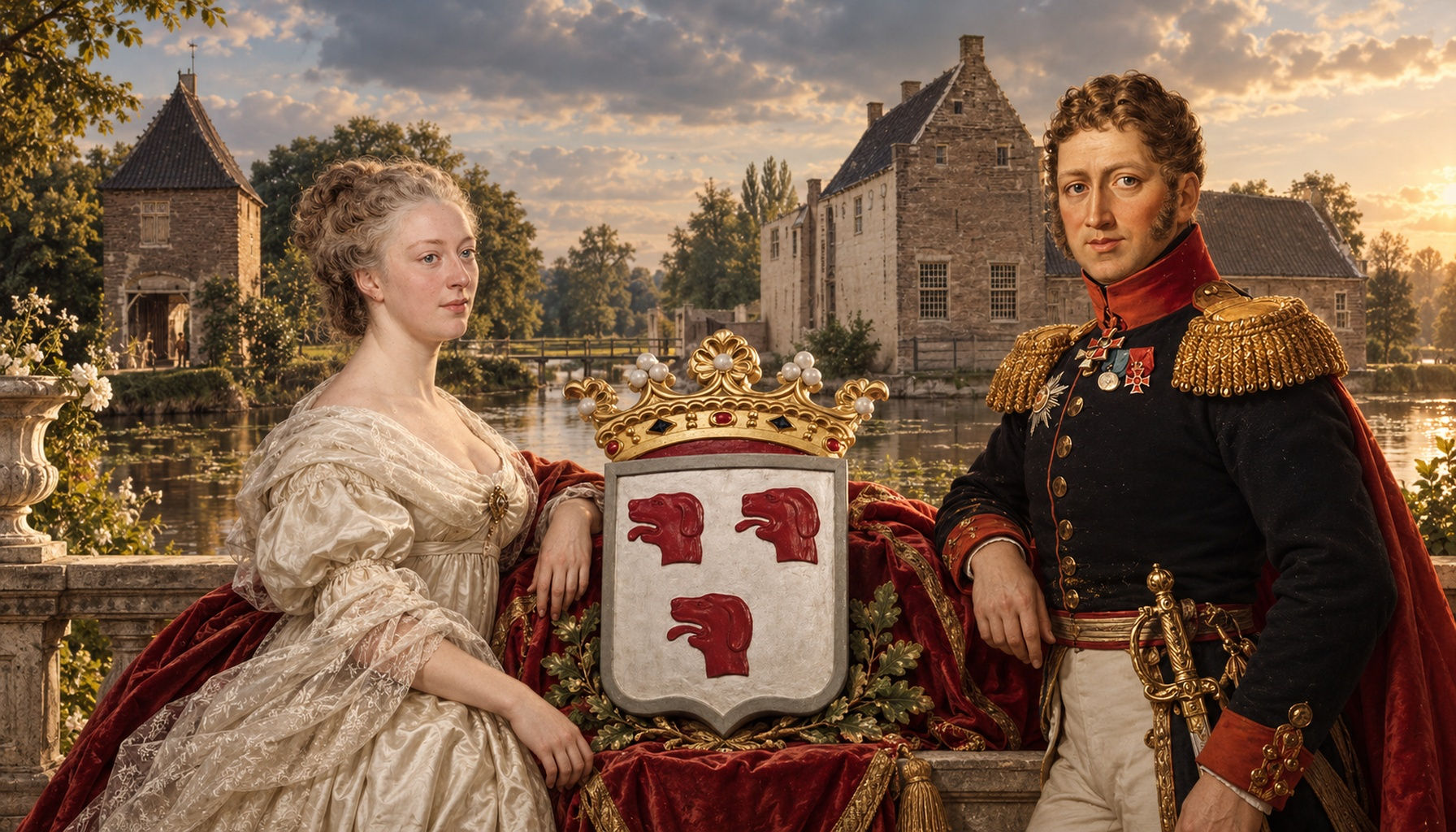
One of the great location anchors of Parker heritage is Shirburn Castle in Oxfordshire, long associated with the Earls of Macclesfield, a Parker title of major standing. The castle stands near the village of Shirburn and began as a fortified manor in the later medieval period, with origins in the fourteenth century and later alterations that gave it the layered character so typical of English elite residences. It is not a fairy-tale fortress untouched by time, but a lived-in historic seat shaped by changing fashion, family ambition, and the practical needs of aristocratic life. Shirburn became a powerful symbol of Parker continuity: estate identity made visible in stone, landscape, and local influence. As with many privately associated historic houses, access has varied over time, so it may still be visited only where current arrangements reasonably allow; anyone interested should check the latest local or heritage guidance before planning a trip.
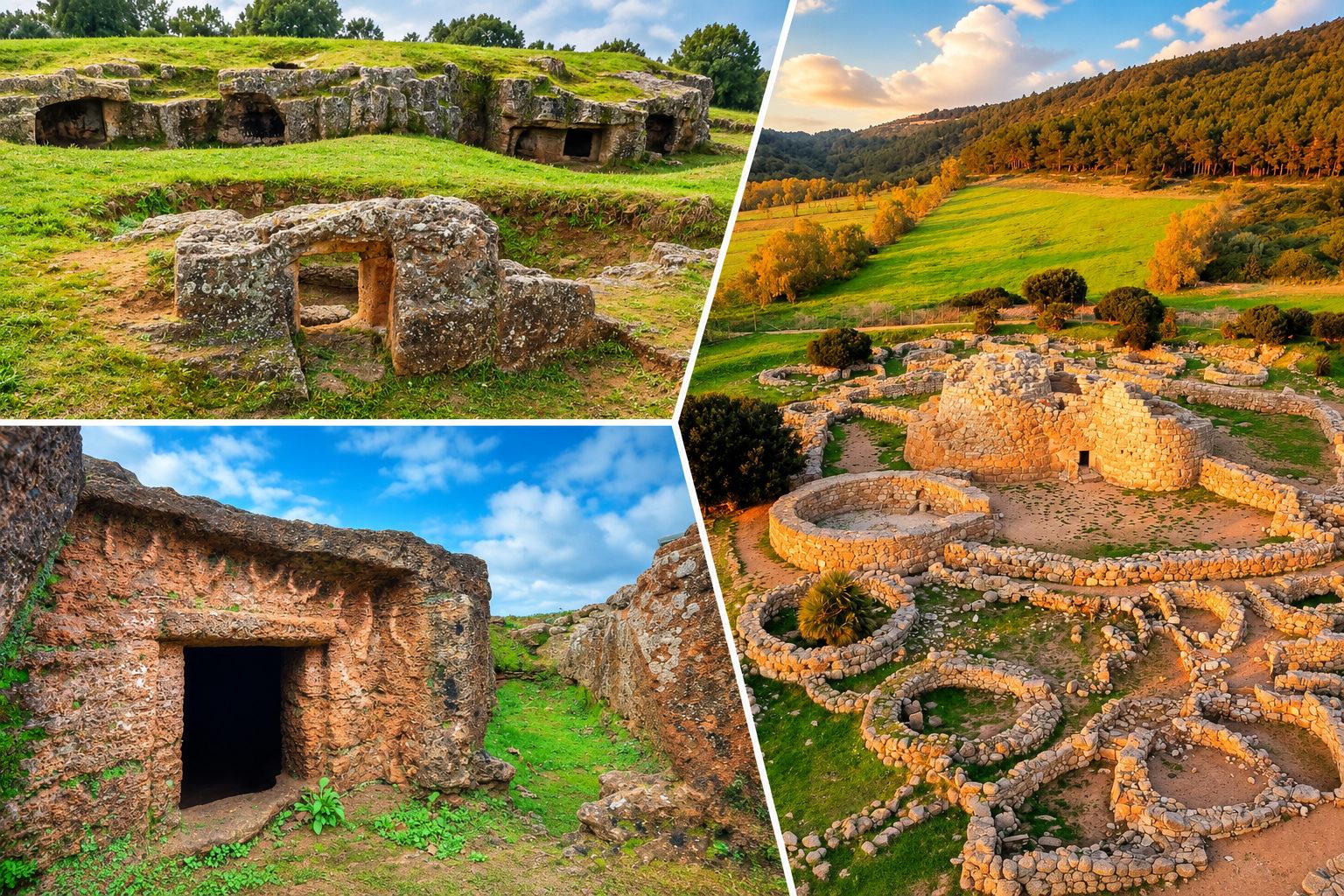
The Parker family's tagged haplogroup, I2a1b1a1a1a1a, also opens a window onto a much deeper population background. This does not prove direct descent from any excavated individual, and it should not be treated as a straight family tree through prehistory. But it does link the Parkers to a wider set of related ancient paternal lines found in Britain and Ireland across very different periods. Among the useful comparative samples are Medieval England Augustinian Friars, ATP_PSN_527; Celtic Briton Cliffs End Farm, England, I14866; Neolithic Wales, Orchid Cave, Denbighshire, I16491; Iron Age East Lothian, Scotland, I16418; MacAurthur Cave, Oban, Argyll and Bute, Scotland, I2657; Bell Beaker Wiltshire, Upavon, England, I4949; Ancient Carrowmore, Ireland, car004; and Pabay Mor, Isle of Lewis, Scotland, I2655. Taken together, these related samples suggest that the paternal backdrop linked to this haplogroup has deep roots in the Atlantic-facing world of Britain and Ireland, long before the Parker name emerged in medieval England.
If the story of the Parkers, from estate service to noble continuity, sounds like part of your own past, the next step is simple: upload your DNA to MyTrueAncestry and explore the deeper ancient connections behind your family line.
Comments