The Noble House of Burgh
– 2 min read


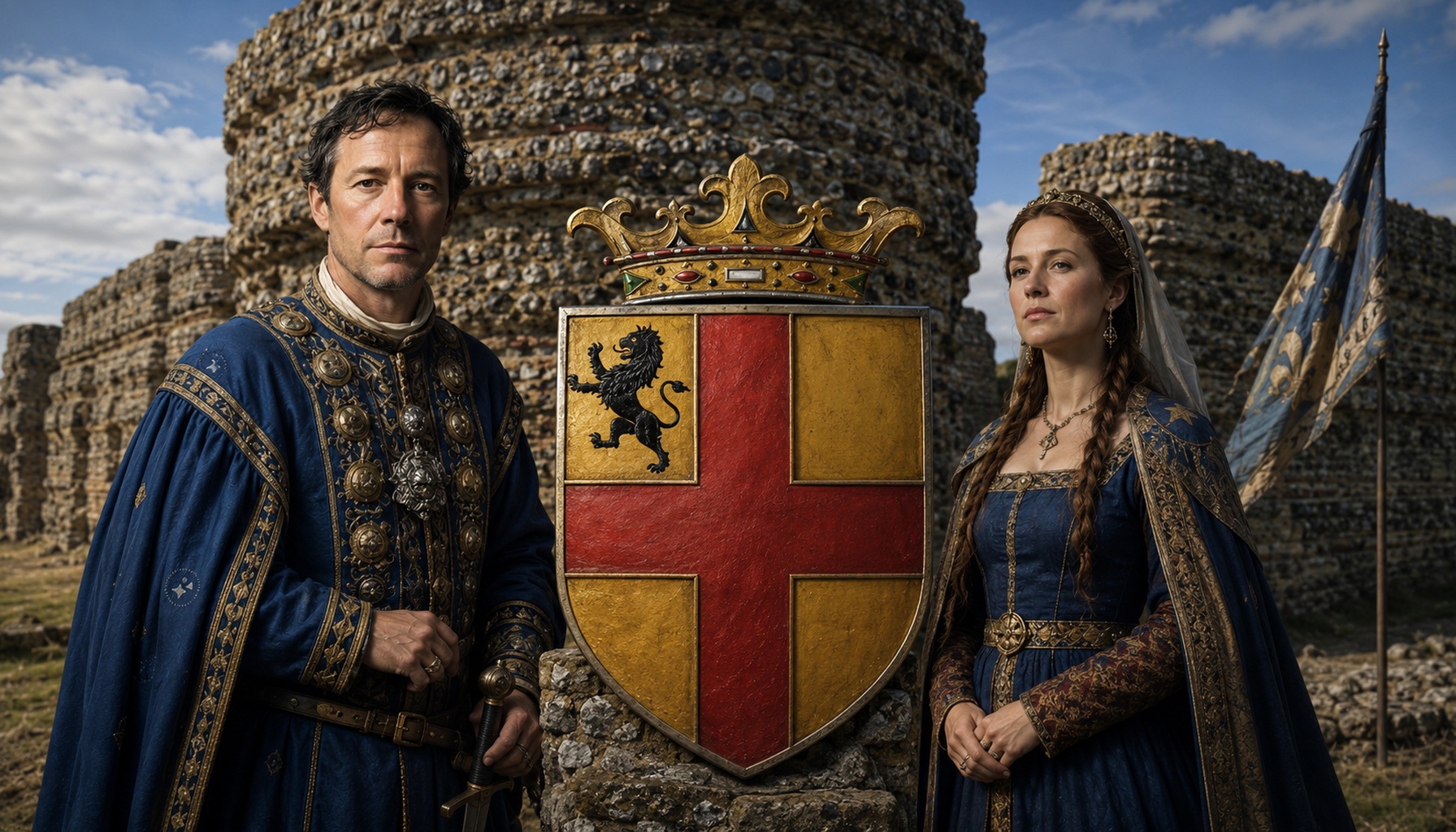
The House of Burgh was one of the great Norman-Irish noble families, a dynasty of conquest, castles, lordship, and political muscle whose story is deeply tied to medieval Ireland. The family came originally from the wider Anglo-Norman world shaped by the expansion that followed the Norman conquest of England and the movement of ambitious noble houses into Wales and Ireland. In Ireland, the Burghs became associated with feudal landholding, military service, marriage alliances, and the hard practical business of ruling territory. Their linked and primary family haplogroup here is R1b1a1b1a1a2c1a1a1a1a1a1a, a lineage tag that fits neatly into a wider northwestern European story of movement, settlement, and aristocratic memory.
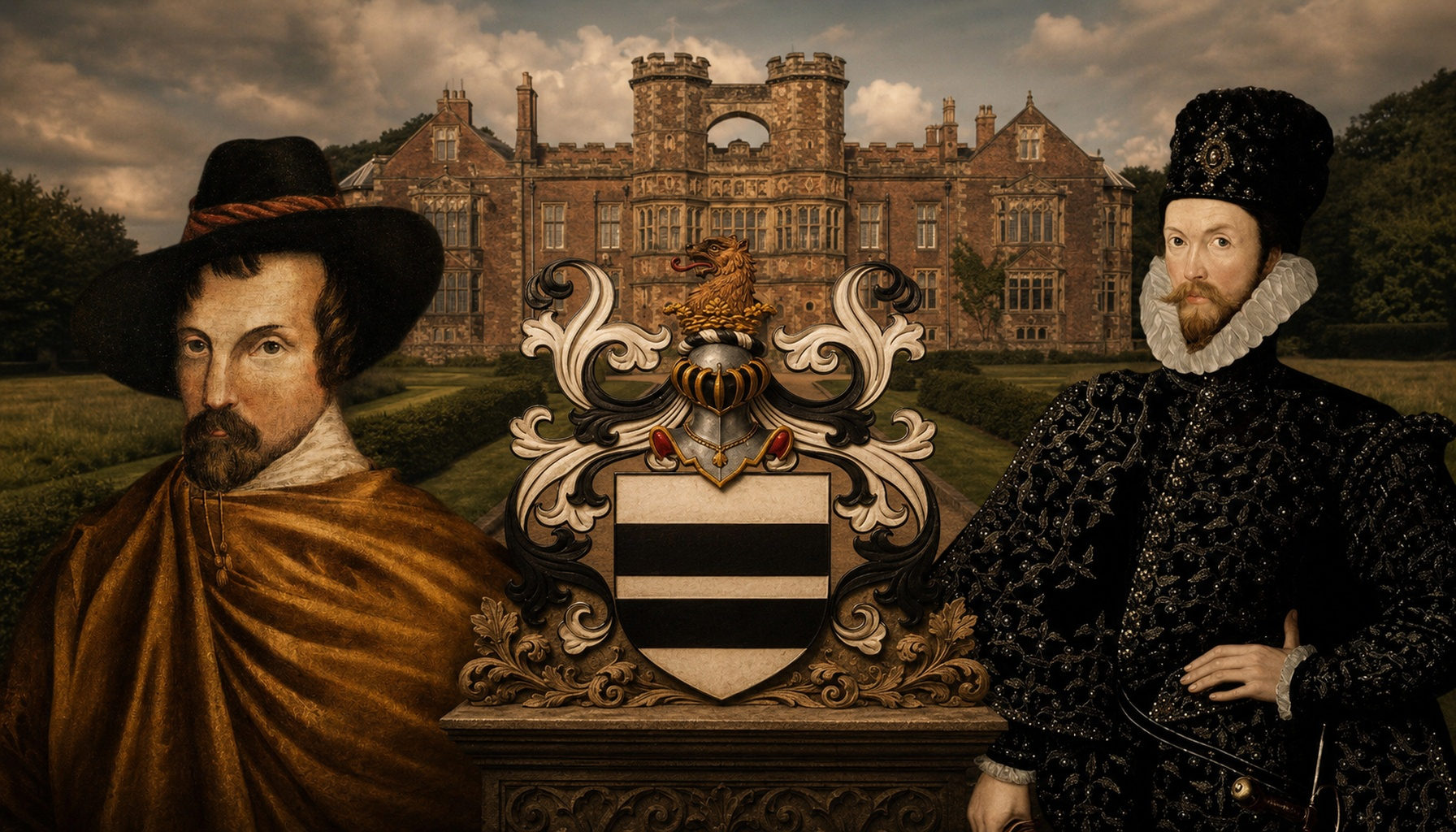
Historically, the Burgh family represents a familiar but fascinating pattern in Irish history: foreign-born magnates who arrived through conquest-era opportunity, planted themselves through armed power and royal favour, then adapted to Irish conditions while still preserving the prestige of continental noble roots. William de Burgh (1160-1205) stands out as one of the key early figures, helping establish the family's position in Ireland at a time when lordship was built not only with charters and titles, but with castles, followers, and strategic marriages. Over generations, Burgh heritage came to include regional lordship, heraldry, landed influence, and a durable aristocratic identity among the leading Anglo-Norman families of the island.
A useful location anchor for Burgh heritage is Feartagar Castle in County Clare, Ireland. The castle is a tower house traditionally associated with the Burgh family and belongs to that striking medieval landscape of fortified residences that once advertised status as much as security. Feartagar Castle is generally understood as a late medieval structure, with the tall vertical form typical of Irish tower houses, built for a world in which local lordship, defence, and family prestige were tightly bound together. In plain terms, this is the kind of building that lets you see the Burgh story in stone: not abstract nobility, but a family embedded in territory, watching roads, fields, rivals, and dependants from a fortified home. The site is known and identifiable today, and it can still be visited from the outside as part of the surviving historic landscape, though visitors should always check local access conditions before going.
From a DNA perspective, the Burgh haplogroup tag R1b1a1b1a1a2c1a1a1a1a1a1a links the family story to a broader network of related ancient and medieval samples rather than proving any direct descent from particular individuals. Among linked or related examples are Medieval Jutland Denmark Vor Frue Kirkegard Aalborg (CGG100512), Thuringii Tribe Germany Deersheim Saxony-Anhalt (DRH026), Carolingian Era Groningen Netherlands (GRO005), Medieval Ireland Kilteasheen Roscommon Bishops Seat (KIL033), KIL037, KIL043, Medieval Ireland Kilteasheen (KIL009), Merovingian Grave Alt-Inden North Rhine-Westphalia (IND007), Anglo-Saxon Sedgeford Norfolk (SED005), Viking Age Hofstadir Iceland (VK95), Medieval Age Faroe Islands Sandoy Church (VK44), Viking Warrior Ship Street Dublin Ireland (VK545), Aquitani Pech-Maho France (PECH8), and later historically linked colonial-era burials such as Son of Philip Calvert Lead Coffin Maryland (I2097) and Philip Calvert Coffin Maryland (2099). What that spread suggests is not a single family trail you can draw with a ruler, but a wider genetic horizon spanning Atlantic Europe, the North Sea world, medieval Ireland, and the mobile aristocratic and military societies from which Norman-Irish houses emerged.
If the story of the House of Burgh sparks your curiosity, upload your DNA to MyTrueAncestry and explore how your own ancestry may connect with the medieval and ancient worlds behind families like this one.
Comments