The Morgan Family
– 3 min read


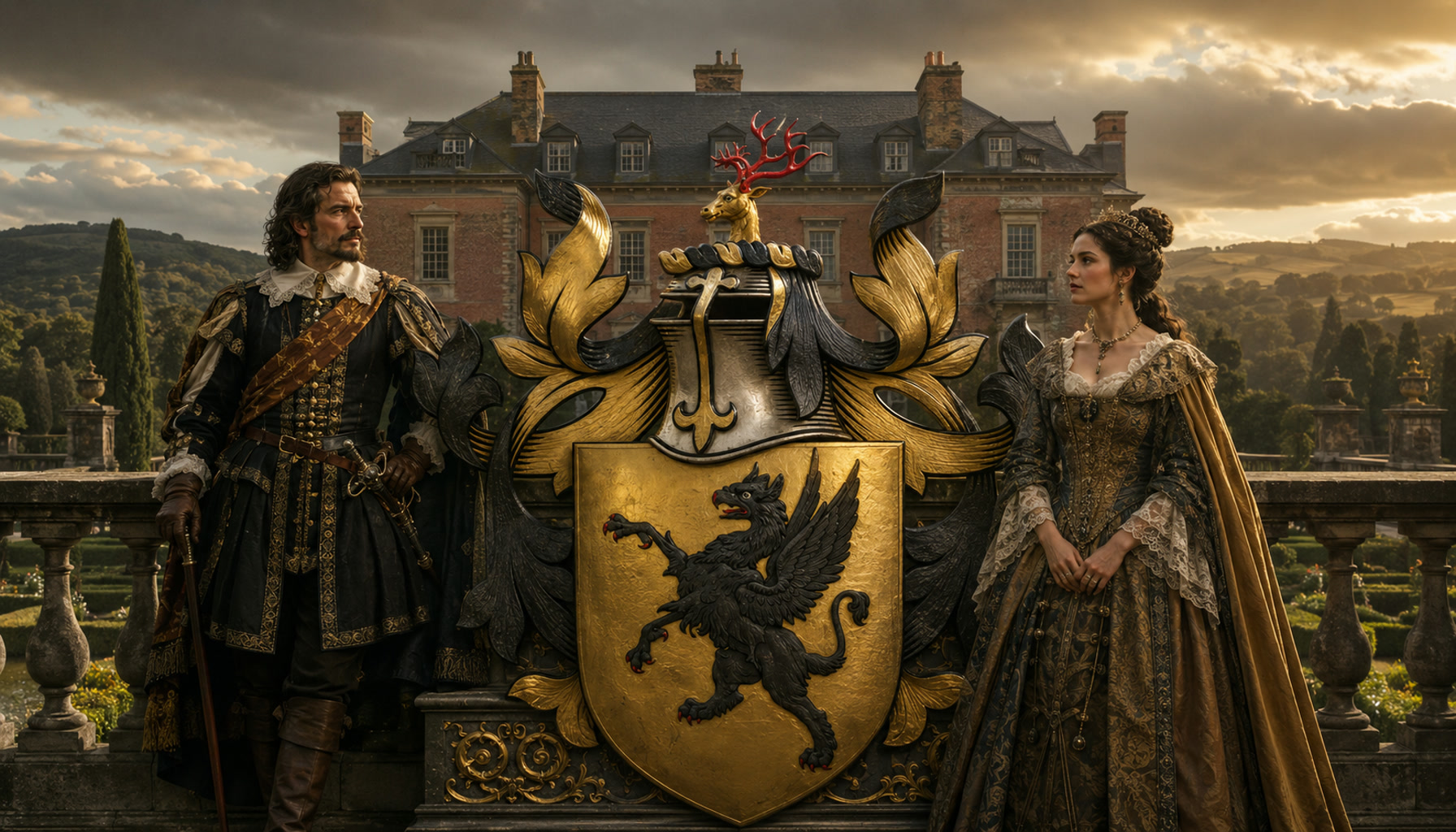
The Morgan family is one of the great historic names of Wales: a lineage rooted above all in Glamorgan and Monmouthshire, and woven deeply into the wider story of south Wales. The name itself comes out of the old Welsh personal-name tradition, and over time it became attached to a number of prominent houses whose standing rested on land, kinship, local lordship, and service. In haplogroup terms, the primary family tag here is R1b1a1b1a1a1c2b2a, a branch that sits comfortably within the broader genetic landscape long associated with western Europe and, in historical context, with many lineages moving through Britain and the near Continent across the late prehistoric, Roman, and medieval worlds.
What makes the Morgans so interesting is that they stand at the meeting point of several histories at once. They belonged to a Wales shaped by native ancestry and memory, but also by marcher politics, border warfare, estate-building, legal office, church patronage, heraldry, and eventual integration into the English and then British state. This was not a family story of simple continuity, but of adaptation. The Morgans emerged from a deeply Welsh environment in which lineage mattered enormously, then carried that identity into changing political systems. Figures such as King Morgan Mwynfawr, associated with the 7th century, remind us of the older Welsh royal background behind the name; Sir John Morgan, born in 1492, represents the gentry and service world of late medieval and early Tudor Wales; and Sir Henry Morgan, 1635-1688, shows just how far a Welsh family name could travel into the violent and expansive world of the early modern Atlantic.
If one wants a physical anchor for the Morgan story, Tredegar House near Newport is hard to beat. This was one of the great houses associated with the Morgan family, later linked with the Morgan and Morgan-Grenville line, and it became a powerful symbol of landed status in Monmouthshire and south Wales. The house is famed for its striking red brick, grand interiors, long historical development, and its place within an estate landscape that spoke of wealth, influence, and continuity. Tredegar House was not just a residence but a statement: of family ambition, regional authority, and the ability of an old Welsh-rooted lineage to thrive within the social order of early modern and modern Britain. It also helps make the Morgan past wonderfully tangible, because Tredegar House still survives and can be visited today, allowing people to encounter the setting in which generations of this family shaped their public image and local power.
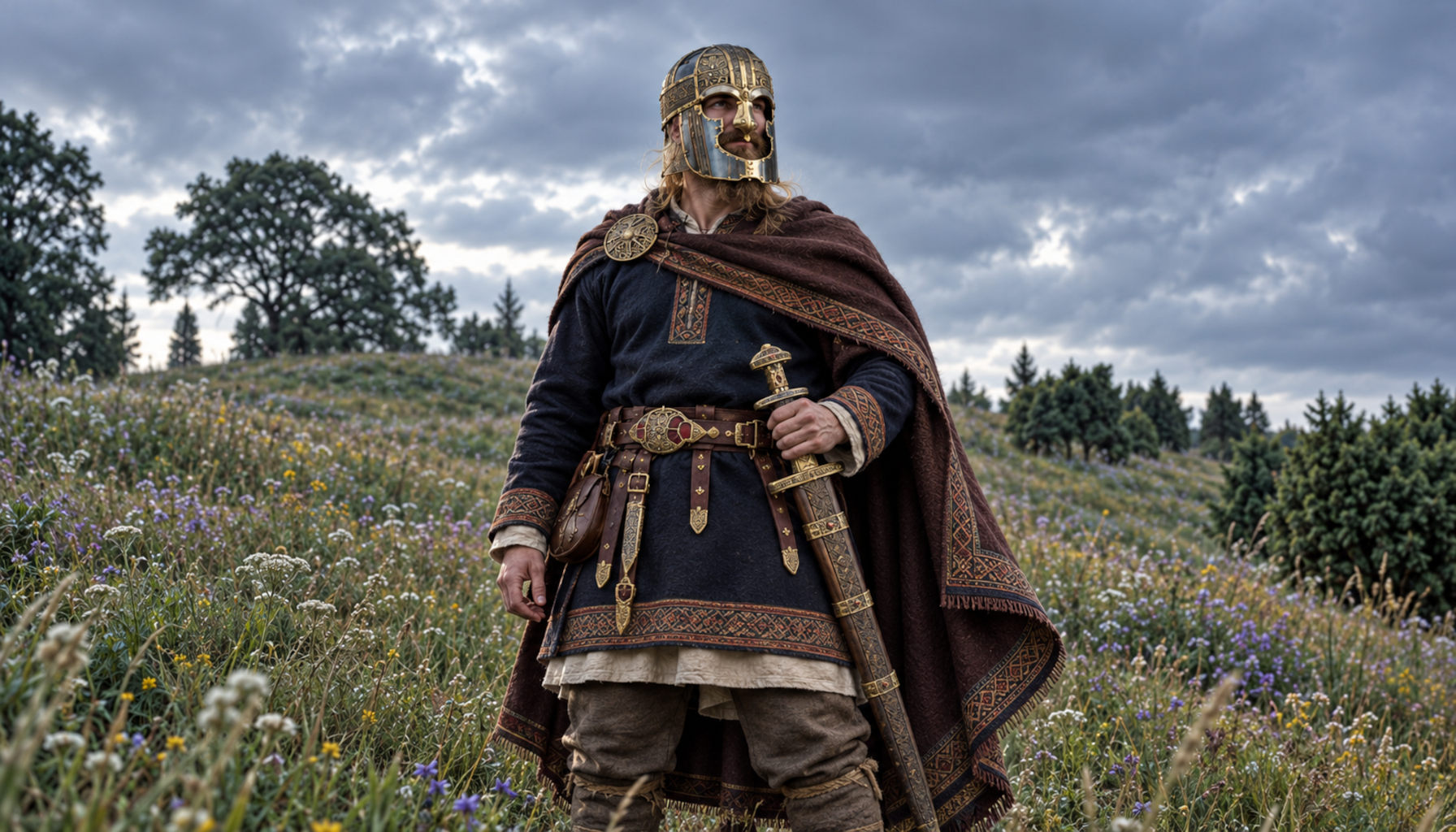
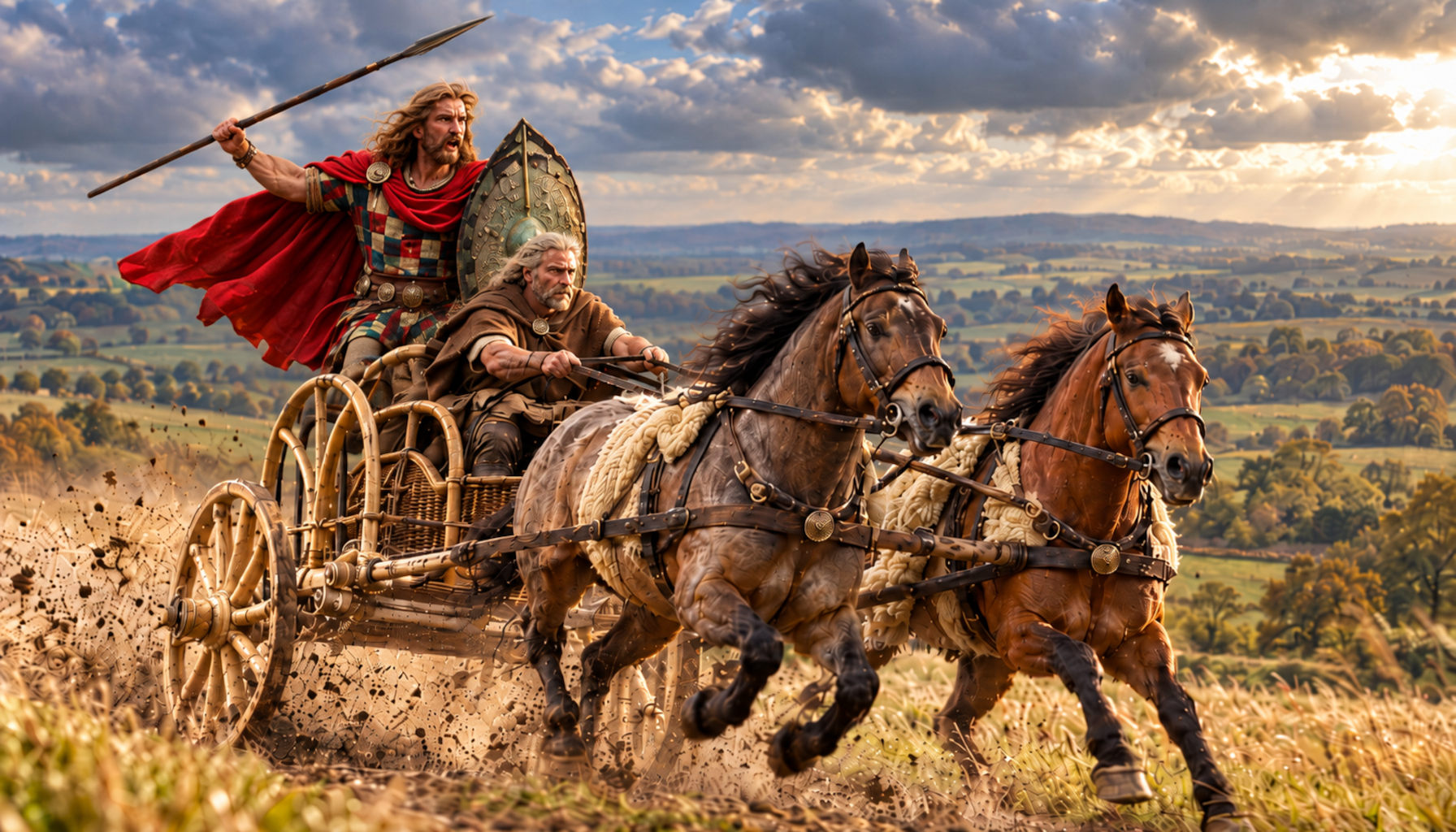
The Morgan family haplogroup tag R1b1a1b1a1a1c2b2a also opens a broader window onto populations linked to northwestern Europe across time. It is important not to claim direct descent from any excavated individual without firm evidence, but there are related or linked ancient DNA samples that give useful historical texture to this genetic branch. These include Merovingian period Frankish Moemlingen, Germany, sample Mln14; Thuringii-associated Obermoellern, Germany, sample OBM054; medieval England from Cambridge St Johns Hospital, sample ATP_PSN_127; medieval Belgium at Sint-Truiden Onze-Lieve-Vrouwekerk, sample ST1237; a Frankish grave from Hannover-Anderten in Lower Saxony, sample ADN014; and several early medieval southern English individuals from Buckland Dover and Polhill in Kent, including BUK040, BUK011, BUK001, BUK006, and POH001. More distant but still relevant links include Iron Age Le Cailar in southern France, sample CLR23, and medieval Upper Bavaria at Petersberg. None of these people should be treated as Morgan ancestors in any direct documentary sense, but together they sketch the sort of genetic and historical milieu in which a western British family haplogroup may be situated: a world of Celtic, post-Roman, Frankish, Anglo-Saxon, Jutish, and medieval European connections.
The Morgans show how a Welsh family name can carry centuries of memory: native roots, landed power, service, adaptation, and survival. If you would like to see whether your own DNA connects with related ancient populations and haplogroup paths such as R1b1a1b1a1a1c2b2a, upload your DNA to MyTrueAncestry and explore the deeper historical landscape behind your family story.
Comments