The Lowe Family
– 3 min read


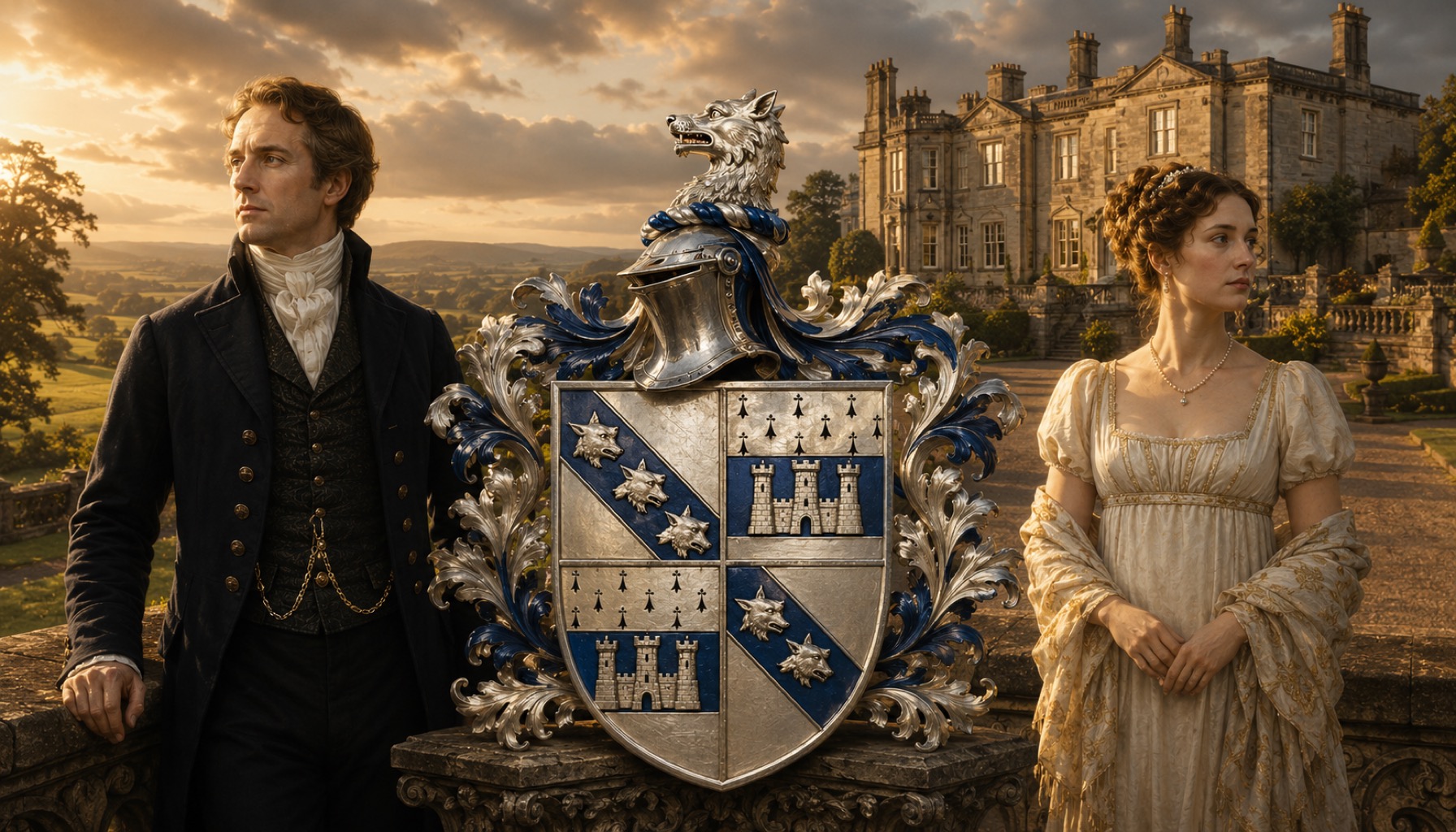
The Lowe family was one of those distinctly English and later British family names that appears again and again in the fabric of local history: in parish registers, land records, heraldic visitations, legal documents, church patronage, and county administration. Rather than belonging to one single royal-style house, the Lowes emerged through several gentry, civic, and professional lines in different regions, building standing over time through landholding, education, office, and service. In that sense, they are a very recognisable kind of historical British family: rooted in place, ambitious without necessarily being grand, and woven into the everyday machinery of English society. Haplogroup tags linked with the family tradition here include I1, I1a, I1a2, I1a2a, I1a2a1, I1a2a1a, I1a2a1a1, I1a2a1a1a, and the primary family haplogroup I1a2a1a1a2b.
The surname itself is English in origin, generally associated with topographic and locational meanings, and it grew in importance in a historical world where identity was tied to manor, parish, county, and kin. By the late medieval and early modern periods, families called Lowe had become established in local society through the kinds of routes that mattered in England: estate management, marriage alliances, service to crown and county, literacy, law, and the church. Among the better-known figures are Vincent Lowe (1493-1558), an early representative of the family in the Tudor world, and Sir Vincent Lowe (1592-1640), whose title and status reflect how some Lowe lines rose into the county gentry. Their story sits squarely inside the larger rise of England's landed and professional classes, where durable family memory was preserved less by epic conquest than by deeds, offices, wills, and stones in parish churches.
A particularly important location anchor for the family is Locko Park in Derbyshire, long associated with the Lowes and with the kind of county-world influence that shaped English gentry identity. Locko Park lies near Spondon, east of Derby, and developed around the site of a medieval Augustinian priory known as Locko Preceptory, later transformed through post-medieval estate building into a substantial country house and landscaped park. The estate as it became known includes the grand house, ornamental grounds, and the memory of a much older religious landscape beneath it, which is exactly the sort of layered history that makes English family seats so fascinating: monastic past, Tudor and Stuart transition, Georgian and later country-house culture, and the continuing prestige of landed ownership. The house seen today is chiefly an 18th-century rebuilding with later additions, and the parkland remains one of those places where family, architecture, religion, and county power all meet in one setting. Locko Park is still known as a historic estate and, while access can vary because it is not simply a standard open museum site, it can still be visited in at least a limited sense through estate events, external viewing, or arranged access where available, so it remains a real geographical touchpoint for the Lowe story rather than just a name in a pedigree.
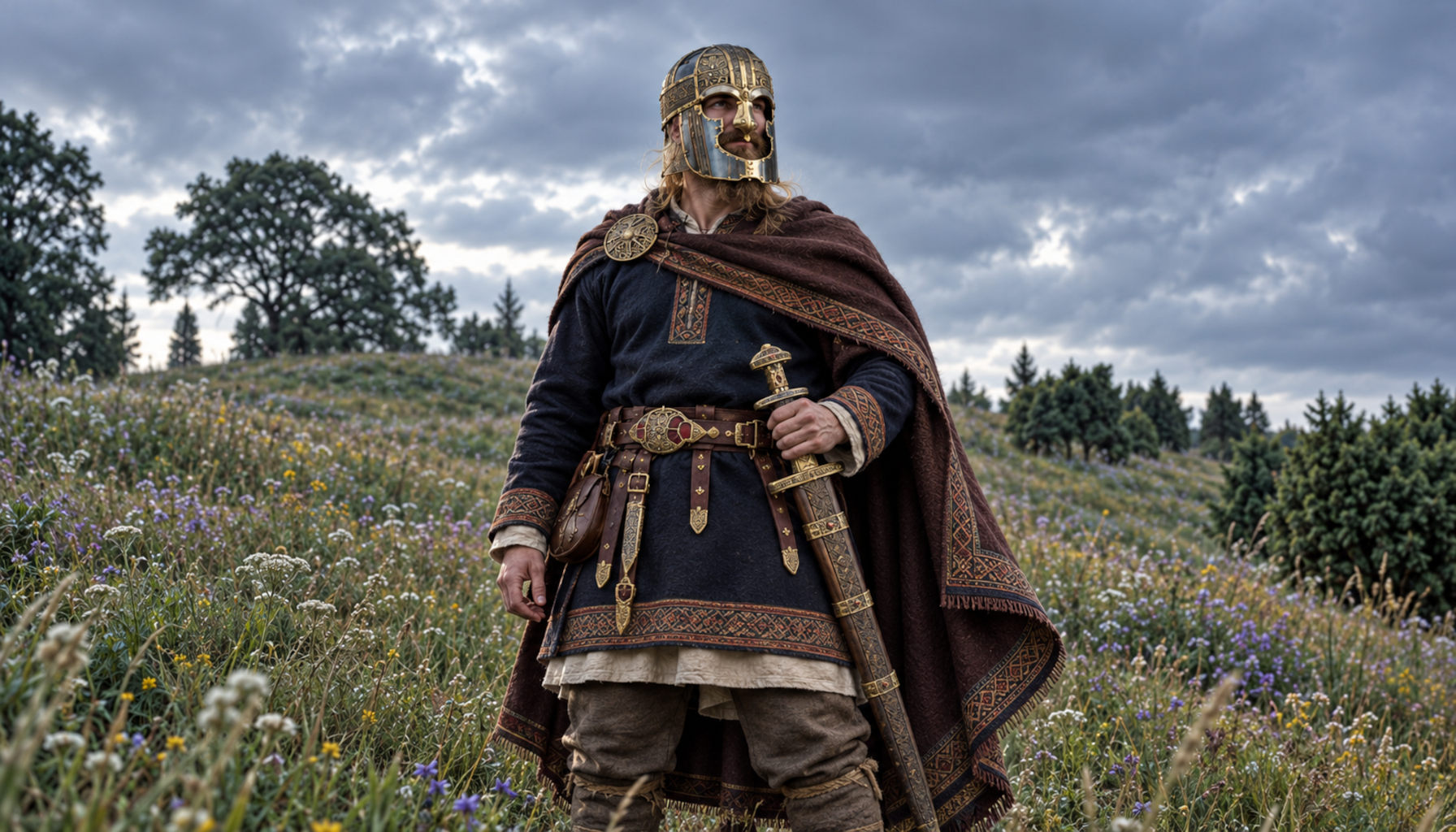
The Lowe family's primary haplogroup, I1a2a1a1a2b, belongs to a wider paternal branch with deep roots in northern Europe and strong links to Germanic-speaking populations across the Iron Age, Roman frontier world, Migration Period, and early medieval centuries. That does not mean any specific Lowe line can be directly descended from any one excavated individual, and it is important not to overclaim. But related and linked ancient DNA samples help sketch the much older human background of this lineage. Examples include Migration Period Hungary at Rakoczifalva (RKO002), Imperial Roman Serbia at Svilos Krusevlje (R6693), Gothic Period Serbia at Timacum Kuline Ravna Village (I15549) and Timacum Slog Necropolis (I15545), Merovingian Frankish Buettelborn in Germany (Btb71), Medieval Belgium at Sint-Truiden Groenmarkt (ST2819), Thuringii-associated Obermoellern in Germany (OBM005), tribal and early historic Denmark from Southern Sjaelland Praesto Endegaarde (CGG107416) and Vester Egesborg Vordingborg (CGG107507), Nordic Bronze Age Denmark at Strandlunden II Gerlev (CGG106515), Iron Age Denmark at Holbaek Fjord Trundholm Mose (CGG106734), a Saxon settler context in Frisii Netherlands at Hogebeintum (CGG024694), Viking Age Denmark at Odense Norrebjerg (CGG105541), Medieval Hungary at Zalavar Varsziget (AHS16), Viking Age Sweden at Stockholm Gorla (gor164), Anglo-Saxon England at Sedgeford, Norfolk (SED014), Migration Period Scitarjevo in Croatia (R3660), Gothic Kecskemet-Mindszenti Transtisza in Hungary (A181016), Viking Age Oland in Sweden (VK337 and VK357), and even Post Medieval Finland in Tavastia Paelkaene (PKN013). Taken together, these linked samples suggest a lineage that moved through the same broad northern and central European worlds from which many later English paternal lines ultimately emerged.
If you are a Lowe, or if this kind of family history makes you wonder what your own deeper ancestry might look like, DNA can add an intriguing extra layer to the paper trail. Upload your DNA to MyTrueAncestry to explore ancient matches, haplogroup context, and the long human story behind your family name.
Comments