The House of Meerscheidt-Huellessem

– 2 min read



The House of Meerscheidt-Huellessem was part of the German noble world of regional aristocracy, rooted in landed identity, heraldic tradition, and the long memory of lineage. In that very German way, the compound family name points to place, branch, and inherited status all at once: a family defined not just by blood, but by estates, service, and recognition within the political fabric of the Holy Roman Empire and its regional lordships. The primary haplogroup linked with the family is I1a2a1a1a2b1a, placing the house within a wider paternal line found across parts of northern and central Europe.
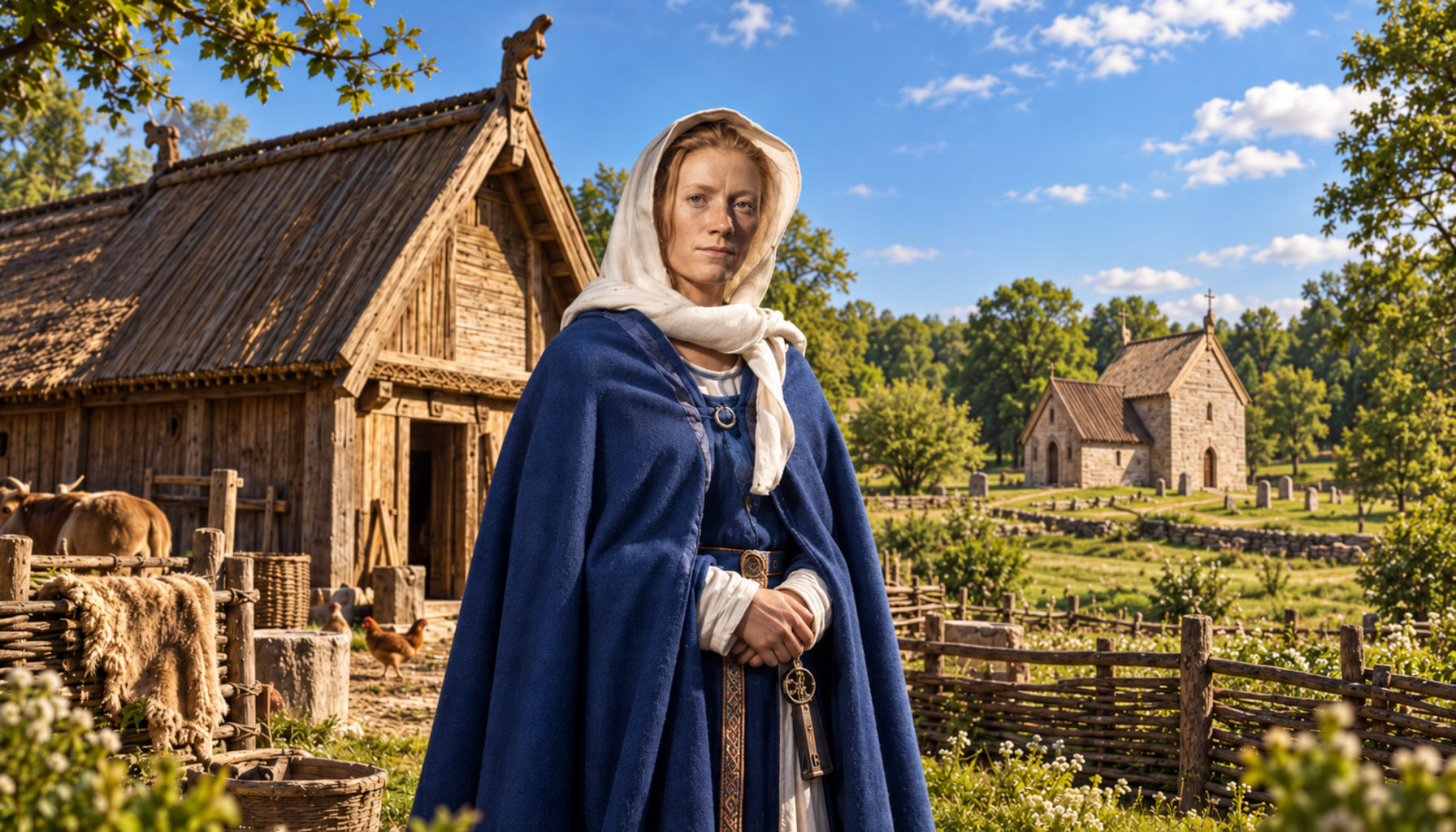
Historically, this is the sort of family that grew through exactly the mechanisms one expects of the old German nobility: landholding, marriage alliances, military or administrative service, and careful maintenance of estate identity across generations. The earliest named figure often cited is Henricus de Merenscede in 1325, a name that preserves the medieval form of the family and hints at its local territorial roots. By the fifteenth century we encounter Anton von Meerscheidt, 1440 to 1498, showing the family already embedded in the social and political structures of noble life. Arms, estates, noble recognition, and the continuity of memory all helped shape the House of Meerscheidt-Huellessem into a classic example of German aristocratic endurance: regionally grounded, service-minded, and conscious of lineage.
A key landscape anchor for understanding this world is Schloss Burg in the Bergisches Land, above the Wupper, one of the most important reconstructed castle complexes in western Germany. Historically it was the seat of the Counts and later Dukes of Berg, and it stands as a reminder of the regional noble environment in which families such as the Meerscheidt-Huellessem took shape and operated. What survives today is the result of a long history: medieval origins, later decline, and major reconstruction from the nineteenth and early twentieth centuries that turned it into one of the best-known heritage sites of the region. It is not merely a romantic ruin but a place that still conveys the structure of aristocratic life in the Rhineland, from lordship and defense to ceremony and residence. Yes, it can still be visited, and that matters, because places like Schloss Burg make noble history tangible: stone, heraldry, landscape, and memory all in one setting.
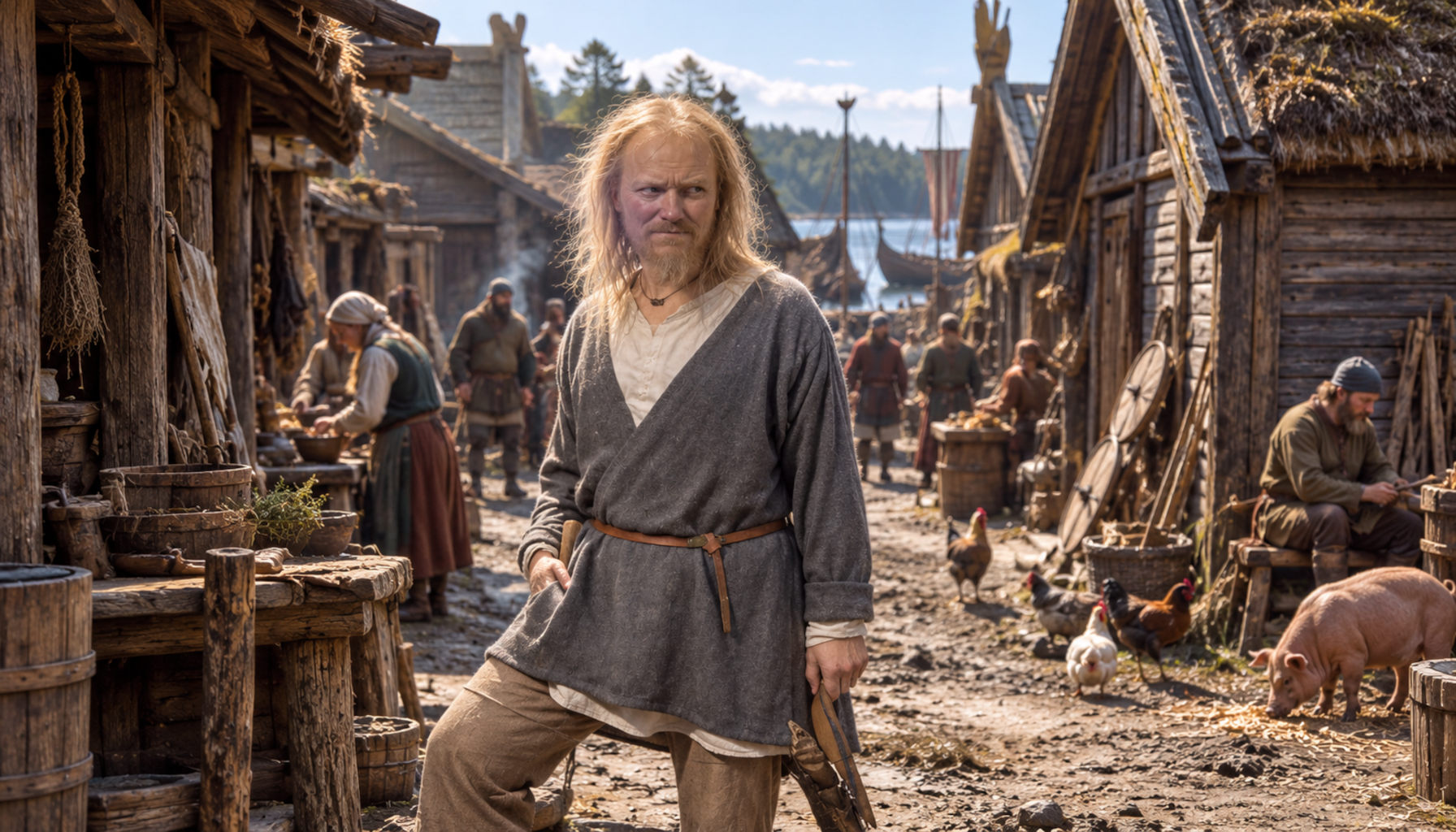
The family's primary haplogroup, I1a2a1a1a2b1a, also has a broader ancient DNA story. Related or linked samples have been found in a wide spread of times and places: Migration Period Hungary at Rakoczifalva with sample RKO002, Merovingian Period Frankish Germany at Buettelborn with Btb71, Medieval Belgium at Sint-Truiden Groenmarkt with ST2819, Post Medieval Finland at Tavastia Paelkaene with PKN013, a Saxon settler context in the Frisii Netherlands at Hogebeintum with CGG024694, and Viking Age Denmark at Odense Norrebjerg with CGG105541. These do not prove direct descent from any one individual to the House of Meerscheidt-Huellessem, and we should be careful about that. But they do show that this paternal line belonged to a historical network stretching across the North Sea world, the Frankish sphere, and the medieval societies from which many later German noble families emerged.
If the story of the House of Meerscheidt-Huellessem interests you, the next step is to see where your own DNA fits into the wider historical map. Upload your DNA to MyTrueAncestry and explore the ancient and medieval populations linked to your ancestry.


Comments