The House of La Rochefoucauld
– 3 min read


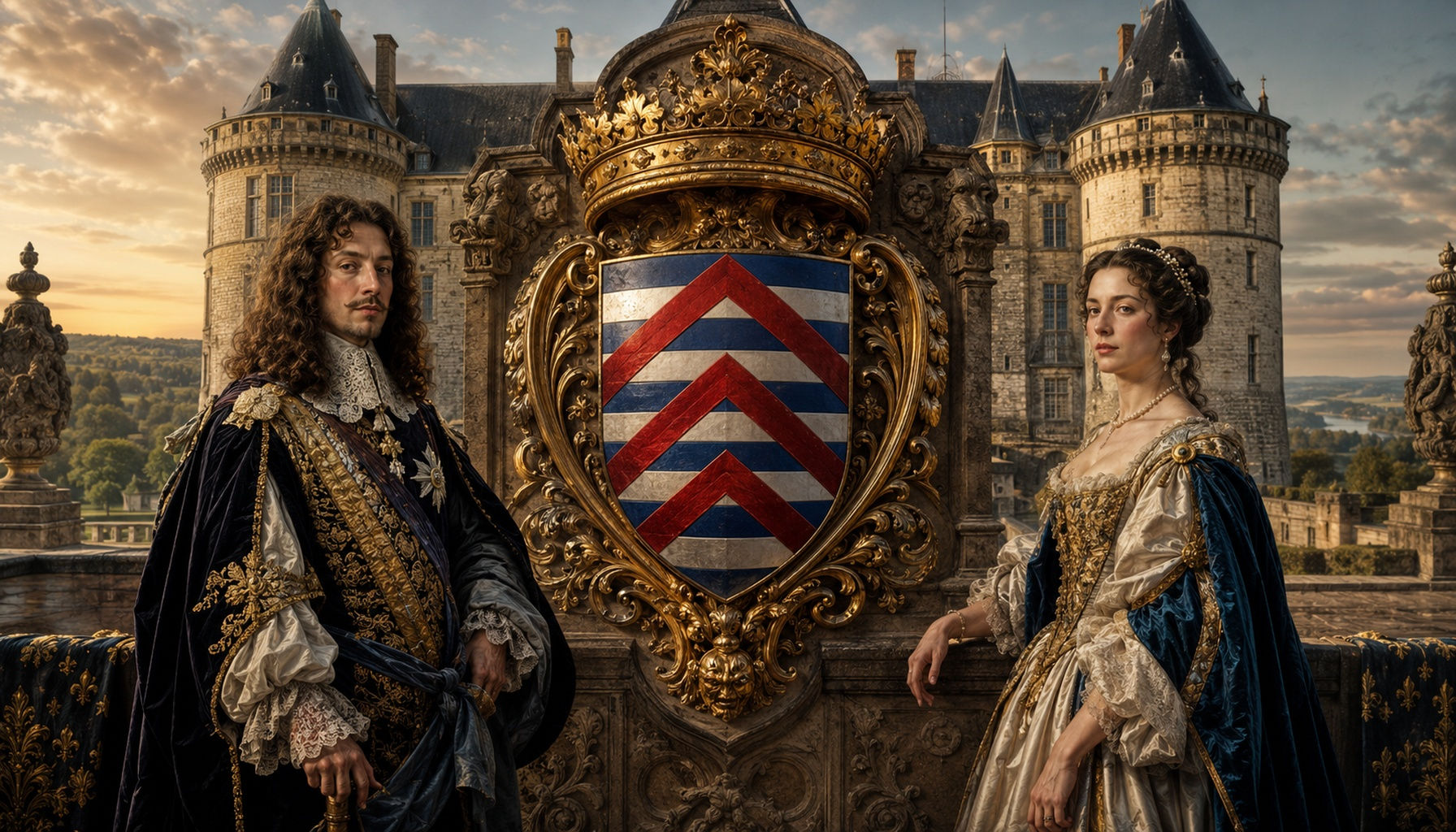
The House of La Rochefoucauld was one of the great noble families of France, rooted in the old lands of Angoumois in western France, and closely tied here to the Y-DNA haplogroup R1b1a1b1a1a1b. In historical terms, this is a house that fits the classic pattern of the French high nobility: ancient territorial origins, long continuity, service to kings, careful marriage alliances, military command, court presence, and an enduring sense of family memory expressed through title, heraldry, castle, and reputation. Their name comes from La Roche in what became La Rochefoucauld, a place-anchor that mattered in the early medieval landscape, where lordship was not an abstraction but something built in stone, defended locally, and recognised through lineage.
The family emerges from the world of the 10th and 11th centuries, when regional lordships were consolidating after the fragmentation of Carolingian power. Foucauld I of La Roche, traditionally dated 973-1047, stands among the early figures associated with the rise of the line. Over the centuries the family expanded its influence through landholding and royal service, and eventually became ducal in rank. They moved not only in the world of war and politics but also in that peculiarly French aristocratic realm of court culture and letters. Francois VI de La Rochefoucauld, 1613-1680, gave the family its most famous literary halo through the Maximes, those glittering and rather merciless reflections on human motives that still cling to the family name. Later, figures such as Francois XII de La Rochefoucauld, 1747-1827, carried the house through the upheavals of the late ancien regime, Revolution, and post-revolutionary France, when old nobility had to learn the awkward art of survival in a changed world.
The great architectural anchor of the family is the Chateau de La Rochefoucauld in the Charente department, in the town that bears the family name. This is not merely a decorative residence but a site that preserves, in its fabric, the long biography of the house. The chateau stands on the location of an earlier medieval fortress, reflecting the original defensive role of such lordly seats, but much of what visitors see today belongs to later rebuilding and remodelling, especially from the late medieval and Renaissance periods. It is particularly noted for its impressive circular towers, its elegant galleries, and its famous staircase, often associated with Renaissance architectural ambition. In other words, it shows the transition so typical of old noble families: from feudal stronghold to aristocratic residence, from military necessity to display, comfort, lineage, and cultivated prestige. The chateau remained historically associated with the La Rochefoucauld family, and yes, it can still be visited, making it one of those rare places where a very old noble story is still physically legible in stone.
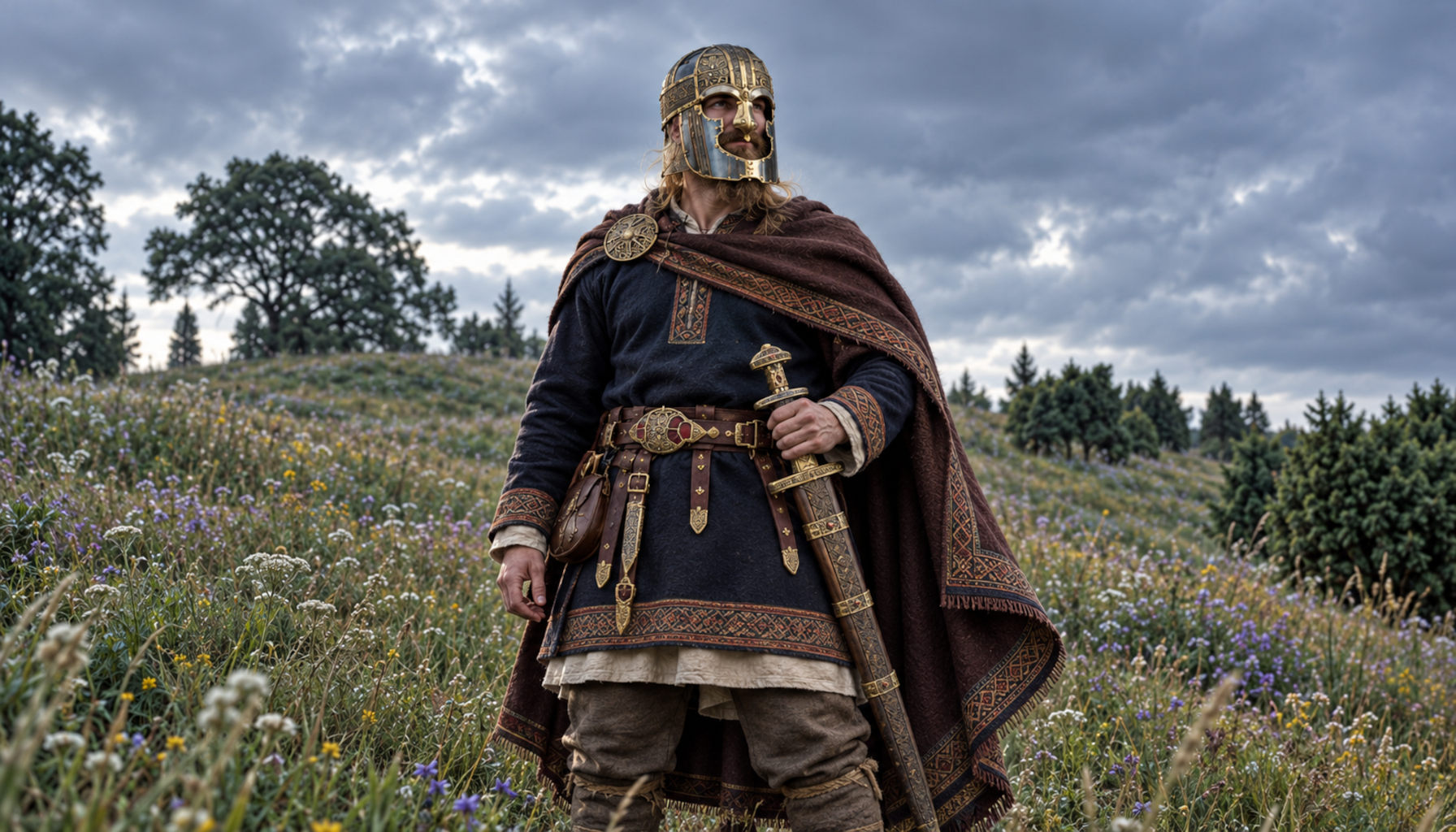
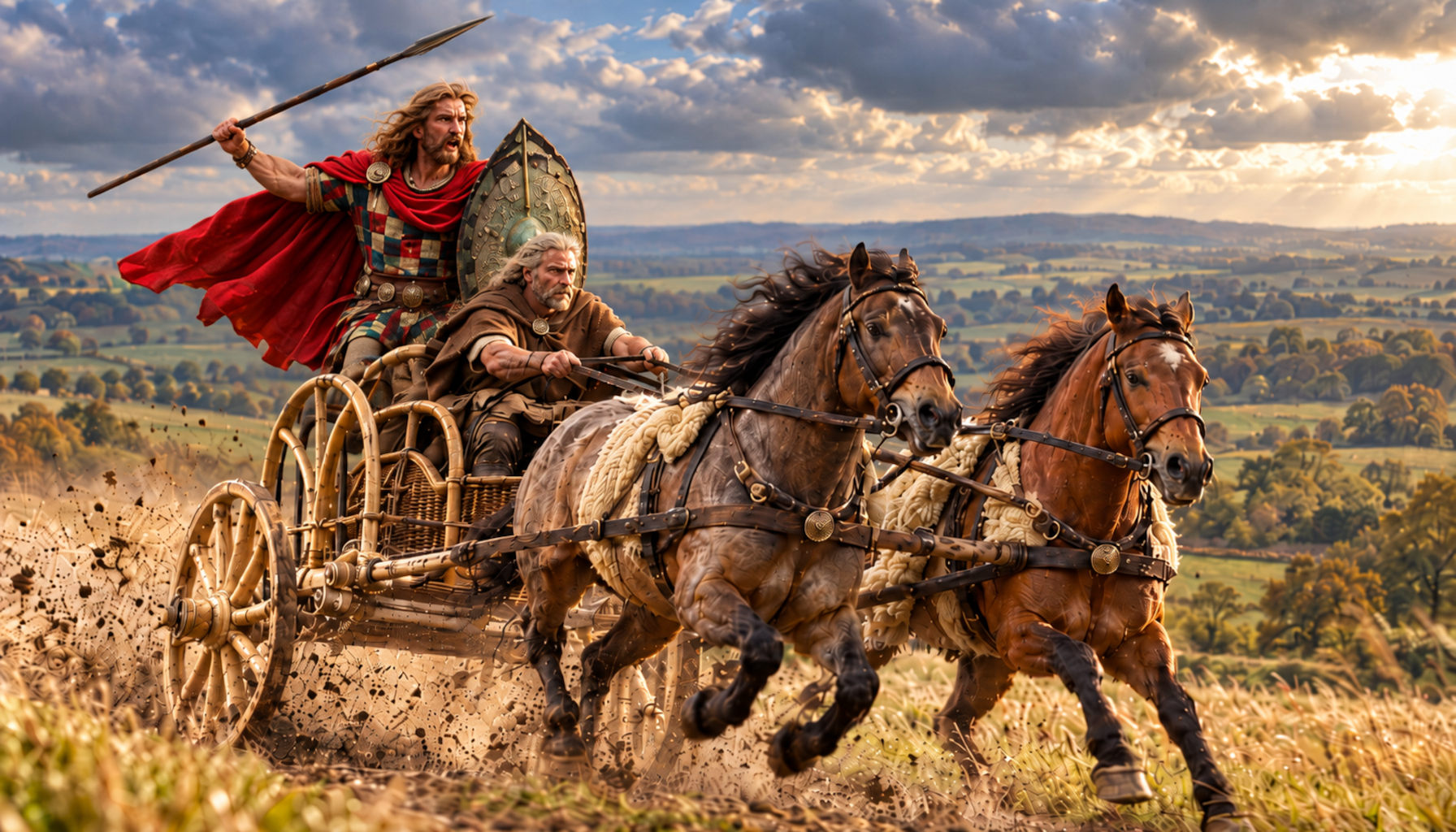
For readers interested in deep ancestry, the haplogroup linked here, R1b1a1b1a1a1b, belongs to a broad western European paternal landscape with a long archaeological footprint. That does not mean specific ancient individuals were direct ancestors of the La Rochefoucauld line, only that they are related or linked examples from the wider haplogroup world. Among the many relevant samples are elite Celtic burials from Germany such as Magdalenenberg Villingen-Schweningen MBG013 and Hochdorf HOC001, HOC001b, and HOC001c; Gaulish and Iron Age France examples including Vix CGG023634, Bucy-le-Long CGG022436, Champfleury CHF106, and Attichy-Bitry ATT3; Early Bronze Age and Bronze Age France samples such as SMGB54 from Yvelines, BRE445FK from Aube, PSS4170 from Pont-sur-Seine, PIR3116B from Rec de Ligno, and RIX15 from Alsace; Roman and post-Roman Britain examples including NWC009, ARB003, DUX003, I3083, I7632, I16600, I19653, and I21307; Durotriges burials from Winterborne Kingston WBK106, WBK17, WBK192, and WBK10; medieval Iberian-linked examples such as Las Gobas ldo040 and ldo046; and later Germanic or elite-associated individuals such as the Lombard Collegno warrior COL_150 and the Merovingian and Frankish era samples Bur6 and Mln27. Taken together, these linked finds sketch a deep-time backdrop stretching from Bronze Age Europe through Celtic, Roman, early medieval, and high medieval societies, the same broad historical stream from which many later western European noble paternal lines ultimately emerged.
If the story of the House of La Rochefoucauld sparks your curiosity, you can explore your own ancient connections by uploading your DNA to MyTrueAncestry. It is a fascinating way to place family history beside archaeology and see how your lineage may connect with the wider human past.
Comments