The House of Green of Greens

– 3 min read


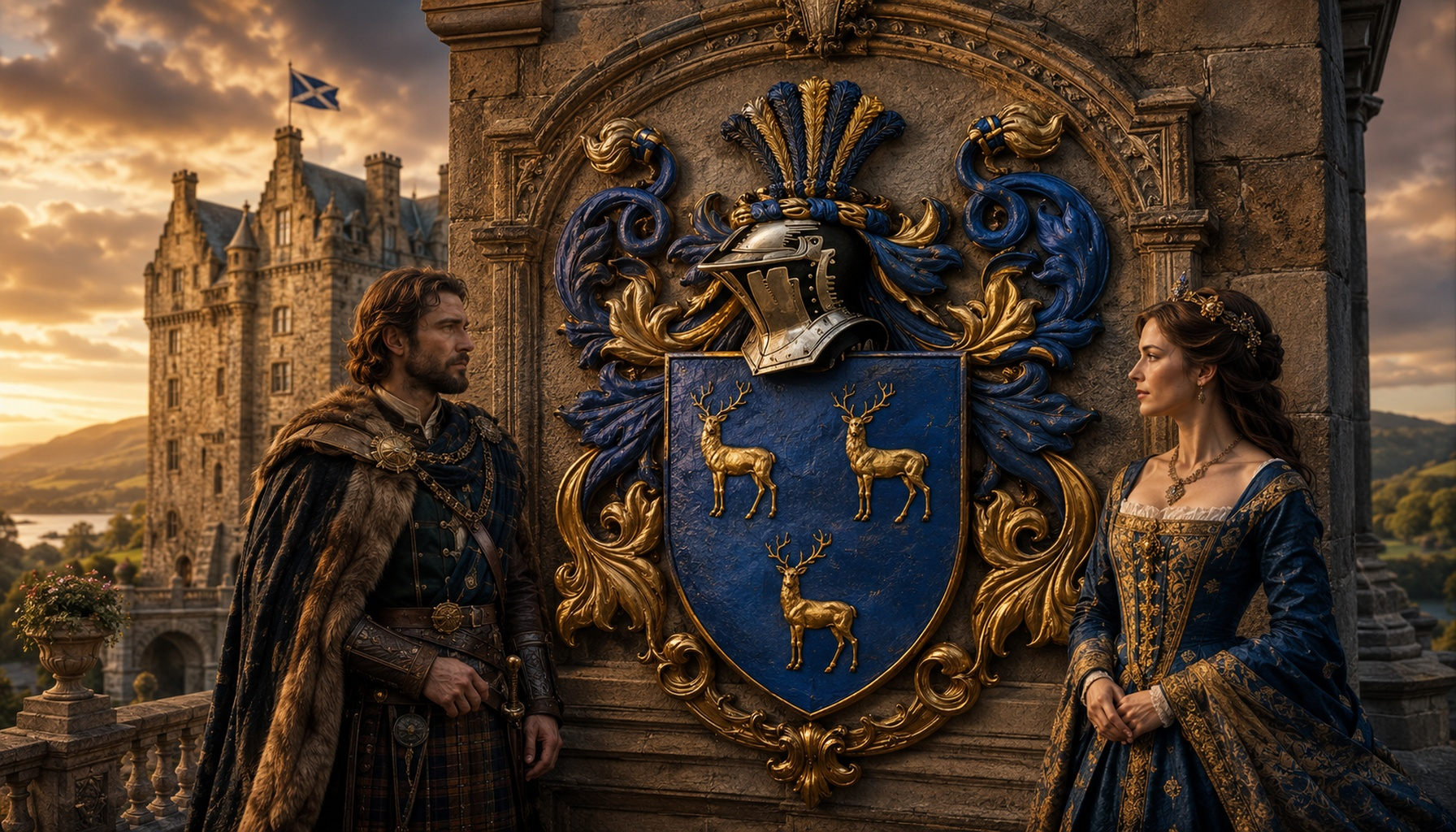
The House of Green of Greens belongs to that recognisable world of English landed and armigerous families in which surname, estate, and heraldic identity were tightly bound together. This was not simply a family name drifting through the records, but a house remembered through landholding, local authority, marriage ties, service, and the durable language of arms. In that sense, Green of Greens fits the classic pattern of a gentry or noble-rooted family whose continuity was preserved through place as much as through bloodline. In genetic tagging terms, the primary family haplogroup linked here is R1b1a1b1a1a1c1a2, a lineage with deep roots across western and central Europe and one that appears in a wide spread of Iron Age, Roman, early medieval, and later medieval contexts.
The family background reaches into the medieval record, with figures such as Alexander de Greene of Bokton in 1250, Sir Henry Greene of Boughton in 1369, and Sir Thomas Green, who lived from 1461 to 1506. Those names place the house firmly in the historical landscape of Northamptonshire and its surrounding region, where families of standing built their reputation through office, estate management, royal or local service, and careful alliance. The very style "of Greens" suggests an estate-linked identity, the sort of naming pattern that advertises rootedness in a particular place and the memory of possession. This is how many English landed families made themselves legible to history: not merely by surviving, but by attaching name to manor, manor to heraldry, and heraldry to inherited standing over generations.
The location anchor for the family is Greens Norton in Northamptonshire, a village and civil parish not far from Towcester, set in the old agricultural and manor-centred landscape of the English Midlands. Historically it stands in just the kind of region where medieval and early modern landed families consolidated influence through parish life, tenurial control, and local administration. Greens Norton is known for its long settlement history, its parish church of St Bartholomew, and its place within a countryside shaped by open fields, estates, and later enclosure. The village name itself preserves that close relationship between family and land that matters so much in hereditary memory: whether the family gave distinction to the place, the place to the family, or both together over time, the association became part of how lineage was remembered. It remains a real, visitable place today, and for anyone tracing the House of Green of Greens, it offers the most tangible way to step into the family's historic setting rather than merely reading it in pedigrees and armorial notes.
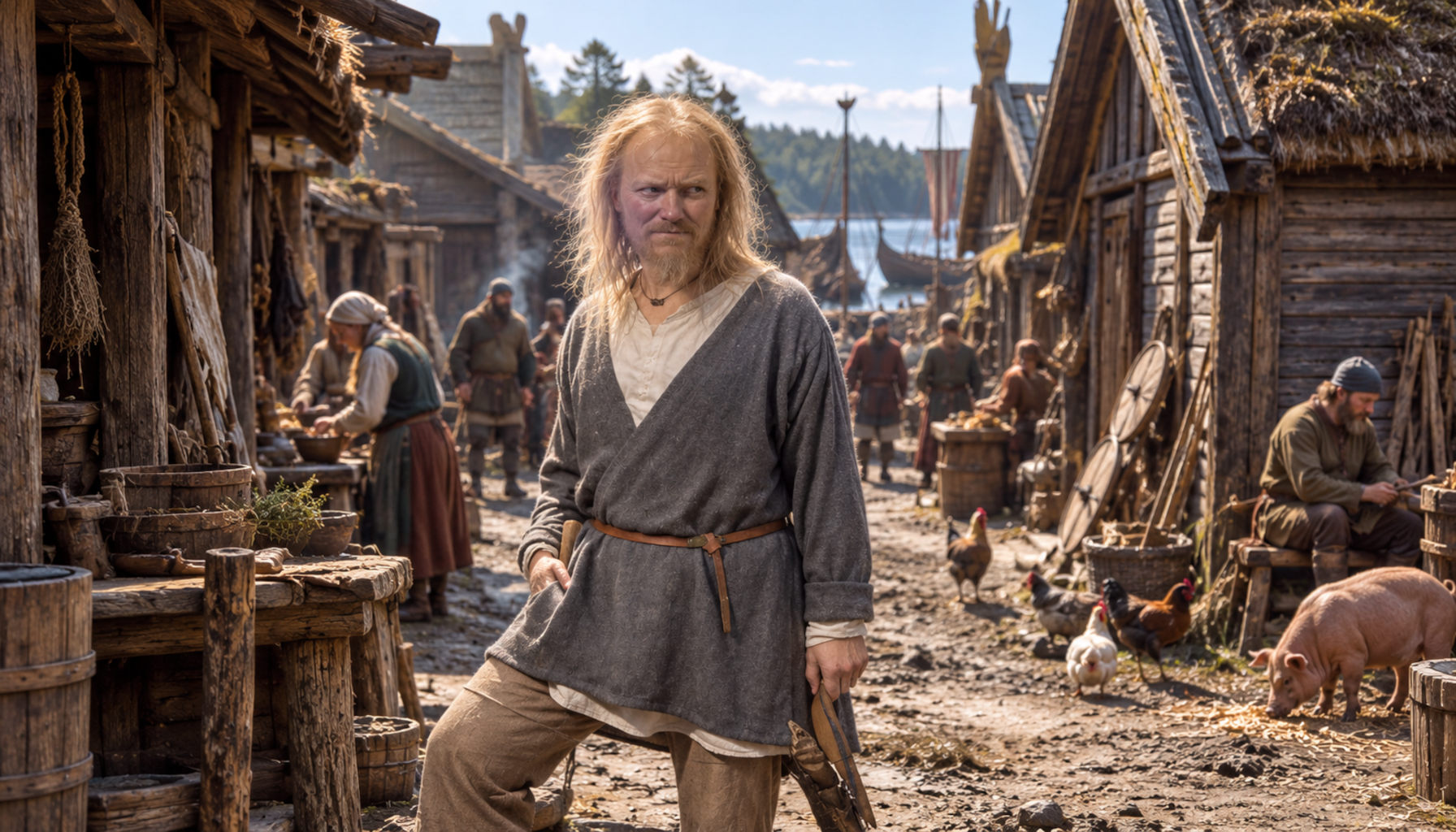
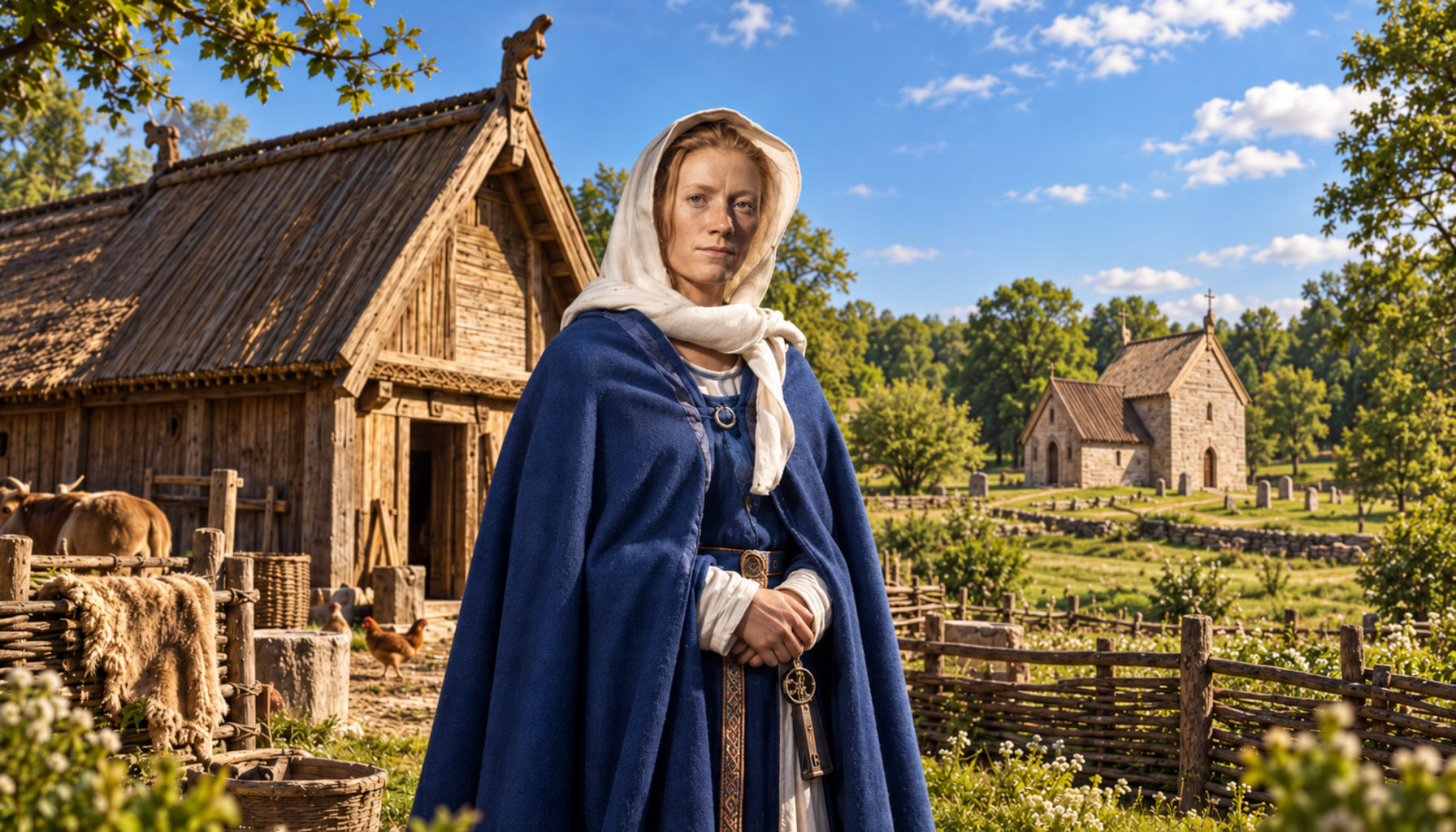
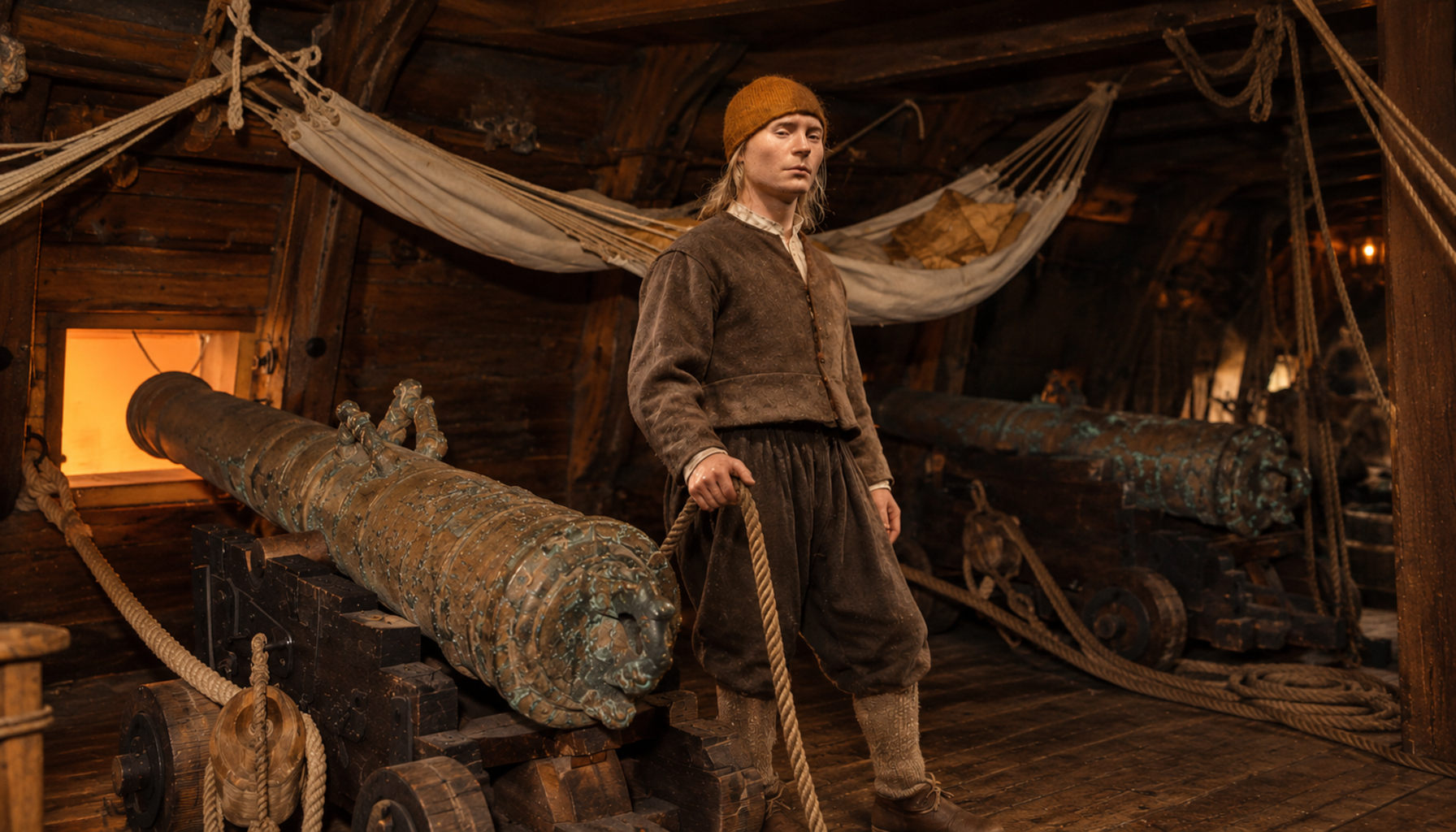
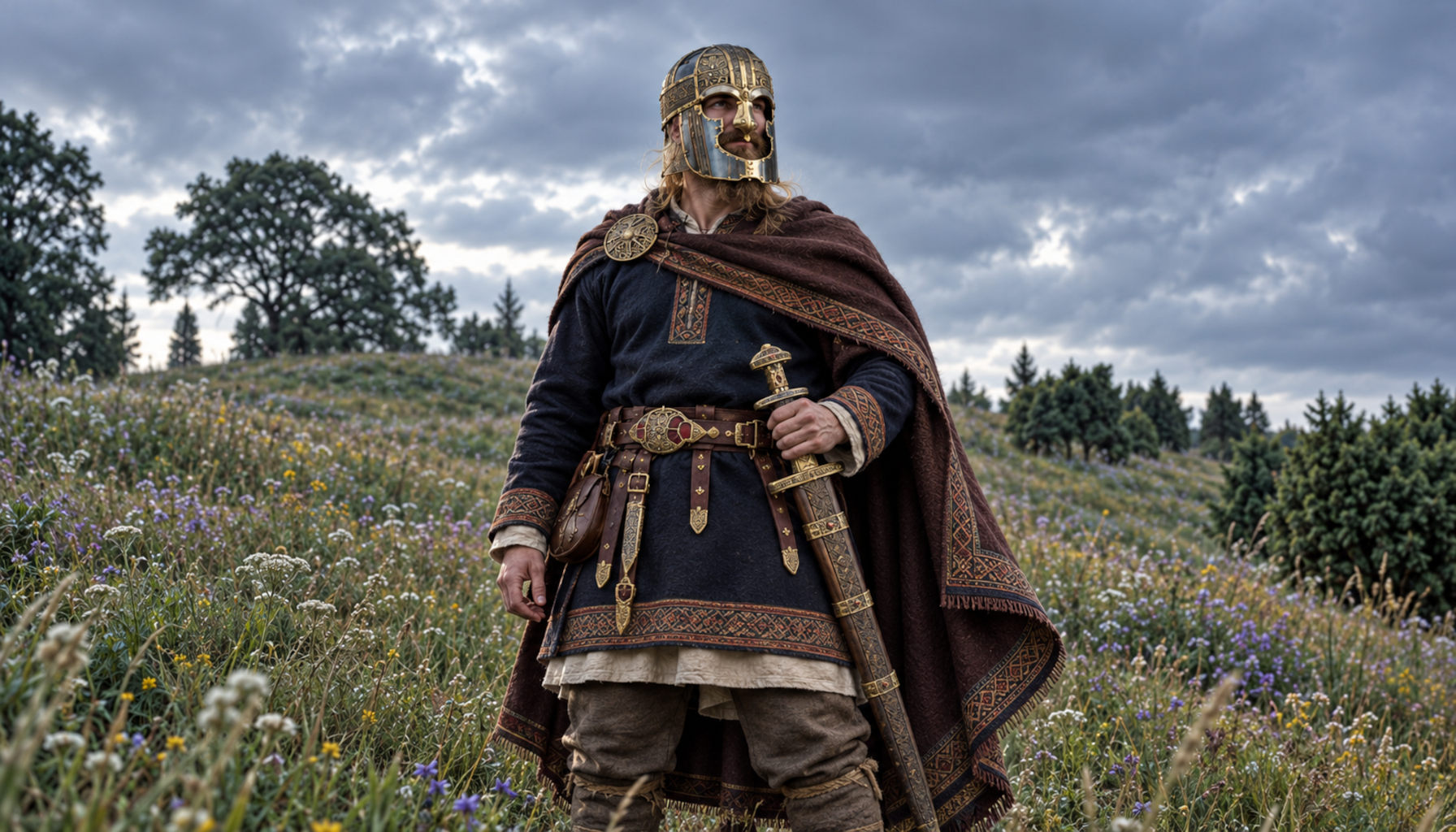
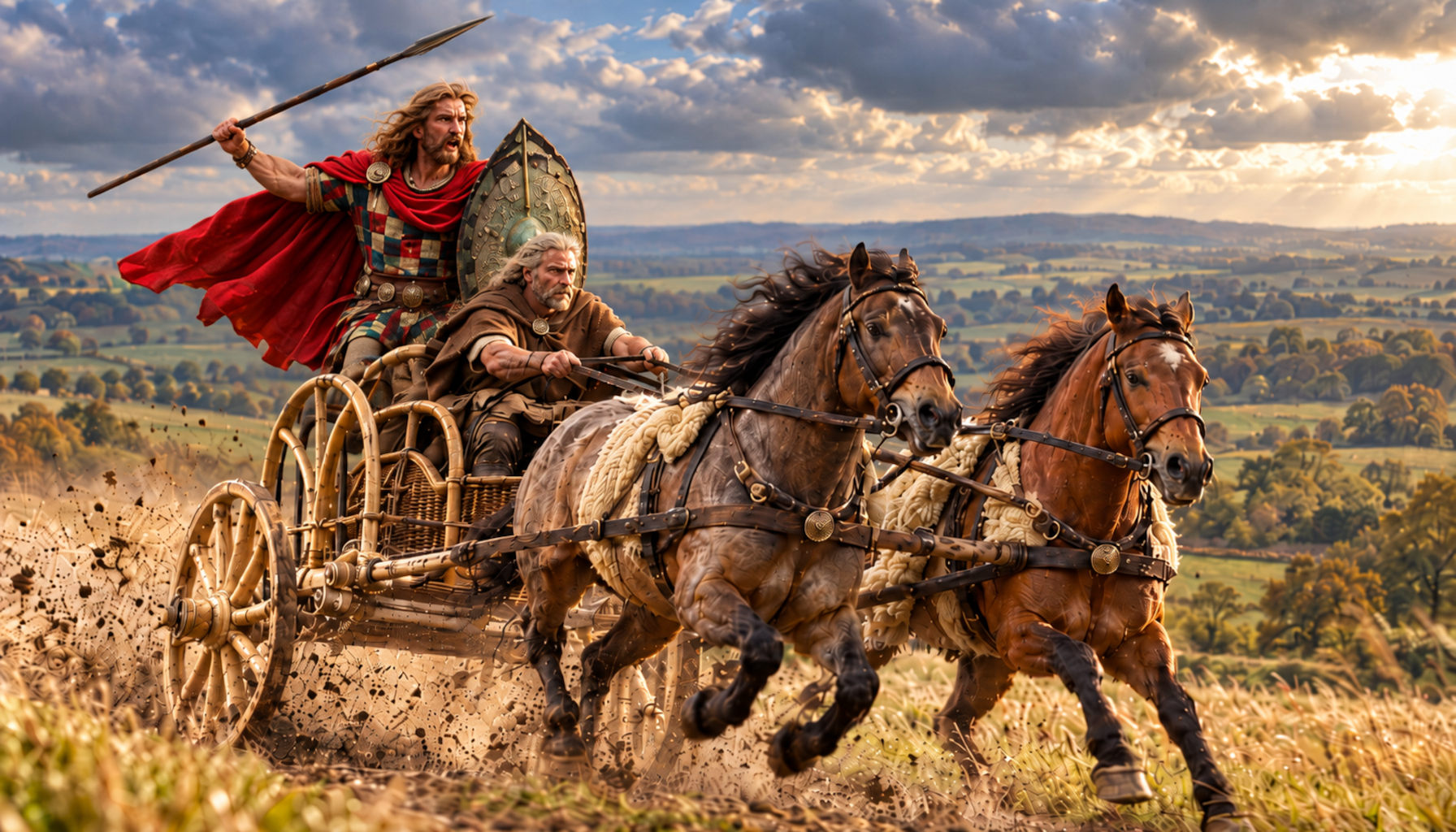
The haplogroup R1b1a1b1a1a1c1a2, used here as the primary lineage tag for the House of Green of Greens, is not evidence of a proved direct line to any excavated individual, but it does place the family within a broader web of related ancient and medieval paternal signatures. Linked or related samples include Lombard Warrior Elite Collegno Northern Italy COL_069, Lombard Era Collegno Northern Italy COL_069b, Lombard Warrior Elite Collegno Northern Italy COL_069x, Elek Bathory Hungarian Knight Pericei PER01, Ferenc Bathory Hungarian Knight Pericei PER03-1, Merovingian Period Bavaria Altheim Germany Alh_247, Medieval Jutland Denmark Vor Frue Kirkegard Aalborg CGG100493, Medieval Denmark Tjrby Randers Municipality CGG100951, Medieval Belgium Sint-Truiden Onze-Lieve-Vrouwekerk ST0052, Thuringii Tribe Germany Obermoellern OBM023, Migration Period Germany Saxony-Anhalt Bruecken BRC031x, Medieval Belgium Sint-Truiden Onze-Lieve-Vrouwekerk ST1232, Medieval Belgium Sint-Truiden Onze-Lieve-Vrouwekerk ST0632, Belgic Suessiones Iron Age France Bucy-le-Long CGG022456, CGG022463, CGG022431, CGG022425, CGG022438, Batavi Germanic Tribe Netherlands Valkenburg Marktveld CGG107745, CGG107754, CGG107751, Medieval Belgium Sint-Truiden Onze-Lieve-Vrouwekerk ST3006, Gallic France Bucy-le-Long CGG022419, Medieval Poland Piast Dynasty Lad PCA0193, Early Anglo Saxon Cemetery West Heslerton Yorkshire I20644, I20671, I20677, Saxon Coast Lower Saxony Germany Dunum DUN010, Early Anglo Saxon Period Buckland Dover England BUK059 and BUK027, Longobard Haeven Mecklenburg-Vorpommern HVN005, Norman Invasion Medieval Lincolnshire Lincoln Castle S3044, Etruscan Roman Republic Tarquinii Italy R10339, Roman Klosterneuburg Fortress Lower Austria R10659, Late Bronze Age Teplice Bohemia I13788, Germanic Iron Age Teplice Radosevice Bohemia I15950, Iron Age Briton Cambridgeshire England I11149, Middle Bronze Age Westwoud-Binnenwijzend Netherlands I11972, Early Iron Age Vlaardingen-Krabbeplas Netherlands I17019, Late Iron Age Frisian Boy Aak Uitgeest-Dorregeest Holland I12907, Elite Germanic Tribe Warrior Bavaria AED106, Post Medieval Plague Victim Ellwangen Germany ELW003, Viking St. Brice Massacre Oxford VK143, Viking Age Ribe Jutland VK323, Bell Beaker De Tuithoorn North Holland I4070, and Medieval Villa Magna Italy R58. Taken together, these do not tell us that the Green family descends from one named warrior, knight, or Iron Age burial, but they do show that this paternal line belonged to a very wide and historically mobile European story, one that touched Belgic, Batavian, Anglo-Saxon, Lombard, Viking Age, Roman, and medieval elite environments.
If you are researching the House of Green of Greens, or simply wondering whether your own line connects to this wider historical world, you can upload your DNA to MyTrueAncestry and explore ancient samples, haplogroup matches, and the deeper population history behind your family story.
Comments