The House of de Coleby
– 3 min read


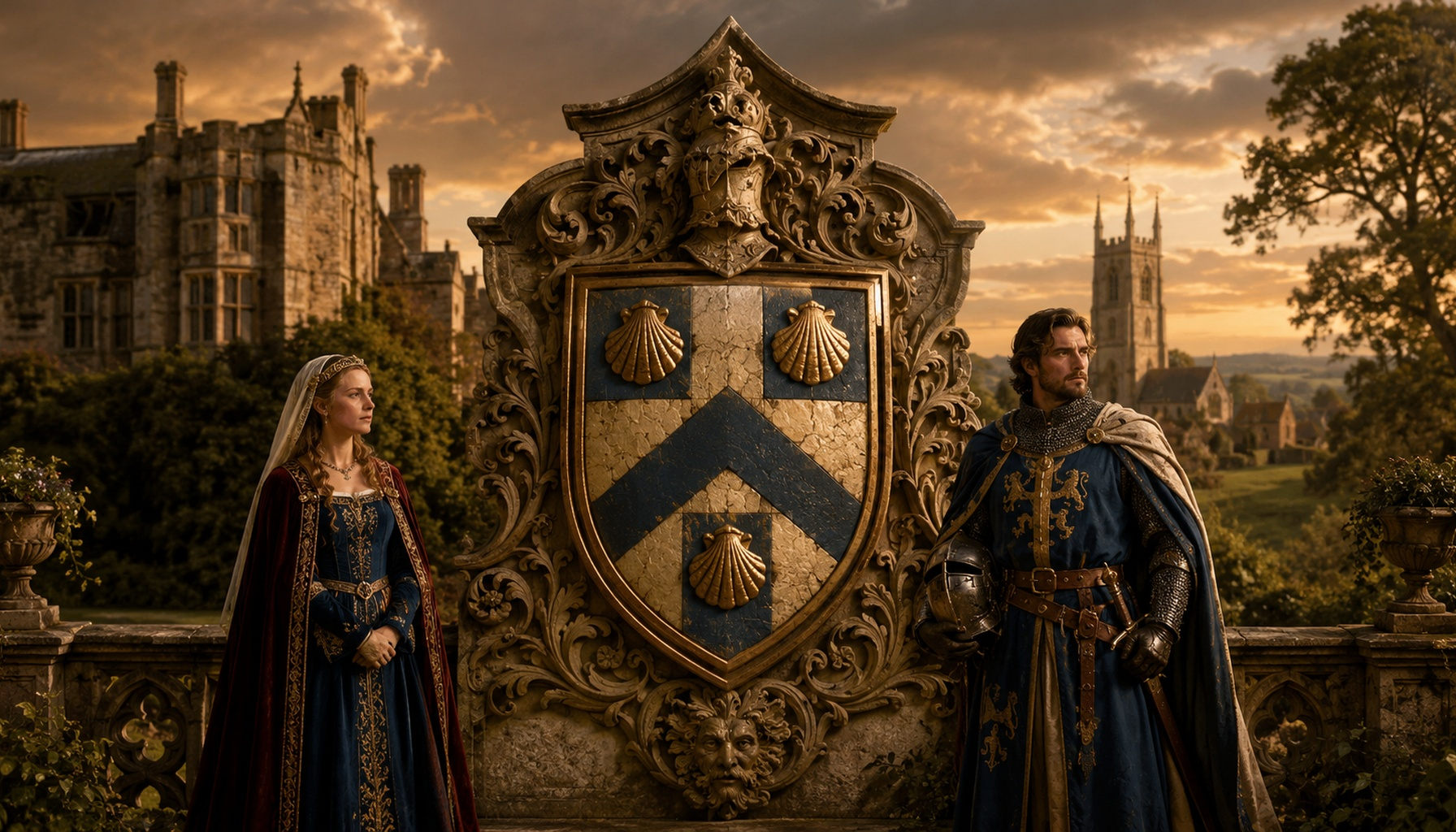
The House of de Coleby was an English landed family rooted in place, service, and the long medieval habit of taking identity from the land itself. As the name suggests, the family came from Coleby in Lincolnshire, and belongs to that very recognisable English world of local lordship, manor-based authority, parish standing, and county service. This was not a royal or princely dynasty, but a solid territorial house whose status would have rested on landholding, feudal obligation, marriage connections, heraldic memory, and the persistence of the family name across generations. Primary family haplogroup: R1b1a1b1a1a2c1a5c2a.
In historical terms, de Coleby fits the classic pattern of an English surname-house formed from locality. A family like this emerged because land mattered, and because being "of Coleby" was not just a label but a claim to origin, standing, and continuity. Among the named figures linked with the family are Sir Roger de Coleby around 1200, William de Coleby around 1250, and John Coleby of Lincoln in 1379, each reflecting the family's movement through the orbit of medieval Lincolnshire and its urban connections. The de Coleby name would have carried meaning in legal records, property transactions, local administration, and the slow, careful business of preserving family identity in a county landscape where memory often lived in estates, churches, and seals as much as in chronicles.
The family's location anchor is Coleby, in North Kesteven, Lincolnshire, a village whose history gives exactly the right setting for a house like de Coleby. Coleby lies just south of Lincoln, in a region shaped by agriculture, manorial structure, and the long continuity of rural settlement. The later presence of Coleby Hall helps anchor the place in that tradition of local gentry residence: a house standing in a village where status, land, and local influence were tightly interwoven. Even where the surviving building belongs to later centuries rather than the first medieval de Colebys, it still expresses the same underlying story, that this was a place where landed authority mattered and where family identity could be tied to one locality over a very long span. The village of Coleby and the hall remain part of the historic landscape of Lincolnshire, and the area can still be visited today, giving a tangible sense of the setting from which the de Coleby name emerged.
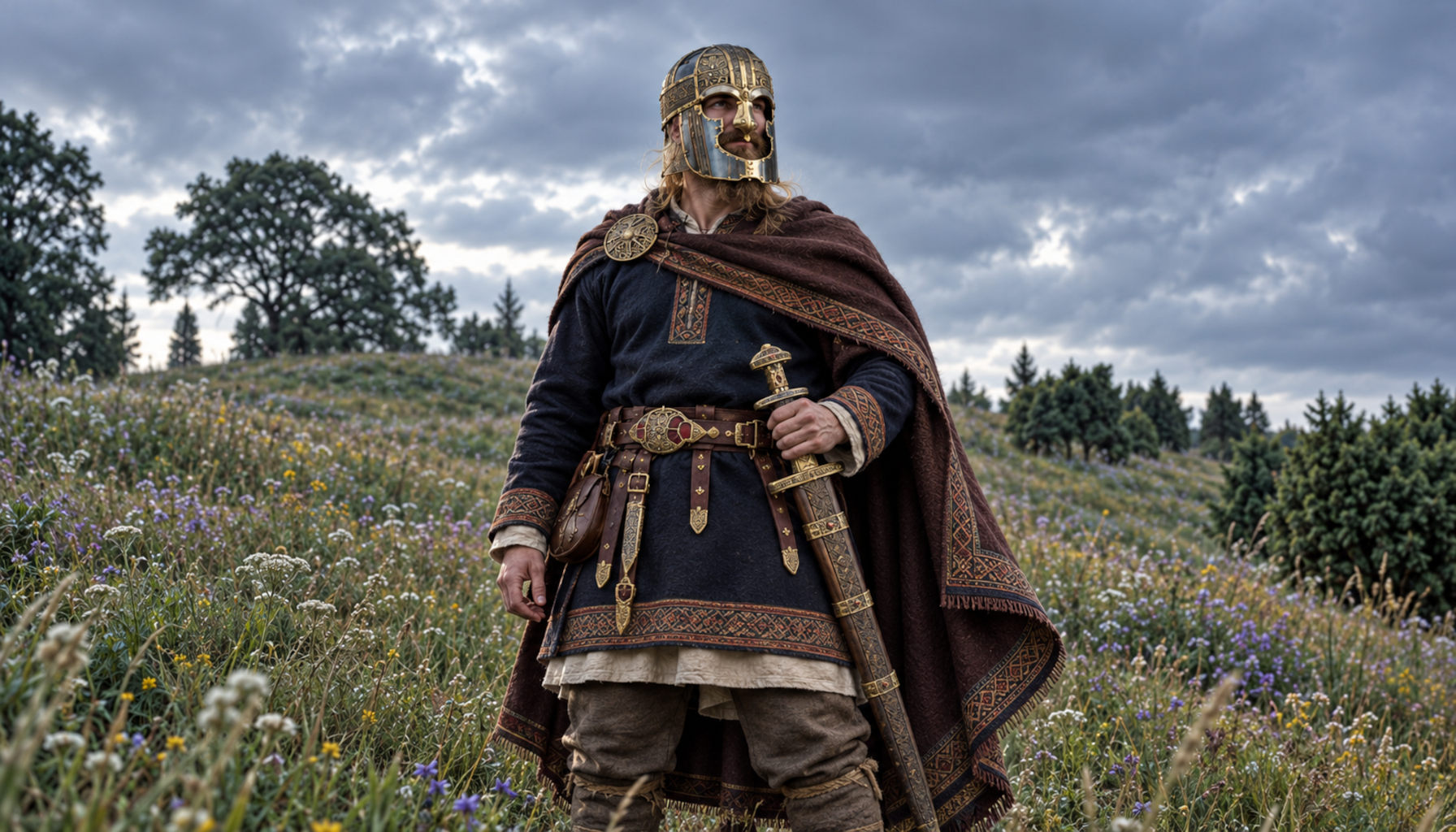
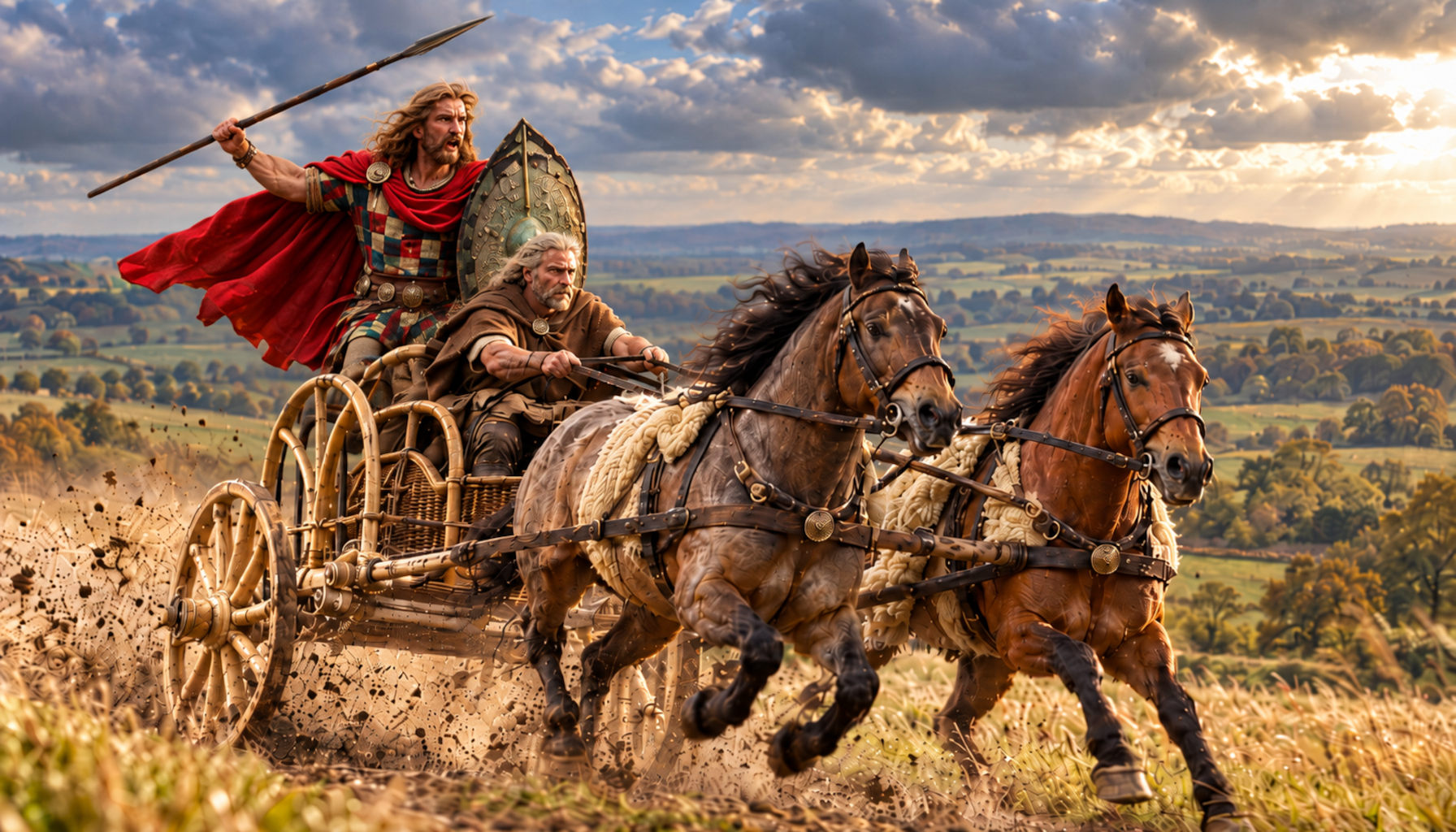
The de Coleby family is here tagged with haplogroup R1b1a1b1a1a2c1a5c2a, and while no ancient sample can be claimed as a direct ancestor without specific evidence, a number of related or linked ancient DNA finds help place that lineage in a wider historical frame. These include Anglo-Saxon and early medieval samples such as Fox Holes Cave, Clapdale, Ingleborough Hill, Yorkshire, Britain (I16392), Early Anglo-Saxon Cemetery, West Heslerton, Yorkshire (I11586), and Viking Age Skara Varnhem, Sweden (VK405), as well as Germanic-period Weklice, Poland (R10626). The broader backdrop also reaches further into Britain and Ireland through Iron Age and Celtic Briton-linked individuals from Fin Cop, Derbyshire (I20628), Carsington Pasture Cave, Derbyshire (I12775), Lechlade-on-Thames, Gloucestershire (I12783), Bradley Fen, Cambridgeshire (I11156), Trumpington, Cambridgeshire (I11153), Stanton Harcourt, Oxfordshire (I21272 and I21277), Greystones Farm, Gloucestershire (I12785), Rathlin Island, Ireland Copper Age (Rathlin1B), and Bronze Age Covesea Cave, Scotland (I3132). Together, these related samples suggest the deep and mixed prehistoric and early medieval background from which later English landed families ultimately emerged.
If the story of the House of de Coleby interests you, and you want to see how your own DNA may connect with ancient populations, medieval migrations, and the deeper peopling of Britain, try uploading your DNA to MyTrueAncestry. It is a fascinating way to place family history alongside archaeology and the long human story behind a surname.
Comments