The House of Bray

– 2 min read


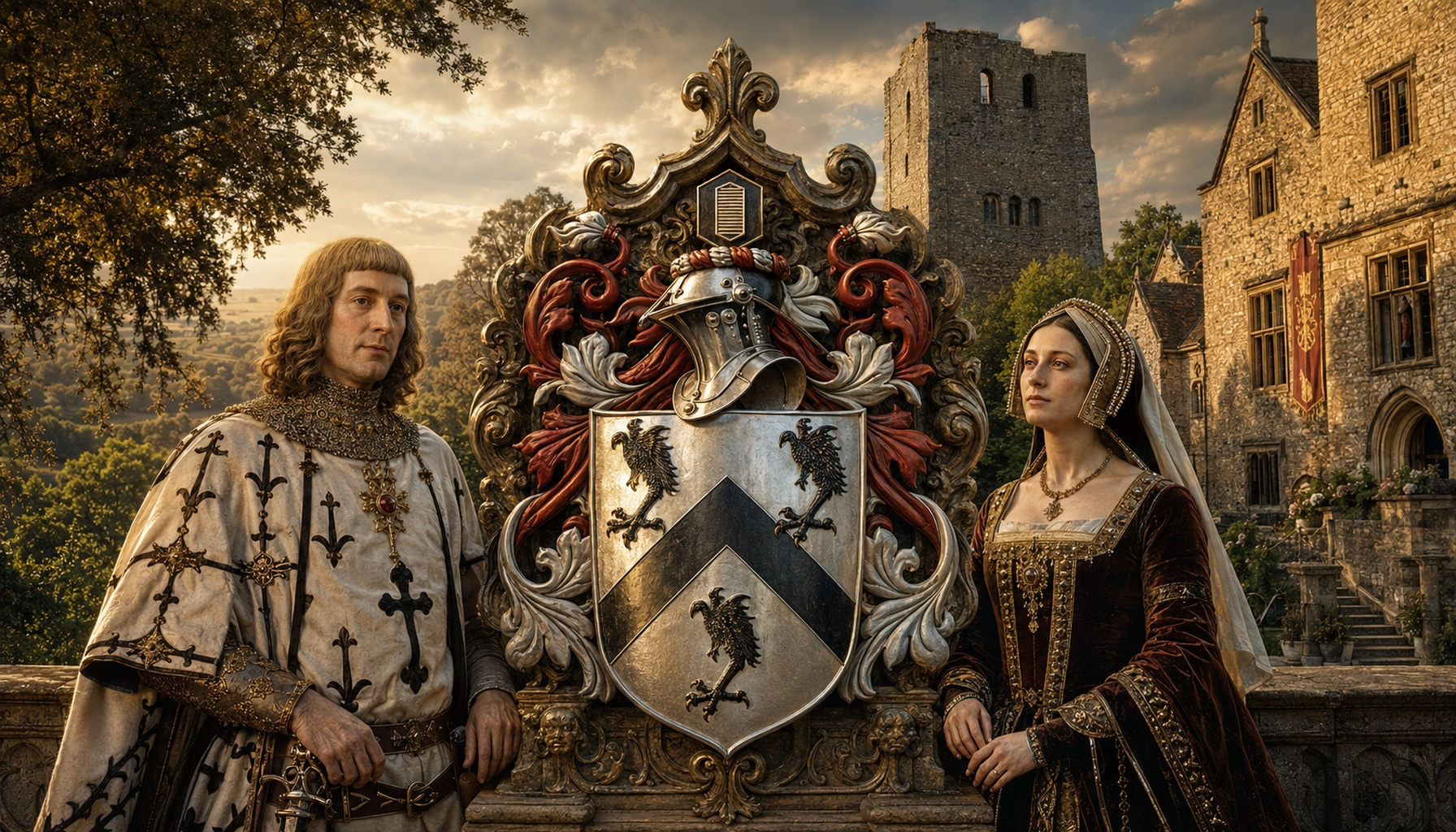
The House of Bray was one of those recognisably English landed families whose story was built not on fantasy or legend, but on something far more important in historical terms: place, property, office, and reputation. Associated with regional roots, estate identity, and long public service, the Bray family belongs to that broad tradition of English gentry and noble houses that rose through landholding, advantageous marriage, royal service, and a careful preservation of family standing over generations. Their report is tagged with haplogroups linked to the family line, with the primary family haplogroup identified here as I1a2a1a1d2a1b.
In that sense, the Brays represent a very familiar and very durable pattern in English history. Families like this were not simply names in pedigrees; they were fixtures in local life, tied to estates, to county influence, and to the public world of loyalty, administration, and service. Among the best-known figures are Sir Reginald Bray (1440-1503), the immensely important royal administrator and councillor of Henry VII, and Sir Edmund Bray (1484-1539), 1st Baron Bray, a notable courtier and nobleman of the early Tudor period. Through men like these, the family gained prominence not only through ancestry, but through active participation in the making of English political life.
The family's location anchor is given here as Bray Castle, tied for reference to Lewes Castle in Sussex. Lewes Castle is one of the great Norman fortifications of England, established soon after the Norman Conquest and associated with the powerful de Warenne earls. It stands on twin mottes and formed part of the wider Norman remaking of the English landscape, where castles were not simply military structures but statements of control, status, and regional authority. In heritage terms, this matters because families such as the Brays belong to the same long world of landed identity in which estates, strongholds, and local memory shaped family reputation over centuries. Lewes Castle still stands and is open to visitors today, making it a very real and visible reminder of the kind of historic landscape in which English families of rank established and defended their place.
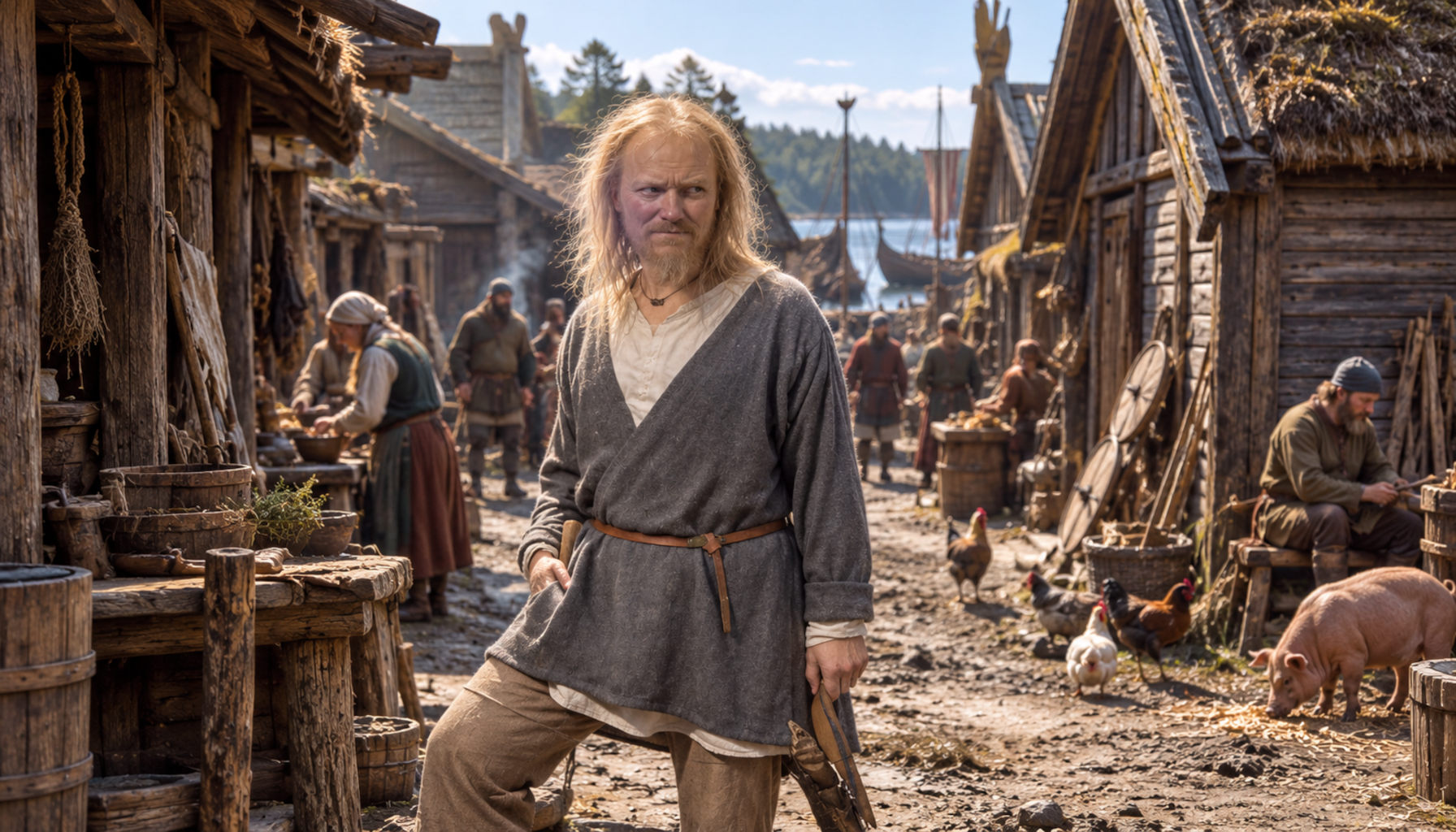
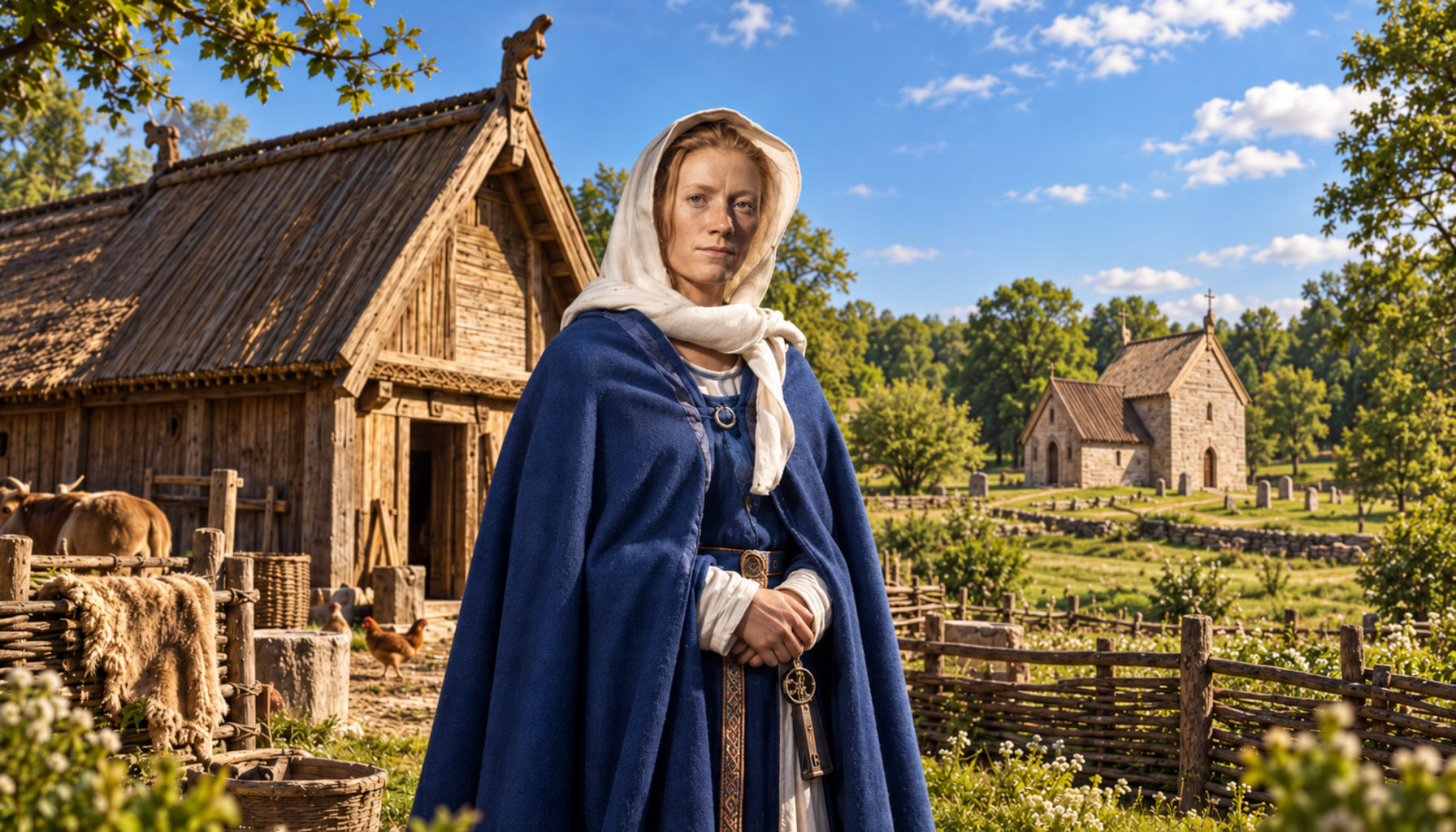
The Bray family's primary haplogroup, I1a2a1a1d2a1b, belongs to a wider northern European genetic landscape with deep historical roots. Related or linked ancient DNA samples include Medieval Belgium Sint-Truiden Onze-Lieve-Vrouwekerk (ST0006), Danii Tribe Denmark Northwest Sjaelland Asnaes (CGG107442), Jute Tribe Denmark Northwest Sjaelland Gedebjerg (CGG107447), Danii Tribe Denmark West Sjaelland Stenlille (CGG107502), Early Bronze Age Norway Viken Fredrikstad (CGG105645_CGG105646), and Medieval Hungary Carolingian Border Himod Kaposztas (KBS28). These samples should not be read as proof of direct descent from specific named individuals or sites, but they do help place the Bray haplogroup within a broader historical network stretching across Scandinavia, the North Sea world, and parts of medieval continental Europe. It is a useful reminder that even firmly English family identities often sit within a much older and wider story of migration, settlement, and kin-linked ancestry.
If you would like to see how your own DNA connects with historic families, ancient populations, and archaeological discoveries, you can upload your DNA to MyTrueAncestry and explore the deeper story behind your ancestry.

Comments