The House of Agar
– 2 min read


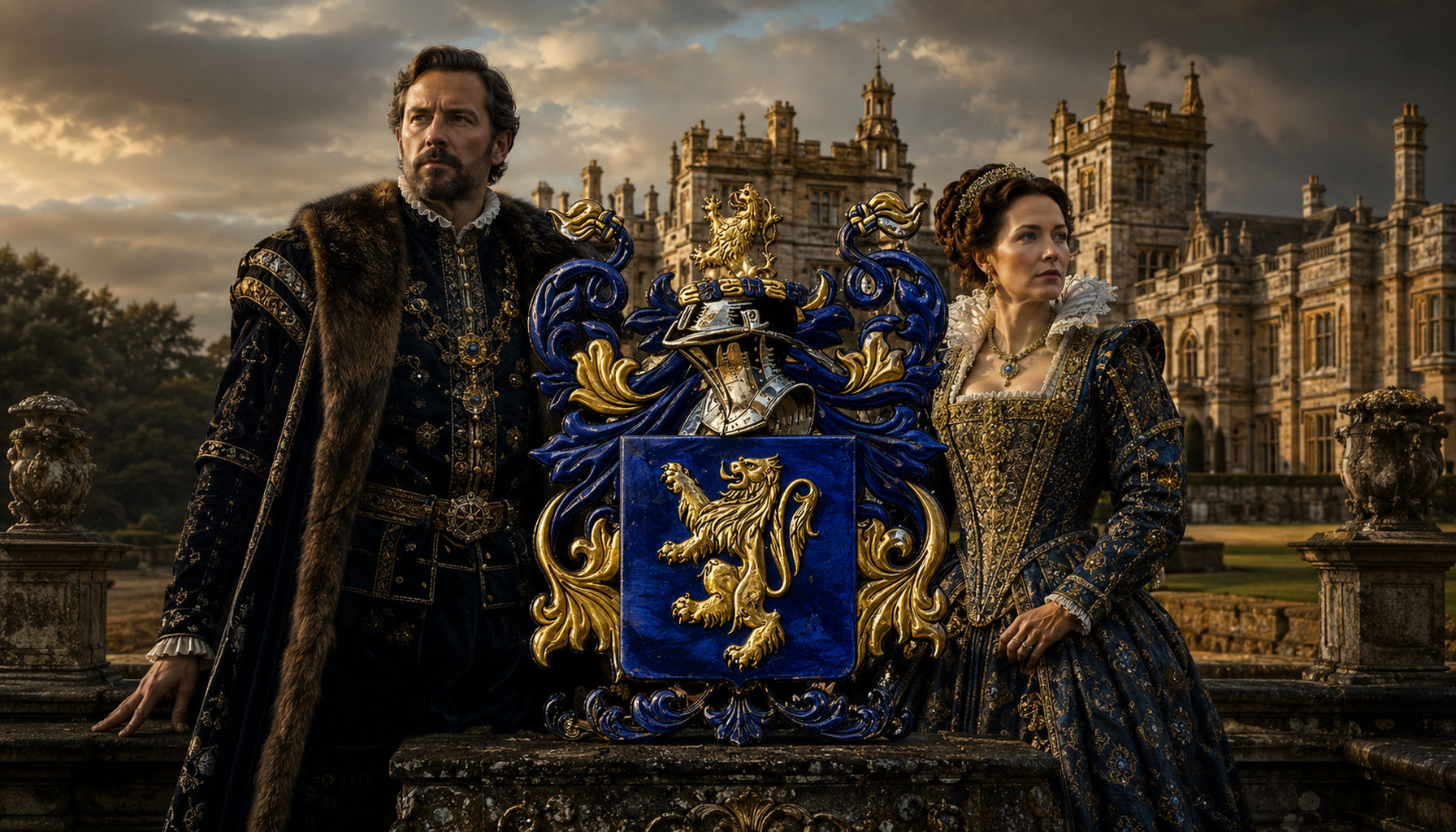
The House of Agar was one of those notable Irish and English landed families whose story sits squarely in the long history of estates, office, marriage, and social standing across the British Isles. Emerging through the world of property holding and public duty, the Agars became associated with aristocratic continuity, heraldic identity, and the careful preservation of family reputation over generations. Their primary linked haplogroup here is R1b1a1b1a1a2c1a5b1a1a2a1, a lineage tag that places the family within a wider deep paternal story found across parts of Britain and Ireland.
In historical terms, the Agars belong to the classic landed-house pattern. Their rise and endurance were shaped not by a single dramatic conquest but by the steady accumulation of influence: estates secured and maintained, alliances made through marriage, and service offered in civic and political life. The family had roots in England and became especially important in Ireland, where land, title, and local authority were tightly bound together. Figures such as Thomas Agar, Lord Mayor of York in 1618, show the family's civic prominence in England, while later names linked with the family tradition, including John Eager, noted in 1782, reflect the broader orbit of status, service, and remembered kin identity that often surrounded gentry and noble houses.
The great location anchor for the Agar story in Ireland is Gowran Castle, near Gowran in County Kilkenny. The site has a much deeper past than the family alone, with medieval roots in an area long tied to Anglo-Norman lordship and regional power. The present house is a country mansion built in the 18th century, associated with the Agar family and later Viscounts Clifden, and it became one of those classic Irish estate centres where architecture, landscape, and family status came together in one place. This was not just a residence but a statement of continuity and position, tied to the local town, surrounding lands, and the ceremonial life of the estate world. Gowran Castle and its demesne have remained well known, and the wider site is still visitable in a reasonable sense today, especially through its grounds and golf course setting, which helps keep the historic estate visible in the modern landscape.
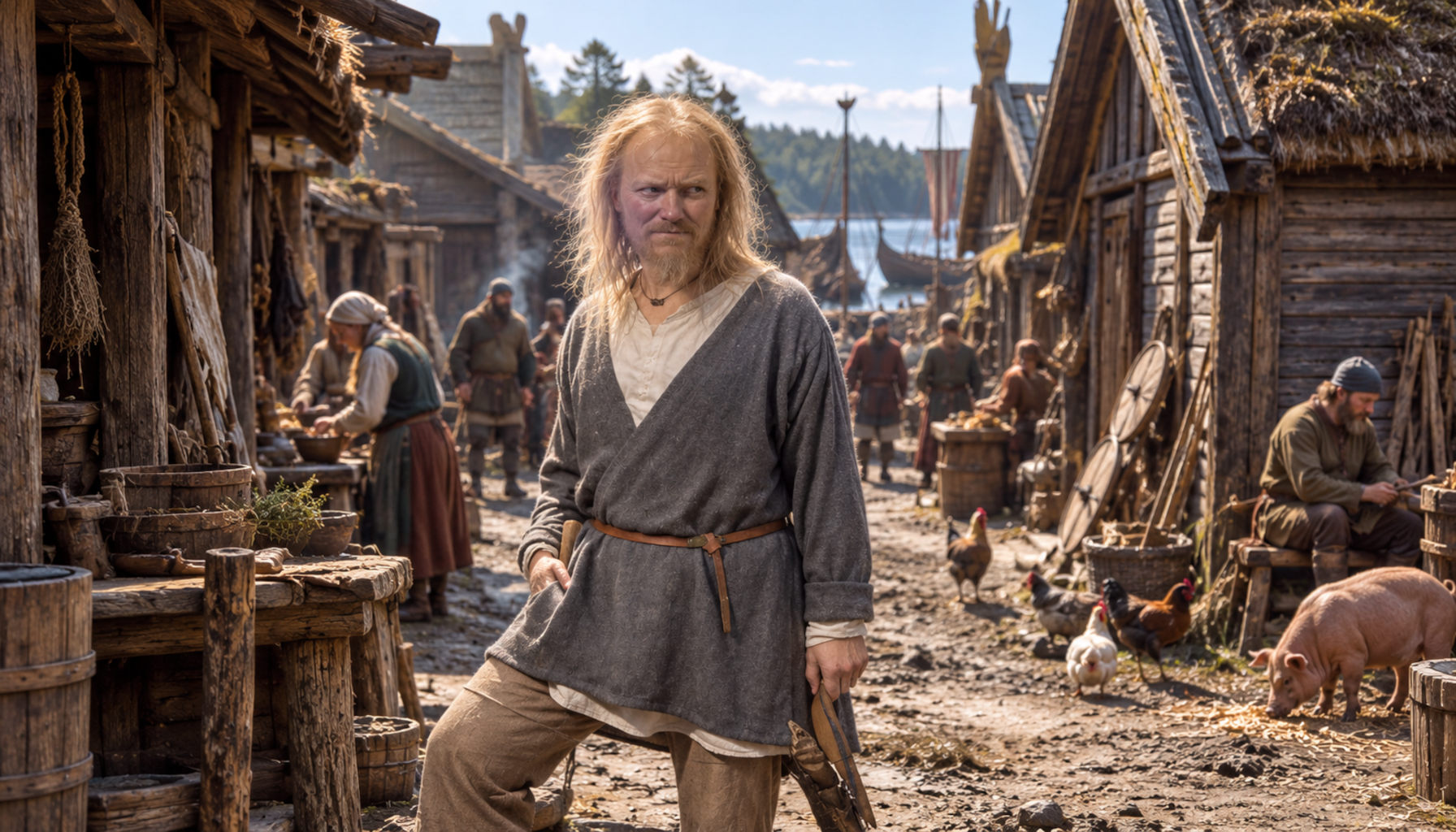
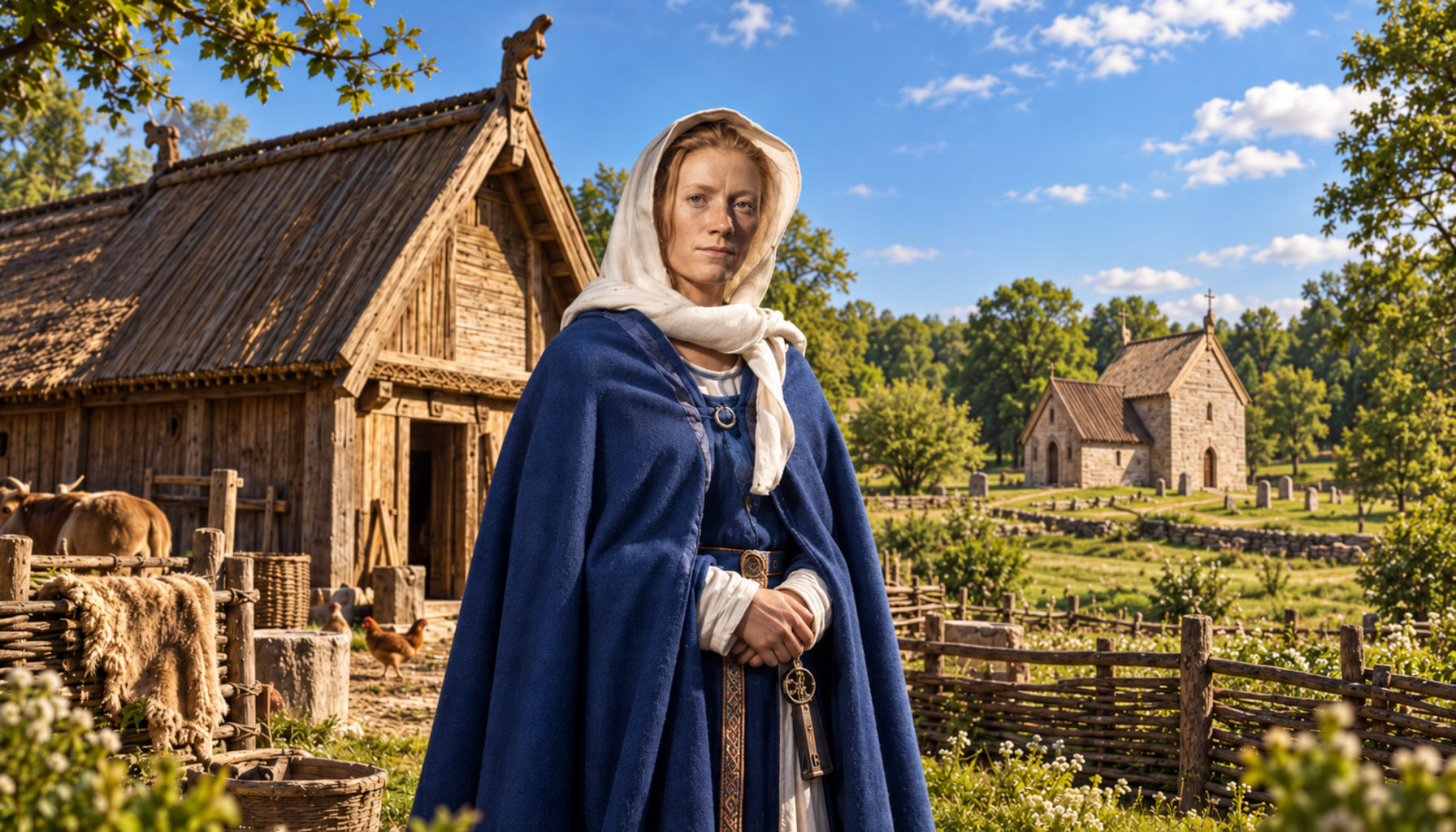
From a deeper ancestry perspective, the haplogroup tag R1b1a1b1a1a2c1a5b1a1a2a1 connects the Agar story to a much older network of paternal lines present in the history of northwestern Europe. Related or linked ancient DNA examples include Anglo-Saxon Oakington, England, sample OAI012; Celtic Briton Carsington Pasture Cave, Derbyshire, sample I12778; Iron Age Middle Wallop, Suddern Farm, England, sample I16611; and a Danish-Gaelic Viking Age individual from Iceland, sample SSG-A2. These are not evidence of direct descent from the House of Agar, and it is important not to overclaim. What they do show is that the family's haplogroup belongs to a lineage with a deep time presence across the same broad historical zone that later produced the gentry, noble, and estate societies of Britain and Ireland.
If the House of Agar is part of your family story, or if your own results point toward haplogroup R1b1a1b1a1a2c1a5b1a1a2a1, you can take the next step by uploading your DNA to MyTrueAncestry. It is a lively way to explore how your genetic background may connect with the ancient and historic worlds behind families, places, and long-lived heritage.

Comments