The de Alba Family
– 3 min read


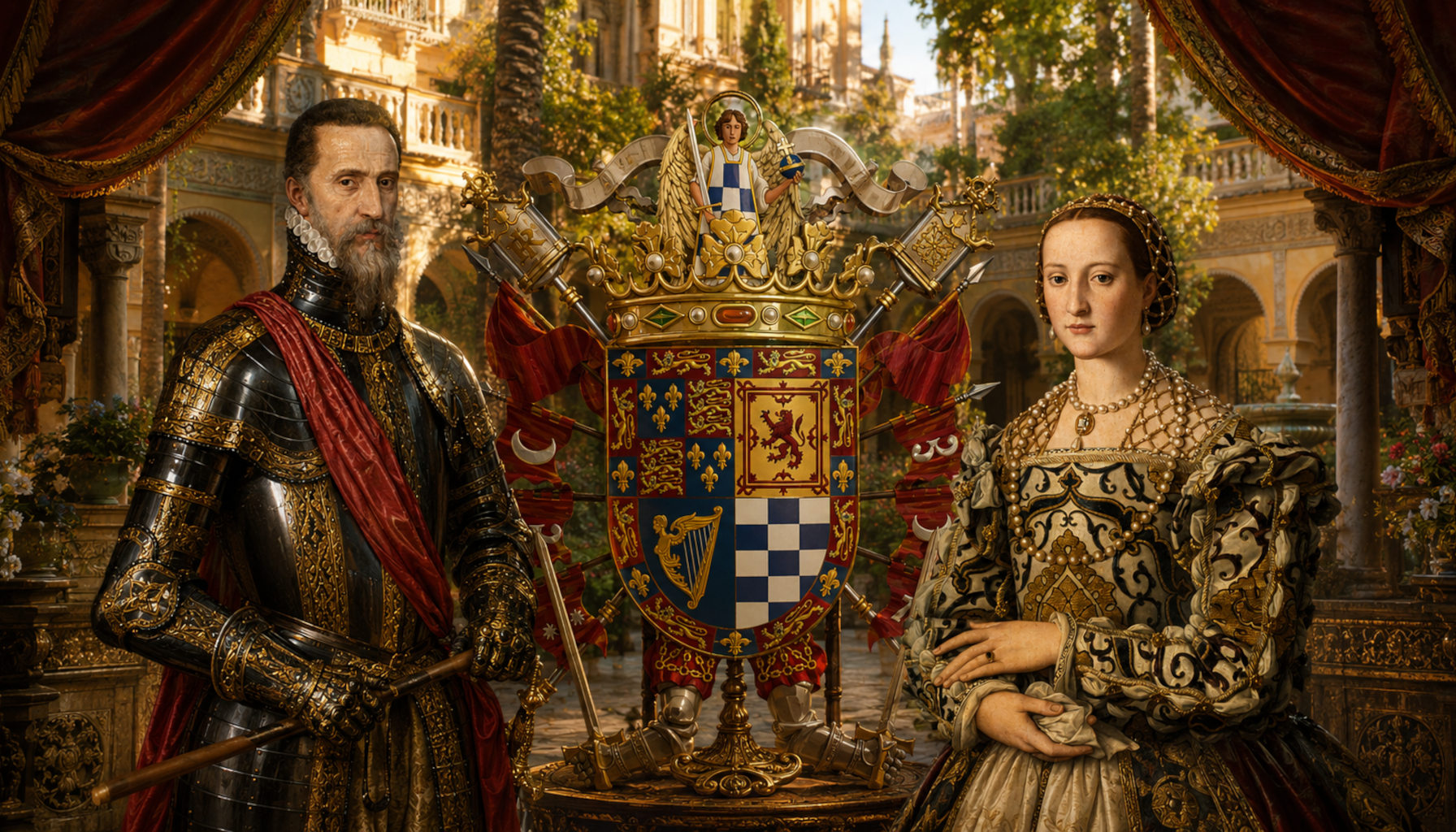
The de Alba family, better known in history as the House of Alba or Casa de Alba, was one of the great aristocratic dynasties of Spain. Their story begins in the world of late medieval Castile, rooted in the noble networks of Toledo and tied to the lordship of Alba de Tormes in present-day Salamanca province. In haplogroup terms, the family is here tagged with R1b1a1b1a1a2b1d1 as the primary family haplogroup, placing them within one of the major western European Y-DNA lineages often associated with long male-line histories across Iberia and beyond.
The rise of the house was not a sudden fairytale, but a very recognisable piece of Castilian state-building. As royal authority hardened and noble families competed for land, office, marriage, and favour, the Alvarez de Toledo line emerged as major players. Gutierre Alvarez de Toledo, noted in 1429 as Lord of Alba de Tormes, helped anchor the family in that frontier-between-regions world of Castile, where old military prestige and court politics went hand in hand. Then came Garcia Alvarez de Toledo, 2nd Count of Alba de Tormes, elevated in 1472 to Duke of Alba de Tormes, a sign that the family had moved into the highest rank of the kingdom. From there the House of Alba became one of the great names of Habsburg Spain, most famously through Fernando Alvarez de Toledo, 3rd Duke of Alba, soldier, statesman, and one of the most formidable figures of the 16th century. The family also spread outward into Europe through dynastic marriage, notably with Eleanor of Toledo, who became Duchess of Florence through her marriage to Cosimo I de Medici. Over the centuries the inheritance passed through lines such as Silva, Fitz-James Stuart, and Martinez de Irujo, but the name Alba retained its extraordinary aura of rank, ceremony, archives, palaces, and cultural memory.
One of the most evocative places linked with the wider heritage of the House of Alba is the Palacio de las Duenas in Seville. Built between the 15th and 16th centuries, the palace stands in a city that was then one of the great crossroads of Spain: aristocratic, mercantile, deeply religious, and increasingly tied to the Atlantic world. Architecturally it blends Gothic-Mudejar and Renaissance elements, with patios, gardens, arcades, and a layered domestic grandeur that feels less like a fortress and more like a lived-in noble world. The palace later became one of the best-known residences of the Casa de Alba and is especially associated in modern memory with Cayetana, Duchess of Alba. It is not just a backdrop but a kind of archive in stone, filled with art, family objects, and the atmosphere of old Andalusian aristocratic life. Yes, it can still be visited today, which is part of its charm: this is not a vanished lineage locked in parchment, but a place where the public can still walk through rooms connected to one of Spain's most storied noble houses.
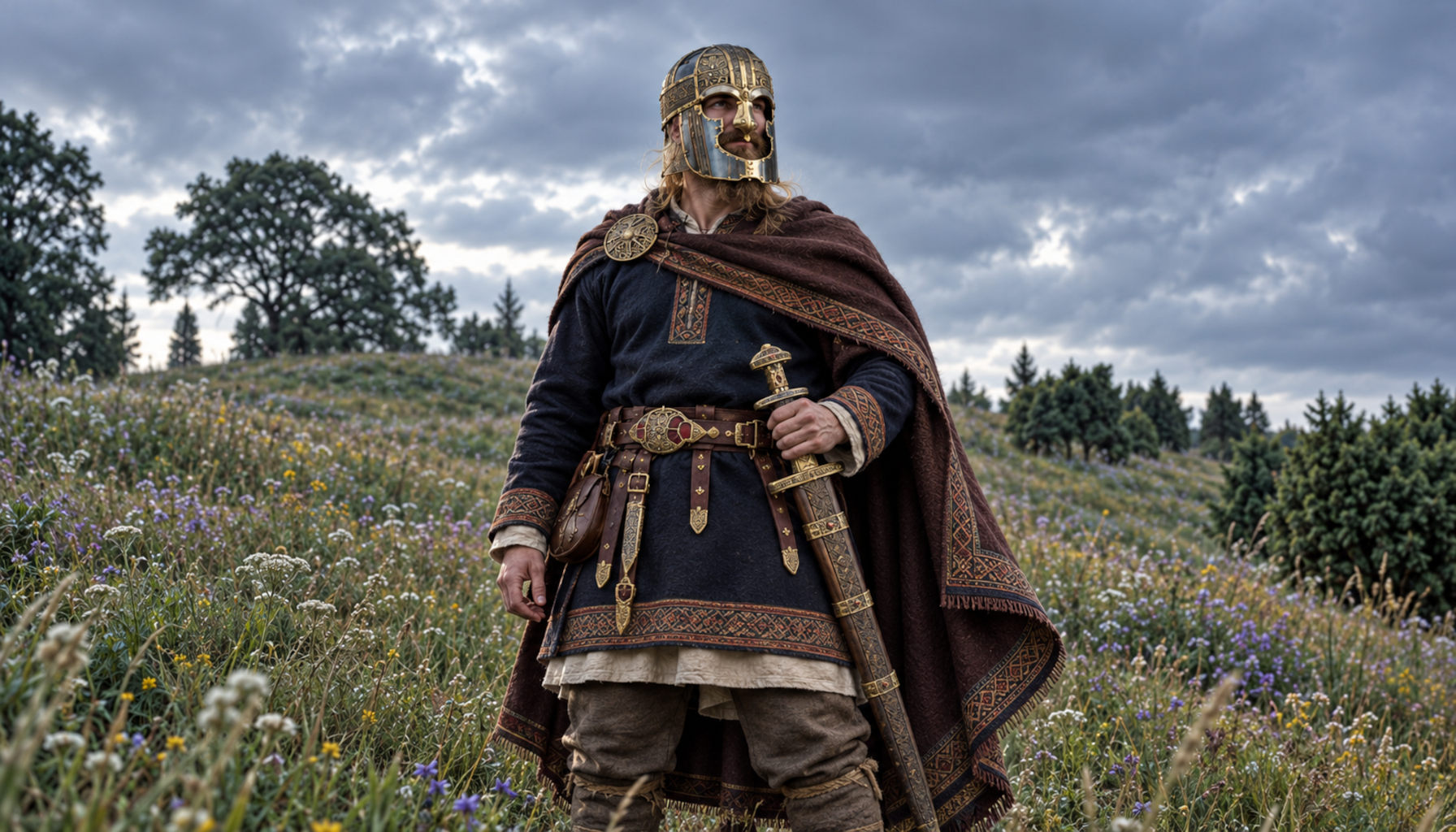
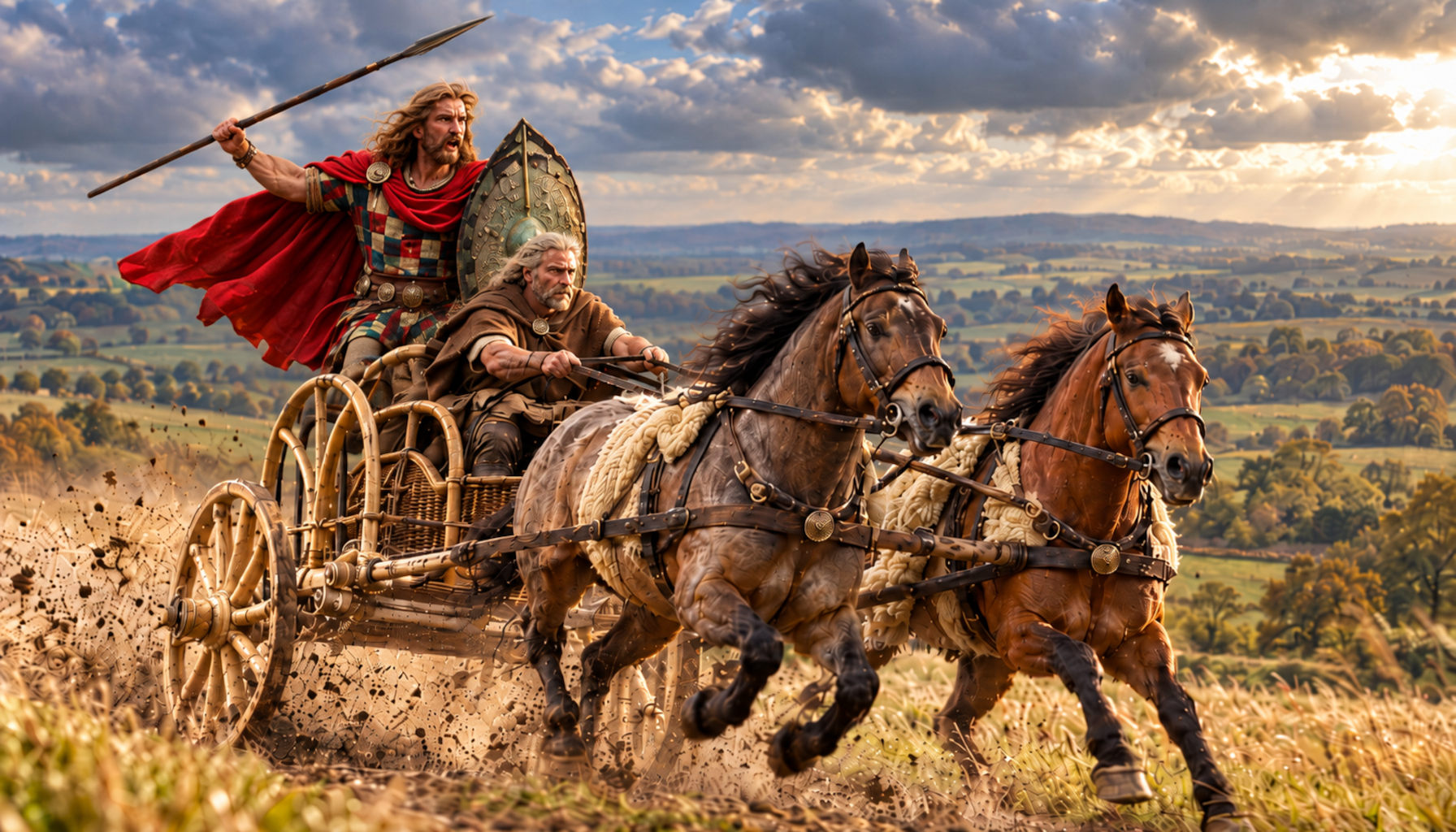
For deep ancestry context, the haplogroup R1b1a1b1a1a2b1d1 is linked to a very wide spread of ancient and historic samples across Europe and the Mediterranean. That does not mean direct descent from any specific excavated individual, but it does place the de Alba family within a broad paternal landscape seen in related or linked samples from Bronze Age and Iron Age Europe through later historic societies. Among them are Bell Beaker and Copper Age individuals from Brandysek and Prague Jinonice in Czechia such as I7249, I7278, and I5514; Bronze Age Unetice-associated burials from Leubingen-Sommerda in Thuringia including LEU025, LEU055, and LEU060; Celtic and Gallo-Celtic examples such as WBK13 from Durotriges England, sample 3439 from Pont de Cornaux-Les-Sauges in Switzerland, and Gallic finds from France and northern Italy; Etruscan-linked individuals from Tarquinii including TAQ018A, TAQ018B, TAQ018x, TAQ004, and TAQ005; as well as later samples from Roman, post-Roman, Visigothic, Ostrogothic, Piast, and medieval contexts. In plain English, this is the sort of lineage that turns up again and again in the archaeology of western and central Europe, from Bronze Age elites and warrior burials to Iron Age communities and medieval dynasties. For a family like Alba, whose historical roots lie in Castile but whose power radiated across Europe, that wider genetic backdrop is a fascinating fit.
If the story of the House of Alba makes you curious about your own family line, you can upload your DNA to MyTrueAncestry and explore how your ancestry may connect with ancient populations, historic migrations, and the deeper human past.
Comments