House of Grimaldi
– 2 min read


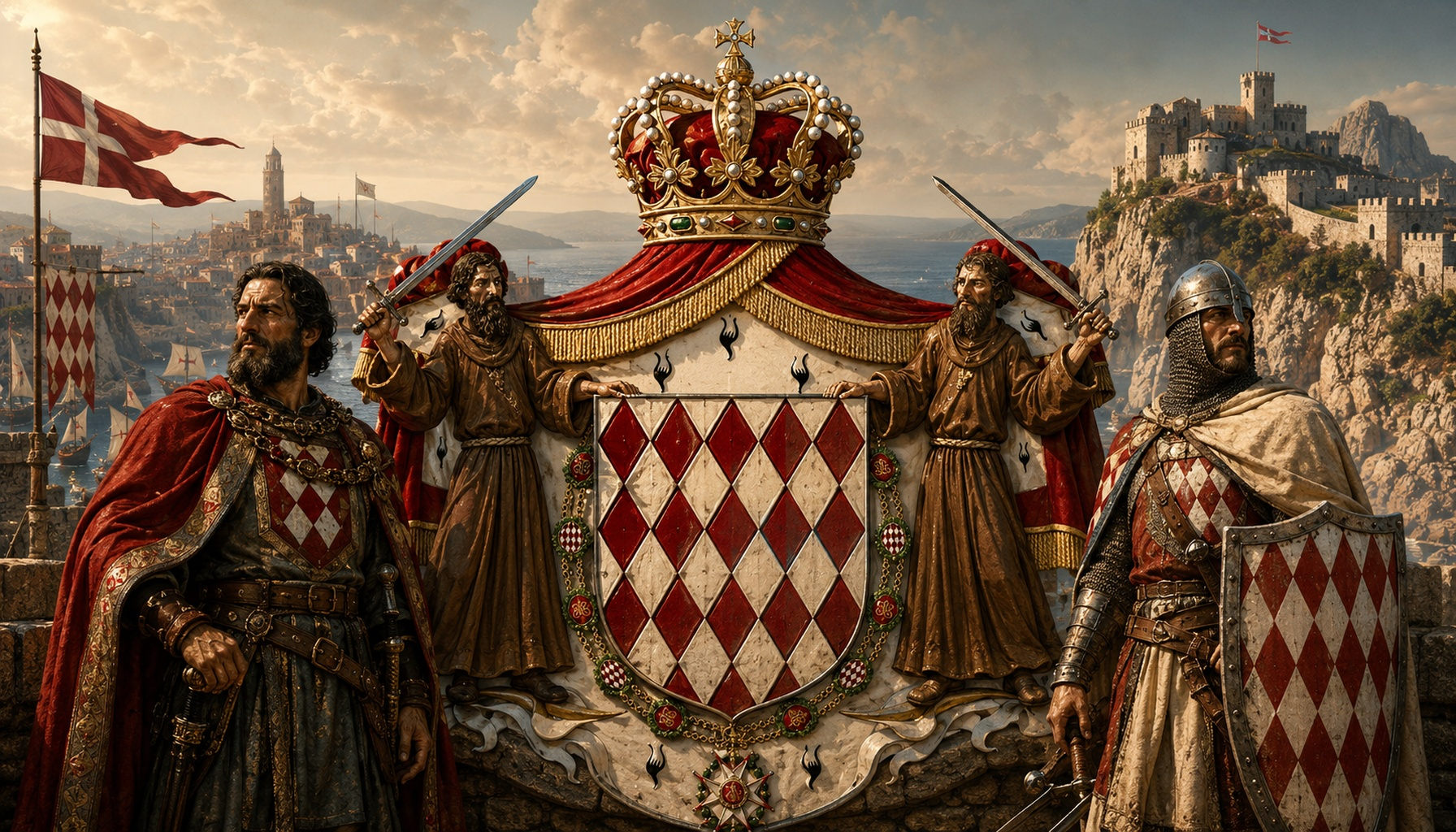
The House of Grimaldi was, and remains, the princely family most closely identified with Monaco: a dynasty whose story begins not in the tiny modern state alone, but in the turbulent noble politics of medieval Genoa. The Grimaldis emerged from the maritime world of the Ligurian coast, where rival factions, merchant wealth, seaborne power, and family alliances shaped political life. From that setting they forged a lasting connection with the rock of Monaco, turning a fortified outpost on the Mediterranean into the heart of a sovereign ruling house. In haplogroup tagging terms, the primary family haplogroup linked here is I1a1b1a1e2, placing the line within a broader northern European paternal branch that appears in a range of historic contexts.
What makes the Grimaldis so fascinating is not simply that they ruled, but that they endured. Their history is one of survival through diplomacy as much as force: strategic marriages, careful accommodation with stronger neighbours, and a tenacious insistence on dynastic continuity. Over the centuries figures such as Jacques I, Prince of Monaco, Honore III, Honore IV, Florestan I, Charles III, Albert I, and Louis II carried the house through changing European orders, from ancien regime court culture to revolution, restoration, and modern monarchy. In historical terms, the Grimaldis exemplify a recognisably Mediterranean princely pattern: maritime origin, heraldic identity, ceremonial visibility, and the stubborn preservation of small-state sovereignty against the odds.
The great location anchor of the family is the Princes Palace of Monaco, perched on the Rock of Monaco above the sea. This is not merely a royal residence in the decorative sense; it began life as a fortress, and that matters enormously for understanding the dynasty. The site was originally established as a Genoese stronghold in the late medieval period, which ties it directly to the wider world from which the Grimaldis came. Over time it evolved from military bastion into palace, yet it never entirely lost that layered character: part citadel, part seat of government, part ceremonial theatre of rulership. Successive princes altered and enlarged it, so the building became a kind of stone archive of the dynasty itself, expressing both defense and display. It remains the symbolic and political centre of Grimaldi identity, and yes, it can still be visited, with state rooms and ceremonial associations continuing to connect the present principality to its long dynastic past.
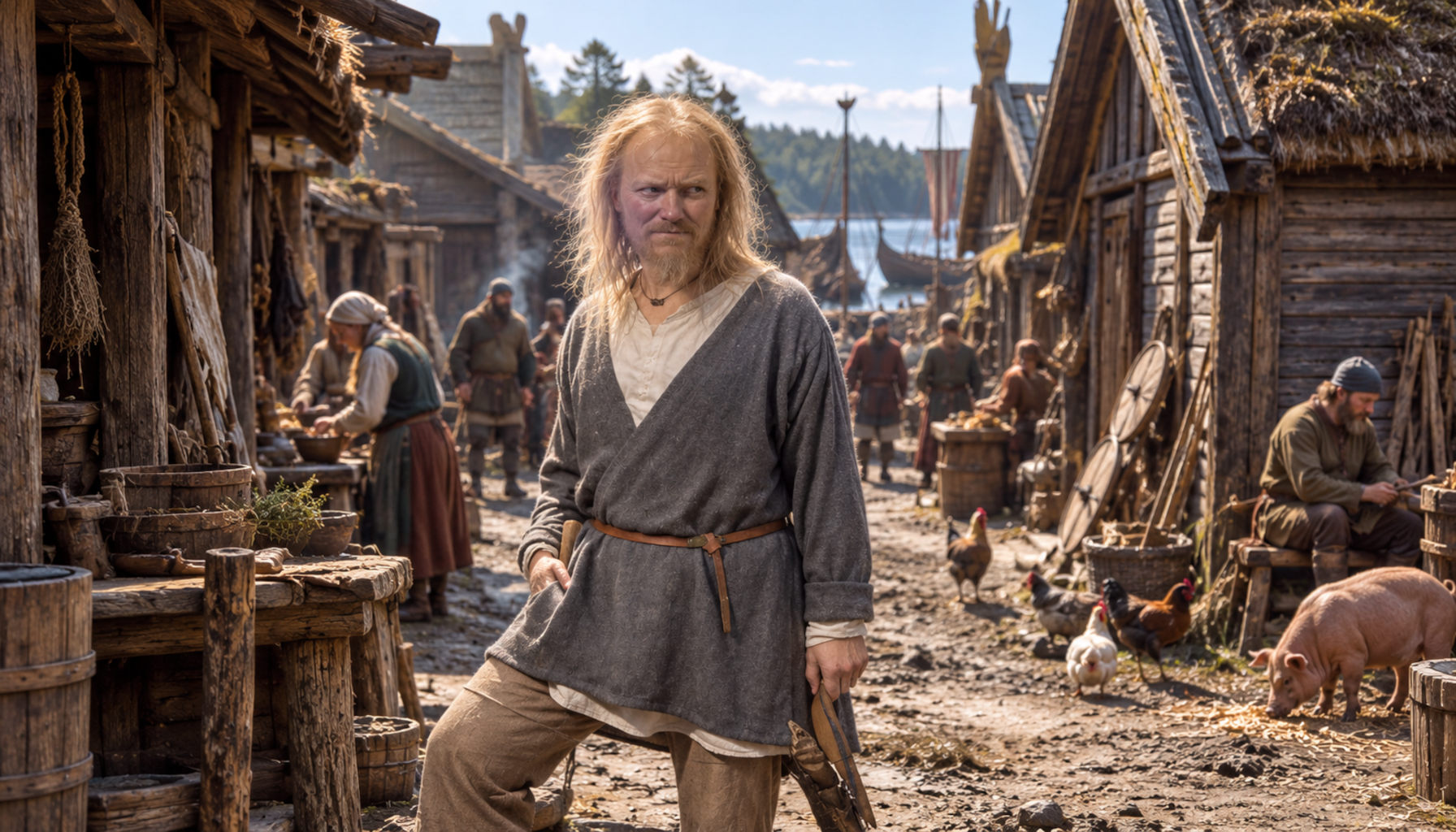
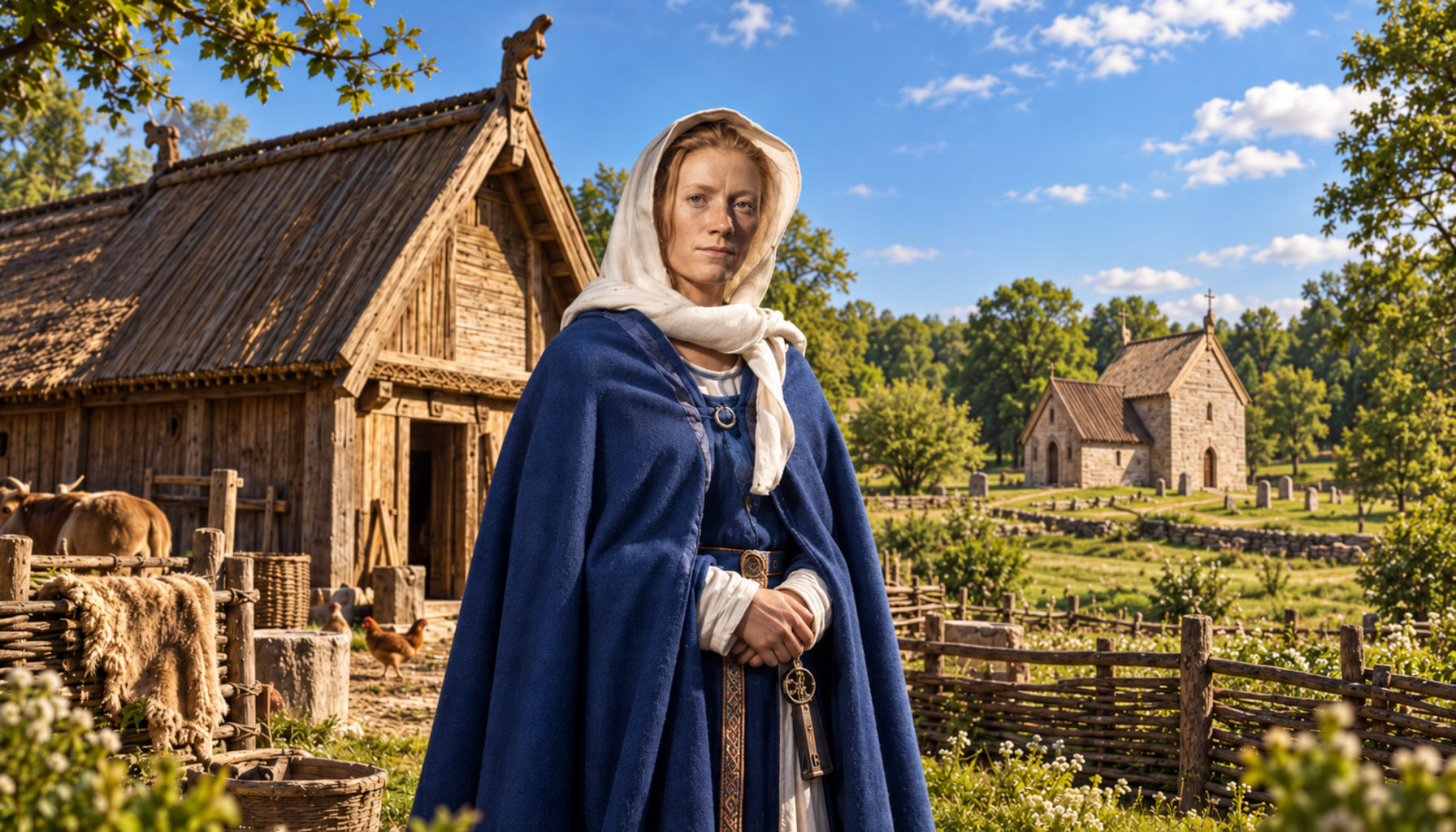
The haplogroup I1a1b1a1e2 also appears in a wider ancient-DNA landscape that helps place the Grimaldi line in a broader deep-time paternal context, without claiming direct descent from any excavated individual. Related or linked samples include Medieval Sigtuna, Sweden, mbs072; Iron Age Pommerania, Gdansk Wielbark, PCA0480; Medieval Jutland, Denmark, Vor Frue Kirkegard Aalborg, CGG100442; Viking Age Denmark, Hundstrup Mose, CGG107518; Viking Age Hessum, Funen, Denmark, VK295; Early Viking Age Hundstrup, Sealand, Denmark, VK296; Viking Age Langeland, Bogovej, Denmark, VK320; Vendel Age Oland, Sweden, VK379; Viking Age Gnezdovo, Russia, VK223; Viking Age Gotland, Kopparsvik, Sweden, VK473; Viking St. Brice Massacre, Oxford, VK176 and VK165; Vendel Age Saaremaa Salme II-J, VK549; Salme II-M, VK553; Salme II XXVIII, VK511; Salme I, VK509; and Late Medieval Cancelleria Basilica, R1286. Taken together, these linked finds show that this branch has a long and geographically wide northern and Baltic-era footprint, later intersecting with medieval and post-medieval European populations in ways that make dynastic lineages especially intriguing to explore.
If the House of Grimaldi sparks your curiosity, the next step is simple: upload your DNA to MyTrueAncestry and see which ancient and historic populations you may be connected with. Dynastic history is one thing on the page, but discovering how your own genetic story fits into the wider human past is where it becomes truly personal.



Comments