House Allaire
– 3 min read



House Allaire is best understood not as a ruling dynasty with a fixed little state of its own, but as a French-origin family house rooted in surname heritage, regional memory, and the steady continuity of kin across generations. The name belongs to that broad and very French historical pattern in which families carried identity through locality, marriage, service, migration, and remembrance, preserving who they were even as the world around them shifted. In haplogroup terms, the primary family line in this report is tagged with G2a2b2a1a1b1a1a2a2a2, a lineage that gives the story an added deep-time dimension alongside the documentary family record.
The Allaire family background is richer than any brief surname note can capture. Families such as Allaire speak to the long life of French naming traditions: names anchored in place and community, then borne onward into wider European and Atlantic settings through settlement, commerce, military service, and family alliance. This is a house defined less by princely territory than by continuity of name and ancestral identity. That makes the family especially interesting from a genealogical point of view. It is a story of endurance, of regional roots preserved through heraldic presentation and family tradition, and of descendants who carried the name into new historical settings. Among named figures associated with the wider family memory are Marie Collings, 1791 to 1853, and Paul Arthur Allaire, 1938 to 2019, both reminders that a house lives not only in its origins but in the people who continue it.
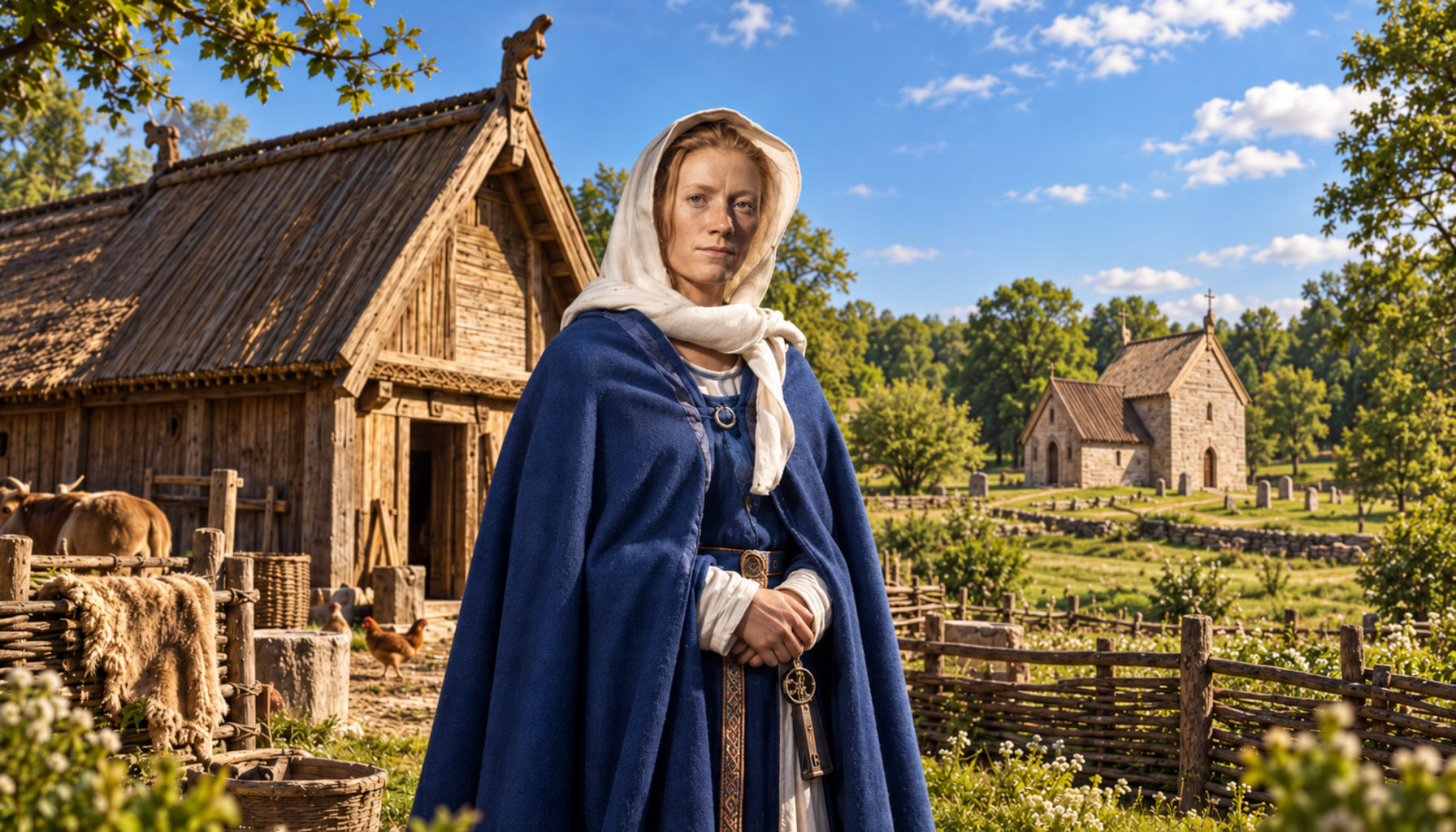
A useful location anchor for this heritage profile is the Manor of Deil, a historic manorial site recorded in modern reference material and associated with the older landscape of landed identity, local authority, and family memory. In the historical world that produced and sustained houses like Allaire, a manor was never just a building. It was a social center, an administrative point, and a marker of belonging in the countryside, tying family reputation to a known place. The Manor of Deil belongs to that kind of setting: the sort of place where lineage, tenancy, obligation, and local standing all met in one durable frame. Such estates help us understand how families were remembered, how names acquired weight, and how regional heritage became attached to generations rather than merely to individuals. If planning permits and current site access remain in place, it is reasonable to say that the location can still be visited as part of the surviving historic landscape, though visitors should always confirm present access conditions locally.
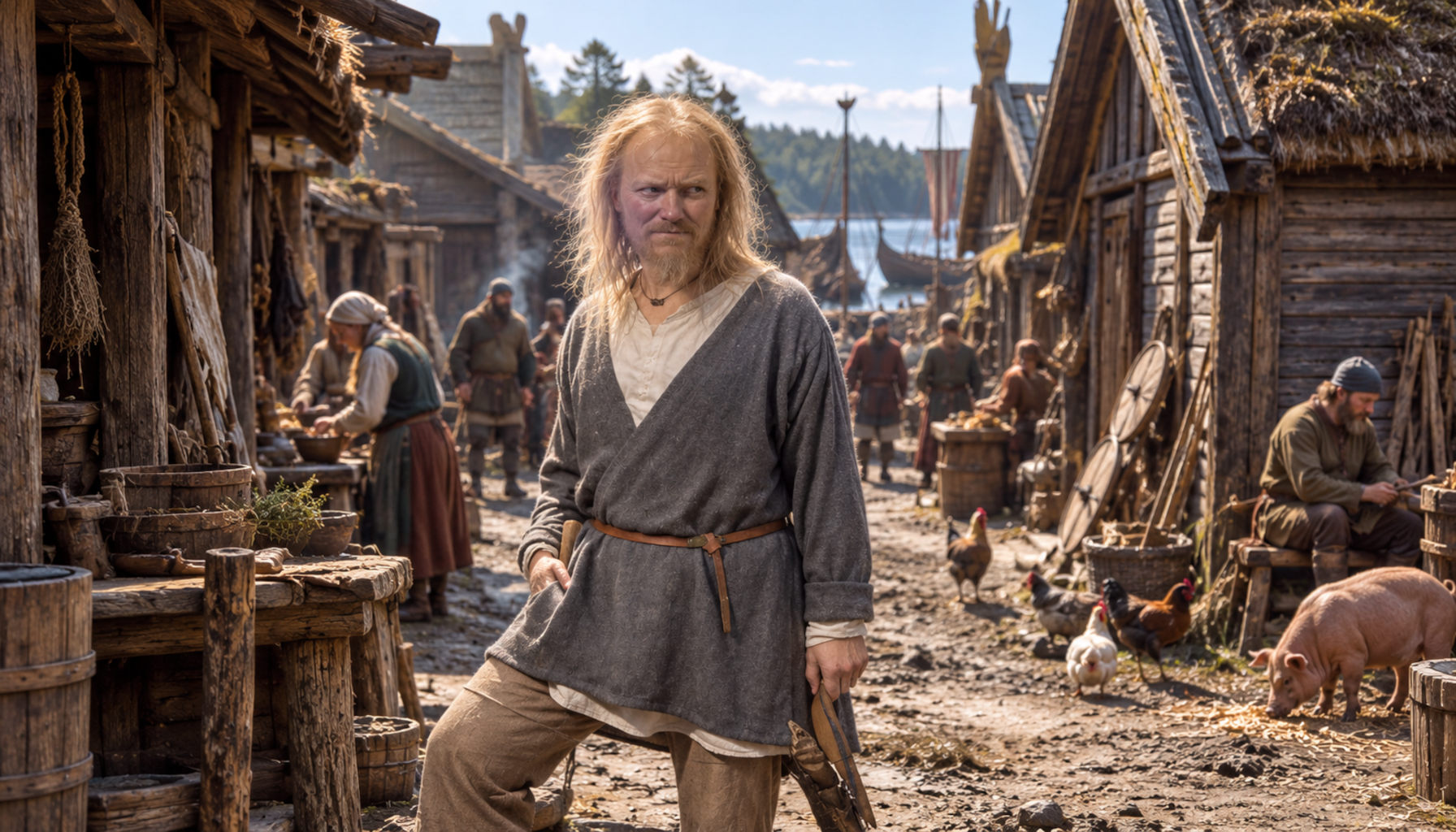
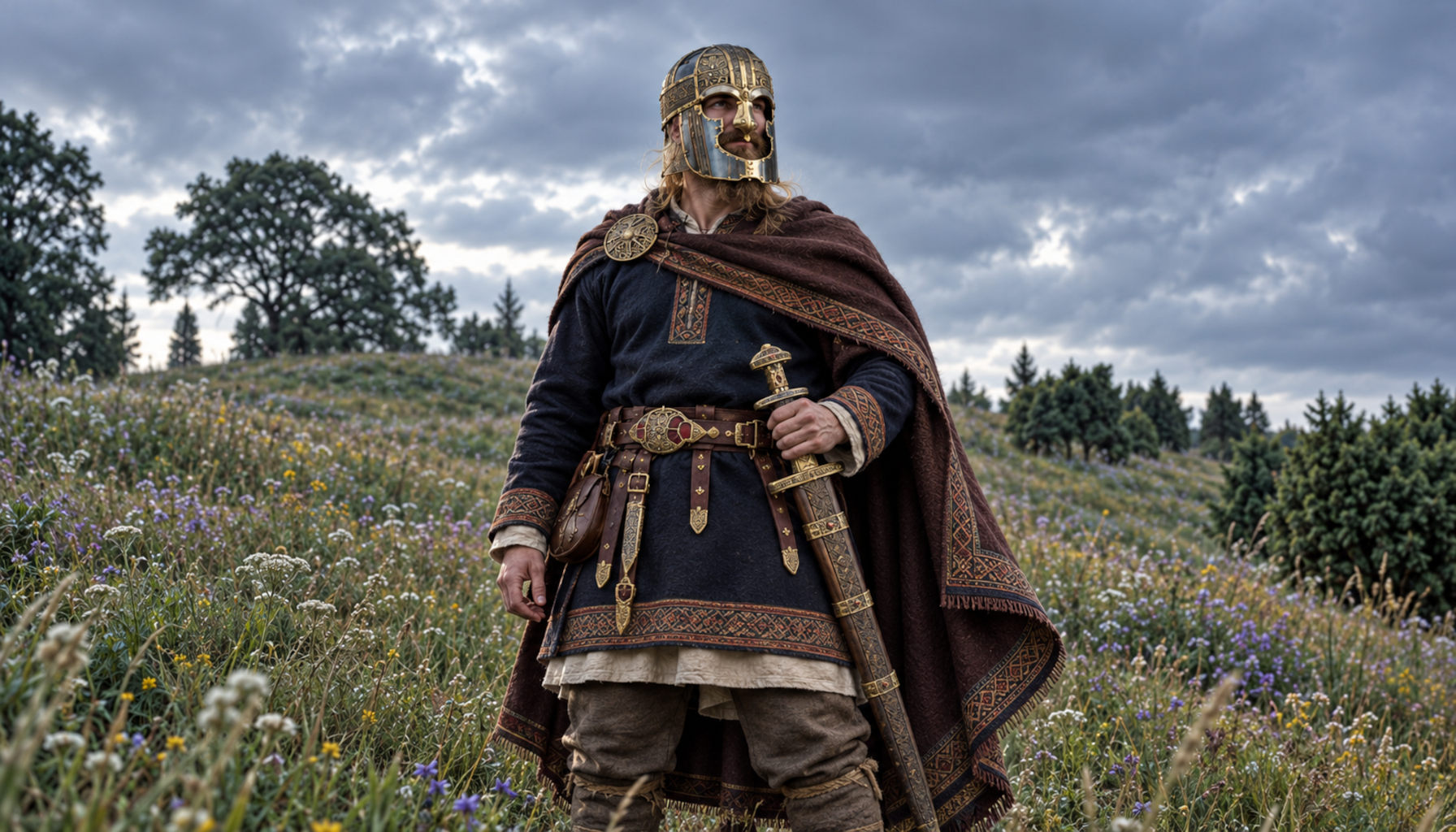
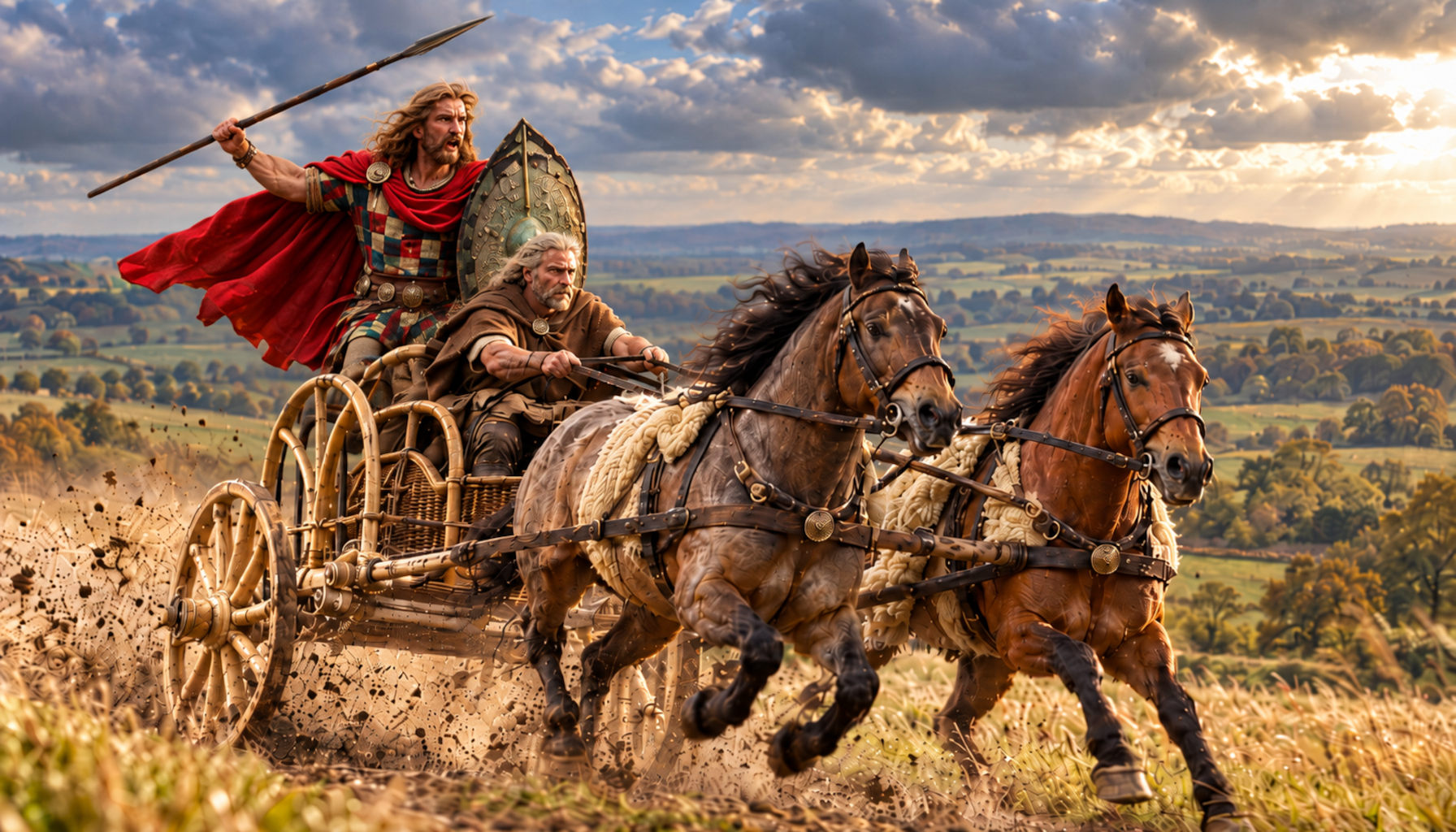
The haplogroup tag G2a2b2a1a1b1a1a2a2a2 also places House Allaire into a much older human story. We should be careful here: these ancient DNA samples do not prove direct descent from the Allaire family. What they do offer is a linked genetic background, showing where related paternal lines appeared across time and space. Relevant examples include Elite Celtic Germany Eberdingen-Hochdorf Biegel, HOC002 and HOC002b; Gothic Wielbark Poland Kowalewko Oborniki, PCA0015; Gallic France Sequani Tribe Iron Age Les Moidons, CGG023724; Celtic Iron Age France Tumulus de La Forat de Chatillon, CGG023644; Viking Age Trelleborg Kingdom of Denmark, CGG106833; Post-Roman Britain Randwick Long Barrow, CGG020724; Iron Age Pommerania Kowalewko Wielbark, PCA0063 and PCA0062; Celtic Hallstatt Stradonice Czech Bohemia, I16327; and Iron Age Zamardi Somogy Hungary, I25516. Taken together, these linked samples suggest a lineage with a long presence in Iron Age, Celtic, Gallic, Gothic, post-Roman, and Viking Age contexts across Europe. That does not make the Allaires Vikings, Goths, or Sequani in any simple sense, but it does show how one paternal branch can echo across very different historical worlds before eventually appearing in later family houses and surnames.
If you want to see whether your own family story connects with lineages like House Allaire and haplogroup G2a2b2a1a1b1a1a2a2a2, upload your DNA to MyTrueAncestry. It is a simple way to place your ancestry beside ancient samples, historic populations, and the deeper migrations that sit behind family names.
Comments