Haplogroup R1b1a1b1a1a2c1a4d

– 5 min read


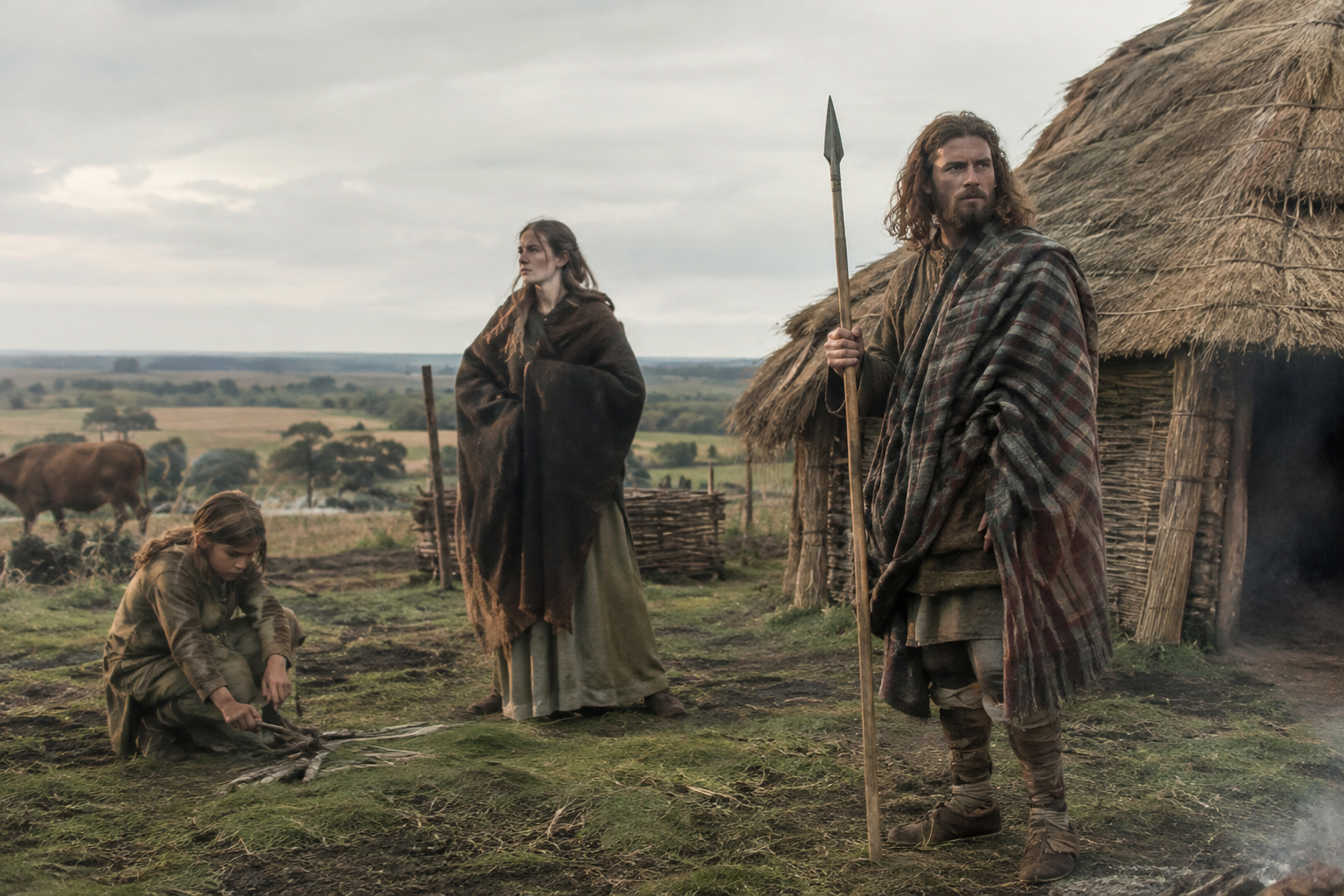
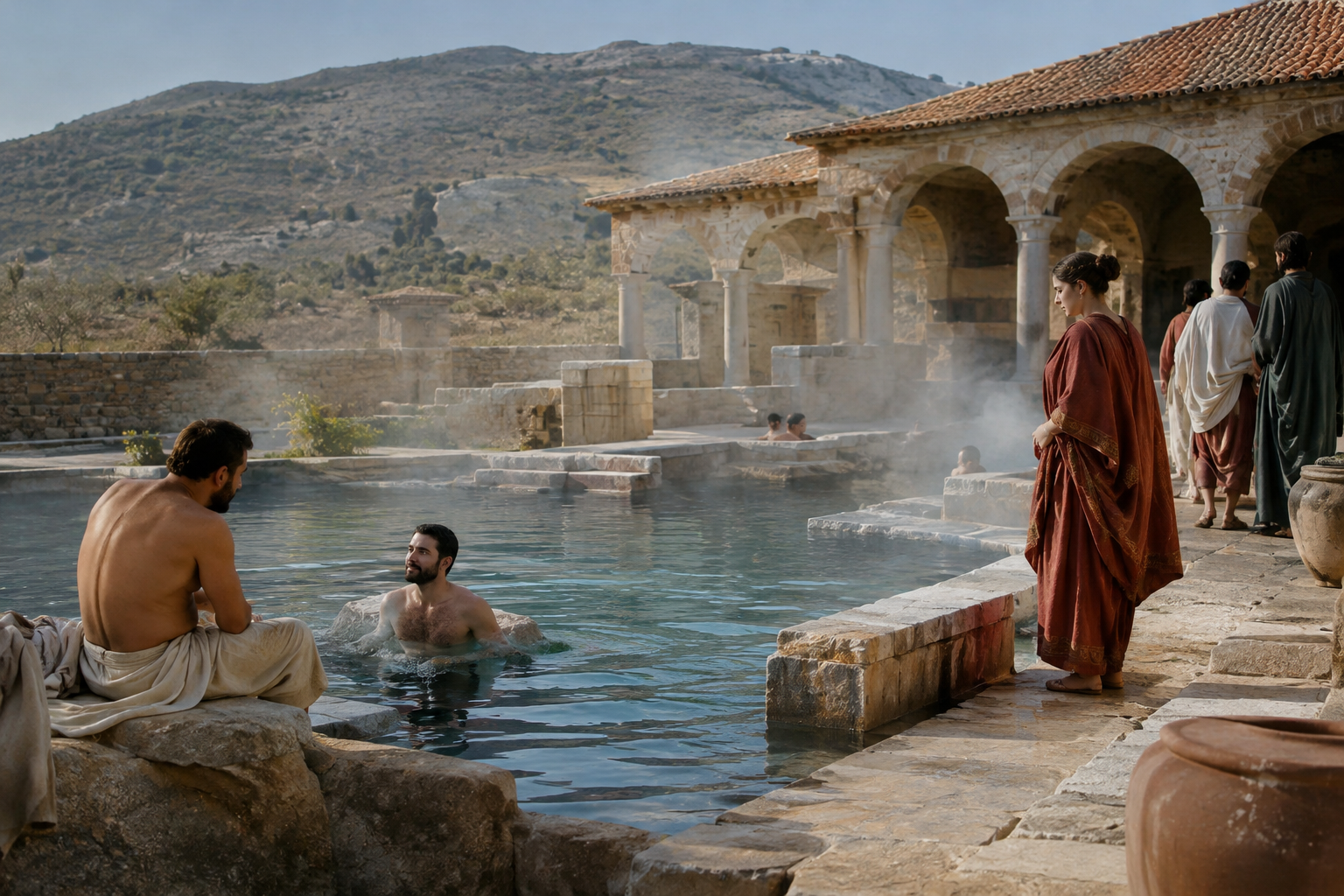
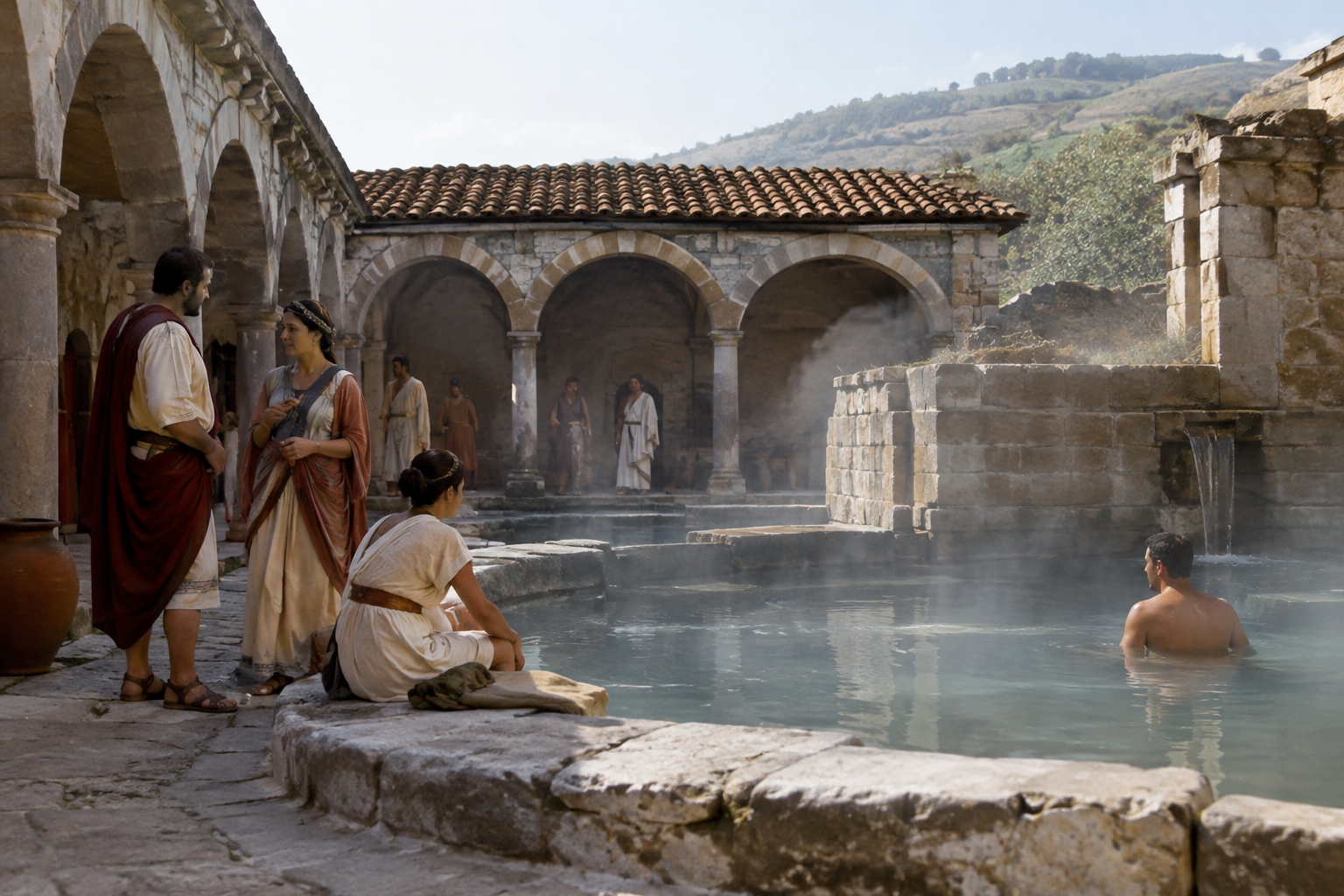
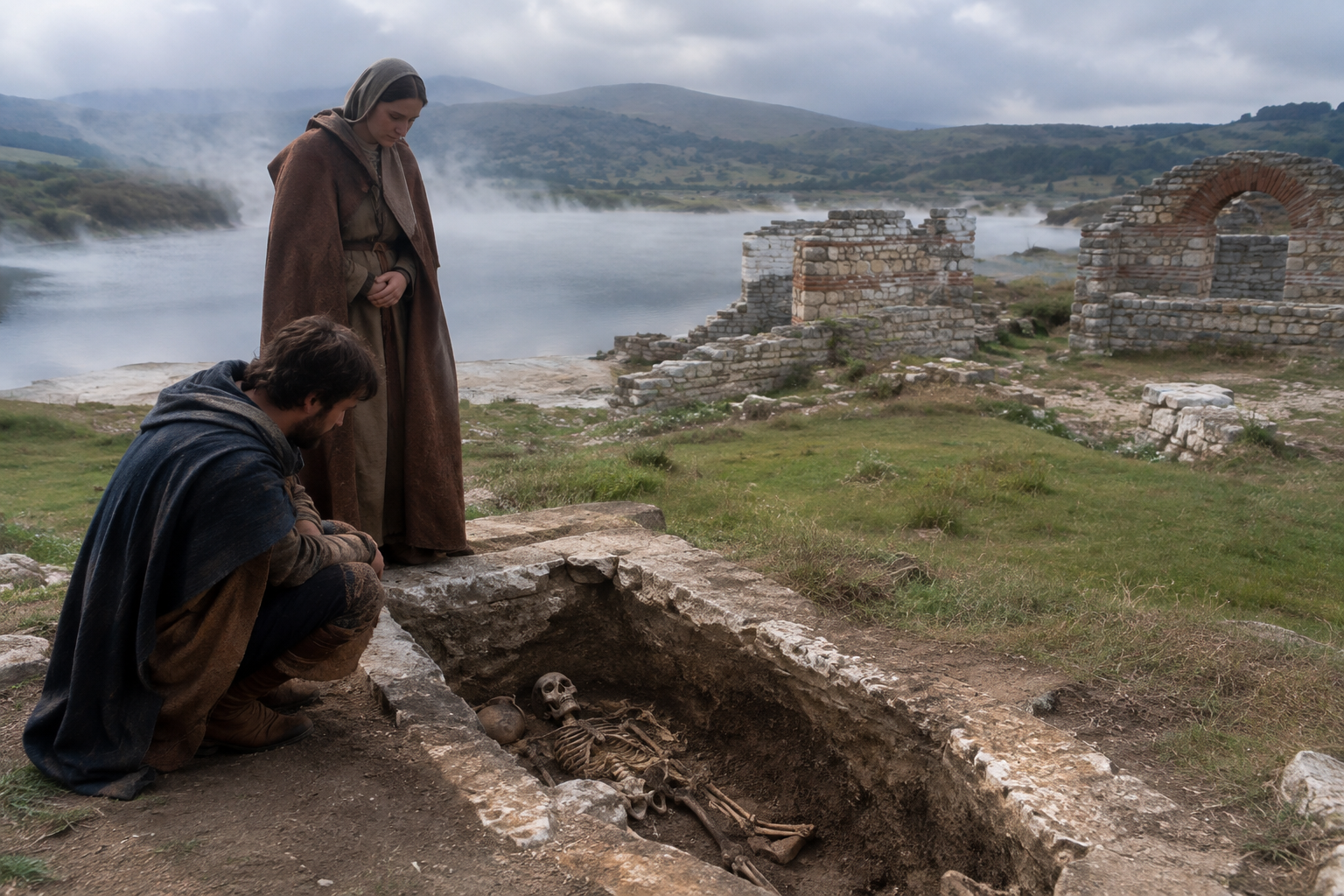
At Wetwang Slack in East Yorkshire, archaeologists uncovered one of the most evocative cemeteries of Iron Age Britain: burials associated with the Celtic Parisi, a community long known from archaeology and later classical geography, but now increasingly visible through ancient DNA as well. Among the individuals linked to this landscape is sample I37127, dated to around 225 BC, from Iron Age England in the territory usually associated with the Parisi.
That makes R1b1a1b1a1a2c1a4d interesting not because a single burial can stand for an entire people, but because it places this paternal line inside a very specific archaeological world: later prehistoric East Yorkshire, with its square barrows, distinctive burial customs, and strong regional identity. Y-DNA traces one direct male line only, not a person's whole ancestry, yet when a lineage turns up in a securely dated Iron Age context like Wetwang Slack, it gives that paternal branch a firmly historical footing.
Wetwang Slack sits in the Yorkshire Wolds, a region that has produced some of the best known Iron Age burials in Britain. The Parisi are often discussed as if they were a neatly bounded tribe, but archaeology is usually less tidy than the labels found in ancient texts. What matters here is that the cemetery belongs to a recognisable local tradition in East Yorkshire, and I37127 anchors this haplogroup in that setting.
In practical terms, that is the real value of the evidence. Rather than floating free as a long string of letters and numbers, R1b1a1b1a1a2c1a4d is attached to an excavated individual from a known Iron Age community. The branch is therefore part of the paternal story of later prehistoric Britain, at least in one documented case, and specifically in a region famous for its local variation within the broader Celtic-speaking world.
The lineage name R1b1a1b1a1a2c1a4d is a very narrow twig on the much larger R1b tree. That distinction matters. Broad discussions of R1b in western Europe often range across millennia, from Bronze Age expansions to later regional histories, but a fine-grained branch like this should not simply inherit every claim ever made about its parent lineage.
For this article, the strongest statement is also the most useful one: a man from Iron Age Wetwang Slack, sample I37127, has been associated with this paternal line. That does not by itself prove where the branch first arose, how common it was among the Parisi, or whether it marked an elite family, a local clan, or just one household among many. But it does show that this lineage belonged to the human reality of East Yorkshire before the Roman conquest.
This is often where archaeogenetics is at its best. It does not always hand us a grand saga. Sometimes it gives us something better: a specific person in a specific place, reminding us that major historical categories like "Celtic Britain" were made up of real local communities with their own burial grounds, marriage networks, and paternal lines.
One reason Wetwang Slack matters so much is that East Yorkshire has never been archaeologically boring. The region is known for square barrow burials and other practices that set it apart from many other parts of Britain. That does not mean the people here were isolated from the rest of the island, but it does mean they were expressing identity in ways that were regionally distinctive.
So when a branch like R1b1a1b1a1a2c1a4d appears in this context, it belongs to a landscape where identity was being actively made and displayed. The old temptation is to leap from that to a story of tribes marching in from somewhere else. Modern ancient DNA has made historians more careful. Sometimes lineages move with migration; sometimes they persist locally through cultural change; often both things happen at different scales.
That wider caution is especially useful for Iron Age Britain, where material culture, language, ancestry, and political identity do not line up in a single tidy column. A paternal branch may connect one man to a longer male-line history, while his wider ancestry and community ties reflect a far broader and more mixed population background.
Most western European R1b lineages have deep roots in the demographic changes that reshaped Europe during the Bronze Age. But the man at Wetwang Slack was not living in the Bronze Age world of the first metalworkers and expanding horizons. He belonged to a much later society, one already layered with centuries of local development, exchange, and social memory.
That is worth stressing because the Iron Age is not merely the afterglow of earlier migrations. By around the third century BC, communities in Britain had long since made those inherited ancestries their own. Cemeteries such as Wetwang Slack show settled traditions, not raw movement. Whatever remote prehistory lay behind this branch, the historically visible moment we can actually point to is one of regional continuity and local expression in East Yorkshire.
A related lesson emerges from recent discussions of ancient Celtic-speaking populations more broadly: language spread, ancestry spread, and paternal lineage spread are connected, but they are not interchangeable. For readers exploring whether an R1b branch links them to "Celts," the better answer is more specific. In this case, the evidence ties the line to an Iron Age individual from the Parisi sphere in England, not to some vague and timeless Celtic essence.
The association of this sample with Iron Age East Yorkshire belongs within a growing body of ancient DNA work on Britain and nearby regions. Research on later prehistoric and historic populations keeps refining the picture, showing both long-term continuity and shifts in particular male lines across time. One relevant research lead tied to this sample is this ancient DNA study, which forms part of the emerging scientific backdrop for interpreting such burials.
For non-specialists, the important thing is not to treat every branch assignment as a complete biography. The genetics matter because they are attached to excavated human remains with archaeological context. In other words, the power of the result lies in the combination of bones, place, date, and DNA, not in the haplogroup label alone.
There is something refreshingly modest and solid about this evidence. We are not dealing with a half-legendary king or a dynasty wrapped in medieval embroidery. We are dealing with I37127, an Iron Age man from Wetwang Slack, in a cemetery that has become central to understanding later prehistoric Yorkshire.
For anyone whose paternal line falls within R1b1a1b1a1a2c1a4d, that means the branch has a documented foothold in Iron Age Britain and, more specifically, in the Parisi landscape of East Yorkshire around the third century BC. That is not a promise of descent from one excavated person, still less from a tribe in the storybook sense. But it is a historically meaningful anchor: your direct male line belongs to a branch that was present in one of the best defined archaeological communities of pre-Roman Britain.
Comments