Haplogroup R1b1a1b1a1a1c2b2a1b1b1a4b
– 5 min read


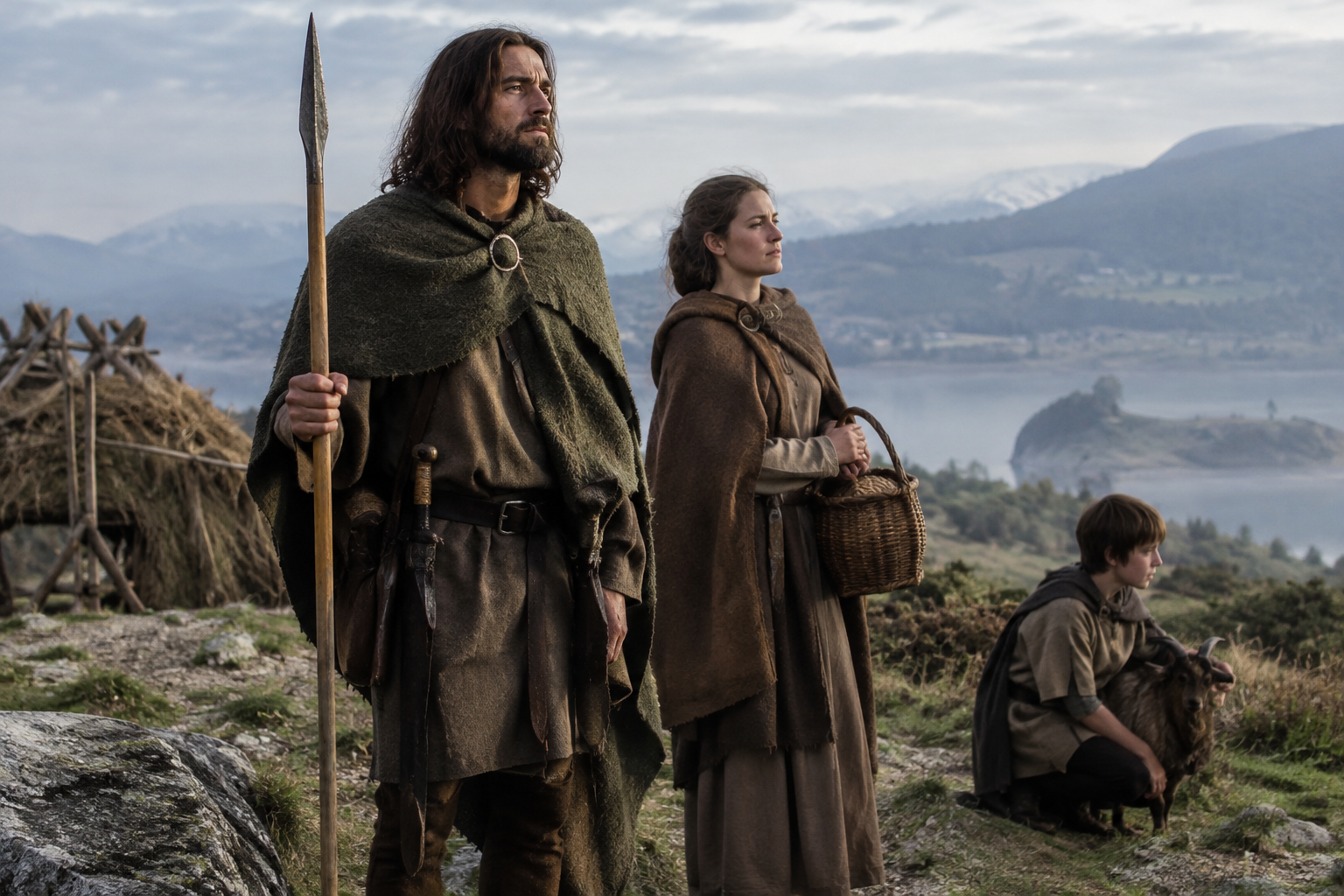
At Pont de Cornaux-Les-Sauges in Switzerland, two Late Iron Age men dated to around 200 BC stand out for a very specific reason. Recorded as sample IDs 3438 and 3438x, they are associated here with the Y-DNA lineage R1b1a1b1a1a1c2b2a1b1b1a4b - an extremely narrow paternal branch within the much broader R1b family that is often found in western European ancient DNA. That combination of a precise male-line signal and a tightly defined archaeological setting is what makes these finds interesting: not because they solve all questions about Celtic Europe, but because they pin one paternal line to a real community in Iron Age Switzerland.
The site belongs to the Gallo-Celtic world of the Swiss Plateau, in the centuries just before Rome absorbed much of temperate Europe into its imperial orbit. Y-DNA, of course, traces only one line of descent - father to son to son - rather than a person's whole ancestry. But in the right setting, even a single paternal branch can help anchor broader stories about mobility, kinship, and local continuity in communities that left us cemeteries, settlements, and material culture rather than written biographies.
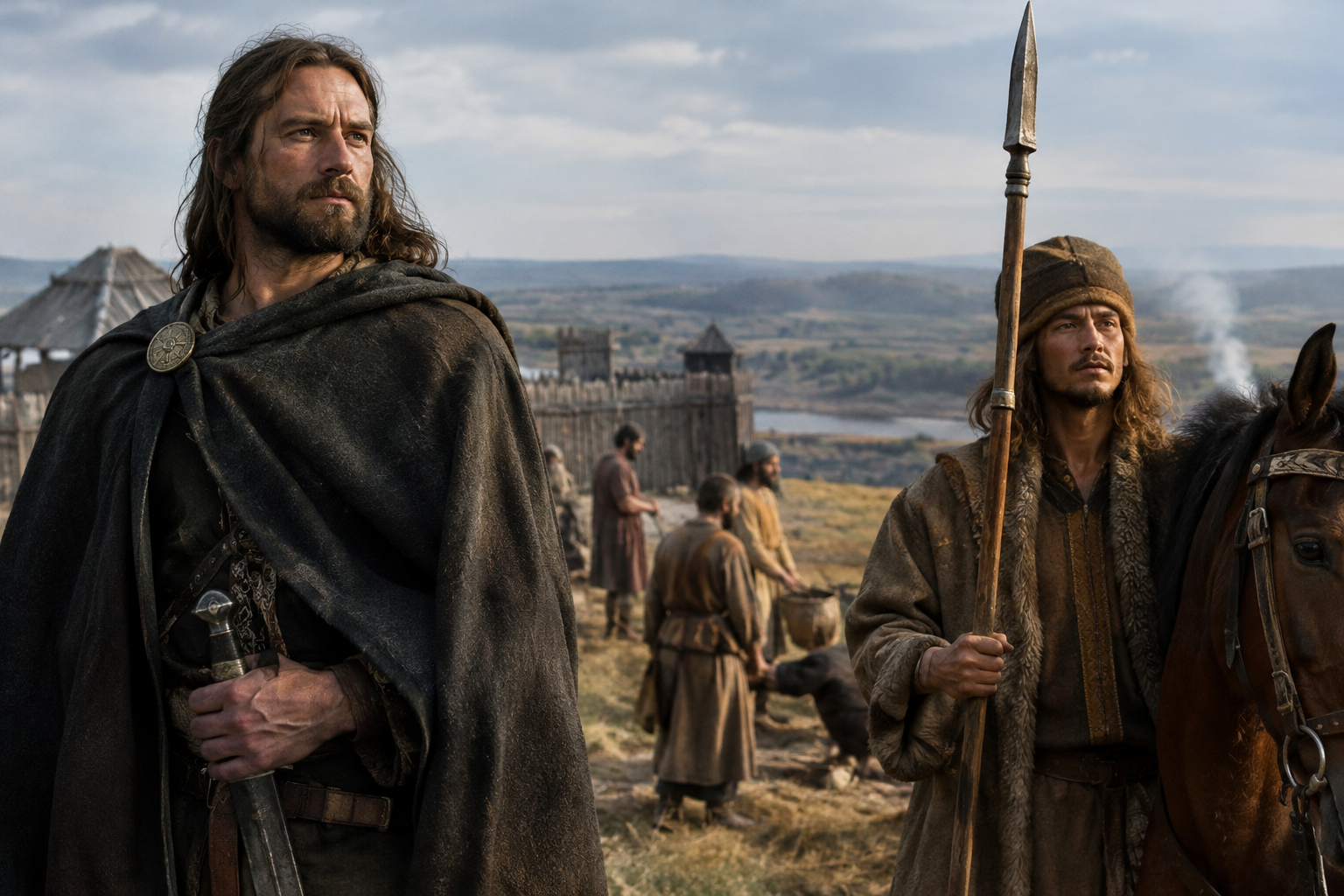
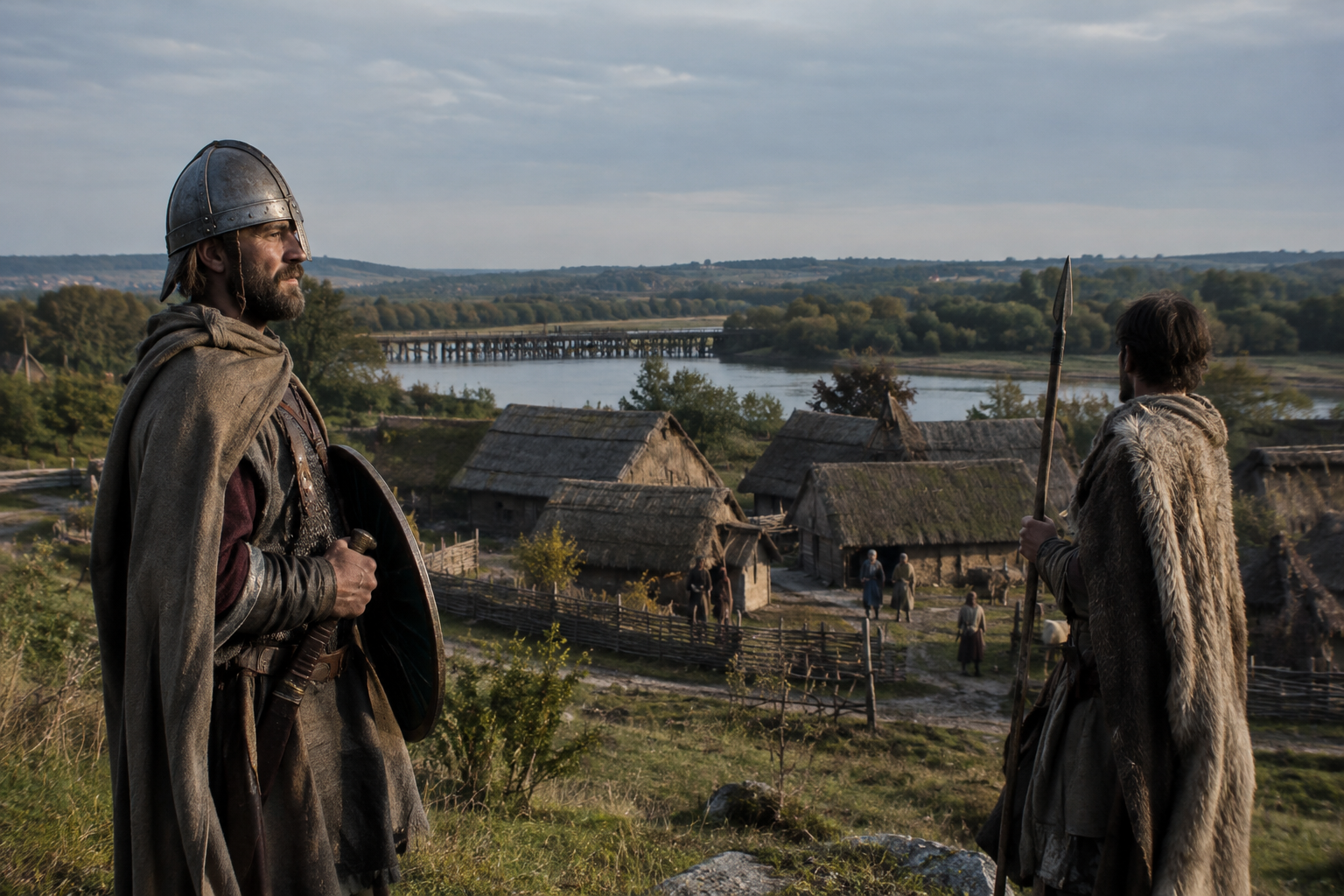
Pont de Cornaux-Les-Sauges lies in a part of Switzerland that, in the Late Iron Age, sat within a lively network of river routes, lakeside settlements, and overland connections linking the Rhine basin, eastern Gaul, and the Alpine world. By around 200 BC this was not an isolated landscape. It was a region shaped by exchange, by the spread of La Tene cultural forms, and by communities whose identities were local and regional at the same time.
The two men identified here, 3438 and 3438x, are both described as Gallo-Celtic individuals from this same site and period. The repeated appearance of the same highly specific haplogroup in what seems to be a closely defined archaeological context matters because it hints at some local persistence of a paternal line. It does not automatically prove a father-son relationship, a ruling dynasty, or that this branch dominated the region. What it does give us is firmer ground than broad generalities about "the Celts" usually allow.
The formidable label R1b1a1b1a1a1c2b2a1b1b1a4b is a deep twig on a very large tree. The parent haplogroup R1b has a long and complex history in Europe, especially from later prehistory onward, but that broader story should not simply be pasted onto this narrower branch without caution. A terminal or near-terminal subclade like this represents a much more recent slice of paternal history than the huge umbrella above it.
In practical terms, that means the Pont de Cornaux-Les-Sauges men are not evidence for the first arrival of R1b in Europe, nor are they a shortcut to the origin of every modern man carrying related lineages. They are evidence that one specific branch was present among people living in Celtic Switzerland around the end of the independent Iron Age. For descendants researching their paternal line today, that is valuable precisely because it is modest, concrete, and historically located.
When ancient DNA turns up the same fine-scale lineage more than once at the same site, the first temptation is to imagine a neat family tree. Archaeology is usually less obliging. Without explicit kinship analysis, we cannot say whether 3438 and 3438x were close relatives, more distant male-line kin, or simply members of a wider local population in which this branch was present.
Yet the repetition is still important. It suggests that this was not a one-off traveler passing through with an unusual Y chromosome. Instead, the lineage appears embedded in a community context. In Late Iron Age Europe, where cemeteries can reveal patterns of residence, marriage exchange, and local recruitment, such recurrences help us move from abstract haplogroup maps to something more human: actual men living in a recognizably Celtic landscape, sharing a paternal line that endured long enough to appear more than once in the burial record.
An ancient DNA study examining these Swiss Iron Age burials has helped clarify that wider setting, linking genetics to questions of mobility and funerary practice in the region. For readers who want the scientific backdrop, the relevant research can be found here: https://www.nature.com/articles/s41598-024-62524-y.
Calling these individuals "Gallo-Celtic" is historically useful, but it needs handling with care. The label points to an archaeological and cultural horizon in Iron Age western and central Europe - one associated with particular material traditions and, very likely, Celtic languages in many regions. It does not mean that one Y-DNA branch was the "Celtic haplogroup," still less that every man in Celtic-speaking Europe belonged to the same paternal stock.
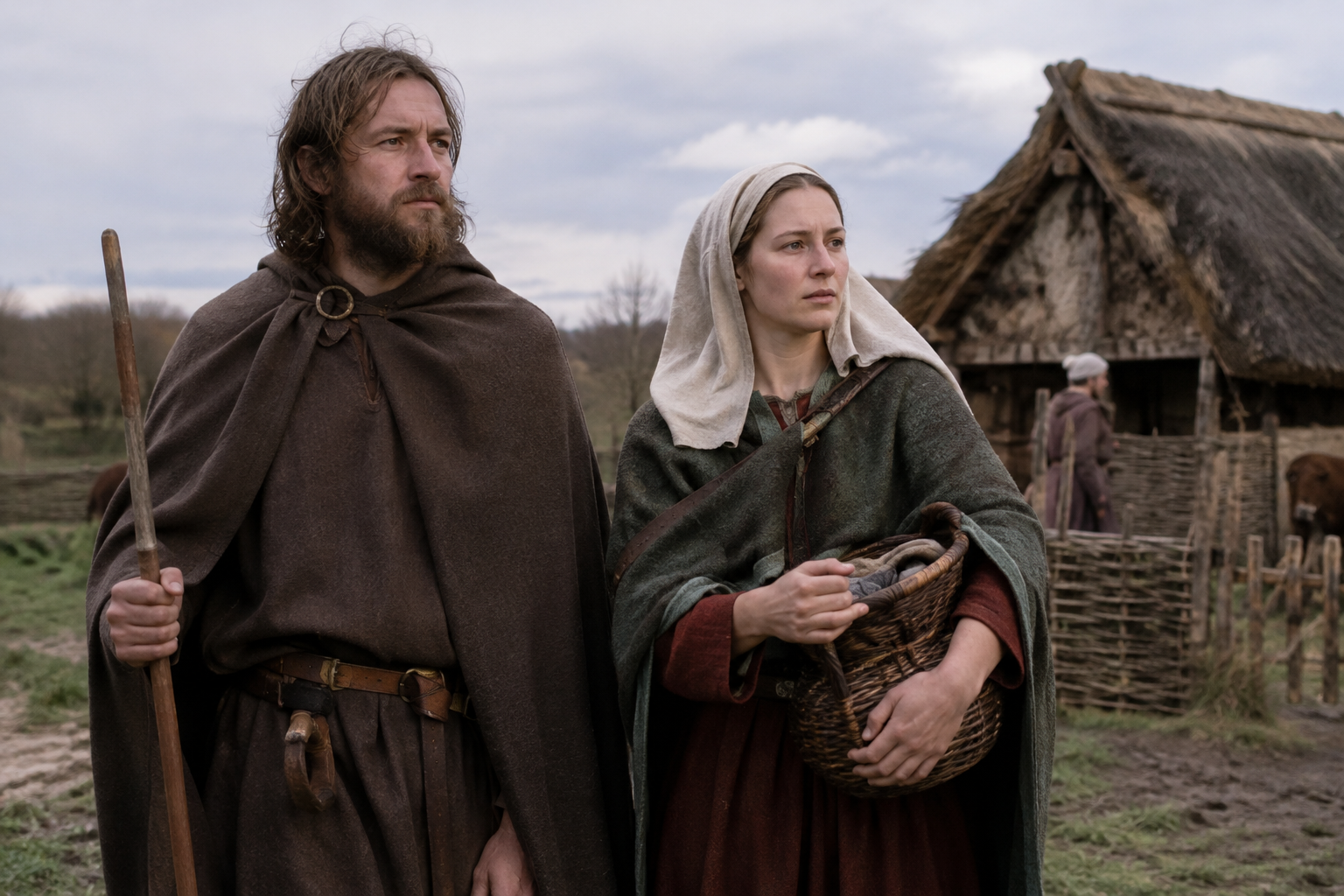
That is one reason Pont de Cornaux-Les-Sauges is so useful. It gives us a glimpse of how a specific paternal branch sat inside a real Iron Age community rather than inside a mythic pan-Celtic people. Archaeology keeps the story grounded. These were inhabitants of a Swiss site in a world of local affiliations, burial customs, and regional contacts - not walking embodiments of a modern identity label.
Celtic Mobility in Switzerland
Iron Age Switzerland sits at a crossroads in European prehistory and history. It is close enough to the upper Rhine, eastern France, southern Germany, and the Alpine passes that any lineage found there belongs, potentially, to a world of movement. But "potentially" is the key word. A branch present at Pont de Cornaux-Les-Sauges could reflect deep local continuity, recent regional movement, or some mixture of both. The current evidence is strongest when kept at that scale.
For that reason, these samples are most informative when read alongside broader work on the spread of Celtic-associated populations in central Europe. They do not on their own prove language dispersal, tribal identity, or a migration route. What they do offer is a sharp point of contact between a narrow Y-lineage and the Late Iron Age communities of the Swiss Plateau.
There is a tendency, when faced with a long haplogroup name, to treat it as if it were the whole story. In reality, the archaeology is doing half the work here. Without Pont de Cornaux-Les-Sauges, without the dating to around 200 BC, and without the identification of these men as part of a Gallo-Celtic setting, the branch R1b1a1b1a1a1c2b2a1b1b1a4b would be only a technical label. The site turns it into history.
That is also why these Swiss samples belong in a wider conversation about Iron Age communities across western Europe. Ancient DNA has increasingly shown that local burial grounds can contain both continuity and movement, both inherited lines and newly arrived ancestry. Switzerland, perched between major cultural zones, is exactly the kind of place where that complexity should be expected rather than ironed out.
The distinctive value of this haplogroup, as presently evidenced, is not grandeur but precision. It places the paternal branch R1b1a1b1a1a1c2b2a1b1b1a4b in Late Iron Age Switzerland through the men labeled 3438 and 3438x at Pont de Cornaux-Les-Sauges. For someone exploring this lineage today, that does not promise descent from a tribe, a noble house, or a famous individual. It offers something better grounded: a documented connection to the male-line landscape of Celtic Switzerland on the eve of the Roman world.
Comments