Haplogroup R1a1a1b1a3a4

– 5 min read


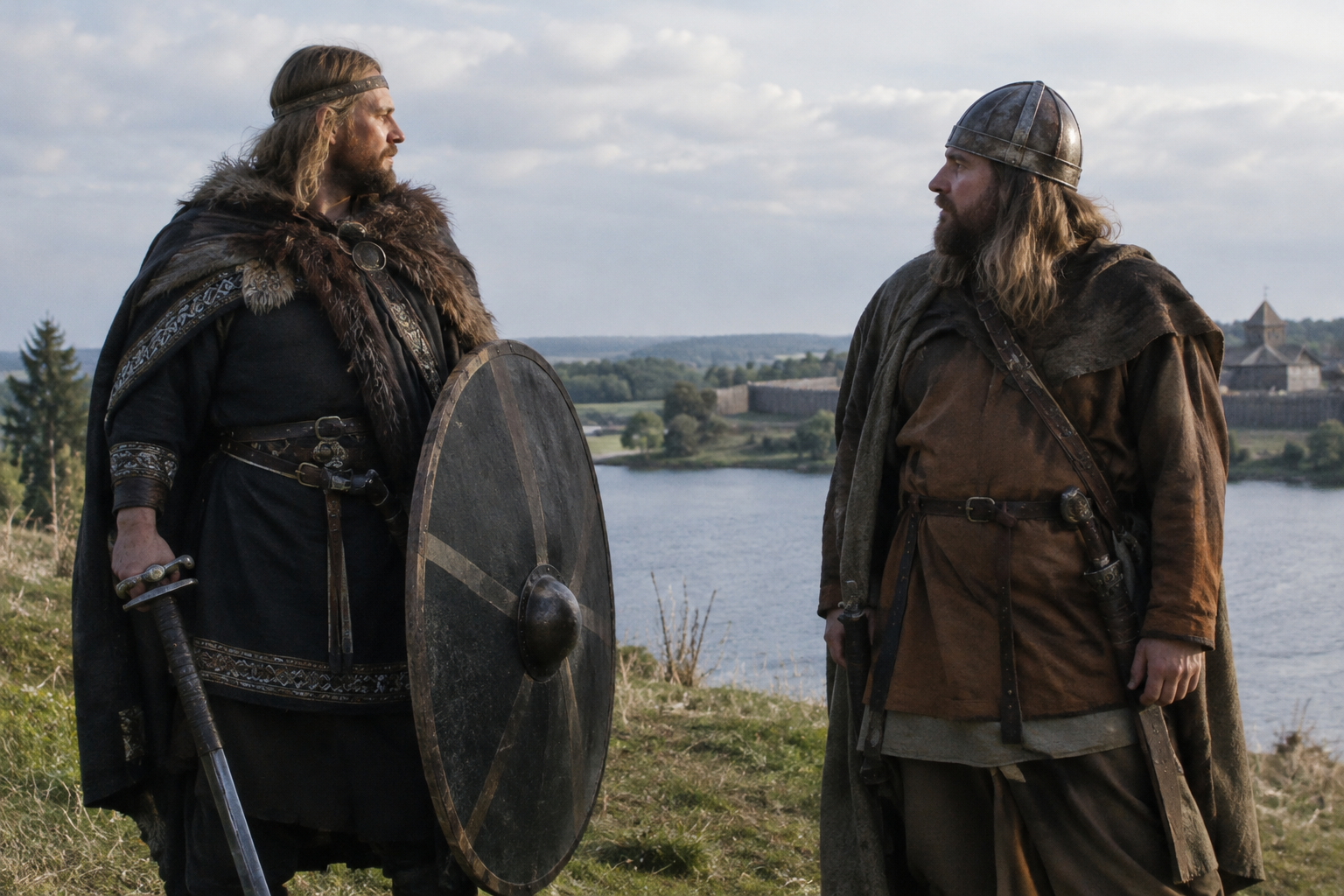
In Uppland, Sweden, an ancient man catalogued as als001 was buried in the Vendel Age around AD 588. He is described as an elite warrior from Alsike, which immediately places this Y-chromosome line in one of the most closely watched corners of early Scandinavian history: the centuries just before the Viking Age, when rich boat graves, martial display, and regional power were taking shape. Within MyTrueAncestry's classification, this individual is associated with the Y-DNA haplogroup R1a1a1b1a3a4.
That is a very specific paternal branch, and it should be handled carefully. Y-DNA follows one direct male line only, not a person's whole ancestry, language, or identity. Even so, when a branch like R1a1a1b1a3a4 turns up in both a Vendel Age elite context in Sweden and a Viking Age individual from Staraya Ladoga, it becomes historically interesting for a simple reason: it appears in two places tied to the making of the eastern and northern Viking world.
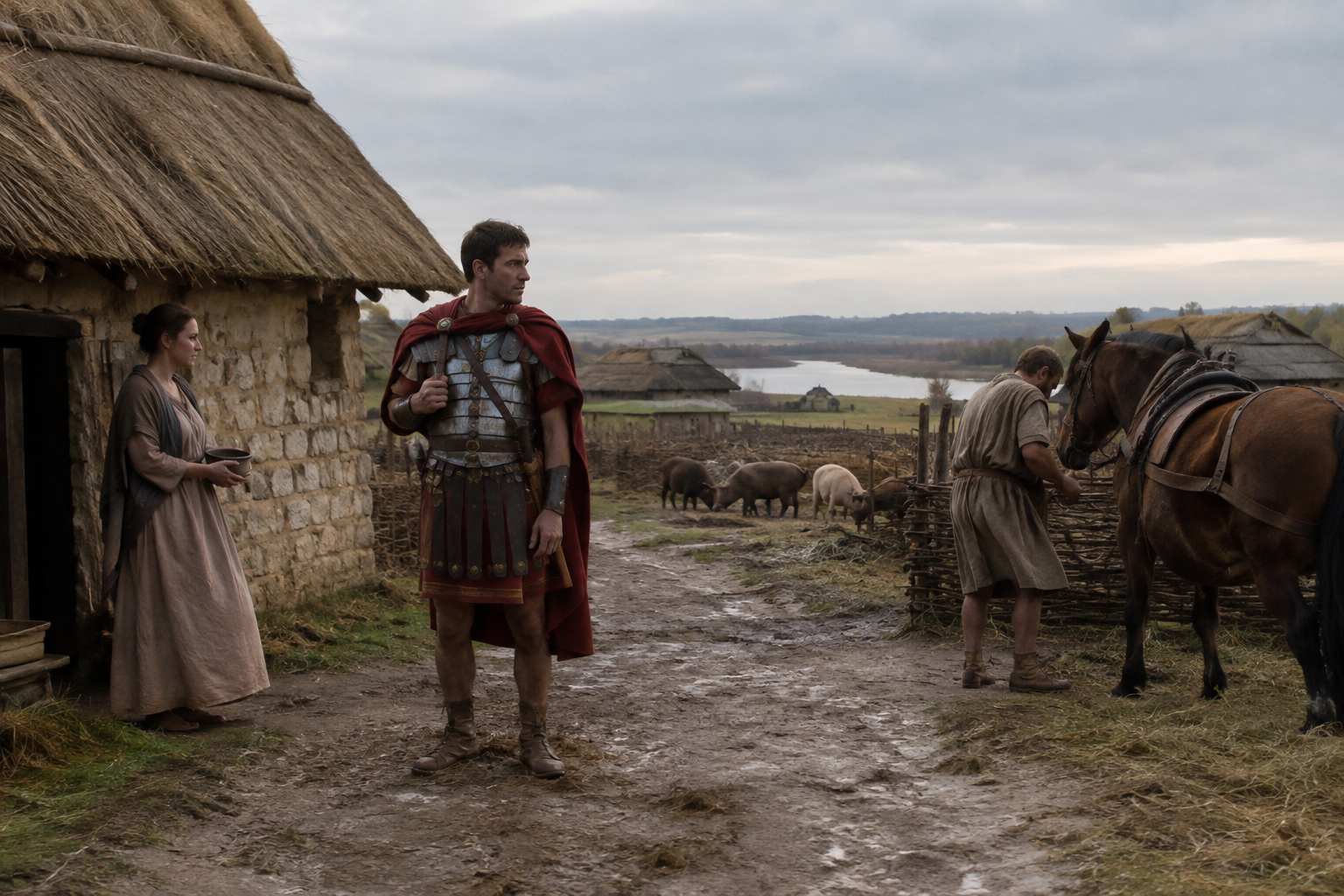
The Alsike sample matters because of where and when it sits. Uppland was not a remote margin in the late sixth century. It was a core region in eastern Sweden, famous in archaeology for high-status burials and for the sort of local warrior aristocracy that later generations would fold into sagas, royal origin stories, and arguments about the rise of kingship.
To call als001 an "elite warrior" is already to place him in a defined archaeological setting. We should not embroider that with invented grave goods or imagined deeds. The important point is that this paternal line appears in a socially prominent context during the Vendel period, a time when eastern Scandinavia was developing the political and maritime culture from which Viking Age expansion would later emerge.
A large-scale ancient DNA study of Viking world populations, published in Cell, helped establish how varied Scandinavian and Viking Age genetic histories could be across regions and social settings. Even without forcing als001 into a grand single-line narrative, the broader lesson is clear enough: elite status, mobility, and ancestry did not always map neatly onto one another, and eastern Sweden was already part of a wider northern network.
R1a is a very broad and widespread Y-DNA family found across much of Eurasia, with a deep prehistoric history. But the article branch here, R1a1a1b1a3a4, is far narrower. That distinction matters. It would be wrong to take every famous claim ever made about R1a and simply paste it onto this one subclade.
What we can say, based on the two ancient men listed here, is more modest and more useful. This branch is represented in early medieval northern Europe in settings connected with Scandinavian-linked societies: one in late sixth-century Uppland and another in Viking Age Staraya Ladoga around AD 1000. That does not prove a dynasty, a tribe, or an uninterrupted line of migration. But it does place the branch within the human geography of the Baltic and eastern Scandinavian world.
The second sample, VK18, comes from Staraya Ladoga and is dated to about AD 1000. That site is one of the great hinge-points of early medieval northeastern Europe. Situated in what is now Russia, Staraya Ladoga is regularly discussed as an important entrepot linking the Baltic to the river routes running south and east, and as a place deeply entangled with the Norse presence in the east.
Here again, caution is essential. A Y-chromosome match does not make VK18 a "Viking" in the narrow modern pop-cultural sense, nor does it assign him a language or a single ethnic label. But in archaeological terms, Staraya Ladoga is exactly the kind of place where one would expect paternal lines from different northern and eastern backgrounds to meet, persist, and mix within trading, military, and settlement communities.
The importance of VK18 lies in the pairing with als001. One sample is rooted in eastern Sweden before the classic Viking Age. The other appears centuries later in one of the best-known contact zones of the Viking east. Taken together, they do not tell a fairy tale of heroic bloodlines. They show something better: a plausible historical corridor in which one paternal branch could be carried through elite and connected environments around the Baltic.
It is tempting to turn any Scandinavian-associated Y-line into a story about raiders setting out in longships. Real history is usually less tidy. The centuries between AD 500 and 1000 saw the Baltic become an increasingly busy zone of exchange: metals, furs, slaves, silver, weapons, marriage alliances, religious ideas, and people themselves moved across it. Paternal lineages moved too, sometimes with merchants, sometimes with war bands, sometimes through ordinary settlement and family life.
That is why the pairing of Uppland and Staraya Ladoga is so suggestive. It points not to one event, but to a world. Eastern Sweden was one center of power and maritime connectivity; Staraya Ladoga was one of the eastern gateways where such connections became visible in archaeology. A lineage associated with R1a1a1b1a3a4 appearing in both settings fits well with the wider picture of an interconnected northern world.
A preprint study focused on ancient populations from this broader northern and eastern sphere can be found at bioRxiv. It is useful here not because it licenses sweeping certainty, but because it reflects the same growing research trend: early medieval societies around the Baltic and adjacent river systems were not isolated blocks, but populations linked by repeated contact.
Early medieval Baltic connections
The earlier Swedish sample may be the more revealing of the two. By the time we reach AD 1000, the Viking world is already well established in both texts and archaeology. But an individual in Uppland around AD 588 belongs to the formative age before that expansion reached its classic historical visibility. He belongs to the period when regional elites in Scandinavia were consolidating power, display culture, and perhaps the social habits that later underpinned overseas ventures.
That makes R1a1a1b1a3a4 interesting not because it can be crowned as "the Viking haplogroup" - it cannot - but because it is already present in a prominent Scandinavian context before the Viking Age proper. In other words, this is a branch with roots in the northern scene before the great burst of recorded Norse mobility, not merely a by-product of it.
Scandinavia's deeper DNA history
So what is the responsible historical takeaway for someone who carries R1a1a1b1a3a4 today? Not that they descend from a specific warrior in Alsike or a named man in Ladoga, and not that the lineage determines identity. The real value is subtler. This branch is linked here to two ancient individuals living in connected northern worlds: one in Vendel Age Uppland, one in Viking Age Staraya Ladoga.
That gives the haplogroup a distinctly Baltic-Scandinavian early medieval profile in the evidence at hand. It suggests a paternal line present among the kinds of communities that mattered in the centuries when eastern Scandinavia and the Viking east were taking shape.
Comments