Haplogroup R1a1a1b1a Discussion MTA Support June 26, 2020 – 1 min read Share this post Dedicated for all DNA, Analysis Results, History, Research topics related to: Haplogroup R1a1a1b1a Share this post Written by MTA Support Comments Haplogroups and Noble Lines Khnum-Nakht Egyptian Priest Khnum-Nakht was a high-status Egyptian priest of the Middle Kingdom, living around 1800 BC in Middle Egypt, a world of provincial elites, temple offices, careful funerary preparation, and deeply local religious identities. His inscriptions connect him to the cult of Khnum, the ram-headed creator god, and to ancient Shashotep, while By Jamie L • 4 min read Haplogroups and Noble Lines Nekht-Ankh Egyptian Noble Nekht-Ankh was a high-status Egyptian nobleman who lived in Middle Egypt around 1800 BC, in the later Middle Kingdom, a period when Egypt was governed through a mixture of royal authority and powerful provincial families. His inscriptions identify him as the son of a provincial governor, which places him firmly By Caterina • 5 min read Haplogroups and Noble Lines The Gladiator from the Near East The man often called the Headless Gladiator from the Near East was buried in Roman York, ancient Eboracum, around the middle of the 3rd century AD. He is known to researchers as sample 3DRIF-26, and he matters because his bones and his DNA together illuminate something the Roman Empire was By Jamie L • 5 min read Papers Iron Age Ritual Cave Burial in Asturias Caves of the Iron Age Cantabrian World High in the limestone country of northern Spain, caves became places where the living approached the dead and perhaps the divine. In the central Cantabrian region, spanning Asturias, Cantabria, and northern Burgos, traces of Iron Age funerary custom are frustratingly rare—which is By Caterina • 5 min read Haplogroups and Noble Lines Khnum-Nakht Egyptian Priest Khnum-Nakht was a high-status Egyptian priest of the Middle Kingdom, living around 1800 BC in Middle Egypt, a world of provincial elites, temple offices, careful funerary preparation, and deeply local religious identities. His inscriptions connect him to the cult of Khnum, the ram-headed creator god, and to ancient Shashotep, while By Jamie L • 4 min read Haplogroups and Noble Lines Nekht-Ankh Egyptian Noble Nekht-Ankh was a high-status Egyptian nobleman who lived in Middle Egypt around 1800 BC, in the later Middle Kingdom, a period when Egypt was governed through a mixture of royal authority and powerful provincial families. His inscriptions identify him as the son of a provincial governor, which places him firmly By Caterina • 5 min read Haplogroups and Noble Lines The Gladiator from the Near East The man often called the Headless Gladiator from the Near East was buried in Roman York, ancient Eboracum, around the middle of the 3rd century AD. He is known to researchers as sample 3DRIF-26, and he matters because his bones and his DNA together illuminate something the Roman Empire was By Jamie L • 5 min read Haplogroups and Noble Lines Golden Man of Issyk The Golden Man of Issyk is one of those archaeological finds that has all but walked off with the public imagination. Buried around 296 BC in the Tian Shan region of what is now Kazakhstan, this Saka elite was laid to rest inside the Issyk kurgan near modern Almaty in By Sara V • 4 min read Haplogroups and Noble Lines Duke Béla of Macsó Duke Béla of Macsó was one of those medieval princes who seem to stand at the hinge of several worlds at once. Living in the 13th century and dying in 1272, he was the son of Rostislav Mikhailovich, a Rurikid prince descended from the rulers of Chernigov, and Anna of By Sven • 4 min read
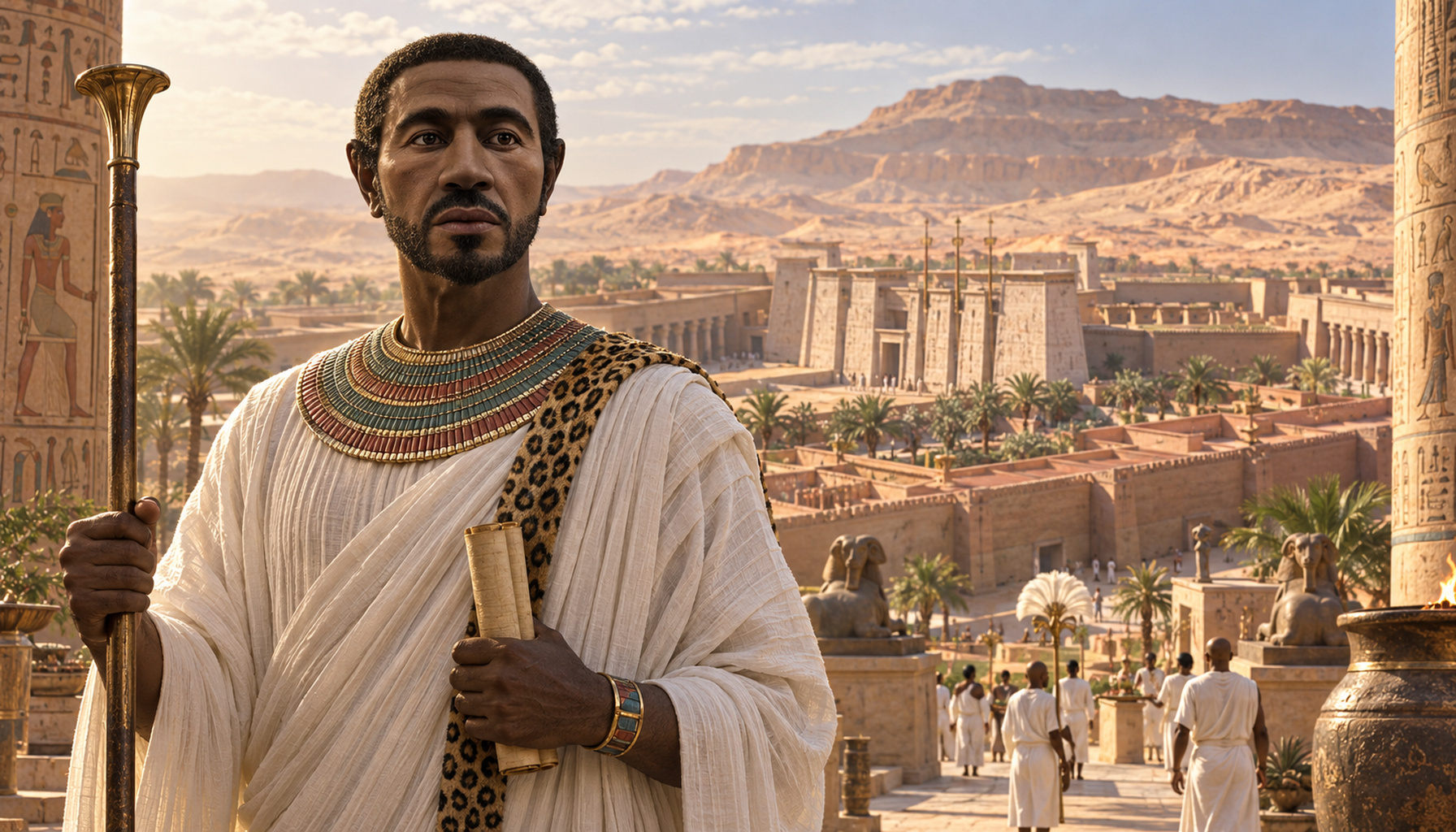
Haplogroups and Noble Lines Khnum-Nakht Egyptian Priest Khnum-Nakht was a high-status Egyptian priest of the Middle Kingdom, living around 1800 BC in Middle Egypt, a world of provincial elites, temple offices, careful funerary preparation, and deeply local religious identities. His inscriptions connect him to the cult of Khnum, the ram-headed creator god, and to ancient Shashotep, while By Jamie L • 4 min read
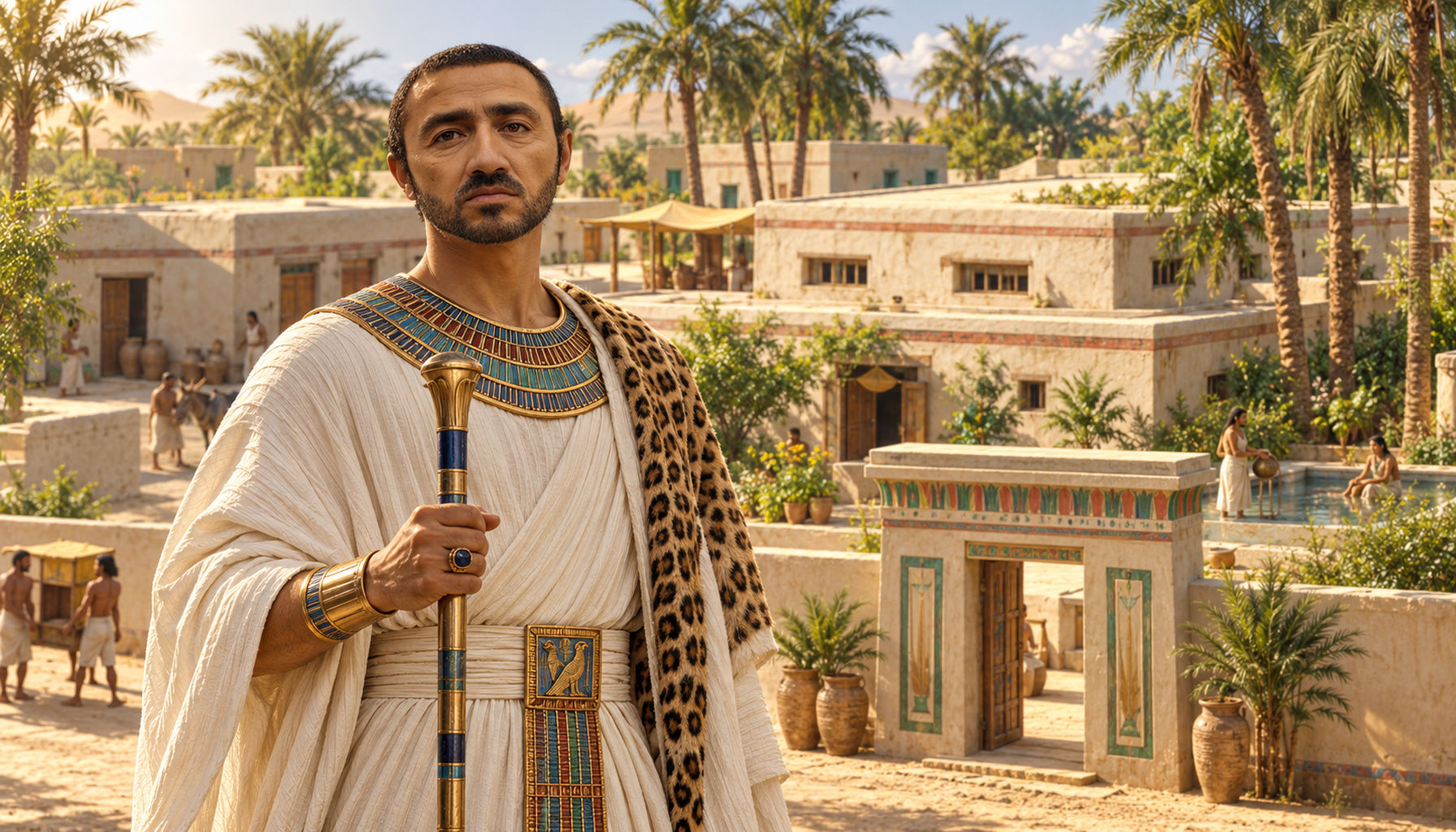
Haplogroups and Noble Lines Nekht-Ankh Egyptian Noble Nekht-Ankh was a high-status Egyptian nobleman who lived in Middle Egypt around 1800 BC, in the later Middle Kingdom, a period when Egypt was governed through a mixture of royal authority and powerful provincial families. His inscriptions identify him as the son of a provincial governor, which places him firmly By Caterina • 5 min read
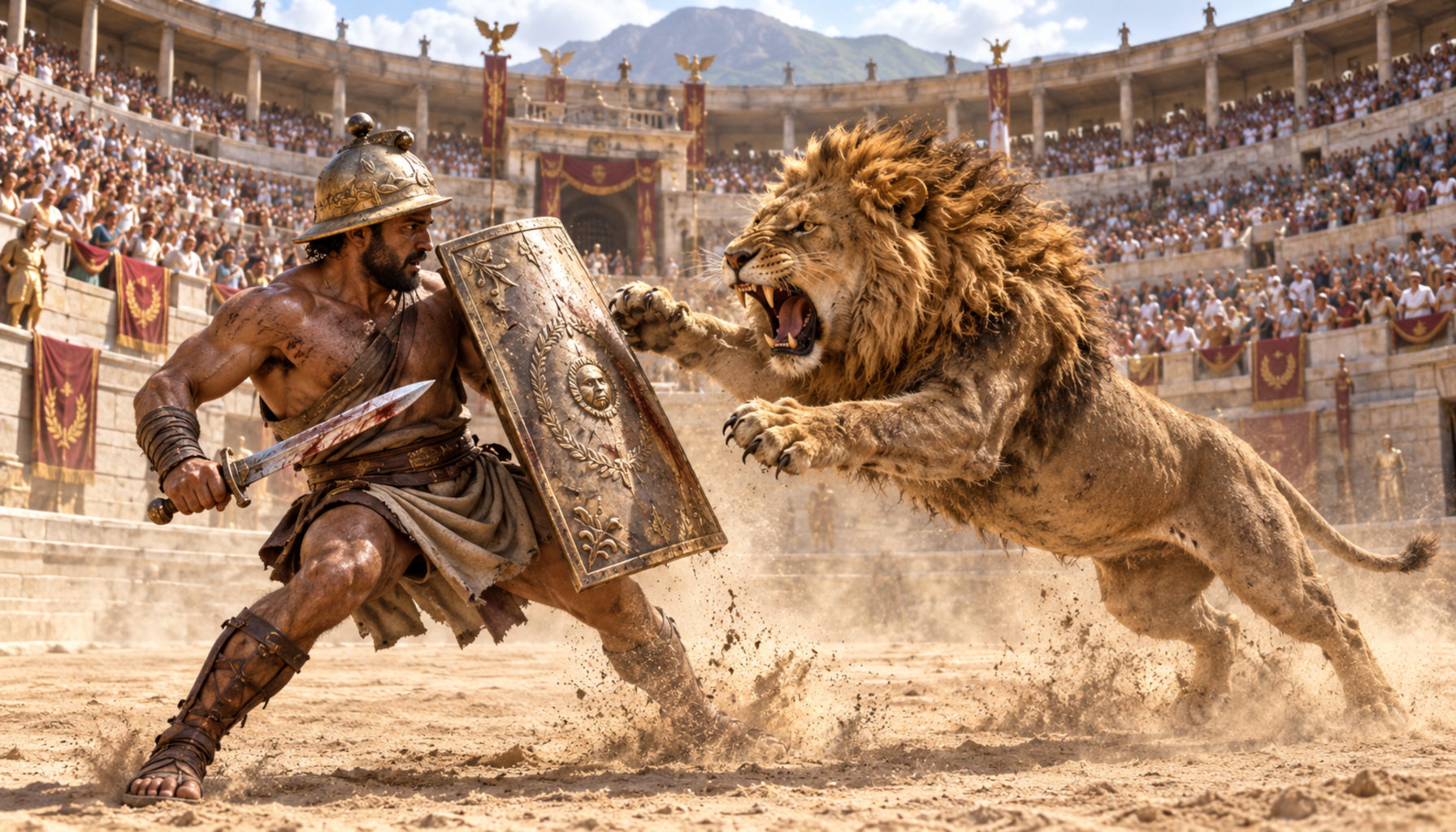
Haplogroups and Noble Lines The Gladiator from the Near East The man often called the Headless Gladiator from the Near East was buried in Roman York, ancient Eboracum, around the middle of the 3rd century AD. He is known to researchers as sample 3DRIF-26, and he matters because his bones and his DNA together illuminate something the Roman Empire was By Jamie L • 5 min read
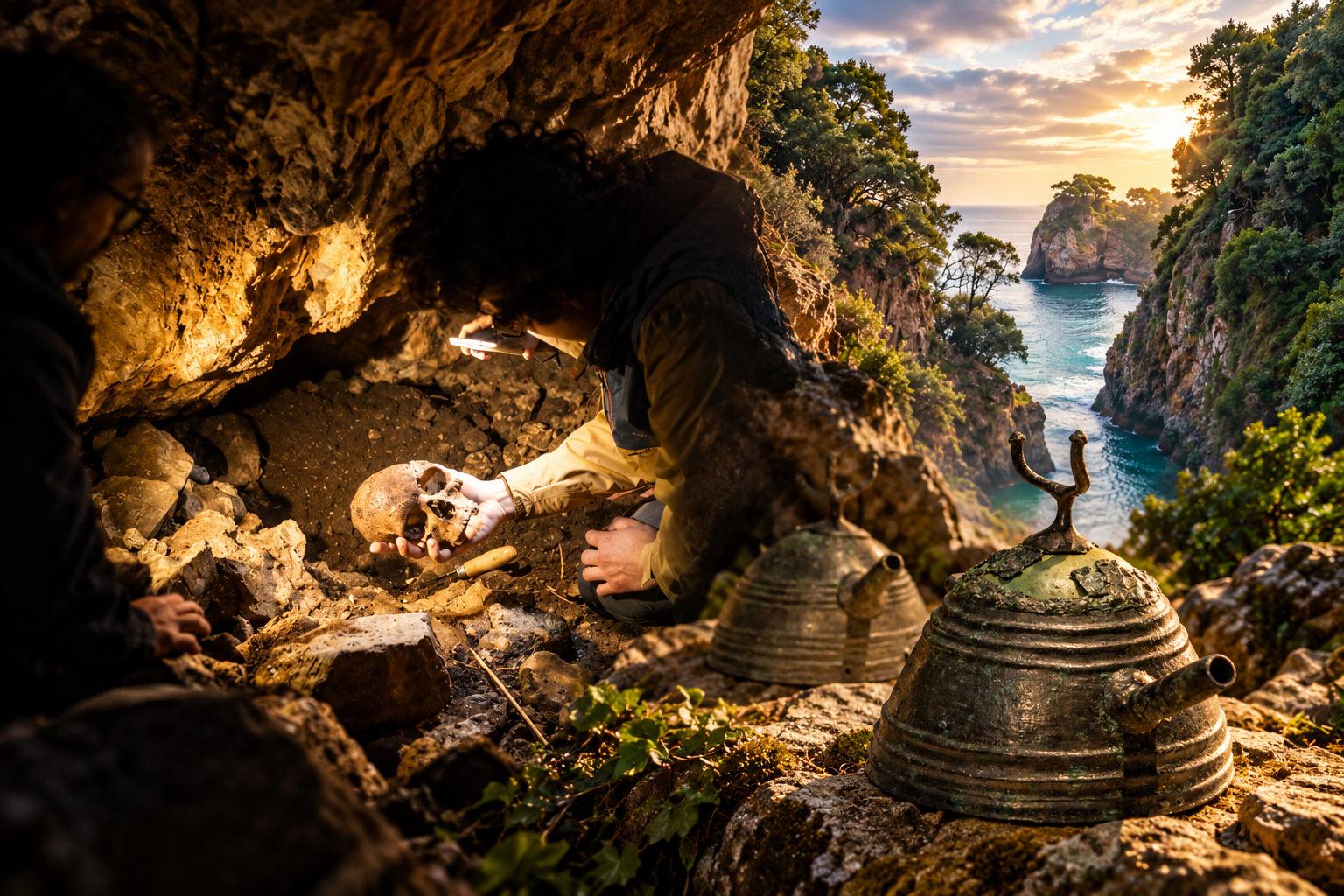
Papers Iron Age Ritual Cave Burial in Asturias Caves of the Iron Age Cantabrian World High in the limestone country of northern Spain, caves became places where the living approached the dead and perhaps the divine. In the central Cantabrian region, spanning Asturias, Cantabria, and northern Burgos, traces of Iron Age funerary custom are frustratingly rare—which is By Caterina • 5 min read
Haplogroups and Noble Lines Khnum-Nakht Egyptian Priest Khnum-Nakht was a high-status Egyptian priest of the Middle Kingdom, living around 1800 BC in Middle Egypt, a world of provincial elites, temple offices, careful funerary preparation, and deeply local religious identities. His inscriptions connect him to the cult of Khnum, the ram-headed creator god, and to ancient Shashotep, while By Jamie L • 4 min read
Haplogroups and Noble Lines Nekht-Ankh Egyptian Noble Nekht-Ankh was a high-status Egyptian nobleman who lived in Middle Egypt around 1800 BC, in the later Middle Kingdom, a period when Egypt was governed through a mixture of royal authority and powerful provincial families. His inscriptions identify him as the son of a provincial governor, which places him firmly By Caterina • 5 min read
Haplogroups and Noble Lines The Gladiator from the Near East The man often called the Headless Gladiator from the Near East was buried in Roman York, ancient Eboracum, around the middle of the 3rd century AD. He is known to researchers as sample 3DRIF-26, and he matters because his bones and his DNA together illuminate something the Roman Empire was By Jamie L • 5 min read
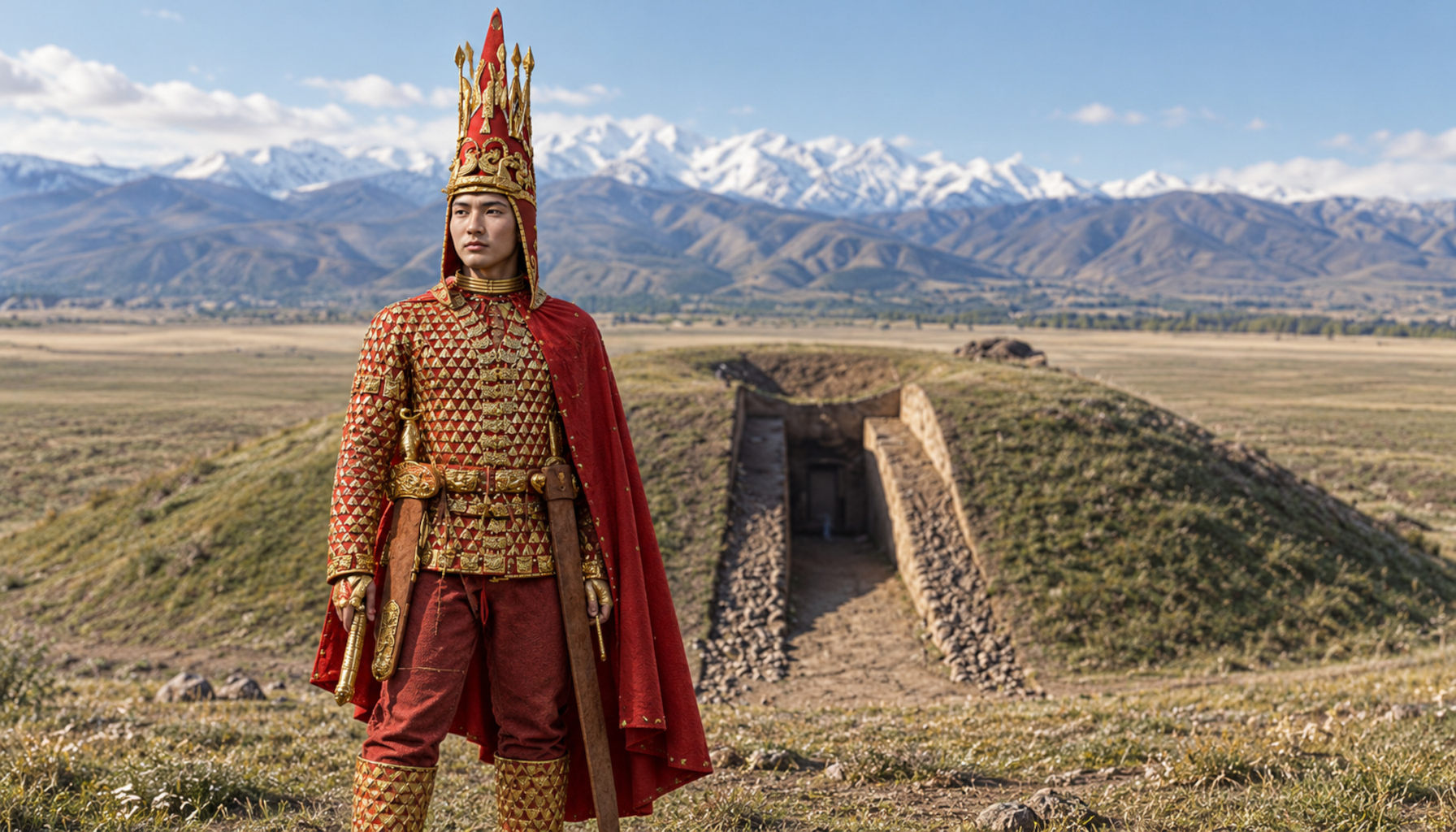
Haplogroups and Noble Lines Golden Man of Issyk The Golden Man of Issyk is one of those archaeological finds that has all but walked off with the public imagination. Buried around 296 BC in the Tian Shan region of what is now Kazakhstan, this Saka elite was laid to rest inside the Issyk kurgan near modern Almaty in By Sara V • 4 min read
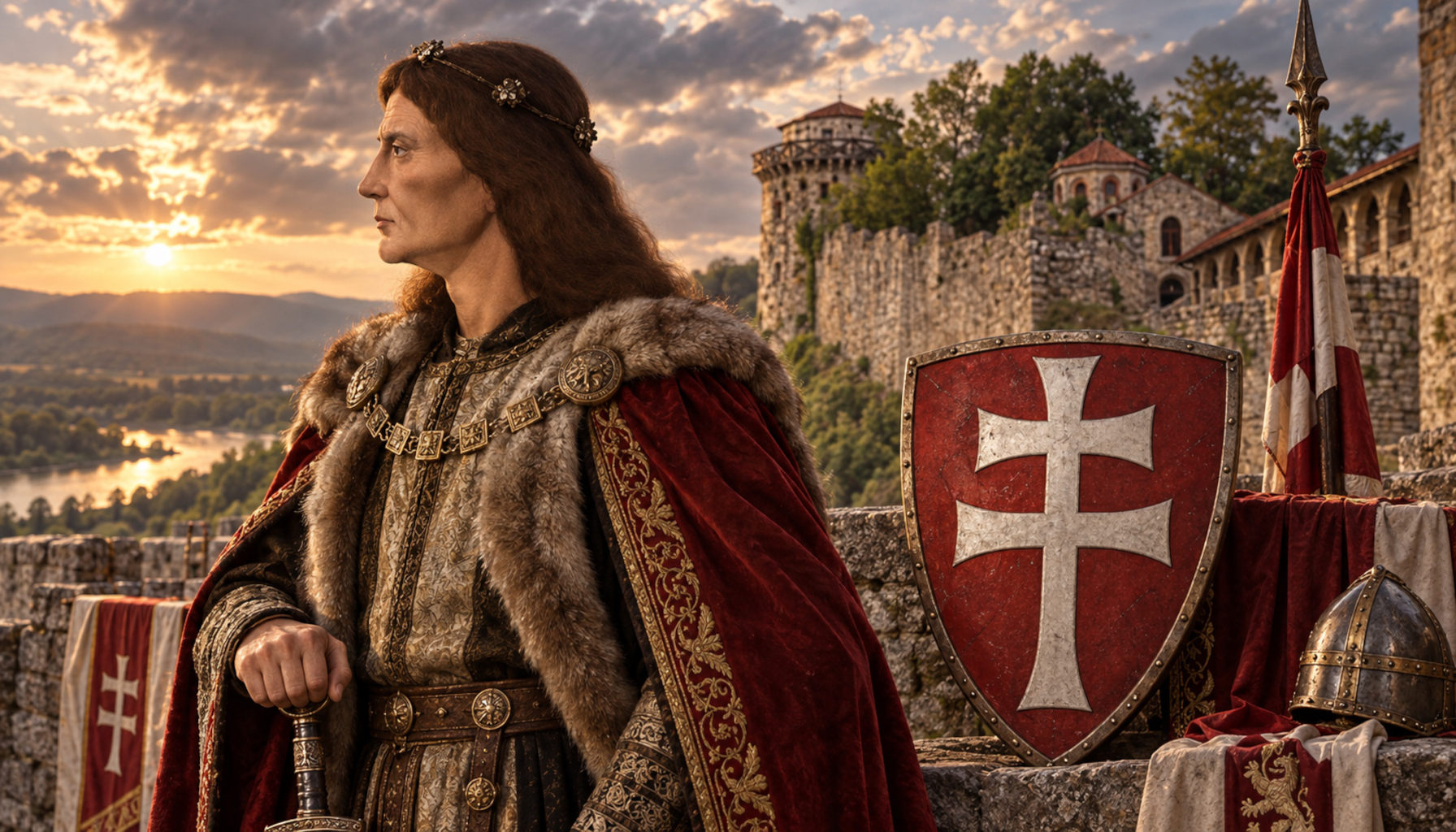
Haplogroups and Noble Lines Duke Béla of Macsó Duke Béla of Macsó was one of those medieval princes who seem to stand at the hinge of several worlds at once. Living in the 13th century and dying in 1272, he was the son of Rostislav Mikhailovich, a Rurikid prince descended from the rulers of Chernigov, and Anna of By Sven • 4 min read


Comments