Haplogroup O2a2b1a2a2b

– 5 min read


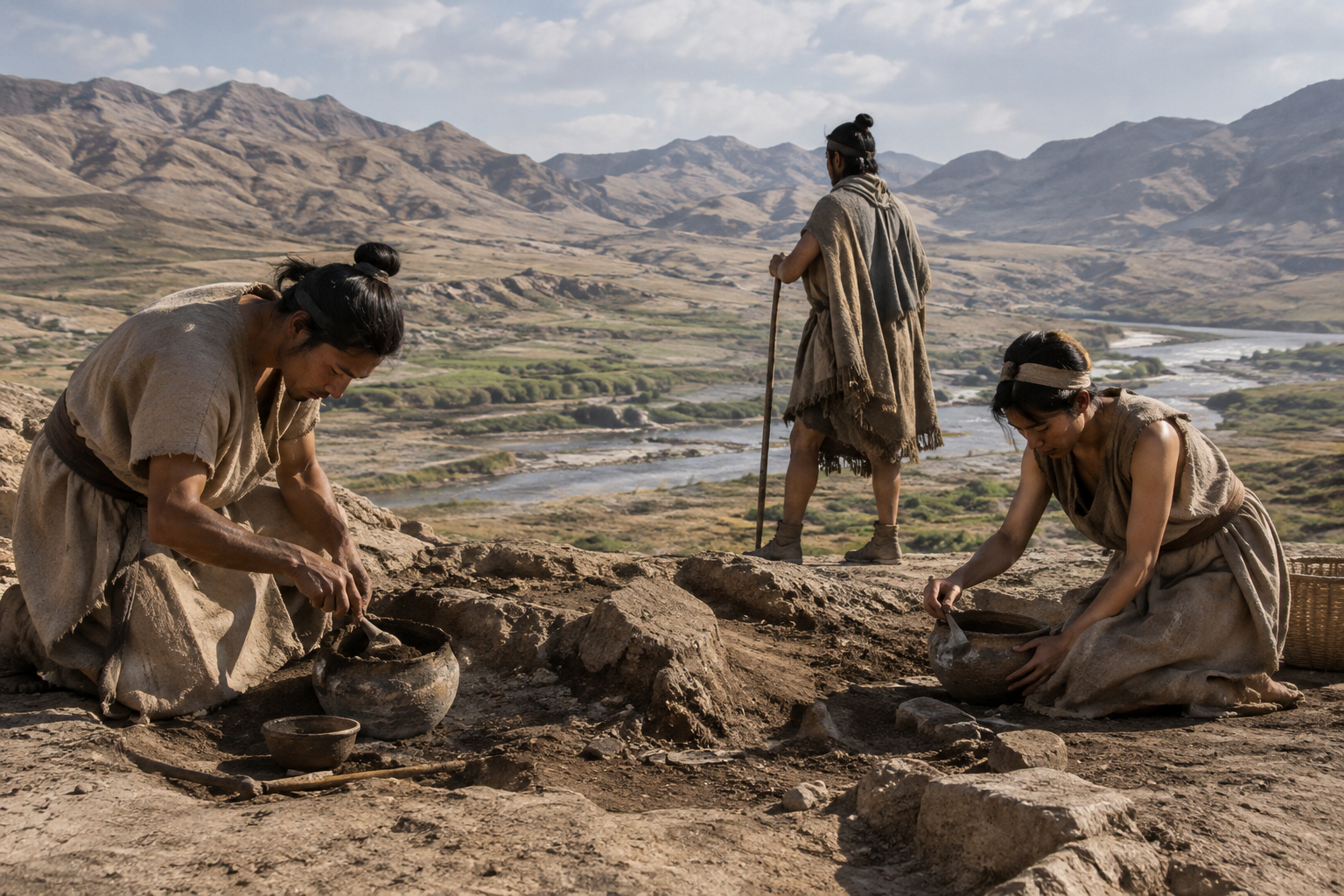
At Mogou cemetery in Lintan, Gansu, one Bronze Age man identified as MogouM384_R3_1 helps anchor the story of Y-DNA haplogroup O2a2b1a2a2b in a very specific archaeological world: the Qijia-Siwa transition, around 1450 BC, in northwestern China. That matters because Mogou is not just an isolated graveyard on the map. It sits in a frontier zone where the farming traditions of the Yellow River world met the corridors leading toward the steppe.
Set beside him is an older clue from much farther east: BLG-M261, dated to around 3000 BC at Baligang on the Tuan River in Henan. Taken together, these two ancient men do not give us a complete biography of the haplogroup, but they do show something more interesting than a bare label. They place this paternal line, or a very close reported association with it, in two different archaeological settings of prehistoric China: one Late Neolithic, one Bronze Age, and separated by both time and landscape.
Y-DNA follows one narrow line of descent: father to son to son. So O2a2b1a2a2b does not describe the whole ancestry, language, or identity of the men carrying it. What it does offer is a thread through male-line history, and in this case the thread appears in ancient northern Chinese contexts that were anything but static.
The branch name itself is very precise, much more precise than the broad haplogroup O, which includes many lineages spread widely across East and Southeast Asia. That distinction matters. A broad O-lineage history cannot simply be poured into this much narrower subclade as though nothing changed along the way. With the evidence here, the safest reading is that ancient individuals associated with this branch appear in Neolithic Henan and later in Bronze Age Gansu, suggesting a paternal history tied to long-term developments within northern China.
An ancient DNA study focused on Bronze Age Gansu has helped bring that northwestern world into sharper view, especially the burial populations around Mogou and the population history behind them: https://ngdc.cncb.ac.cn/gsa-human/browse/HRA014036.
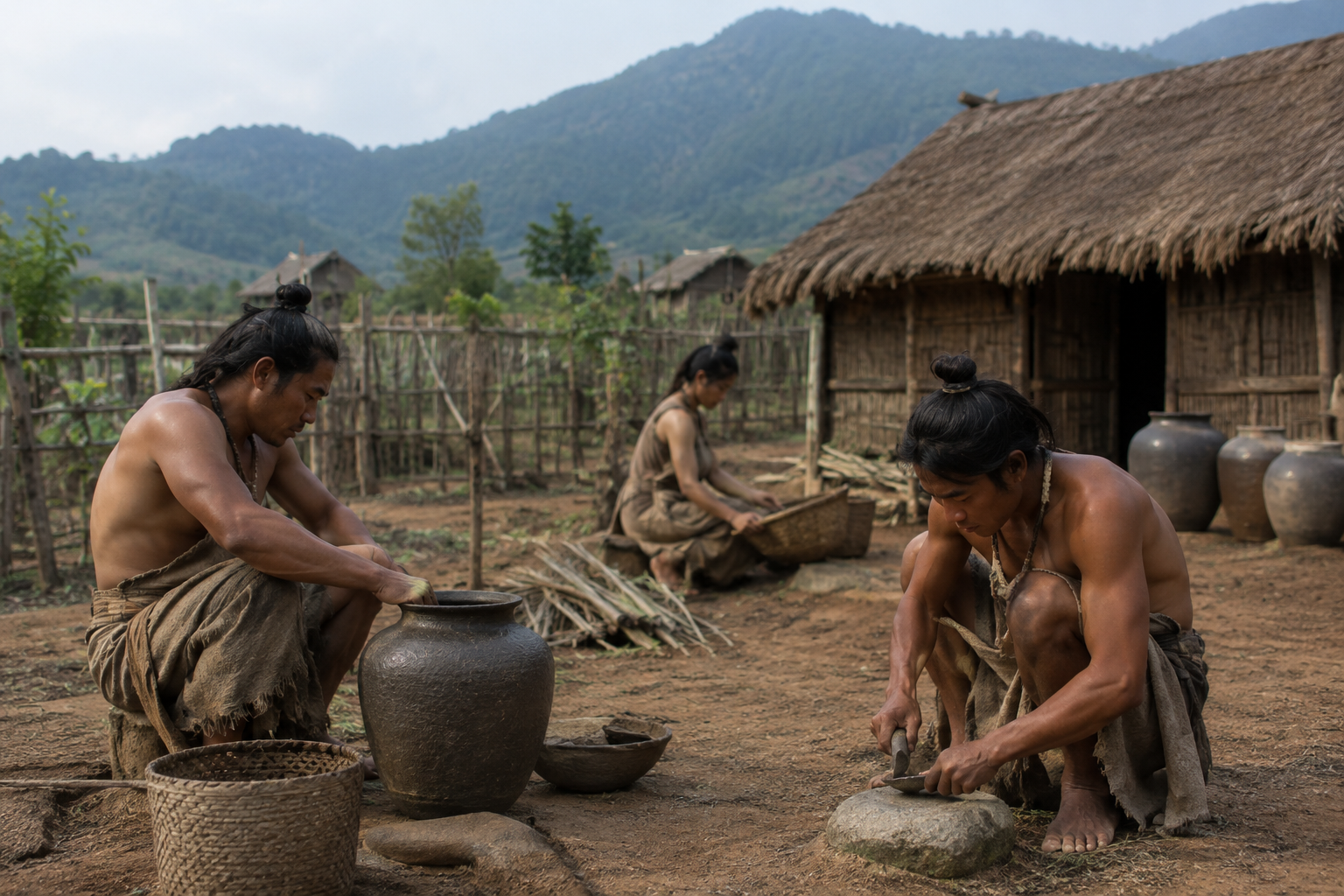
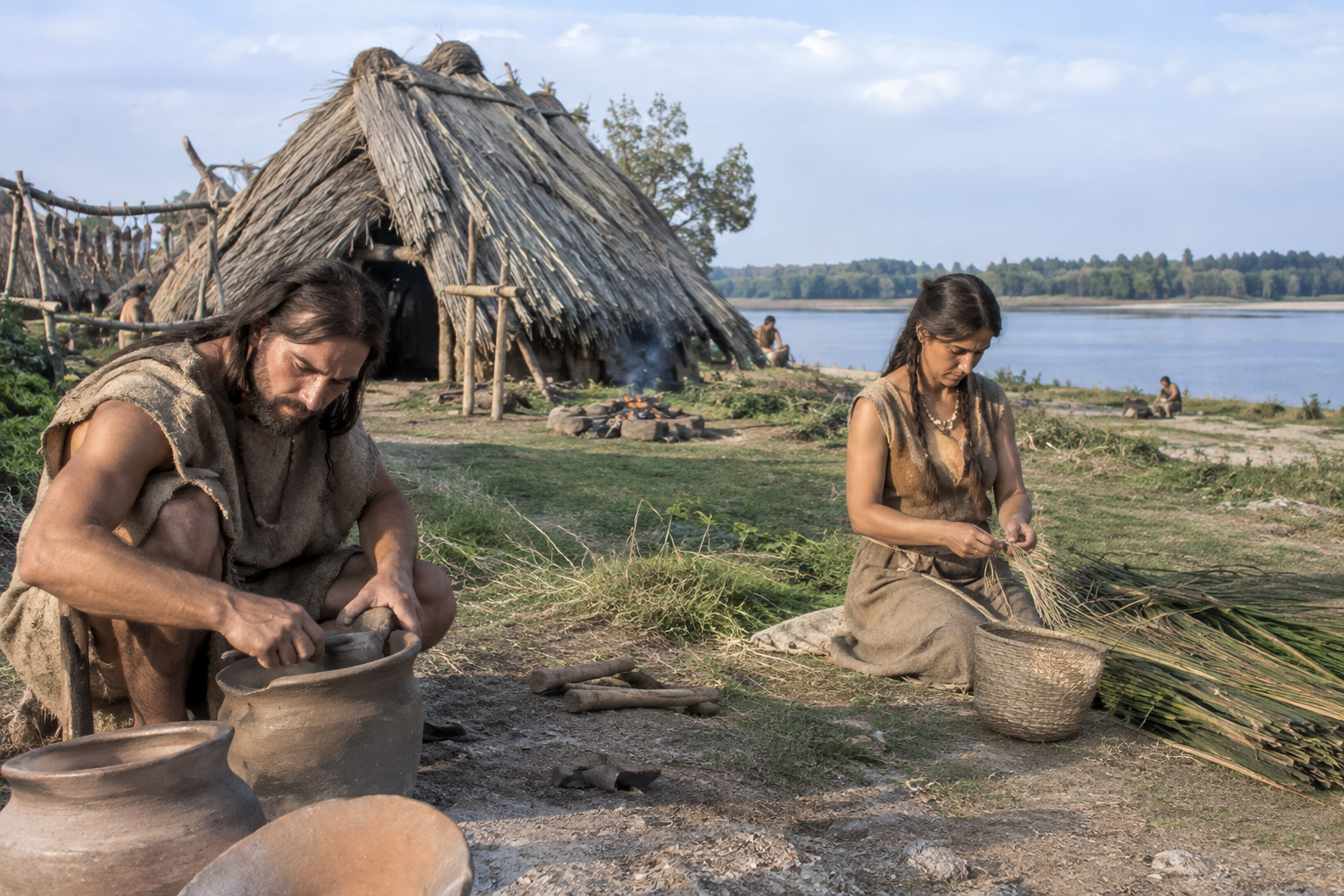
The earlier of the two samples, BLG-M261, comes from Baligang in Henan Province, dated to around 3000 BC and described here as Late Neolithic. Henan was no marginal region. It lay within the broader Middle Yellow River sphere, a landscape central to the development of farming communities, settlement growth, and the social changes that would shape later Chinese history.
That does not mean one man from Baligang stands for all Neolithic Henan, still less for all later populations. But his presence is important because it places this paternal branch, or a directly reported link to it, in a settled agricultural setting long before the Bronze Age frontier world of Gansu. The implication is not a dramatic single migration story, but continuity of male lines within the broad northern Chinese world across deep time.
Research on ancient people from the Middle Yellow River has highlighted just how long and how locally textured that history was, with population continuity in some places and shifting mixtures in others: https://ngdc.cncb.ac.cn/gsa-human/browse/HRA007922.
Middle Yellow River Genomic History
If Baligang gives us an early agricultural context, Mogou gives us a frontier cemetery at a moment of cultural change. MogouM384_R3_1, dated here to around 1450 BC, belongs to the Qijia-Siwa transition in Gansu. That phrase is worth pausing over. It refers to a period when older Bronze Age traditions associated with the Qijia horizon were giving way to later regional patterns linked with Siwa culture in the upper Yellow River and adjacent highland zones.
This was a landscape of contact. Gansu connected the Loess Plateau, the Tibetan margins, and routes toward the Eurasian steppe. Archaeologically, such regions often show mixed signals: local continuity in some practices, outside influence in others, and social change unfolding over generations rather than as a single clean break. A Y-line like O2a2b1a2a2b appearing here is therefore intriguing not because it proves one grand migration, but because it shows that some male lines with roots in the broader northern Chinese sphere remained present in communities living through this changing Bronze Age world.
Mogou has become important precisely because it allows archaeologists and geneticists to compare burial populations in a region that is often discussed as a corridor. Corridors, though, are inhabited places. The people buried there were not just passers-through from textbook arrows on a map. They were members of local communities negotiating exchange, marriage, subsistence, and identity in a borderland setting.
It is tempting to turn two samples into a neat route from central China to the northwest. History is rarely that obliging. What these finds really give us is a pattern of presence across time: one associated ancient carrier in Late Neolithic Henan, another in Bronze Age Gansu. That suggests this paternal branch was part of the population fabric of northern China over a long period, rather than appearing only suddenly in one remote corner.
Just as importantly, the two settings are very different. Baligang belongs to the world of established Neolithic farming communities. Mogou belongs to a Bronze Age cemetery in a region of wider interaction. So the same paternal lineage could persist through major changes in economy, social organization, and regional networks. That is often what ancient DNA does best: not replacing archaeology, but showing that cultural change does not always require complete population replacement.
Ancient East Asian Y-Chromosomes
For East Asia, ancient Y-chromosome evidence is especially valuable because later historical identities can easily overshadow the much older prehistory beneath them. Labels such as "Chinese," "steppe," or "frontier" can flatten thousands of years of local variation. Samples like BLG-M261 and MogouM384_R3_1 remind us that paternal lines were already embedded in very old regional histories before the better documented dynastic periods.
They also fit a broader picture emerging from archaeogenetics: northern China was not genetically uniform, but neither was it a revolving door of unrelated peoples. Some lineages persisted across long stretches of time while populations mixed and cultural traditions changed. In that sense, O2a2b1a2a2b is interesting not because it can be attached to a single tribe or kingdom, but because it appears in the real, excavated human record of northern China's transformation from Neolithic villages to Bronze Age regional societies.
Ningxia Crossroads Population Shifts
For someone exploring haplogroup O2a2b1a2a2b today, the most responsible takeaway is not a claim to one famous dynasty or one dramatic migration. It is that this paternal branch is already visible, through associated ancient samples, in northern China by the Late Neolithic and remains present in a Bronze Age frontier community centuries later. That gives the lineage a grounded archaeological setting: agricultural heartlands in Henan and interaction zones in Gansu, two very different worlds connected by a durable male line.



Comments