Haplogroup O2a2b1a2a

– 5 min read


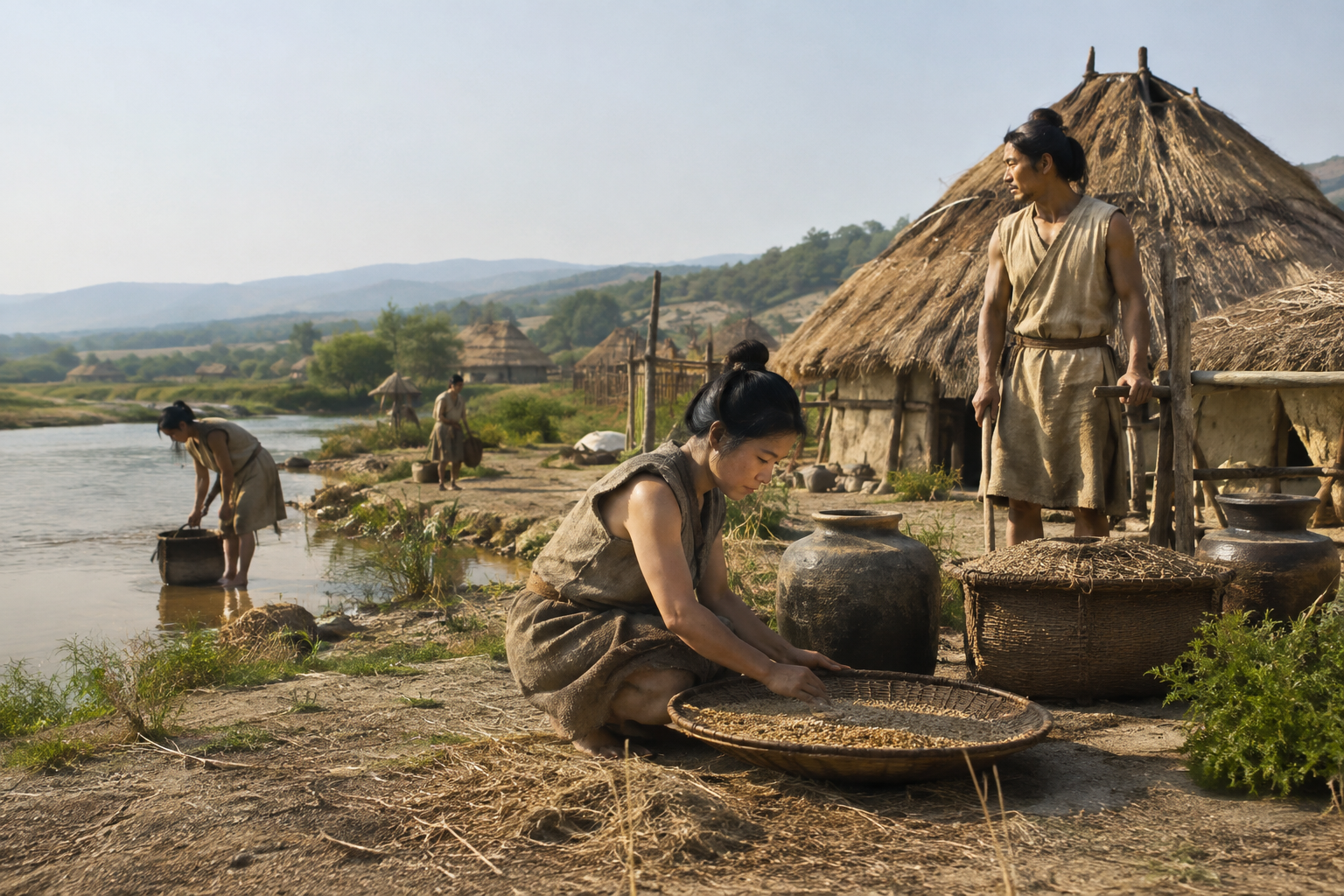
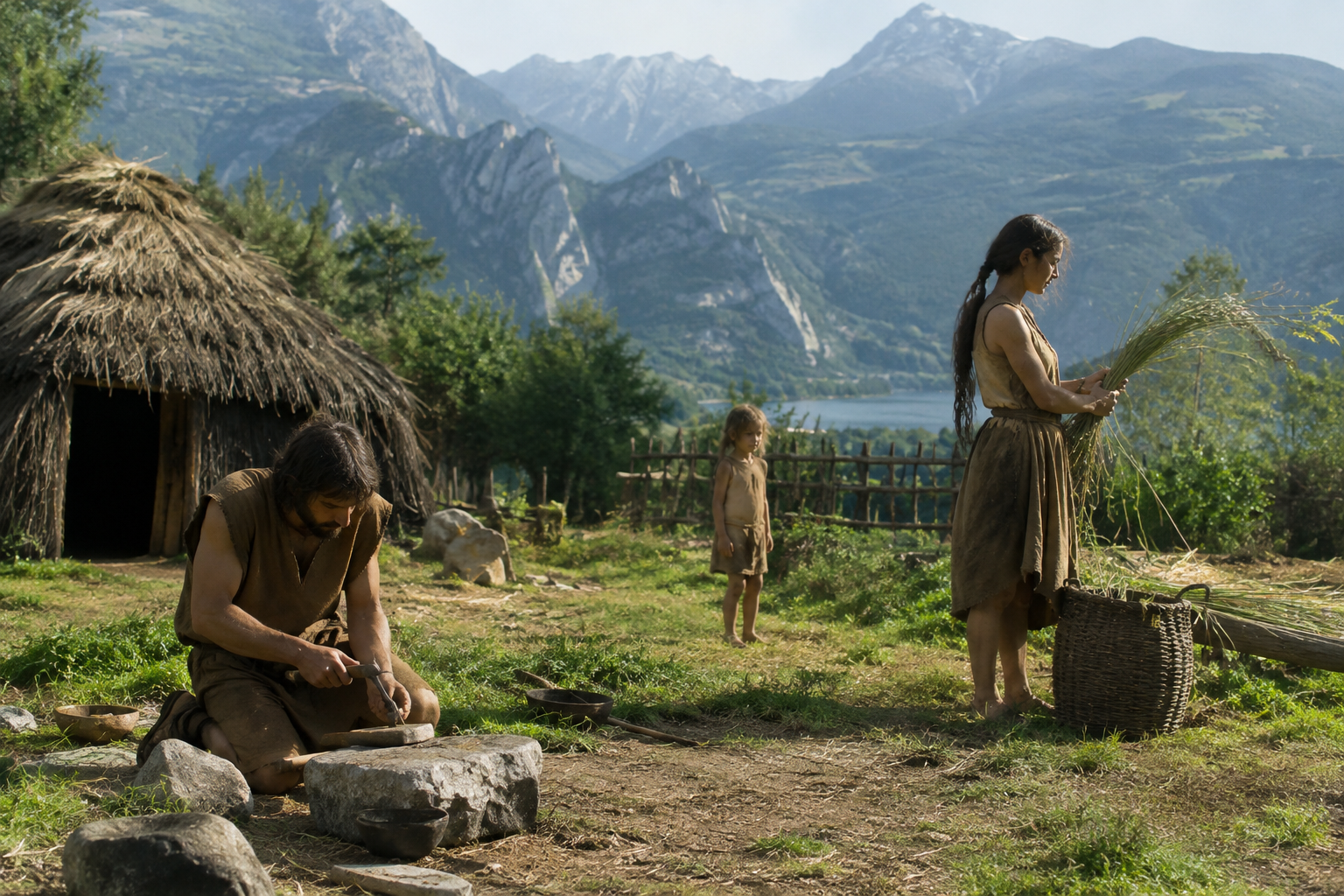
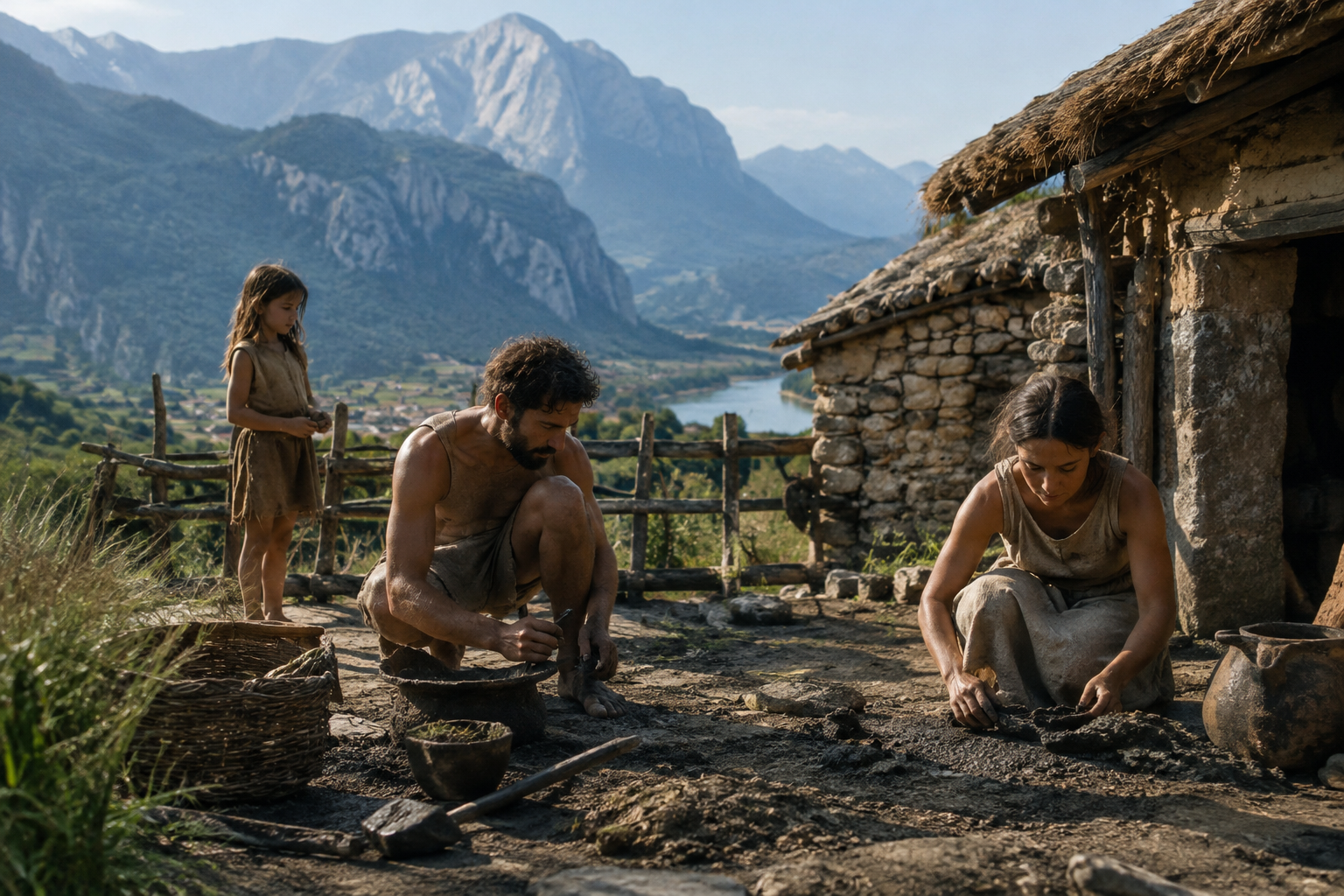
At Baligang in Henan Province, on the Tuan River in central China, one ancient man offers a rare fixed point for thinking about Y-DNA haplogroup O2a2b1a2a. He is recorded as sample BLG_M13-46, dated to around 3000 BC, in the Late Neolithic. That is not a king, not a legendary founder, and not a grandly furnished historical burial. It is something better for archaeogenetics: an ordinary human presence, anchored to a real settlement landscape in the Middle Yellow River world.
That matters because Y-DNA traces one direct paternal line only, not a person's whole ancestry. Even so, a paternal lineage becomes genuinely interesting when it appears in a place as historically important as Neolithic Henan, where farming villages, shifting regional traditions, and long-term population continuity all fed into the later history of northern China. In this case, O2a2b1a2a enters the story not as an abstract code but through a man living in one of the great early centers of East Asian agriculture.
Baligang is well placed for this discussion because Henan was no marginal frontier. It lay in the broader zone where millet farming, settled village life, and increasingly complex social worlds had been developing for millennia before written history. By about 3000 BC, communities in the Middle Yellow River basin were already part of a dense human landscape of cultivation, exchange, and local cultural variation.
Sample BLG_M13-46 comes from that setting. With only one named individual in hand here, it would be irresponsible to turn him into a spokesman for all Neolithic China. But he does show that a paternal line associated with O2a2b1a2a was present in Late Neolithic Henan, embedded in the same broad world that later contributed so much to the demographic history of northern East Asia.
A useful wider context comes from MyTrueAncestry's discussion of 6,000 years of genomic history in the Middle Yellow River, which explores the deep population background of precisely this region.
The exact article haplogroup here is O2a2b1a2a, a fairly narrow branch within the much larger O family of East Asian Y-chromosome lineages. That distinction is important. Broad statements often made about haplogroup O as a whole cannot simply be pasted onto this more specific branch without direct evidence.
What the Baligang individual gives us is a secure archaeological foothold for the branch in Late Neolithic central China. It does not by itself reveal where the branch first formed, how frequent it was across all neighboring regions, or whether every later appearance of related O lineages came from the same local population. Ancient DNA is powerful precisely because it keeps us honest: one man, one site, one period, clearly placed in time and space.
That said, even a single well-situated individual can matter enormously. Neolithic Henan sits in one of the major demographic engines of later Chinese history. So when a lineage such as O2a2b1a2a appears there by about 3000 BC, it invites a sensible historical question: was this branch already part of the paternal diversity carried by farming populations in the Central Plains before the political world of later dynasties emerged?
Archaeology has taught us, again and again, that river valleys are not just places where people happen to live. They are corridors of movement, cultivation, marriage, exchange, and local continuity. The Tuan River setting of Baligang places BLG_M13-46 in exactly that kind of human environment. In practical terms, that means his paternal line belonged to a lived landscape of households and fields, not to an isolated genetic event.
This is where the Neolithic evidence becomes more interesting than a simple map-dot. Late Neolithic communities in the Yellow River basin were participating in processes that would echo for a very long time: population growth, regional interaction, and the layering of local ancestries rather than a single clean replacement. A paternal lineage present in such a setting may persist, branch, or spread through very ordinary social mechanisms over many generations.
For readers interested in how ancient Y chromosomes have helped reconstruct these broader East Asian patterns, another relevant MyTrueAncestry article is the study of coastal and inland migrations in East Asian paternal history.
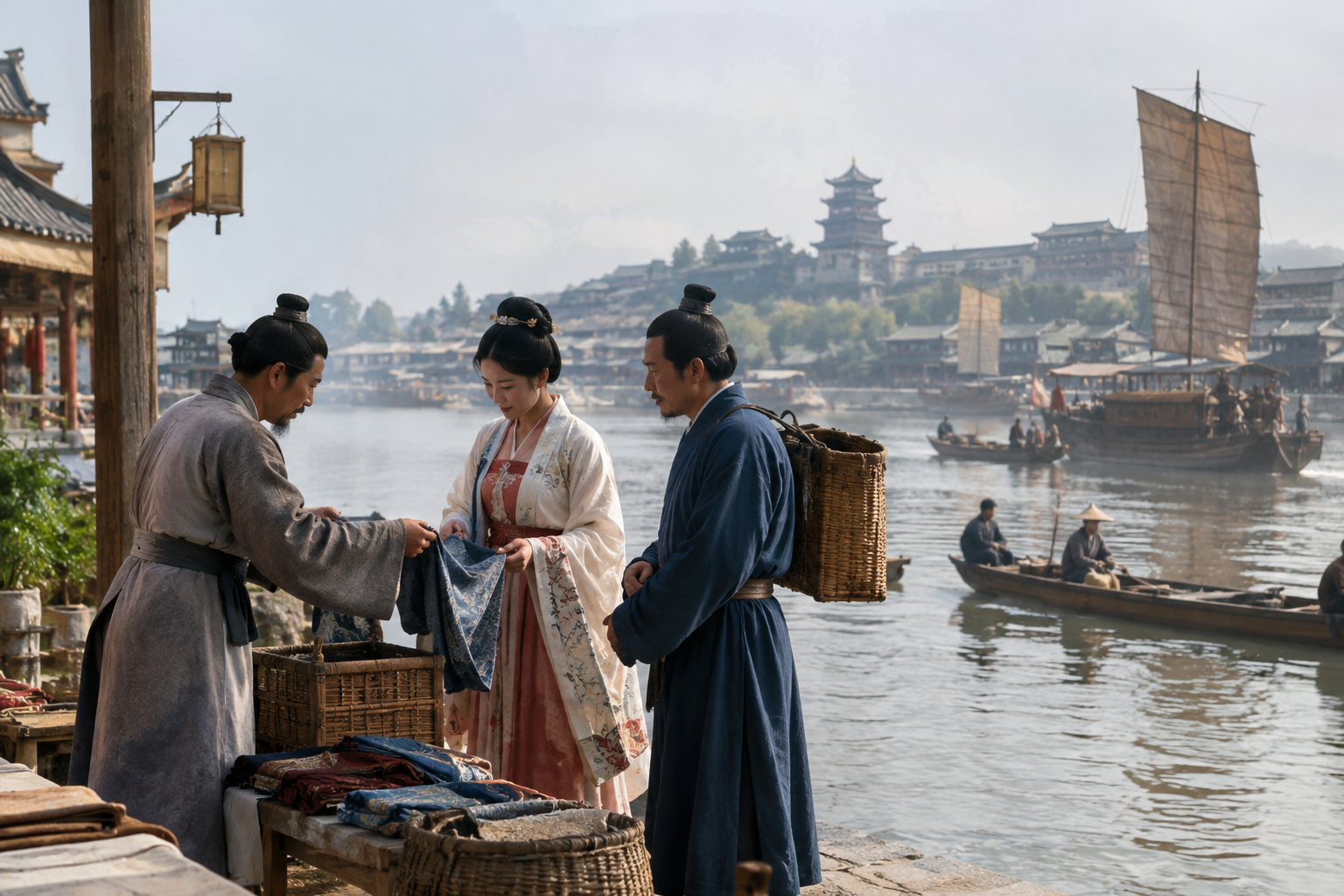
There is a temptation, whenever central China appears in a DNA article, to rush straight toward Shang, Zhou, emperors, and state formation. But BLG_M13-46 belongs to an earlier chapter. Around 3000 BC, this was still a world before bronze-age courts and written records, though not at all a simple one. Village societies in northern China had already built deep regional traditions, and those traditions created the demographic foundations on which later states were built.
That is why this sample has value beyond his own grave. He reminds us that later historical China did not appear from nowhere. Its populations were assembled from much older local and regional communities, some of whose paternal lines can now be glimpsed directly. O2a2b1a2a, in this instance, is part of that pre-dynastic human background.
Research connected with these ancient populations is linked through this ancient DNA study resource, which is associated with the Baligang material and the broader genomic investigation of the region. Even without forcing claims beyond the visible evidence, the result is significant: a named Late Neolithic male from Henan can be tied to this paternal branch.
One reason this sample deserves attention is that Chinese archaeogenetics has moved well beyond old ideas of static, neatly bounded populations. Ancient genomes from the Yellow River, the northwest corridors, and the south increasingly show a history of interaction rather than isolation. Paternal lines can therefore be historically revealing, but only when placed in regional context.
In that broader light, O2a2b1a2a at Baligang looks less like an isolated curiosity and more like one thread in a very large Neolithic tapestry of northern East Asia. Not the whole cloth, certainly. But one thread anchored in the Central Plains at a formative time.
That broader regional complexity also appears in MyTrueAncestry's article on population history in Bronze Age Gansu, which shows how northwestern China later became a meeting ground for multiple ancestries and lifeways.
For someone who carries Y-DNA haplogroup O2a2b1a2a today, the clearest ancient point in this article is modest but meaningful. A man associated with this branch, sample BLG_M13-46, was living in Late Neolithic Henan around 3000 BC, in the agricultural heartland of the Middle Yellow River system. That does not make every present-day carrier a direct descendant of this individual in any simple genealogical sense. But it does place the branch, or a very close reported association to it, in one of the most consequential early population centers of ancient China.
And that is often how the best ancient-DNA stories work. Not by offering fantasy pedigrees, but by giving a real place, a real period, and a real human being to a lineage that would otherwise remain only a string of letters and numbers.
Comments