Haplogroup N2

– 5 min read


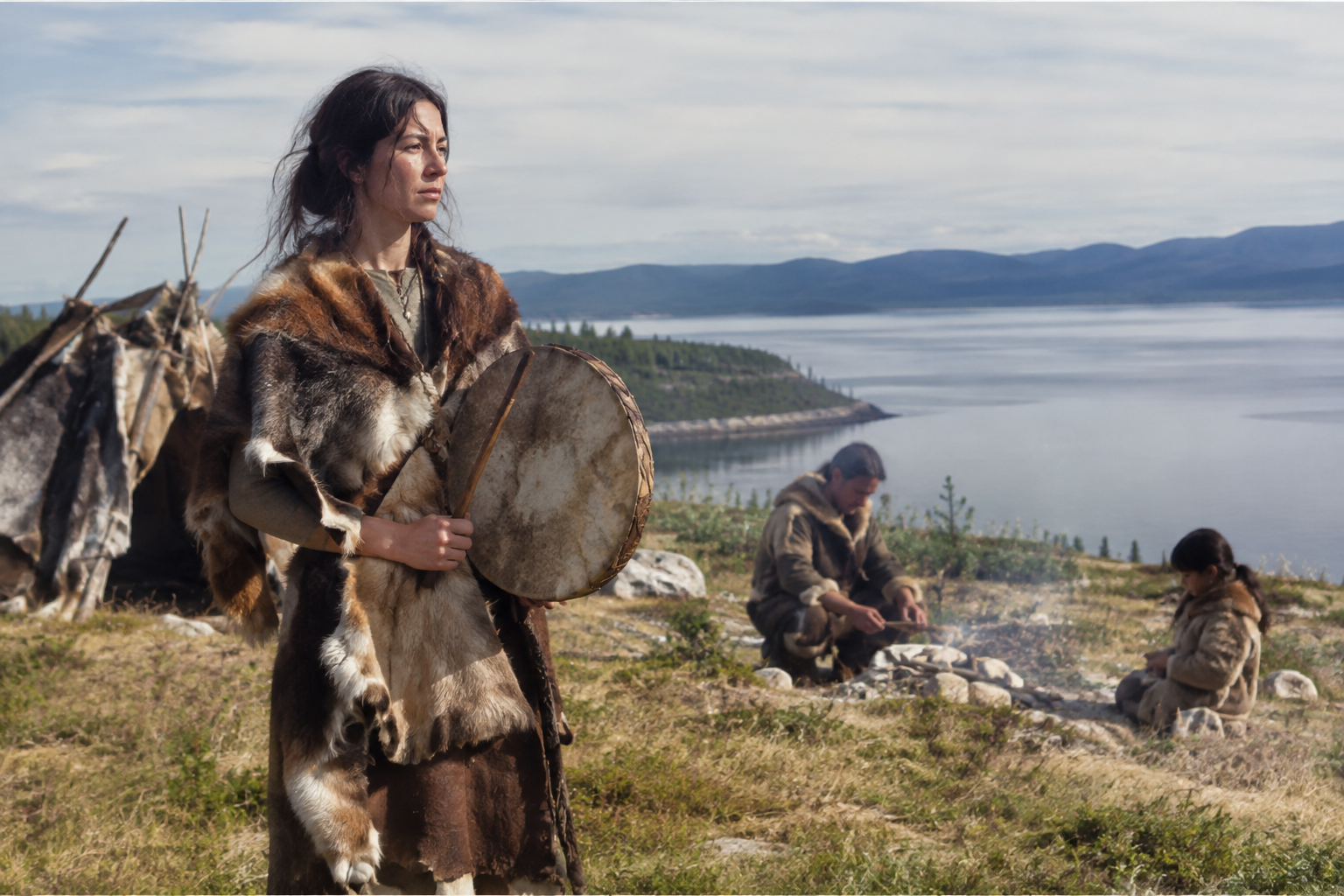
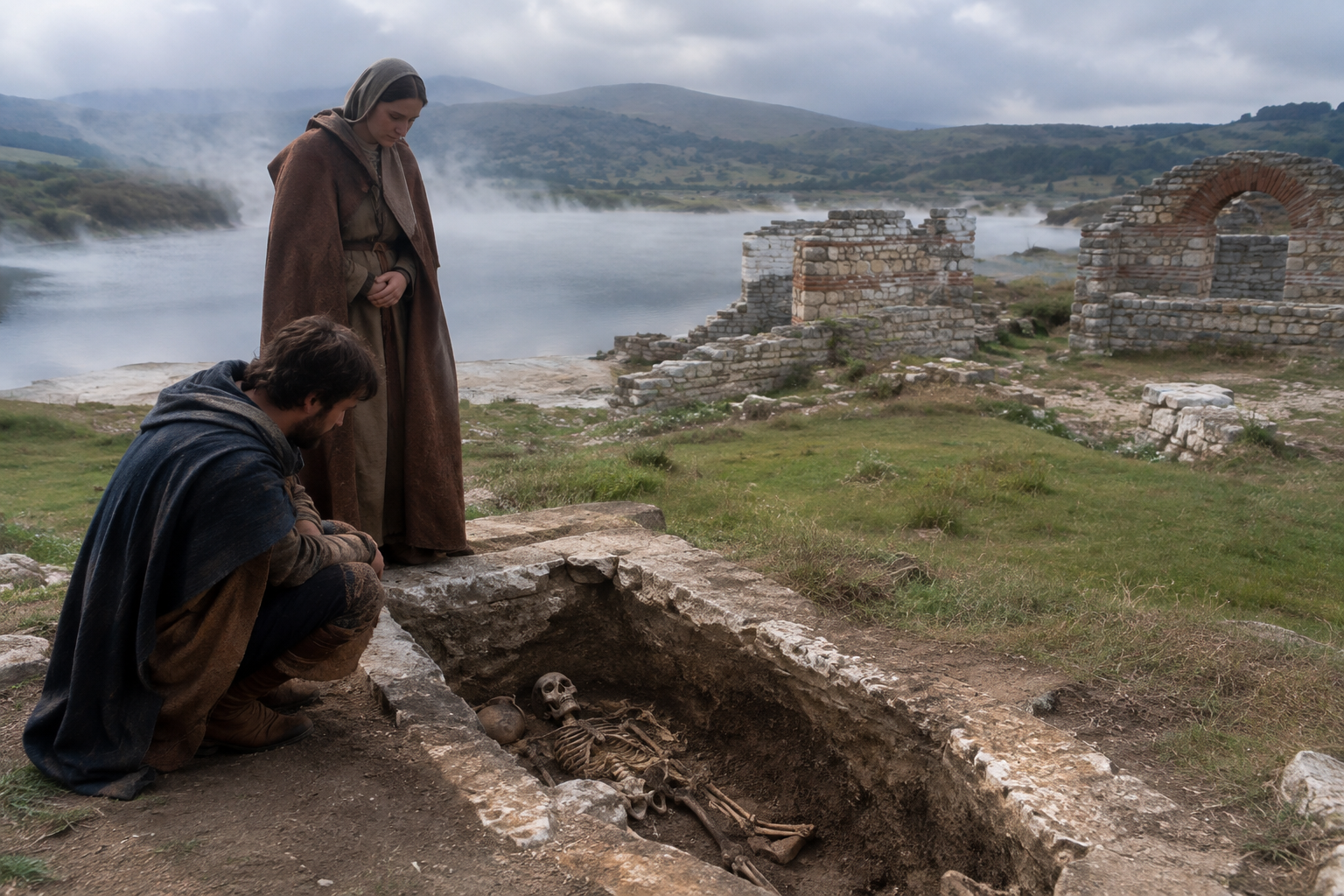
At Shamanka II on the southwest shore of Lake Baikal, archaeologists uncovered one of those finds that quietly rearrange our sense of the human past. Among the burials from the deep prehistory of Siberia is an individual dated to around 5749 BC, identified in ancient-DNA work as DA247. He matters here because he has been associated with Y-DNA haplogroup N2 - a paternal line whose later history is often discussed much farther west, but which, in this case, appears in an early Neolithic setting in the Baikal world.
That is the first useful surprise. Haplogroup N as a broader paternal lineage is strongly tied to northern Eurasia, yet any specific branch such as N2 has to be handled carefully. Y-DNA traces one direct male line only - father to son to son - not a person's whole ancestry, language, or identity. Even so, a find like DA247 gives N2 a real archaeological anchor: not an abstract map point, but a human burial in a landscape of foragers, fishers, and early Holocene communities around one of the world's great inland waters.
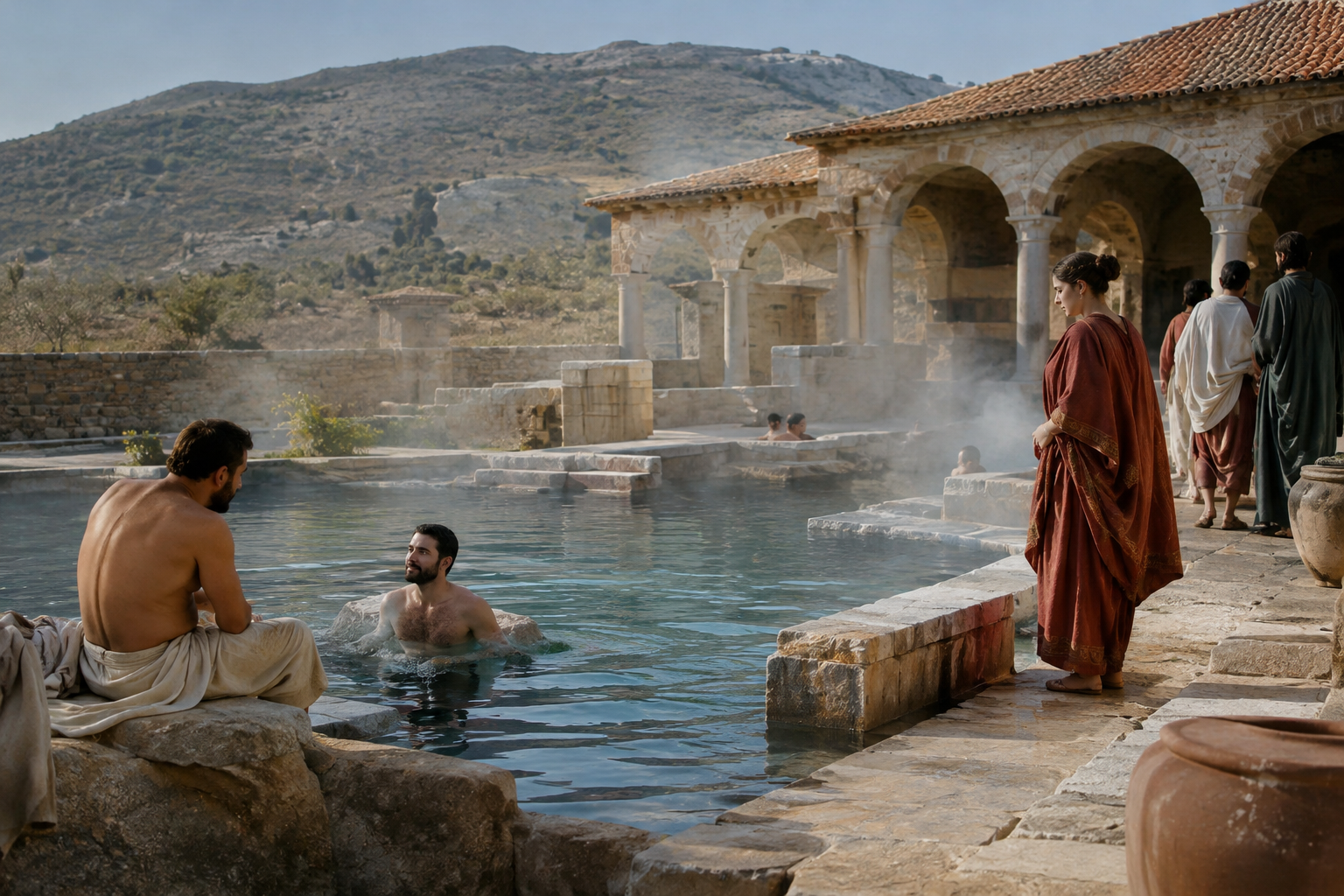
Lake Baikal has become one of the most important regions for ancient DNA in northern Eurasia because its cemeteries preserve evidence for long-term hunter-gatherer populations living through major ecological and social changes. Shamanka II belongs to that wider Baikal mortuary landscape. The site is important not because it gives us a grand royal pedigree or an easy migration slogan, but because it captures real people from a region that sat between the forest, the steppe, and the wider routes of Inner Asia.
DA247, dated to the early Neolithic, stands in that context. Around the sixth millennium BC, communities in Cis-Baikal were not "Neolithic" in the simple Near Eastern farming sense familiar from Europe and Southwest Asia. This was a northern world with its own rhythms, where hunting, fishing, seasonal mobility, and lake-based subsistence remained central. That matters because it reminds us that paternal lineages do not belong to one single way of life. A branch later seen in very different historical populations could already exist among people whose world was built around Baikal's shores and river systems.
An ancient DNA study tied to these Baikal remains, available through this research archive, is part of the broader effort that has made the region so important for understanding northern Eurasian population history. What makes Shamanka II especially valuable is not simply that DNA survived, but that archaeology and genetics can be set beside one another at a named cemetery and a dated horizon.
There is a temptation, whenever a haplogroup label appears, to make it do too much historical work. N2 is a branch within the wider N family, but the presence of N2 in an ancient burial does not, by itself, prove a language, an ethnicity, or a single migration event. Ancient DNA often gives us snapshots rather than a neat film reel.
Still, snapshots matter. In the case of DA247, the value lies in chronology and geography. Here is a paternal line associated with N2 in early Neolithic Cis-Baikal, showing that this branch - or a lineage close enough to be reported under that label - was present in northern Asia thousands of years before the historical peoples who dominate written sources. It pushes discussion of N2 away from modern surname projects and toward the much older archaeology of inland Eurasia.
That is particularly useful for MyTrueAncestry readers because paternal ancestry can feel overly compressed into medieval or modern categories. The Baikal evidence restores depth. It suggests that men carrying lines connected with N2 were part of the prehistoric populations of the forested north and northeast of Eurasia, long before later political borders or ethnic names existed.
It is easy to picture Lake Baikal as remote. In one sense it is. But archaeologically it was never cut off from history. The Baikal basin linked river corridors, hunting grounds, and seasonal routes across a huge zone stretching toward the Yenisei, the Lena, the Mongolian steppe margins, and beyond. That makes the region ideal for tracing deep paternal diversity.
When a lineage such as N2 appears here, the point is not that everyone in the region belonged to one paternal clan. Quite the opposite. Ancient cemeteries regularly show mixed lineages and changing ancestry profiles over time. The significance of DA247 is that he adds one more securely situated piece to that broader northern Eurasian puzzle: the male lines present in the Baikal region were varied, and some belonged to branches that would later have a much wider historical footprint.
This is one reason northern Eurasia keeps unsettling older, simpler migration stories. Rather than a single wave carrying a neat package of genes, culture, and language, the evidence more often suggests repeated contacts, local continuity in some areas, and shifting mixtures in others.
Some readers may wonder whether one identified ancient individual is enough to say anything useful about haplogroup N2. Fair question. A single sample cannot stand in for a whole population, and it certainly cannot explain every later distribution of the branch. But ancient genetics is often built from precisely this sort of careful accumulation: one burial, one cemetery, one river basin at a time.
DA247 matters because he is early, named, and placed. We know the site, the approximate date, and the broad archaeological setting. That gives N2 something far more solid than general speculation. It locates the branch in the human landscape of early Holocene Siberia, among communities whose dead were buried along the lakeshore in a region now central to debates about the peopling and reshaping of northern Eurasia.
For those following the wider story of northern forest-zone populations, this also resonates with work on later Finnic and Uralic-speaking regions, where different branches of haplogroup N became especially prominent. But one should not collapse those later histories into this early Baikal burial. The sensible conclusion is narrower and more interesting: the deeper paternal background to northern Eurasian populations was already diverse in the sixth millennium BC.
One of the pleasures of ancient DNA is that it brings us back to actual places. Shamanka II is not a mythic homeland and DA247 is not a culture hero. He was a man buried near Baikal in the early Neolithic, and his reported Y-chromosome assignment connects him to N2. That is modest evidence, but good evidence often is modest.
Archaeology keeps the discussion honest. Instead of asking which famous dynasty or modern nation "owns" a lineage, we ask where and when it is actually found. In this case, the answer leads to Cis-Baikal: a landscape of ancient cemeteries, mobile communities, and enduring northern lifeways. If you carry N2 today, that does not make you a direct extension of one ancient burial. But it does place one branch of your paternal story in a very old Siberian setting that was already part of a connected Eurasian world.
Northern Mobility and Identity
For haplogroup N2, the most distinctive clue here is not grandeur but depth. The Shamanka II individual DA247, from around 5749 BC in Cis-Baikal Russia, shows that this paternal branch reaches back into the early Neolithic archaeology of the Lake Baikal region. For anyone researching N2, that is a reminder that your direct male line may belong to a history rooted not in recent legend, but in the very old human worlds of northern Eurasia.
Comments