Haplogroup I2a1b1a2b1a2a1a2a

– 5 min read


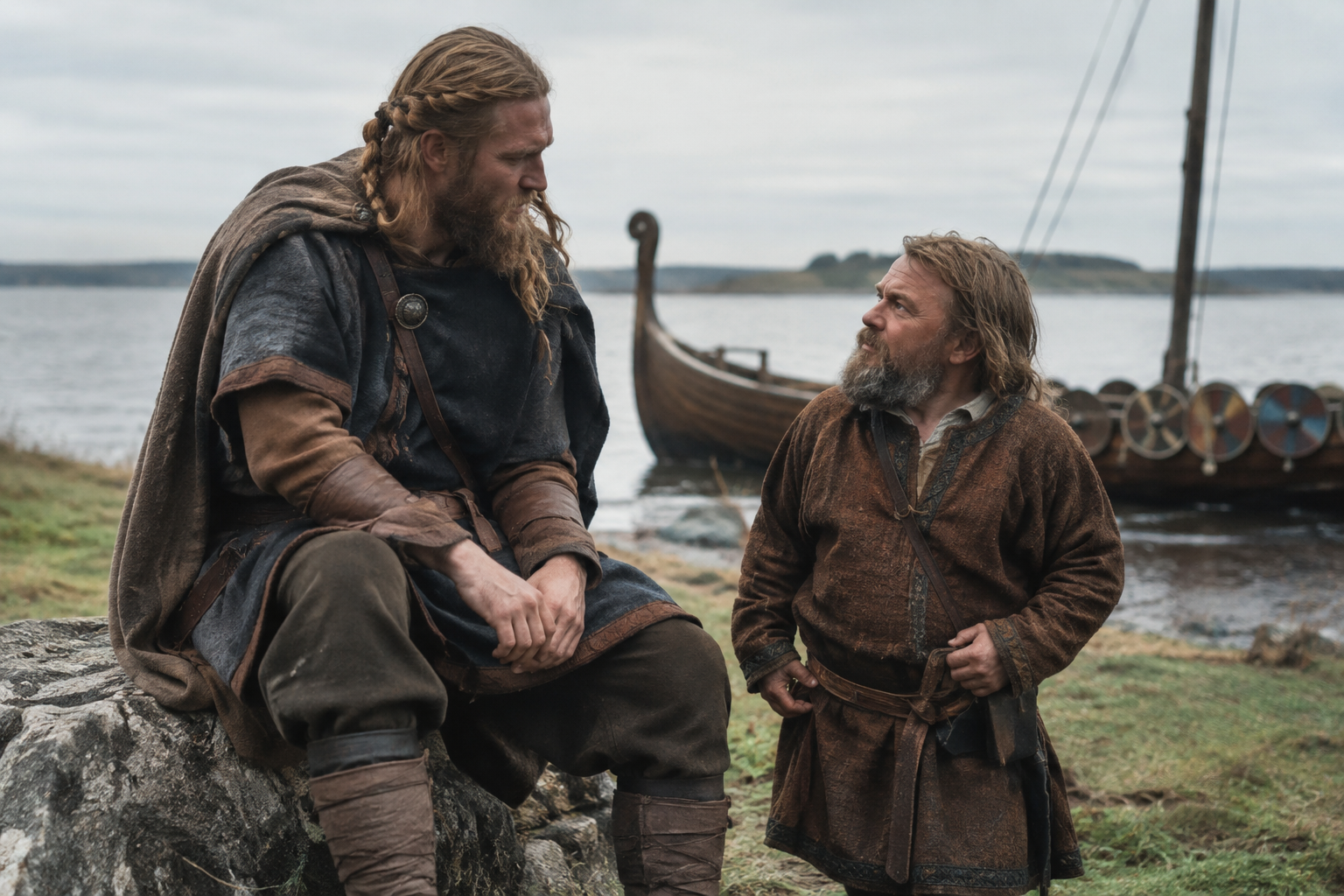
At first glance, VK342 looks almost frustratingly simple: a Viking Age man from Oland in Sweden, dated to around AD 950. Yet that is exactly why he matters. When a very specific Y-DNA branch such as I2a1b1a2b1a2a1a2a appears in a real excavated individual from late Viking Age Scandinavia, it gives this otherwise forbiddingly technical lineage a human setting: not an abstract code, but a paternal line carried by a man living on a Baltic island at a moment when Scandinavia was deeply tied into trade, raiding, settlement, and political change.
A second sample, VK517, comes from Viking Age Uppsala in Sweden and is dated to around AD 1050. The record labels him as a "Viking Age Dwarf," which is striking, though without further verified excavation detail we should be cautious and not embroider the description. Together, these two Swedish men suggest that the branch associated here with I2a1b1a2b1a2a1a2a was present in more than one setting in late Viking and early post-Viking Scandinavia. That is a modest claim, but a useful one.
Y-DNA follows one narrow line of descent: father to son to grandson. So when we talk about I2a1b1a2b1a2a1a2a, we are talking only about a direct paternal thread, not a person's whole ancestry, language, identity, or social role. Still, such threads can be historically revealing, especially when they recur in excavated individuals from recognisable places and periods.
The important caution here is resolution. The article haplogroup is extremely specific, but ancient assignments are sometimes reported at broader or narrower levels depending on coverage and analysis. With the information available here, the safest statement is that VK342 and VK517 are reported in association with this branch, within a Scandinavian Viking Age context. That is enough to make the lineage archaeologically interesting, even if it does not license grand claims about a single tribe, dynasty, or migration route.
A broad ancient DNA study of Viking Age populations, available at https://www.biorxiv.org/content/10.1101/703405v1, helped establish just how varied Scandinavian populations could be in this period. That wider context matters: a Y-line found in Viking Age Sweden belongs to a world of local continuity, regional mobility, and overseas contact all at once.
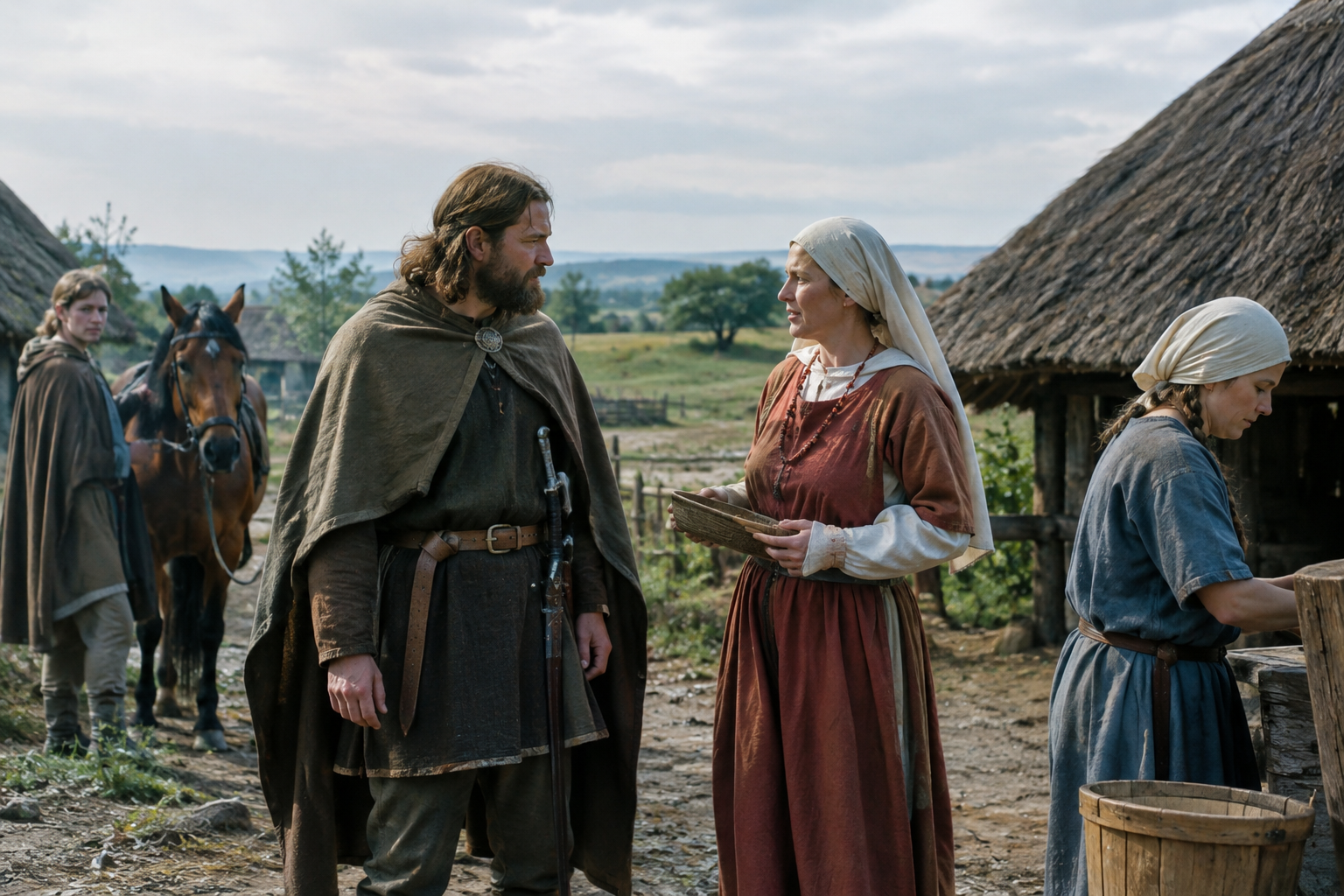
Oland was no remote backwater. Sitting off Sweden's southeast coast, the island occupied a useful position in the Baltic, within reach of trade routes, political networks, and maritime movement. By around AD 950, the Viking Age was already old enough to have its own traditions, but still dynamic enough that islands like Oland could connect local farming communities with wider Scandinavian and Baltic worlds.
That makes VK342 valuable beyond the bare sample label. He anchors this paternal line in a place that was both Scandinavian and outward-looking. One recurring mistake in popular discussions of haplogroups is to imagine that a lineage found in a Viking Age context must therefore be a "Viking haplogroup" in some simple ethnic sense. Archaeology is less tidy than that. What VK342 really shows is that this paternal branch formed part of the male population present on Oland in the late 10th century.
If your own paternal line falls on this branch, that does not mean your direct male ancestor was a raider with a ship and a saga. It does mean, more soberly and more interestingly, that this lineage is documented in the Scandinavian Baltic during the high Viking Age. That is firmer ground.
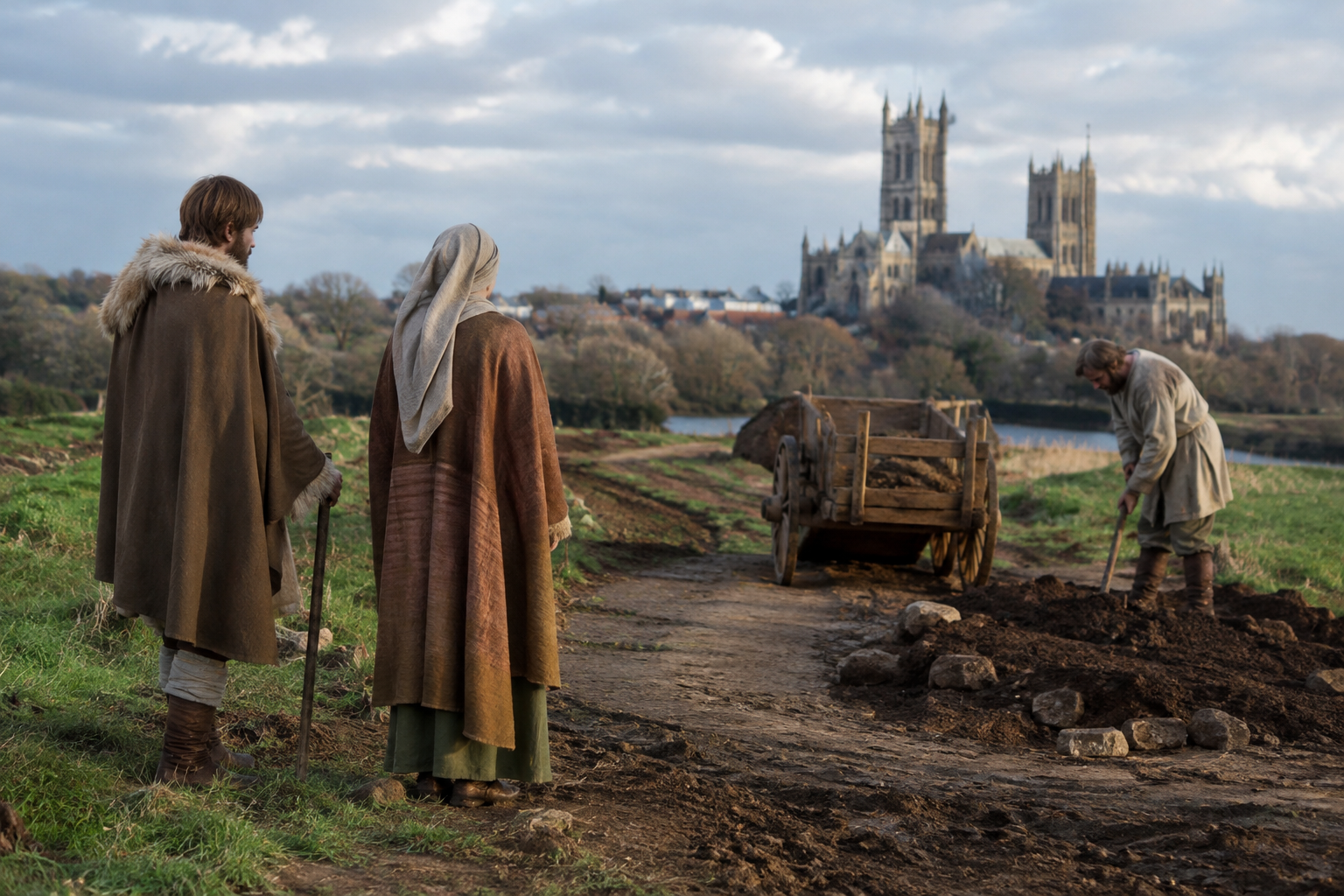
The second individual, VK517, comes from Uppsala around AD 1050, right at the edge of the Viking Age and the onset of a more thoroughly Christian medieval Scandinavia. Uppsala is one of those places where archaeology and later history constantly rub against one another. It was a major centre in eastern Sweden, loaded with political and religious importance, and by the 11th century it stood within a landscape being reshaped by kingship, church organisation, and changing burial customs.
The label "Viking Age Dwarf Uppsala Sweden" makes VK517 memorable, but the evidence we have here does not justify further storytelling about his life, health, or burial treatment. Even so, his presence matters because it places the same paternal branch in a very different Swedish setting from VK342: not an island in the Baltic, but one of the great inland nodes of Scandinavian power.
That contrast is perhaps the most revealing feature of this small dataset. One man lived on Oland around AD 950; another was buried in the Uppsala region about a century later. This does not prove close kinship between them, nor does it define the entire branch. But it does suggest that the lineage was not confined to one tiny locality. It was present across at least two meaningful parts of Sweden during an era of transformation.
Two samples are not a dynasty and not a population survey. But in ancient DNA, even a pair of securely placed finds can do real work. They show that the branch was not merely theoretical or only modern; it existed in excavated Scandinavian men from the end of the Viking Age. For descendants tracing a paternal line, that sort of anchor is often far more meaningful than sweeping frequency maps or romantic origin myths.
There is also a broader historical point here. Viking Age Scandinavia was not genetically uniform, and Sweden in particular sat at the crossroads of Baltic exchange. Eastern routes connected Scandinavians with Finland, the eastern Baltic, river systems leading toward the Black Sea, and lands far beyond. A lineage appearing in late Viking Sweden may represent local survival, regional movement, or older layers of ancestry already well established in Scandinavia long before the 10th century. With just these two men, we cannot choose confidently among those possibilities.
What we can say is that the branch belongs in the archaeological record of late Viking Sweden, and that is enough to place it inside one of medieval Europe's most connected northern zones. That sits well beside other research on the wider region, including work on early medieval Finland and Baltic connections, which helps show how entangled these northern societies could be even when their burial grounds look local.
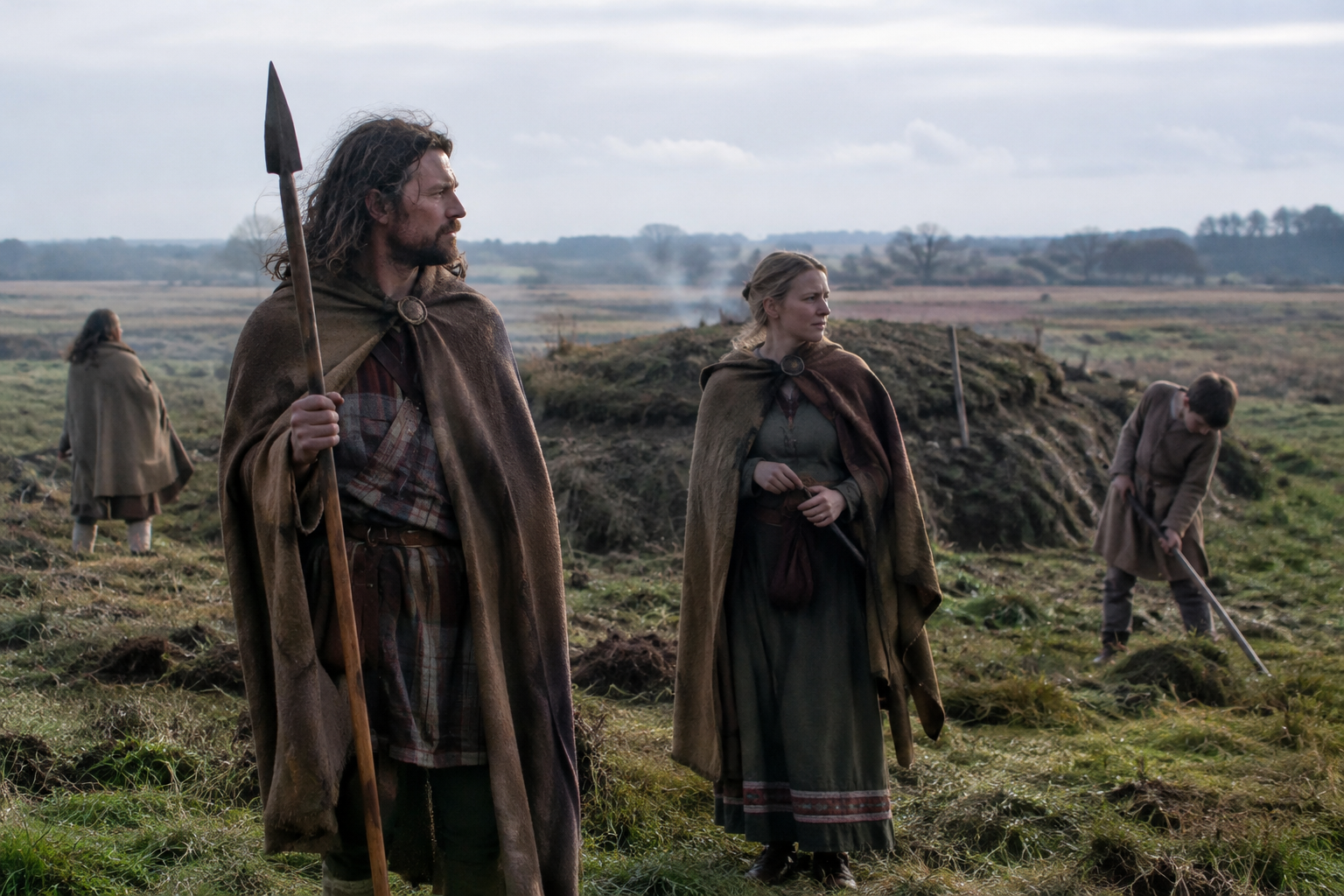
There is a great temptation, especially with Scandinavian material, to leap from a Y-DNA label to a heroic identity. Better not. Haplogroup I2a1b1a2b1a2a1a2a is best understood here through two men who lived in real places: VK342 on Oland around AD 950 and VK517 in Uppsala around AD 1050. They tell us that this paternal line was present in Sweden at the end of the Viking Age, across both Baltic and inland settings.
For someone exploring this haplogroup today, that is the distinctive insight: your direct paternal line has an attested footing in late Viking Age Sweden. Not a saga pedigree, not a guaranteed royal descent, but something better grounded in archaeology - actual ancient individuals, in actual historical landscapes, carrying the same narrow paternal thread forward through time.
Comments