Haplogroup I2a1a1b1b

– 5 min read


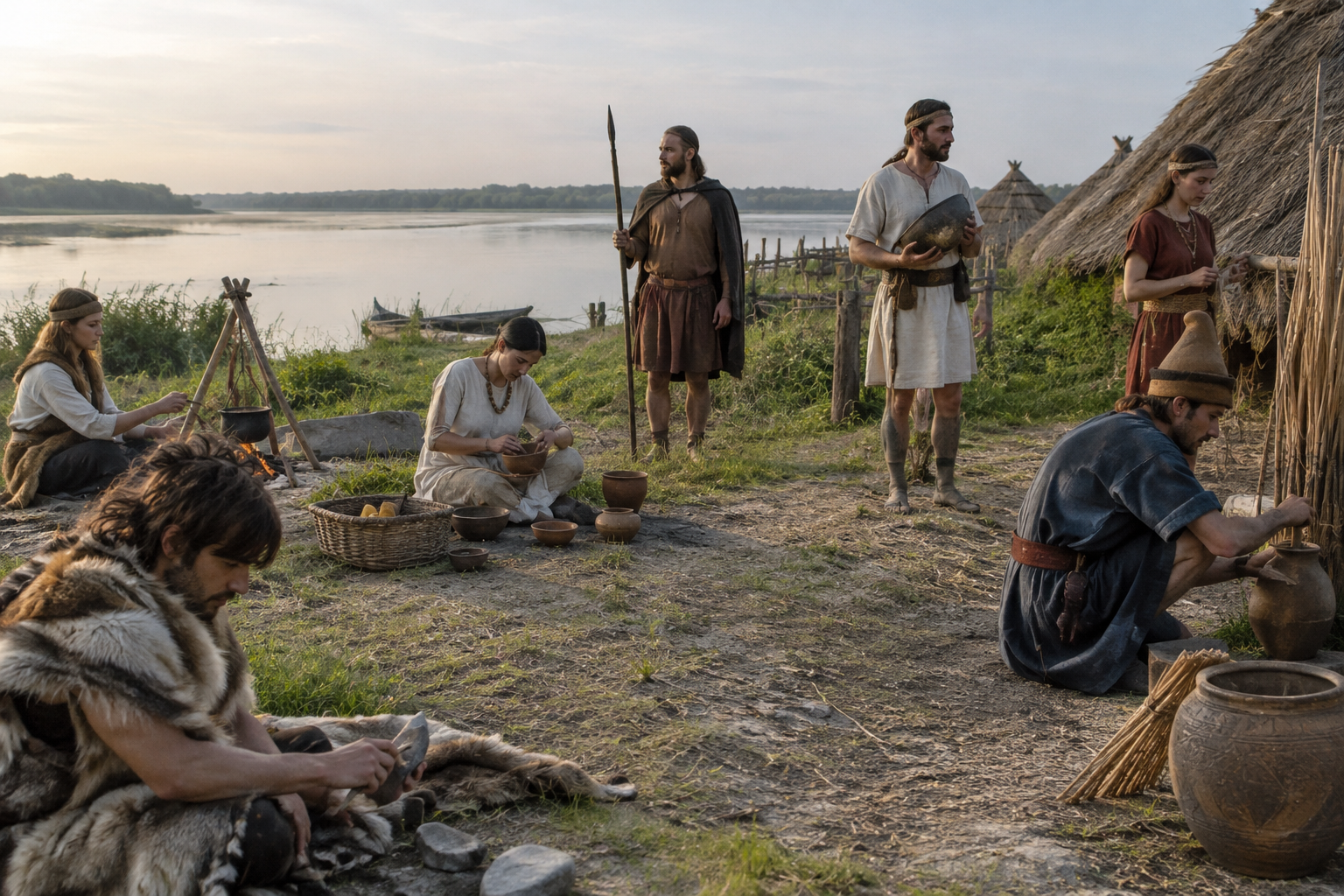
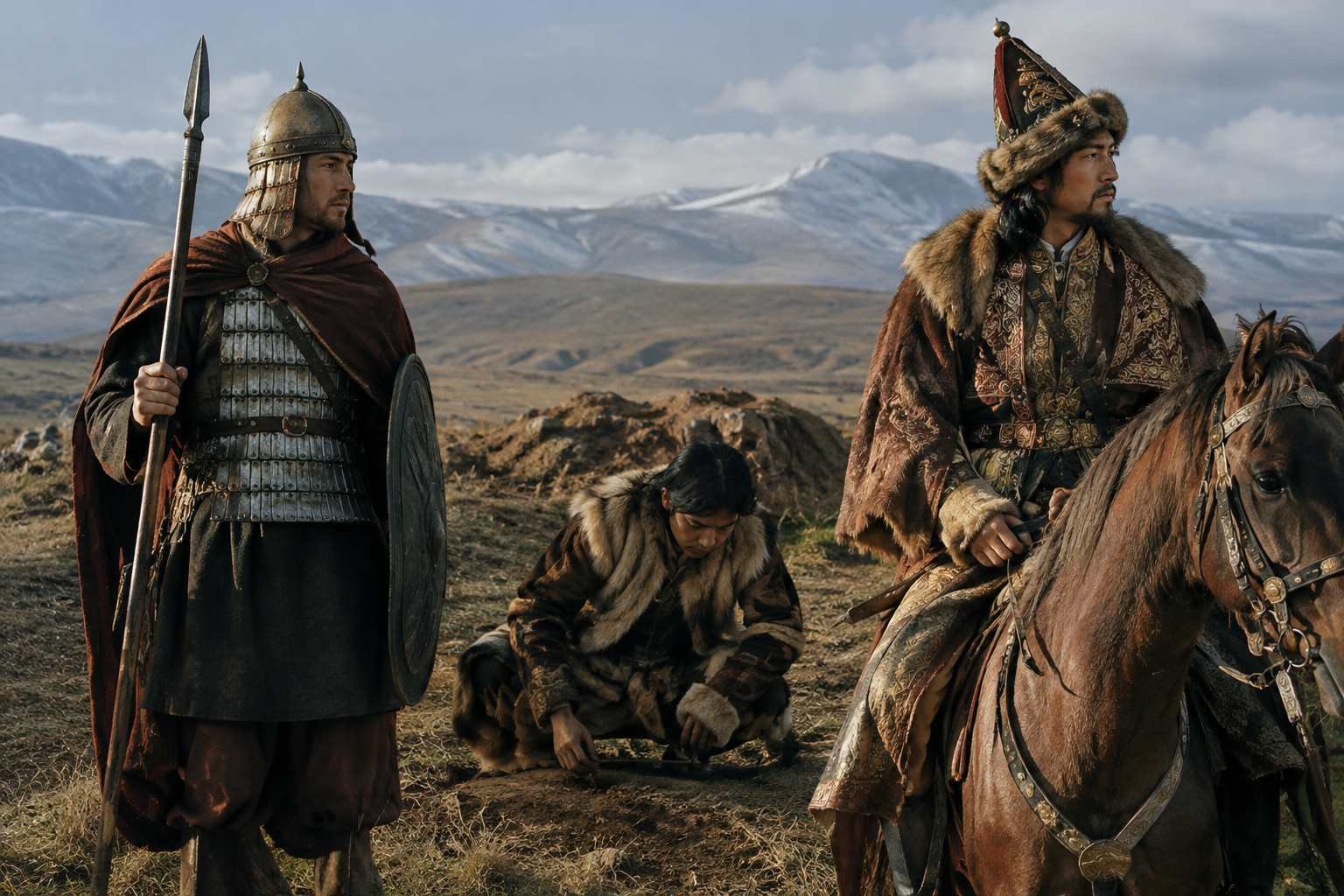
At Zvejnieki in Latvia, one Mesolithic man known as I4440, dated to around 5124 BC, places haplogroup I2a1a1b1b in a very old and very northern archaeological setting. Zvejnieki is one of those sites that keeps turning up in discussions of Europe's deep past because it captures communities living long before states, cities, or written history, yet now speaking to us through ancient DNA. In this case, the paternal line associated with I2a1a1b1b appears in a world of hunter-gatherers on the eastern Baltic frontier.
That matters because this is not a haplogroup that first appears in a single neat "origin story". Instead, the ancient individuals linked here place it across a wide span of prehistory: Mesolithic Latvia, Neolithic Hungary, and later Copper Age and central European contexts. Y-DNA traces one direct paternal line only, not a person's whole ancestry, but even that one line can show surprising continuity as landscapes, economies, and archaeological cultures changed around it.
The sample I4440 comes from Zvejnieki, a famous Latvian site used over long periods by prehistoric communities. Its significance here is simple but important: it ties the broader paternal background of this branch to a pre-farming northern European world. That does not mean every later carrier of I2a1a1b1b came directly from the Baltic, nor that one burial can stand for an entire population. But it does show that this paternal lineage belonged to the old human landscape of post-Ice Age Europe.
A major ancient DNA study of European prehistory, published in Nature, helped establish just how complex that landscape was, especially in the Baltic where forager ancestry persisted strongly for a long time. For a haplogroup like I2a1a1b1b, that wider context is crucial: its early story sits among long-established European hunter-gatherer populations rather than emerging suddenly with later Bronze Age elites or historically named peoples.
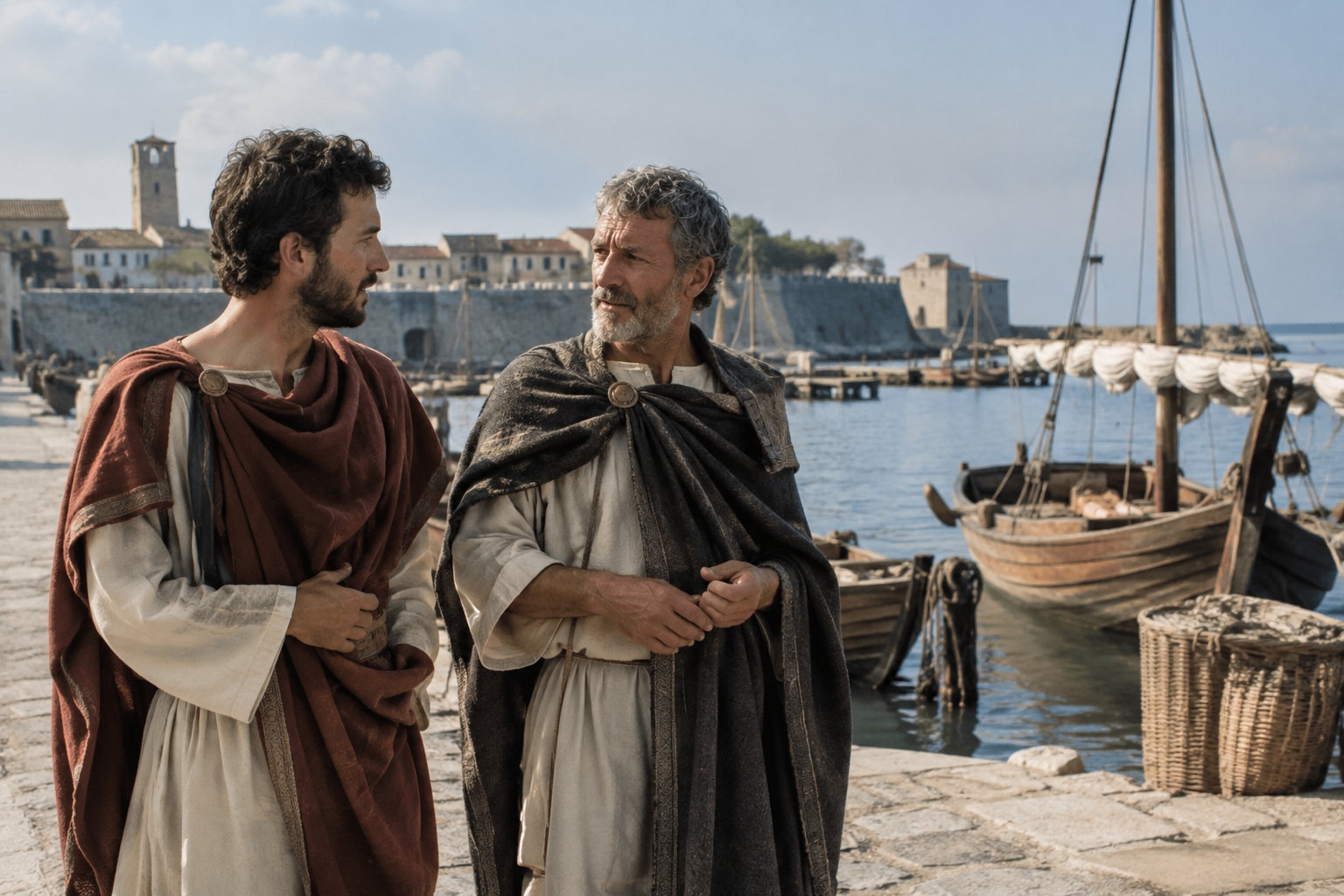
Two of the most interesting linked individuals come from Neolithic Hungary: I1495 from Lengyel Apc-Berekalya 1, dated around 4417 BC, and I7042x from Middle Neolithic Szigetszentmiklos Udulosor, dated around 4136 BC. These are not minor details in a catalogue. Together they show that a paternal line associated with I2a1a1b1b was present in the Carpathian Basin during the long Neolithic era, when farming communities were reshaping much of Europe.
This is where archaeology becomes especially useful. The Neolithic was not a single event but a drawn-out encounter between incoming farming lifeways and local forager populations. In many regions, male-line diversity shows that older European lineages persisted, mixed, and in some places flourished within farming societies. So when we see I2a1a1b1b-associated samples in Hungarian Neolithic contexts, the interest lies not in a crude claim of "farmers" or "hunter-gatherers", but in the fact that the paternal record preserves continuity through cultural change.
The Carpathian Basin is one of Europe's great prehistoric crossroads. People, crops, technologies, and ideas moved through it repeatedly. A genetic study with broad prehistoric sampling in this region, available through Harvard Dataverse, has contributed to that larger picture by making clear that the fifth and fourth millennia BC were not genetically static. The presence of this branch in Neolithic Hungary fits that wider pattern of interaction rather than isolation.
5th Millennium Carpathian Basin
One detail stands out immediately in this sample set: Szigetszentmiklos appears twice. The earlier sample is I7042x from Middle Neolithic Szigetszentmiklos Udulosor, while the later one is I7042, dated around 2350 BC and described as Copper Age Szigetszentmiklos, Hungary. The naming strongly suggests related site geography, though they belong to very different periods and should not be collapsed into one burial or one individual.
Still, the repetition is telling. It places this paternal branch, or an associated assignment to it, in the same broad local landscape across a very long prehistoric interval. By the Copper Age, the world had changed markedly: metallurgy had appeared, social distinctions were becoming sharper in some regions, and mobility networks were wider. Yet the paternal record still includes lineages with deeper European roots. That is precisely the sort of pattern ancient DNA keeps revealing: continuity at one level, transformation at another.
It would be careless to turn this into a family saga across two millennia. The evidence does not support that. But it is entirely reasonable to say that the Szigetszentmiklos area helps illustrate how enduring some male lines could be in central Europe even as archaeological periods and social worlds shifted dramatically.
The sample I6696, listed as Czech Bilina_N_Baalberge CWC and dated around 3600 BC, adds another dimension. Whatever the exact local classification issues behind that label, the important point is that this is a central European context beyond Hungary, and one tied to a region where Neolithic and later prehistoric cultural boundaries were anything but tidy. Bohemia was a meeting zone, not a sealed container.
That makes I6696 useful for this article because it shows the branch in a broader central European frame. Rather than being confined to one valley or one short-lived community, I2a1a1b1b appears across multiple prehistoric settings linked by movement, contact, and reworking of older populations. Archaeologists have spent a century arguing over whether cultural labels map onto populations in any simple way. Ancient DNA has largely confirmed the sensible answer: sometimes partly, often imperfectly, and never without local complication.
With this sample set, the strongest historical impression is not imperial expansion, not a named dynasty, and not a single famous migration. It is endurance. Haplogroup I2a1a1b1b appears here in a Mesolithic Baltic individual, in Neolithic Hungary, in a later Copper Age Hungarian context, and in prehistoric Czechia. That spread suggests a paternal line participating in some of Europe's deepest demographic layers and surviving into later archaeological worlds shaped by farming and regional interaction.
It is also worth being precise about scale. The article haplogroup is I2a1a1b1b, a narrower branch within the wider I2 family. Ancient reports sometimes vary in how finely a lineage is resolved, so the safest reading is that these individuals are associated with this branch in the available reporting, while the broader lesson comes from the repeated appearance of related I2 paternal lines in prehistoric Europe. The value of the evidence lies less in claiming one perfect uninterrupted chain and more in seeing a recurring male-line presence across different times and places.
Mesolithic-Neolithic Transition
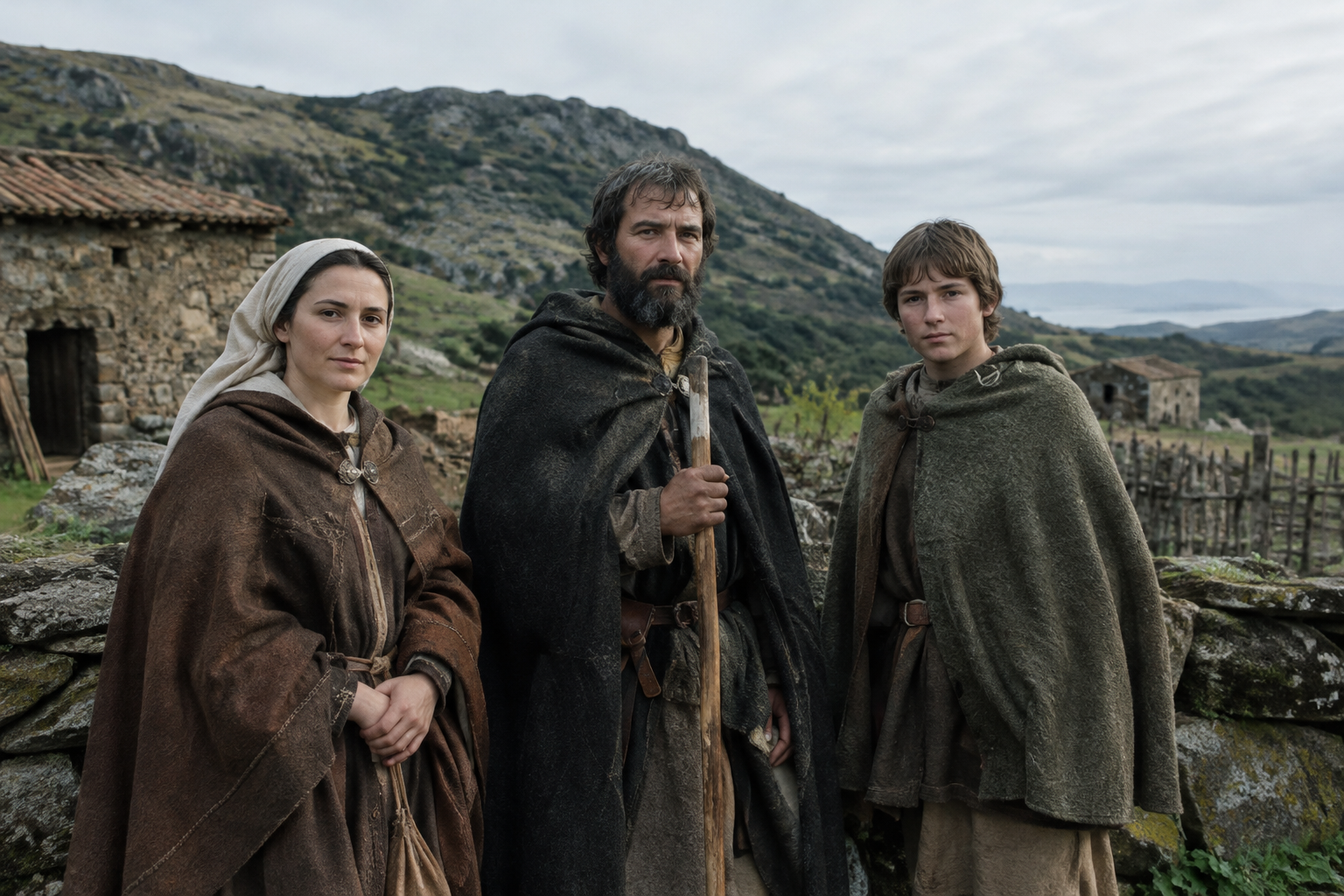
For someone exploring I2a1a1b1b today, these ancient finds point toward a paternal history embedded in Europe's prehistoric foundation layers, especially among populations living through the transition from foraging to farming and beyond. The most distinctive feature of this branch, in the evidence here, is not glamour but longevity: it appears in very old northern forager contexts and remains visible in later central European societies. That is a sober but rather striking inheritance to carry on the Y chromosome.
Comments