Haplogroup J2a1a1a2b2a1a1a

– 5 min read


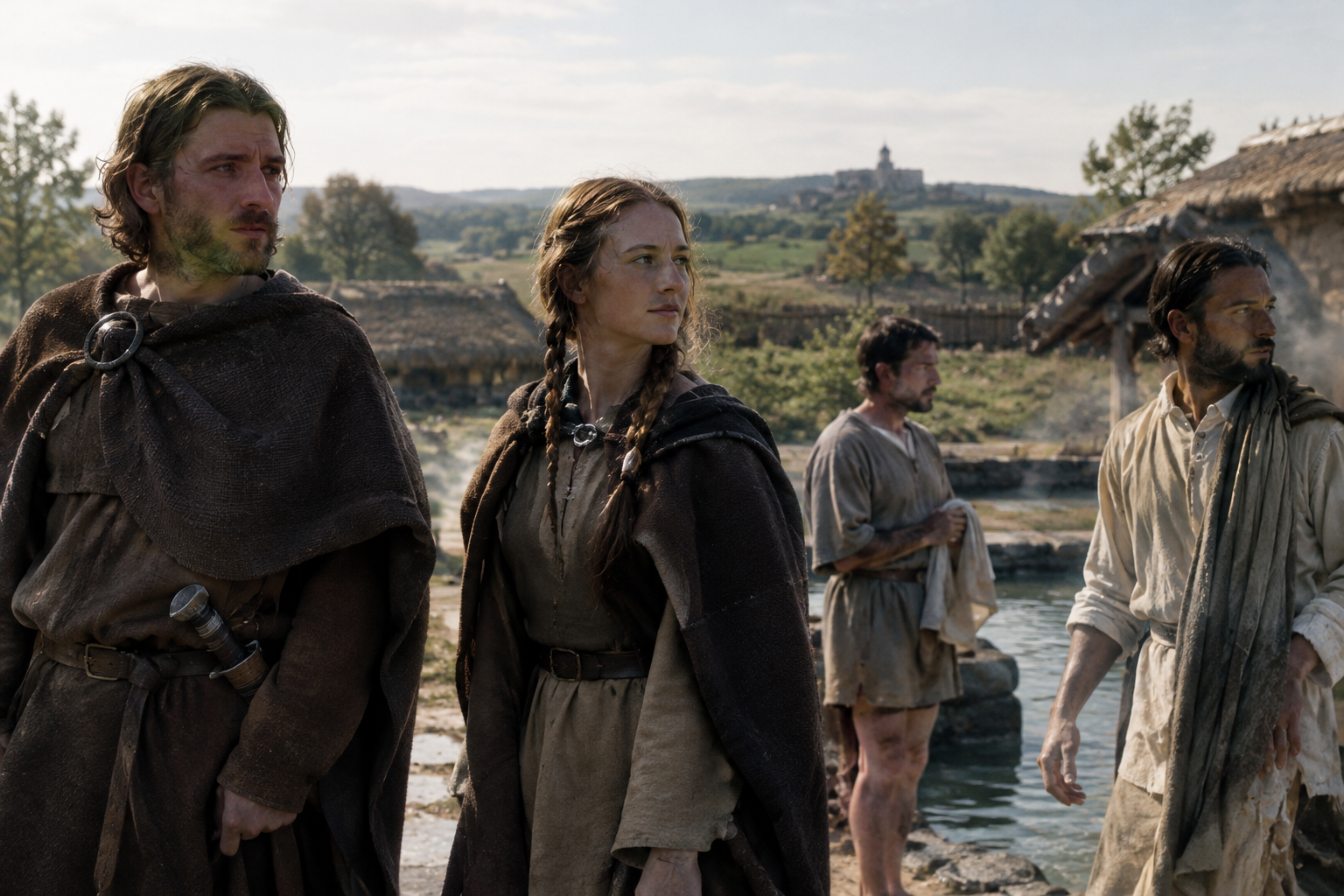
At Aquae Calidae, the hot-spring settlement near today's Burgas on the Black Sea coast of Bulgaria, one Late Roman man stands out in a very modern way. Sample I41194, dated to around AD 350, is associated here with the Y-DNA haplogroup J2a1a1a2b2a1a1a. That is a very narrow paternal label, but the real historical interest lies in where this branch appears: not in one neat homeland story, but across a chain of late Roman and early medieval settings stretching from the Balkans into central Europe and on to England.
This is exactly the sort of case where ancient DNA becomes most interesting. Y-DNA tracks one direct male line only, not a person's whole ancestry or identity, yet even a single paternal thread can reveal how connected the world of late antiquity and the early Middle Ages really was. For J2 more broadly, archaeologists and geneticists often encounter a lineage associated with the eastern Mediterranean, Anatolia, the Caucasus, and adjoining regions. But this article's much narrower branch, J2a1a1a2b2a1a1a, should be handled more carefully: the evidence here is not about grand origins so much as documented appearances in three different historical worlds.
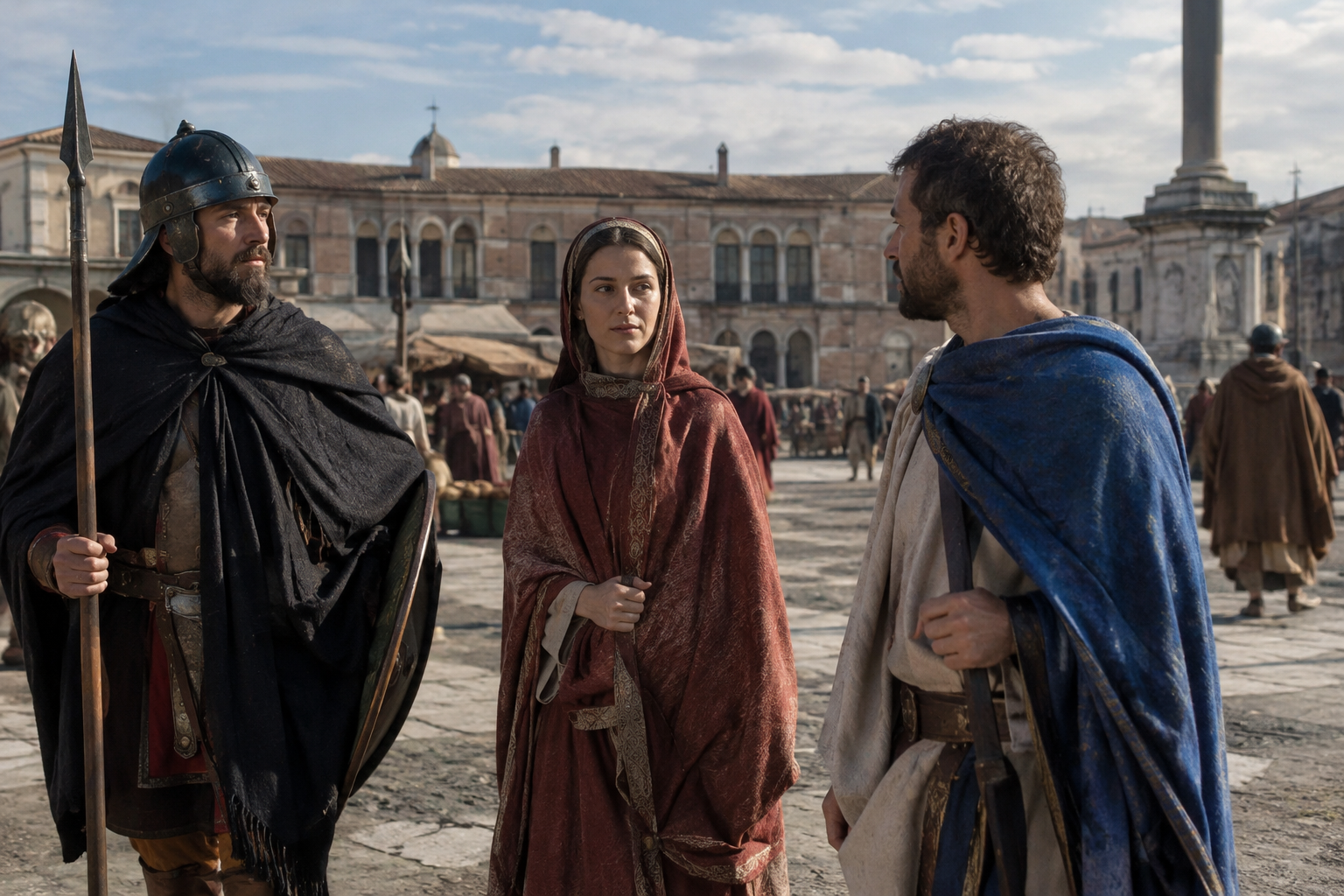
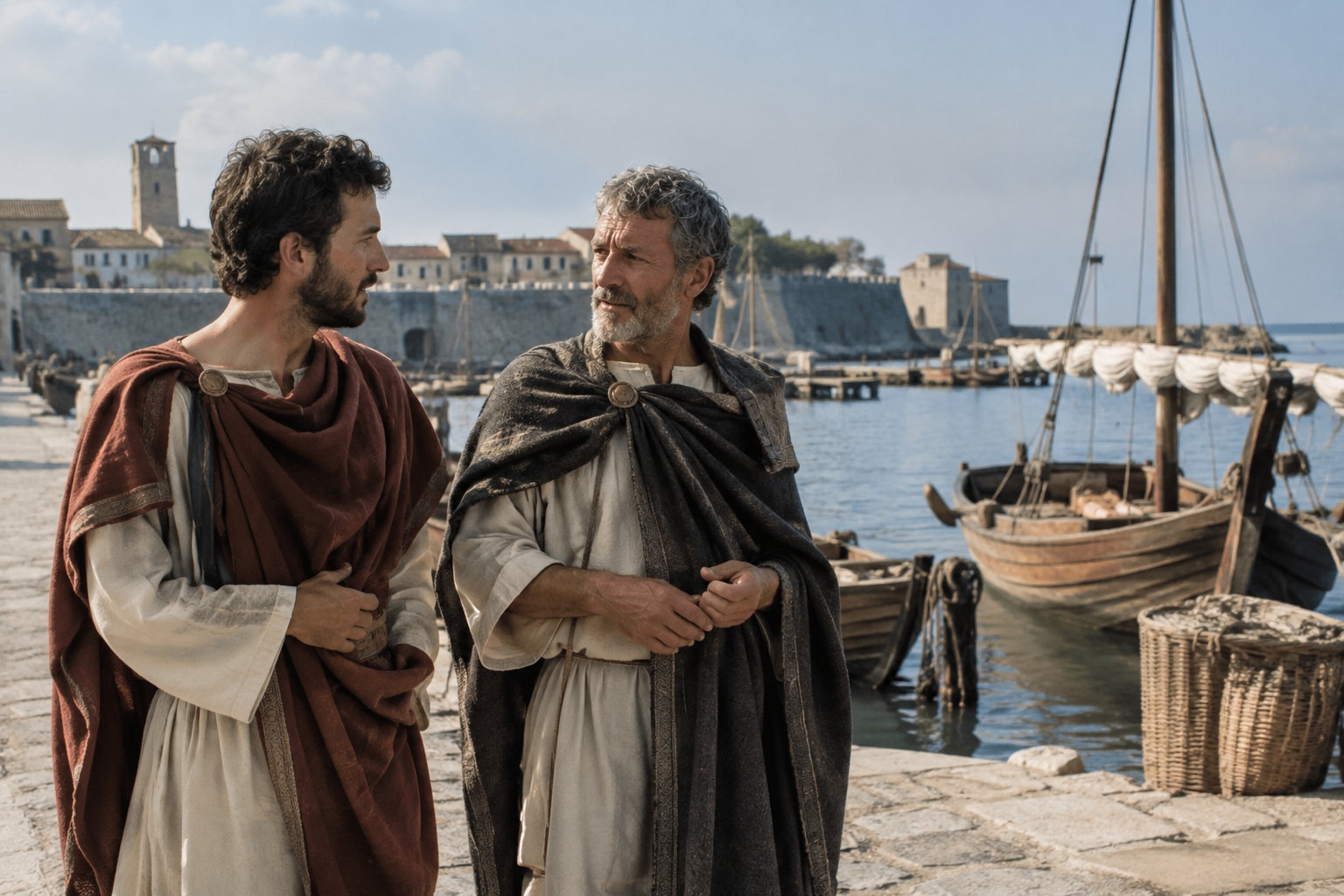
Aquae Calidae was no backwater. Thermal sites in the Roman world were often tied to roads, garrisons, trade, and movement, and the Black Sea littoral was one of the empire's great contact zones. Sample I41194, from around AD 350, belongs to that world of provincial Roman life at a moment when imperial frontiers were under pressure but long-distance connections still functioned.
What makes this sample especially useful is not that it proves a single migration route, but that it places this paternal line in a Late Roman Balkan context. The coastal zone of Bulgaria sat between imperial administration, maritime exchange, and the movements of peoples conventionally labelled Roman, Gothic, Thracian, or simply local. Ancient DNA keeps reminding us that these labels do not map neatly onto male-line descent. A man carrying a J2-derived lineage in this setting need not be a recent arrival from anywhere in particular; he may represent generations of older eastern Mediterranean or Balkan-connected ancestry already woven into Roman provincial society.
That wider picture is very much in keeping with recent archaeogenetic work on the region, including discussion around Late Antique Bulgaria and mixed community formation, as explored in MyTrueAncestry's piece on diverse origins in a 7th-century burial community and, more directly for the Balkans, mixed origins of Gothic communities in Late Antique Bulgaria.
The next appearance comes from CSK012, dated to about AD 650 at Csokorgasse in the Vienna Basin of Austria. This is a wonderfully strategic place to find such a lineage. The Vienna Basin was a corridor: a zone between the Danube frontier's Roman inheritance and the reshaped political geography of the early medieval world, with Slavic, Avar, Bavarian, and other populations moving through or settling in the region at different times.
Here again, the point is not to force an ethnic label onto one man. A paternal branch like J2a1a1a2b2a1a1a appearing in early medieval Austria may reflect the survival of older Roman-period lineages, movement from southeastern Europe, ties through military or mercantile networks, or admixture within post-Roman frontier societies. The value of the sample is that it shows this branch living on in a central European landscape that was anything but isolated.
Austrian archaeogenetics has increasingly shown that the Danube zone was a place of continuity as well as upheaval. Even where political regimes changed, people and families did not simply vanish and reappear as cleanly separated groups. Research connected to Austrian ancient DNA, including work hosted through the Natural History Museum Vienna, has helped frame that longer regional background without turning every individual burial into a migration tale.
For readers interested in how mobility and kin networks show up in Austrian ancient DNA more broadly, there is a useful comparison in this MyTrueAncestry article on Lower Austria:
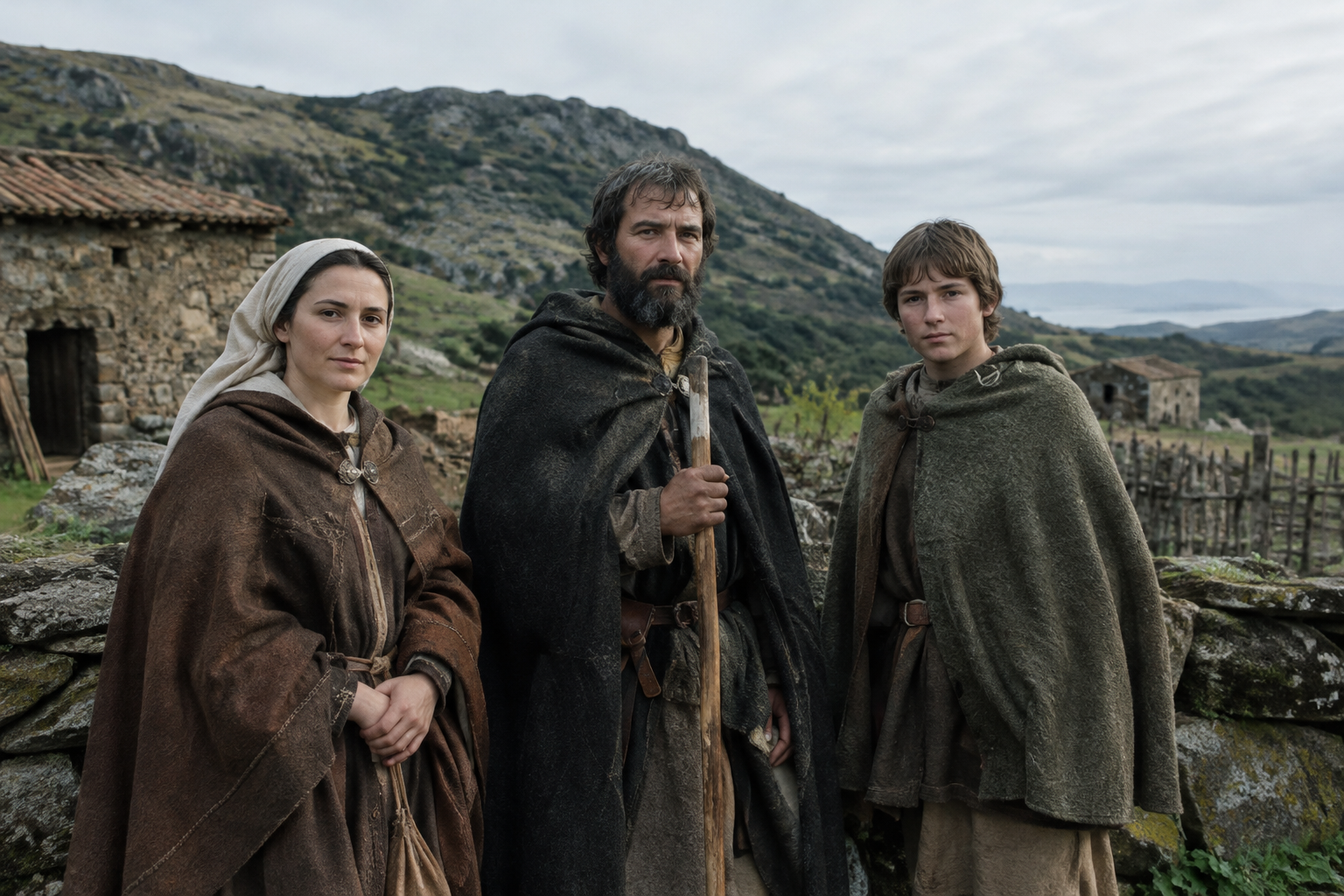
The third sample, BMN026, comes from Barnham Market, Norfolk, dated to around AD 600 and described as Anglo-Saxon Early Medieval England. On first glance, that may seem the most surprising setting of all. Yet early medieval England was never genetically or culturally uniform. Archaeology has already shown a patchwork of communities with varied continental inputs, local British ancestry, and occasional longer-range connections that do not fit old textbook stereotypes.
A paternal line such as J2a1a1a2b2a1a1a in Norfolk should not be read as "therefore this person was foreign" in any simple sense. By AD 600, lineages could have moved through the Roman army, trade, marriage, servitude, patronage, or migration over several earlier centuries. Some may have arrived in Britain under Rome; others may have entered through post-Roman North Sea links. What BMN026 demonstrates is that an early medieval English burial ground could include male lines outside the northern European types people often assume must dominate an Anglo-Saxon setting.
This fits a broader pattern emerging from ancient DNA studies of Britain: migration mattered, but so did mixture, local survival, and social complexity. A recent ancient DNA study on early medieval English populations is associated with the project record here, and it belongs to the growing body of work showing just how diverse post-Roman Britain could be.
MyTrueAncestry has covered that wider picture in several directions, including Roman and early medieval population history in Britain:
Roman and Early Medieval Britain
It is tempting to turn three points on a map into a dramatic arrow of migration. Better not. What the evidence securely gives us is a chronological and geographic pattern: I41194 in Late Roman Bulgaria, BMN026 in early medieval Norfolk, and CSK012 in early medieval Austria. All are associated here with the same very specific paternal branch, J2a1a1a2b2a1a1a.
That pattern matters because it sits in zones where historians already expect movement: the Roman Balkans, the Danubian frontier, and the North Sea world after Rome. Rather than pointing to one tribe or one people's march, this branch seems to surface in places where empires, frontier societies, and mobile communities overlapped. If you carry this haplogroup today, the ancient evidence currently looks less like a single heroic origin story and more like a record of men whose paternal line moved through connected, cosmopolitan worlds.
There is also a useful methodological point here. The broad haplogroup J2 has deep associations across the Mediterranean and Near East, but these ancient finds do not by themselves define the birthplace or full history of the much narrower subclade J2a1a1a2b2a1a1a. What they do provide is firmer ground than guesswork: documented appearances in Late Roman and early medieval Europe, in contexts where eastern, Balkan, Roman, and local ancestries could meet.
For a wider Roman-era comparison beyond the Balkans and Britain, this related article is worth a look:
The distinctive feature of J2a1a1a2b2a1a1a, on present evidence, is not sheer antiquity or elite prestige. It is its appearance in ordinary but historically revealing settings: a Late Roman thermal town on the Black Sea, an early medieval burial in the Vienna Basin, and an Anglo-Saxon-period burial in Norfolk. That is a fine reminder that paternal ancestry often turns up not just in courts and conquests, but in the everyday populations that lived through enormous historical change.
If this is your branch, the safest takeaway is a good one. Your direct male line is compatible with the kind of ancestry that could move through eastern Mediterranean, Balkan, Roman, and post-Roman networks, reaching central Europe and early medieval England by the first millennium AD. As more ancient samples are published, that picture may sharpen. For now, these three men suggest a lineage at home in the connected world between Rome and its successors.
Comments