Haplogroup I2a1a1a1a1a1a2a1a

– 5 min read


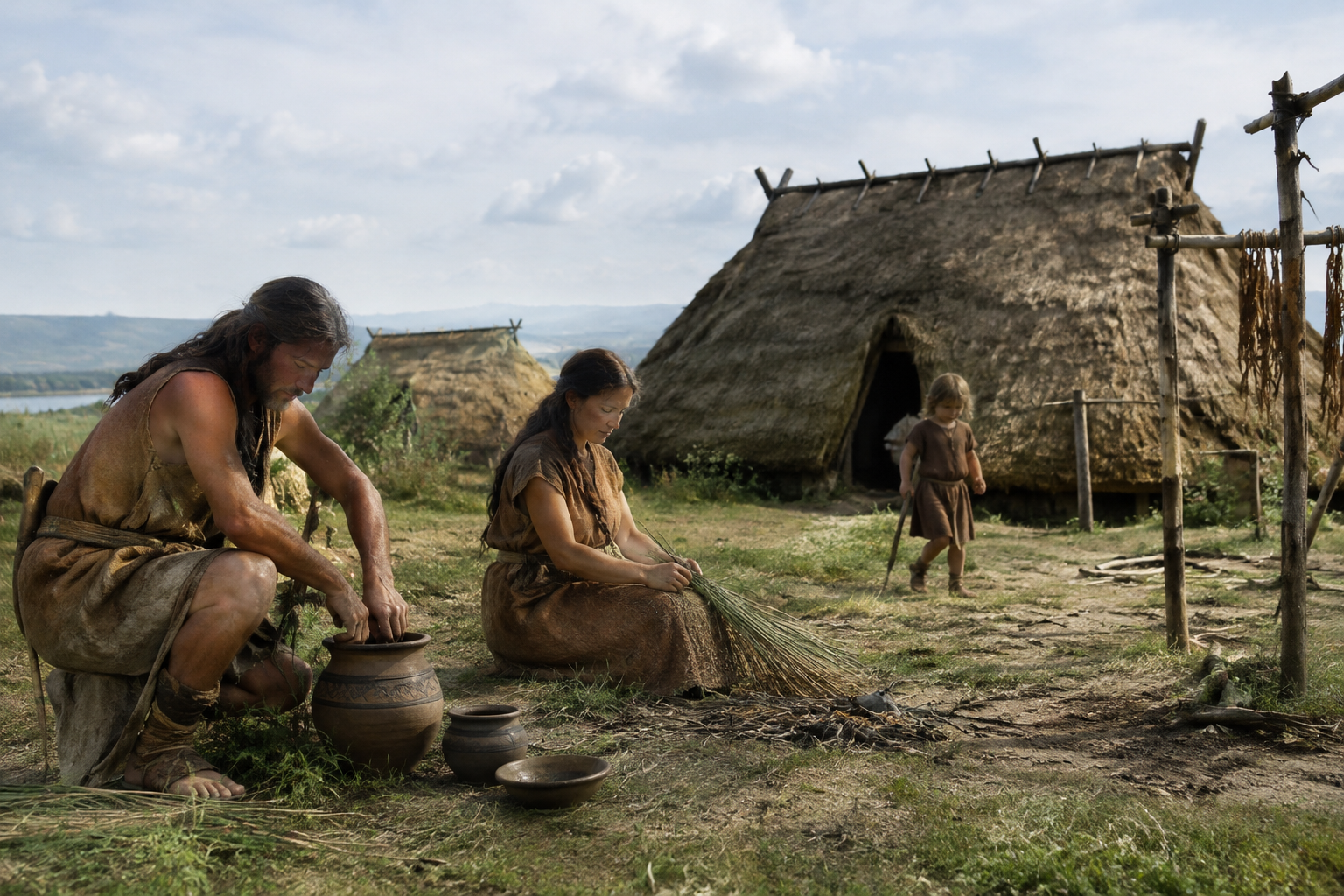
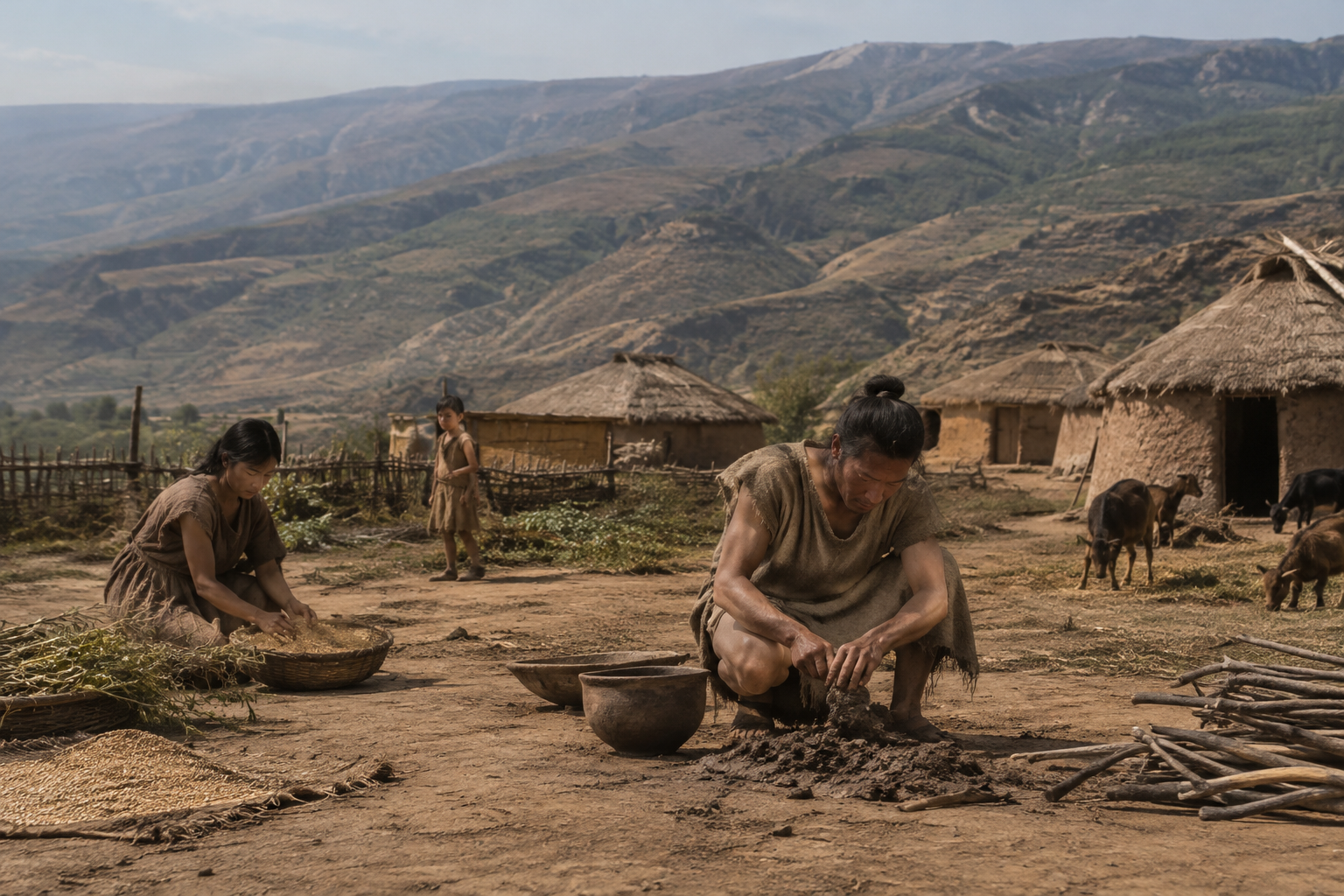
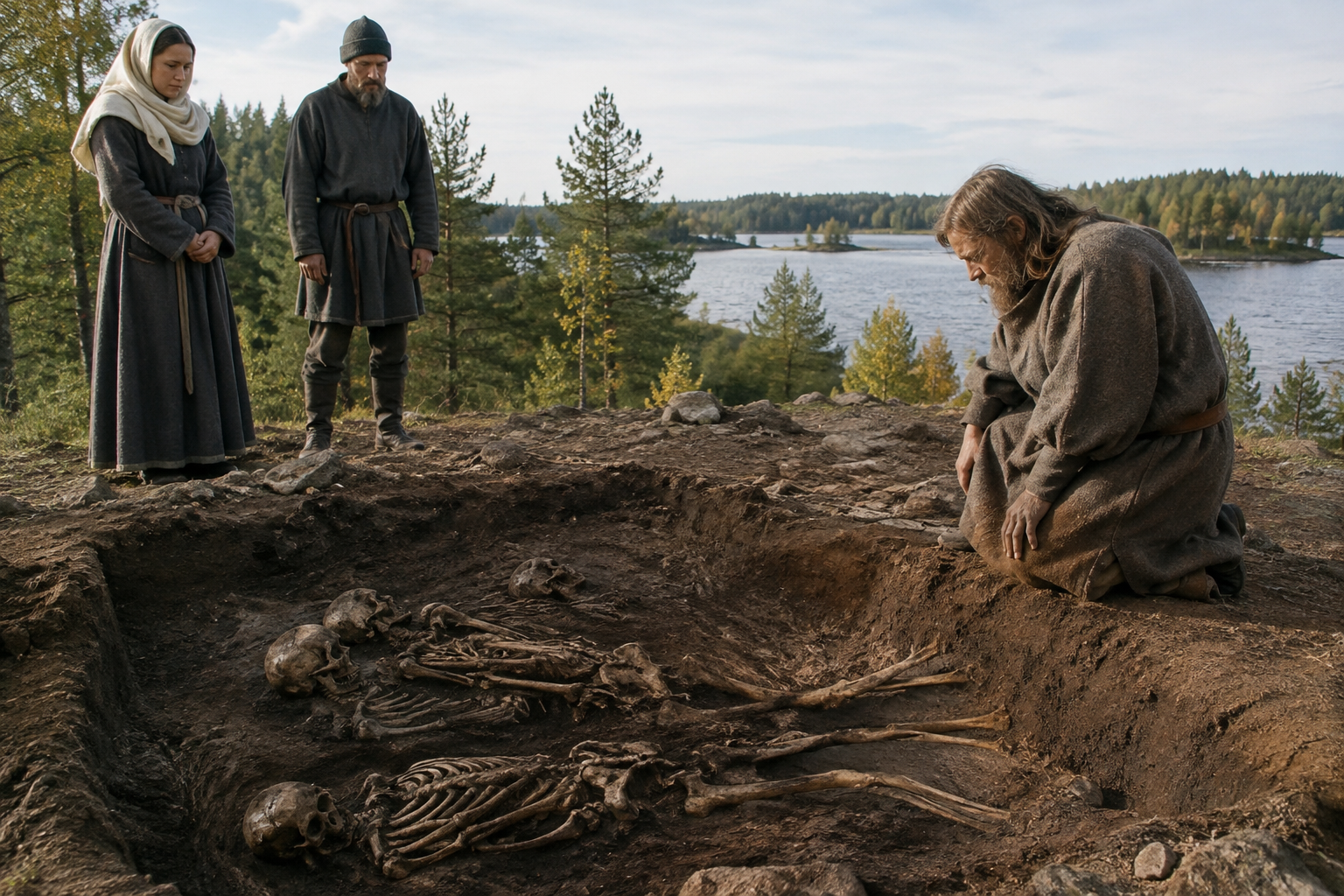
In Bronze Age Transdanubia, western Hungary, one ancient male now known simply as S18 offers a small but telling clue to the long history of a paternal line recorded here as I2a1a1a1a1a1a2a1a. He is dated to around 1800 BC, which places him in a period when the Carpathian Basin was anything but quiet: communities were farming, trading, burying their dead in changing ways, and living through the social reshuffling that came after the great population movements of the earlier Bronze Age.
That makes S18 interesting precisely because he is not a legendary king or a named conqueror. He is an ordinary ancient individual from a region that repeatedly sat at the crossroads of Europe. For anyone exploring this haplogroup today, that matters. Y-DNA follows one direct paternal line only, but when a branch appears in a Bronze Age burial from Transdanubian Hungary, it anchors that line in a real historical landscape rather than in modern map abstractions.
The label I2a1a1a1a1a1a2a1a is a very narrow twig on the much larger Y-DNA haplogroup I tree, one of the old paternal frameworks of Europe. It would be a mistake to load the whole history of haplogroup I, or even all of I2, onto this one sub-branch. A deep subclade like this tells us that by the Bronze Age, some men in the Carpathian Basin carried a paternal line rooted within that broader European family, but it does not by itself define language, ethnicity, social rank, or complete ancestry.
That distinction is especially important in Bronze Age Hungary. People there were often genetically mixed in ways that do not fit neat historical labels. A man's Y-chromosome might preserve one paternal inheritance, while the rest of his genome reflects generations of marriages and movements across neighboring regions.
An ancient DNA study on the region, published in Molecular Biology and Evolution, helps place such individuals into the wider population history of the Carpathian Basin. Even where one sample cannot carry the whole argument, it contributes to the larger pattern of continuity, mixture, and local survival in western Hungary.
Transdanubia is the broad region west of the Danube, facing toward Central Europe and the eastern Alps. Around 1800 BC, this was not a marginal zone. It linked the Hungarian plain to routes running toward Austria, the Balkans, and beyond. Archaeologically, the Middle Bronze Age in this region is known for settlement change, regional cultural diversity, and increasingly complex contacts between communities.
S18 belongs within that unsettled but productive world. The fact that a lineage associated here with I2a1a1a1a1a1a2a1a appears in Bronze Age Transdanubia suggests that older European paternal lines remained part of the human landscape even after the major transformations of the third and early second millennia BC. In other words, the Bronze Age was not a clean replacement story. Some paternal lines endured locally, even as populations changed.
This is one of the quiet lessons of archaeogenetics. Grand narratives often focus on dramatic expansions, but cemeteries and genomes keep reminding us that local men, local families, and local continuities still mattered.
Hungary's ancient DNA record has become increasingly important because the Carpathian Basin repeatedly absorbed influences from several directions. Long before the historically documented peoples of late antiquity and the early Middle Ages, Bronze Age communities here were already living in a zone of contact. Material culture changed, exchange networks shifted, and people themselves moved - though not always in simple, one-way waves.
A sample like S18 matters because it sits in that intermediate register between prehistory and personal ancestry. It does not prove that every later carrier of the same branch descends from Bronze Age Hungary specifically. But it does show that this paternal line, or one very close to it, was present in western Hungary by about 1800 BC. That is a valuable chronological foothold.
It also fits a broader picture seen across parts of prehistoric Europe: old hunter-gatherer-associated Y-lineages, especially within haplogroup I2, did not simply vanish when farming spread or when steppe-related ancestry expanded. Some lines were reduced, some shifted geographically, and some survived inside newly mixed Bronze Age populations.
There is a temptation, when only one ancient sample is available for a branch, either to say too much or too little. Too much, and one man becomes the supposed founder of a people. Too little, and the evidence is dismissed altogether. The sensible middle course is better. S18 gives us a real attestation of this paternal branch in a specific place and period: Bronze Age Transdanubian Hungary, around 1800 BC.
That single attestation is enough to make several careful observations. First, the lineage was present in the Carpathian Basin during the Bronze Age. Second, its presence there belongs in a region known for deep population layering rather than ethnic simplicity. Third, anyone carrying this haplogroup today may be looking at a paternal story shaped by long survival within European populations, not merely by one late historic migration.
This is where archaeology improves genealogy. A haplogroup on its own can feel like a code. A haplogroup attached to a place like Bronze Age western Hungary starts to acquire weather, terrain, neighbors, and historical pressure. It becomes part of lived history.
Much popular attention goes to medieval dynasties and conquest-period elites, and understandably so: they leave names, chronicles, and political drama. But the older prehistoric layers are just as important for paternal history. Before the coming of the Magyars, before Roman Pannonia, before Celtic expansion, the lands of western Hungary had already seen millennia of settlement and reshaping.
That deeper perspective makes branches like I2a1a1a1a1a1a2a1a especially interesting. They hint at lines that may have persisted through repeated cultural turnovers. Not unchanged in every respect, of course - people mixed, moved, and adopted new identities - but not erased either. The paternal line seen in S18 belongs to that older European depth.
Readers interested in how later Hungarian populations were also genetically complex may find a useful comparison in this discussion of post-Roman society in the Little Hungarian Plain, where the same broad region appears again in a very different historical setting.
The most responsible reading of I2a1a1a1a1a1a2a1a is not a fantasy of direct descent from one named ancient man, but something more useful: this is a paternal line with a documented presence in Bronze Age Transdanubian Hungary, represented by S18 around 1800 BC. That places the branch in a region where old European lineages survived inside populations shaped by mobility, mixture, and local continuity.
For a modern tester, that is the real value. Your Y-DNA does not summarize all your ancestry, but it can preserve one narrow thread across immense stretches of time. In this case, that thread reaches securely into Bronze Age western Hungary - not a mythic nowhere, but a real crossroads of prehistoric Europe.
Comments