Haplogroup G2a2b2a1a1c1a1a2b1b1
– 5 min read


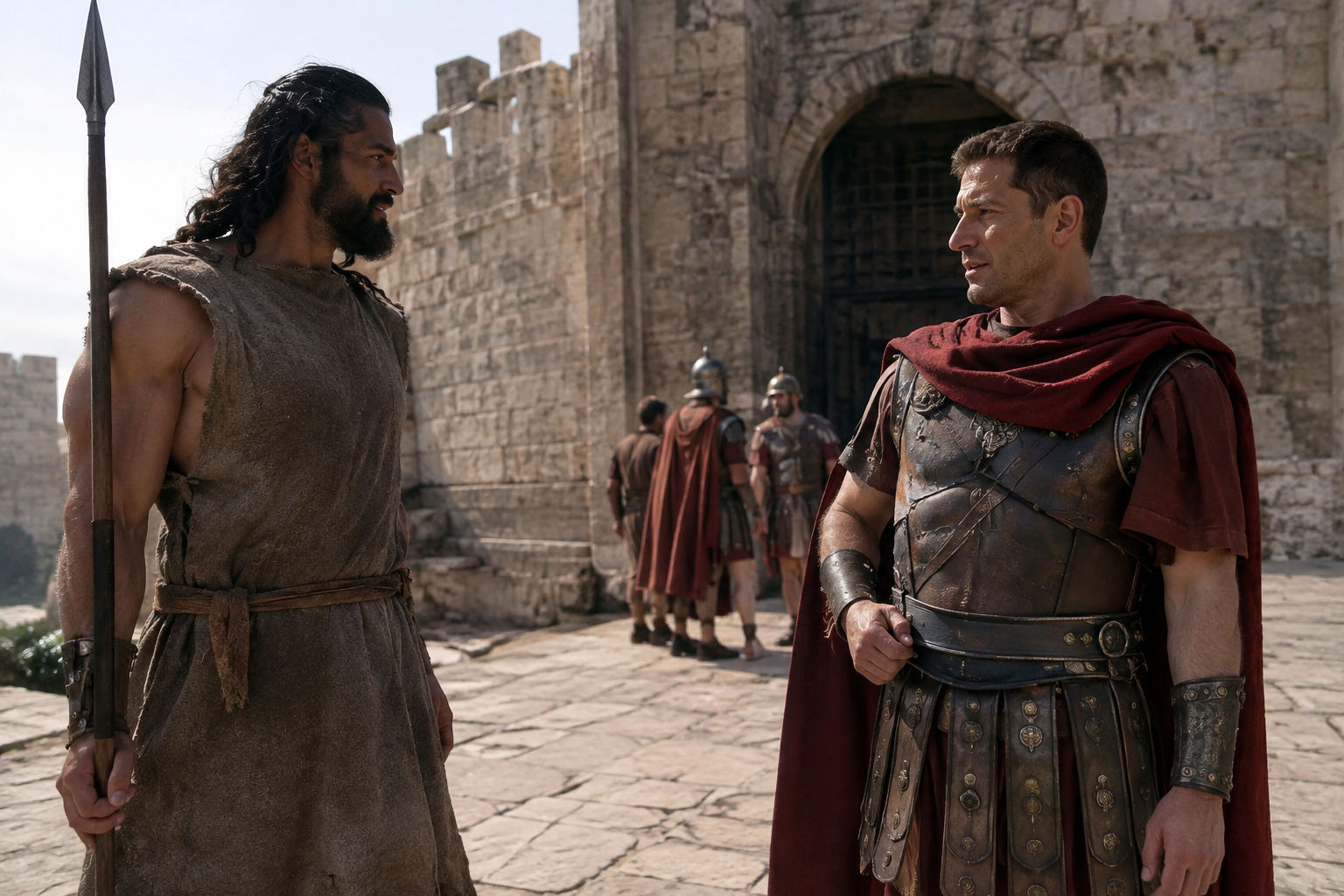
In the third century AD, one man buried in the Roman world carried a paternal lineage with a very long modern label: G2a2b2a1a1c1a1a2b1b1. The ancient individual is recorded here as R132, described as a Philistine Outlier Roman Marcellino and dated to about AD 230. That combination is what makes him interesting. It places a very specific Y-chromosome branch inside a period when the Roman Empire was full of movement, mixing, recruitment, trade, and the stubborn survival of older local ancestry.
This is also a useful reminder of what Y-DNA can and cannot do. It follows one direct paternal line only, not a person's whole ancestry, language, or identity. Even so, when a branch like G2a2b2a1a1c1a1a2b1b1 appears in an ancient Roman-era individual tied to the southern Levantine world, it opens a small but vivid window onto the deep history of male lines in the eastern Mediterranean.
The sample name itself deserves a careful reading. "Philistine Outlier Roman Marcellino" is not the same thing as saying that this man was a Philistine in the old Iron Age sense. By AD 230, the Philistines of the Hebrew Bible were long gone as a distinct political culture. What survives in such labels is usually a signal of comparison, ancestry pattern, site grouping, or regional genetic affinity rather than a simple ethnic badge.
So the sensible historical setting is this: R132 belonged to the Roman imperial world, but his paternal line may have preserved ancestry that fits a broader eastern Mediterranean or Levantine pattern. That is exactly the sort of thing ancient DNA keeps turning up. Empires standardize administration more easily than they standardize family history.
A major ancient DNA study of eastern Mediterranean populations published in Science helped frame this wider picture by showing that populations in and around the southern Levant changed over time but also retained older local components. For a lineage like G2a2b2a1a1c1a1a2b1b1, that matters: the branch sits inside haplogroup G, a much broader paternal family with deep roots in western Eurasia, but the exact subclade here should not be given a grand migration tale unless the evidence supports it.
Rome and Eastern Mediterranean DNA
Haplogroup G has a distinguished prehistoric reputation because branches of G, especially other subclades, appear often among early farmers of Neolithic Europe and the Near East. That broader fact is real enough. But it would be a mistake to collapse that entire history into this one extremely narrow branch and pretend we can draw a straight line from the first farmers to R132 without interruption or change.
What we can say more carefully is that R132's paternal line belongs to a haplogroup family often associated in ancient DNA with populations spread across the Near East, the Caucasus, Anatolia, and parts of Europe. By the Roman period, however, those old lineages had already passed through thousands of years of population turnover, local continuity, conquest, urbanization, and migration. In other words, a Roman-era G-lineage is not a fossil from the Neolithic; it is a living branch that survived into a very mixed imperial society.
That survival is historically important. Roman rule did not erase local male lines. It layered them into new civic and military structures, new cities, and new provincial identities. A man could be thoroughly Roman in date and context while carrying a paternal ancestry much older than Rome itself.
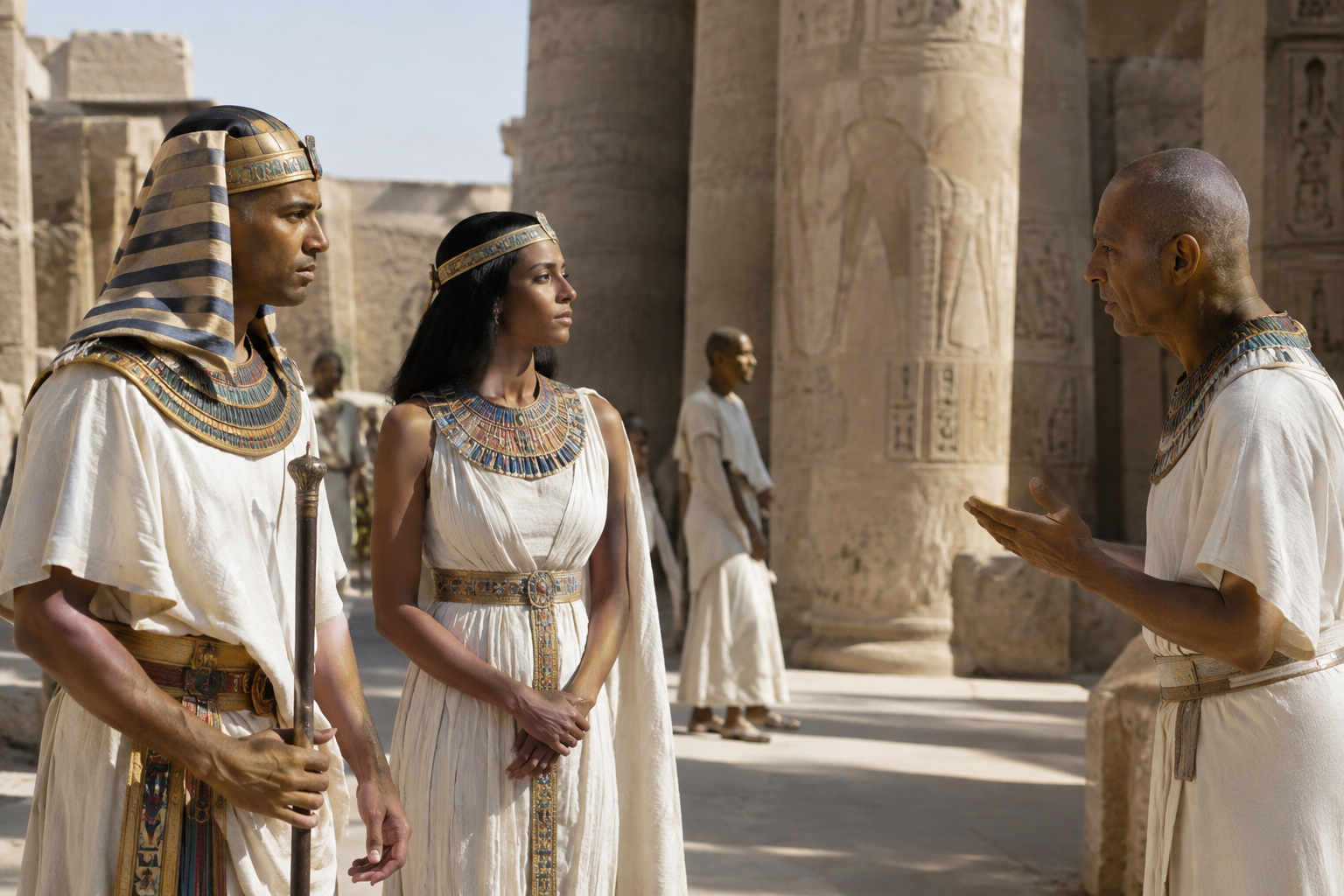
The eastern Mediterranean was never a tidy genetic block. Coastal exchange linked Egypt, the Levant, Cyprus, Anatolia, the Aegean, and Italy for centuries before the Roman Empire, and Rome intensified those contacts rather than inventing them. Soldiers moved. Merchants moved. Enslaved people moved. Families moved. And many people, of course, stayed put while political powers changed above their heads.
That is the right background for understanding why an individual like R132 is so revealing despite the limited record. His lineage does not need an epic migration myth to be interesting. The point is almost the reverse: ancient DNA shows how normal long-term complexity was in this region. Older Near Eastern paternal lines could persist locally, mingle with newcomers, and reappear in Roman cemeteries that might once have been read as culturally uniform.
This makes the sample especially valuable for MyTrueAncestry users with rare or highly specific G branches. A match to a Roman-era individual in the Levantine orbit does not prove descent from one named ancient people, but it does suggest that the paternal line was part of the human landscape of the eastern Mediterranean during the imperial period.
Eastern Mediterranean in Roman DNA
One of the most useful lessons from archaeogenetics is that old ancestry categories often outlive the cultures that first made them visible in texts. The historic Philistines belonged to the Iron Age. The Roman East belonged to a later imperial order. Yet biological ancestry does not reset when an empire changes its tax system or when a language gains prestige.
That is why the "Philistine outlier" wording should be read as a clue to deep background, not as a costume label for an individual in AD 230. In regions with long settlement histories, ancient DNA can detect echoes of earlier population mixtures centuries after the original archaeological culture has disappeared. The southern Levant is particularly rich in this respect because it sat at the crossroads of Africa, Asia, and the Mediterranean sea lanes.
Research on Roman and post-Roman populations elsewhere in the empire has repeatedly shown the same general principle: imperial identities were broad umbrellas sheltering people with very different family histories. The Levant, if anything, was even more entangled than the western provinces.
There is only one ancient individual listed here, which means the article has to stay disciplined. We are not looking at a dynasty, a cemetery-wide male cluster, or a continuous regional time series for this exact subclade. We are looking at one documented Roman-era man, R132, whose paternal line is associated here with G2a2b2a1a1c1a1a2b1b1.
But one sample can still matter when it lands in the right historical setting. R132 tells us that this narrow branch was present in the Roman-era eastern Mediterranean world, and that it appeared in a context where older Levantine-related ancestry remained detectable. That is not everything, but it is not trivial either. Ancient DNA often advances by exactly these stubborn, specific observations.
For descendants exploring this haplogroup today, the value lies in scale. The branch is not merely "Mediterranean" in some vague modern sense. It is anchored, at least once so far, in a Roman-period individual connected to the Levantine sphere. That gives the lineage historical texture: not a legend, but a place, a period, and a man.
Mixed Origins in the Mediterranean
The most distinctive thing about G2a2b2a1a1c1a1a2b1b1, on present evidence, is not sheer quantity of ancient samples but the quality of its setting. Through R132, it appears in the Roman East with a hint of deeper Levantine background surviving beneath imperial-era identities. If this is your paternal branch, the responsible historical takeaway is a connection to the layered human history of the eastern Mediterranean, where very old local lineages could persist into the Roman centuries while societies, languages, and political powers changed around them.

Comments