Haplogroup C1a2a2
– 5 min read


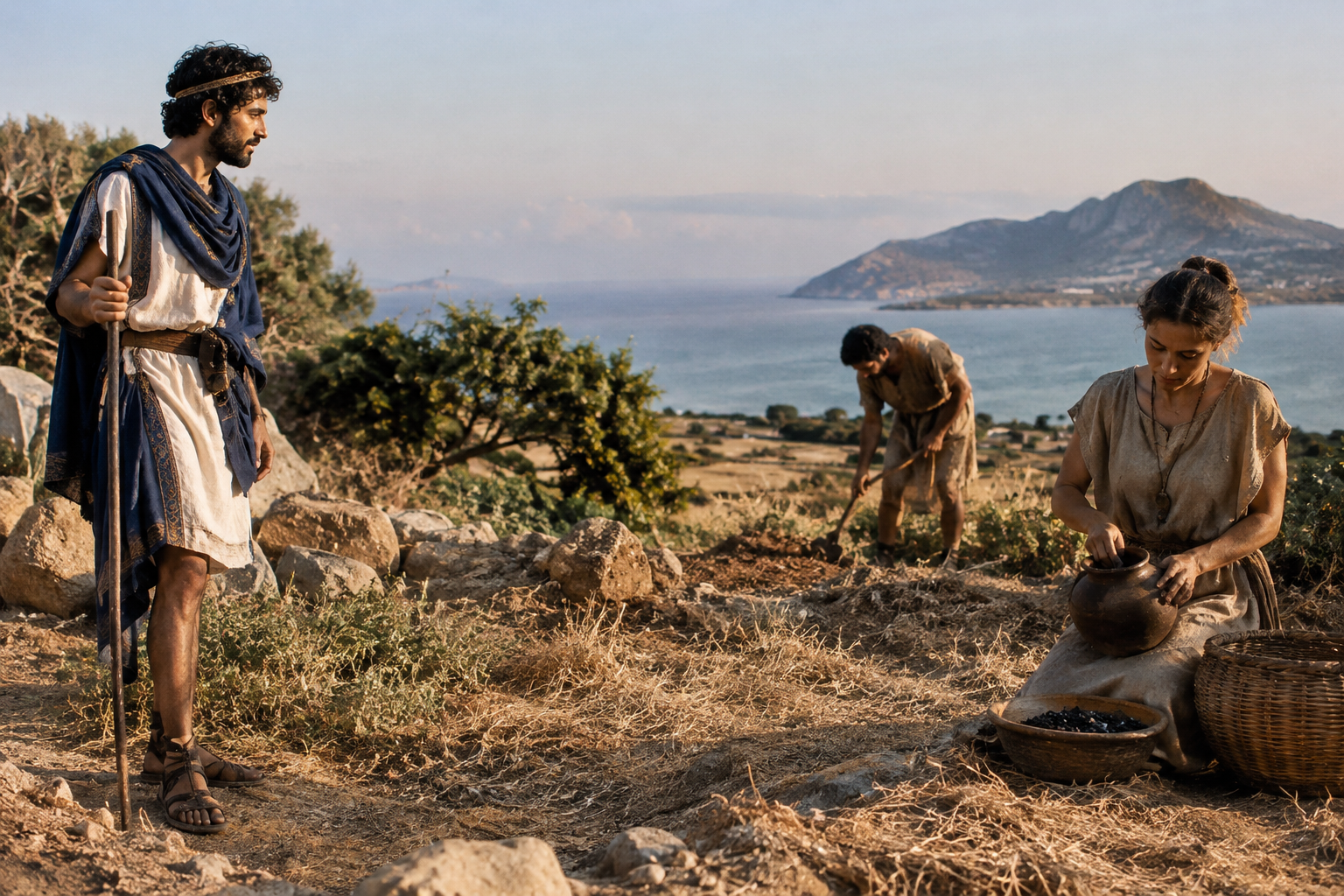
At Selinunte on the southwest coast of Sicily, one ancient man from the Carthaginian era has added an unexpected twist to the history of Y-DNA haplogroup C1a2a2. The individual identified as I21194, dated to around 550 BC and associated with Selinunte's Case Manuzza area, belongs to a period when the island was a crowded frontier of Greeks, Phoenicians, local Sicilian communities, and expanding Mediterranean trade. A paternal line as rare as C1a2a2 turning up here is a useful reminder that ancient port cities were not neat ethnic boxes.
That is what makes this haplogroup so interesting. C1a2a2 is a very specific Y-chromosome branch, tracing one direct paternal line only, not a person's whole ancestry. Yet when that narrow lineage appears in very different settings - here in Iron Age or Archaic Sicily, and much earlier in Neolithic Romania - it points not to a single people marching intact across millennia, but to the long survival of an old paternal branch inside changing populations and historical worlds.
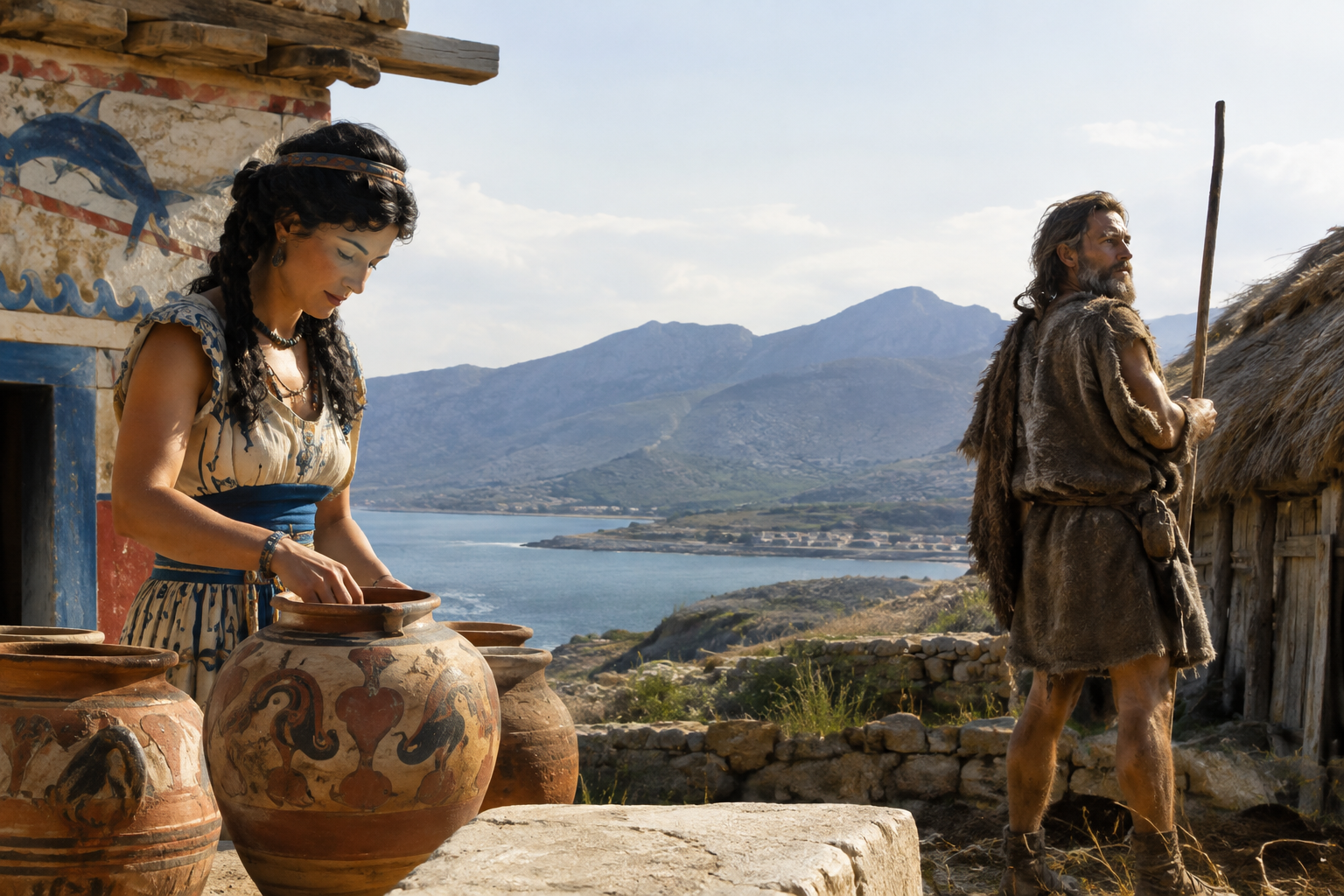
Selinunte was one of the great Greek foundations of western Sicily, but Greek colonies were never populated by Greeks alone. They were entangled with indigenous Sicilian groups, nearby Punic settlements, traders from across the sea, and the constant shuffling of families, dependants, soldiers, and migrants that made the ancient Mediterranean work. A man like I21194 belongs in that real, messy world.
The label "Carthaginian Era Sicily" matters here because western Sicily in the 6th century BC sat within the political and commercial orbit of both Greek and Punic power. That does not mean this man was "Carthaginian" in a simple ethnic sense, nor that his Y-line somehow identifies him as Phoenician, Greek, or local Sicel by itself. What it does show is that the paternal branch C1a2a2 was still present in the central Mediterranean by the first millennium BC, embedded in a society already known for mixture and mobility.
Recent research on ancient populations from the Italian islands has helped sharpen that broader picture, showing Sicily as a place of repeated contact and genetic layering rather than a sealed-off island community. One such study can be found here: https://www.nature.com/articles/s41586-025-08913-3.
For anyone carrying C1a2a2 today, Selinunte offers a historically rich point of comparison. Not because one can leap from one ancient man to a modern family tree, but because it places this lineage in a documented Mediterranean setting where identities were layered, negotiated, and often cosmopolitan.
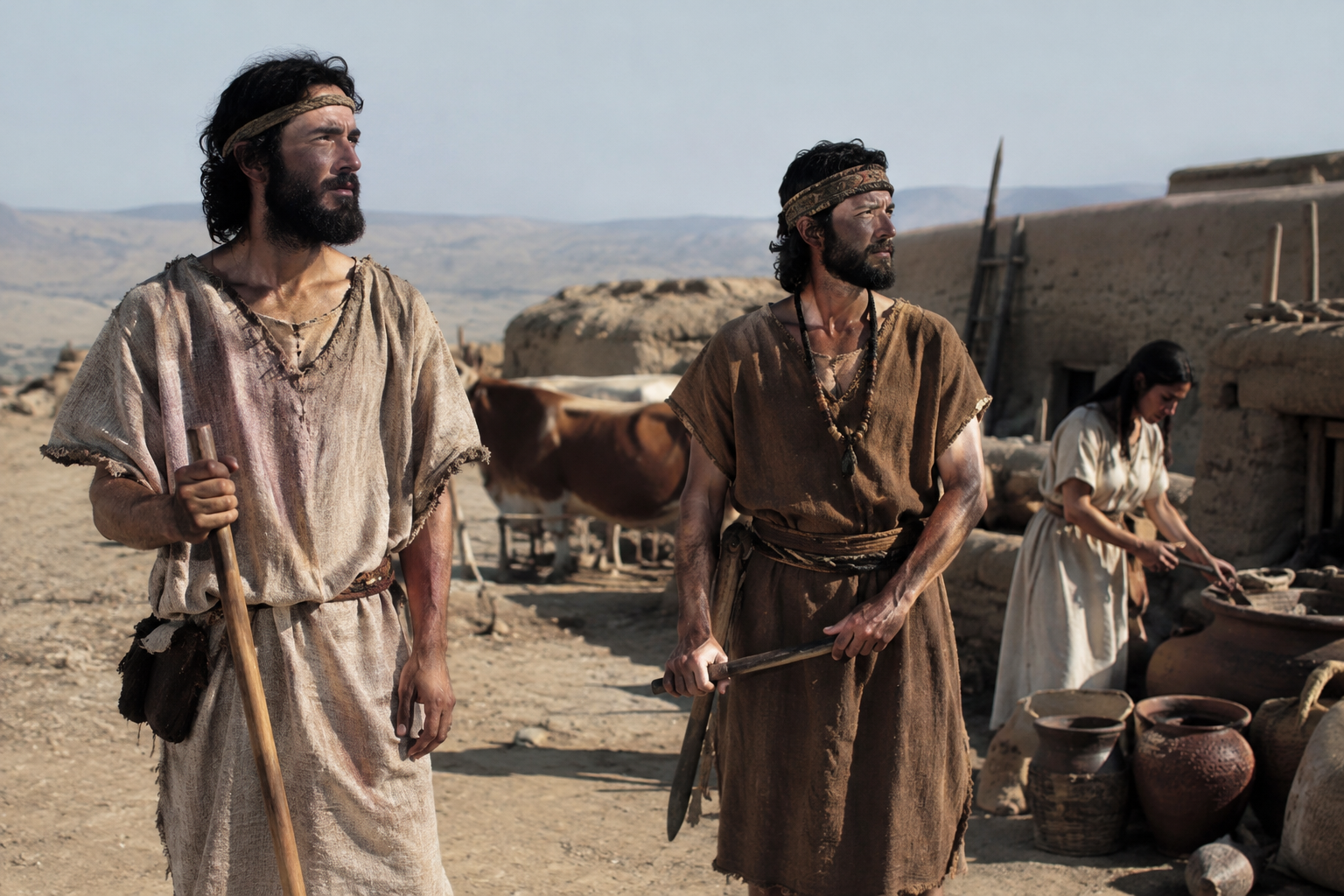
The other key ancient individual is far older: I4089 from Urziceni in Romania, dated to around 3700 BC and associated with the Bodrogkeresztur horizon of the Neolithic or Copper Age Carpathian world. This is a very different archaeological landscape from Selinunte. We are no longer dealing with colonial cities and maritime empires, but with farming communities in southeastern Europe several thousand years earlier.
That contrast is precisely why the sample matters. If C1a2a2 appears in both a 4th-millennium-BC community in Romania and a 6th-century-BC man in Sicily, the lineage clearly had a long and complicated history in Europe. It was not tied to one brief episode. Instead, it seems to have persisted at low levels through major transformations: the spread of farming, the rise and fall of prehistoric cultures, Bronze Age population changes, and the urbanized networks of the Iron Age Mediterranean.
The Bodrogkeresztur context places I4089 in a region central to later debates about mobility, exchange, and social change in prehistoric southeastern Europe. Ancient DNA research on Neolithic and Copper Age populations in this wider zone has repeatedly shown that paternal lines can survive even when broader ancestry profiles shift. That is a useful caution against reading any one haplogroup as a complete population story.
Today, haplogroup C is better known globally outside Europe, which can make a European branch like C1a2a2 look surprising to modern testers. But ancient DNA has been steadily teaching a rather salutary lesson: Europe's past contained paternal diversity that later became rare, patchy, or regionally isolated. Some lineages that now seem unusual were once simply part of the ordinary human variety moving through prehistoric and ancient communities.
That does not mean C1a2a2 was ever common everywhere. The safer point is narrower. Its presence in these two samples shows a paternal branch with real time depth in Europe, and one capable of turning up in very different cultural settings. The branch is specific; the history around it is not one single migration tale, but a sequence of survivals, absorptions, and local continuities within changing populations.
This is where Y-DNA can be both tantalising and deceptive. Because it follows only one male line, it can preserve very old signatures long after languages, customs, and most of a population's ancestry have changed. A man in Punic-era or Greek Sicily might carry a paternal lineage with roots far older than the political map around him. That is not an anomaly. It is rather typical of how lineages behave over the long term.
It would be rash to draw a straight line from I4089 in Neolithic Romania to I21194 in Sicily. The evidence does not support that kind of neat genealogical arrow. Between them lie more than three millennia of population movement, admixture, and historical upheaval. But taken together, the two samples outline something more historically plausible: C1a2a2 belonged to the deeper background diversity of ancient Europe and survived into later Mediterranean societies.
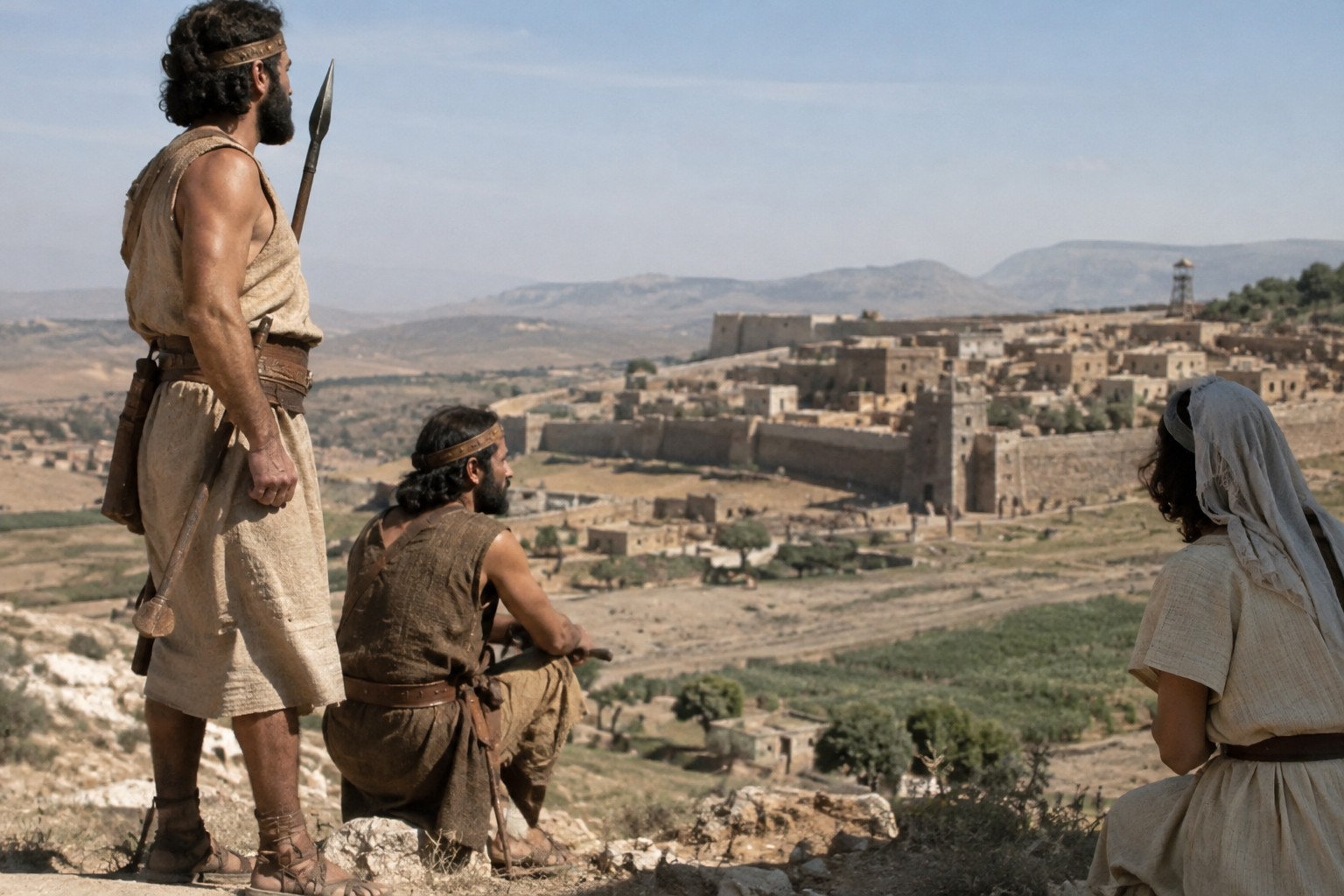
That is a more interesting result than a simplistic migration slogan. The Carpathian Basin and the Balkans were major corridors throughout prehistory, linked to both central Europe and the Aegean. Sicily, meanwhile, absorbed people and influences from Italy, the Greek world, North Africa, and beyond. A rare paternal branch could easily persist in scattered pockets, then reappear far away in later records without implying a single dramatic trek by one named people.
A preprint examining ancient genomes from prehistoric southeastern Europe has helped frame these wider Neolithic and Copper Age population histories, including the world in which Urziceni belongs: https://www.biorxiv.org/content/10.1101/2020.08.19.256412v1. Even without forcing sample-by-sample claims beyond the evidence, that regional work helps explain why an old paternal branch could endure across such different contexts.
If one of the two ancient appearances of C1a2a2 feels especially evocative, it is probably Selinunte. Sicily has a habit of confounding tidy origin stories. Greek colonies were founded by settlers from the Aegean, but they quickly became local Mediterranean societies in their own right. Carthaginian influence in the west added another layer, and indigenous communities were never passive scenery in that process.
So a rare paternal lineage at Selinunte should not be treated as an odd footnote. It fits the island's broader record of diversity. Ancient Sicilian populations often show combinations of ancestry and lineage that reflect exactly what the archaeology already suggests: an island plugged into trade, warfare, colonisation, marriage networks, and ordinary human movement across centuries.
Sicily's Multi-Faith DNA History
The most distinctive thing about C1a2a2 in the present evidence is not royal glamour or a single homeland claim. It is endurance. This paternal branch appears in a Neolithic individual from Romania and in a much later man from Carthaginian-era Sicily, which suggests a lineage with considerable antiquity and a habit of surviving inside very different historical populations. If this is your haplogroup, the best lesson is a good archaeological one: your direct paternal line may be old, rare, and historically mobile in ways that do not fit modern national labels.


Comments